DbcultAccessing Vault...
Cult Review
Senior Film Conservator
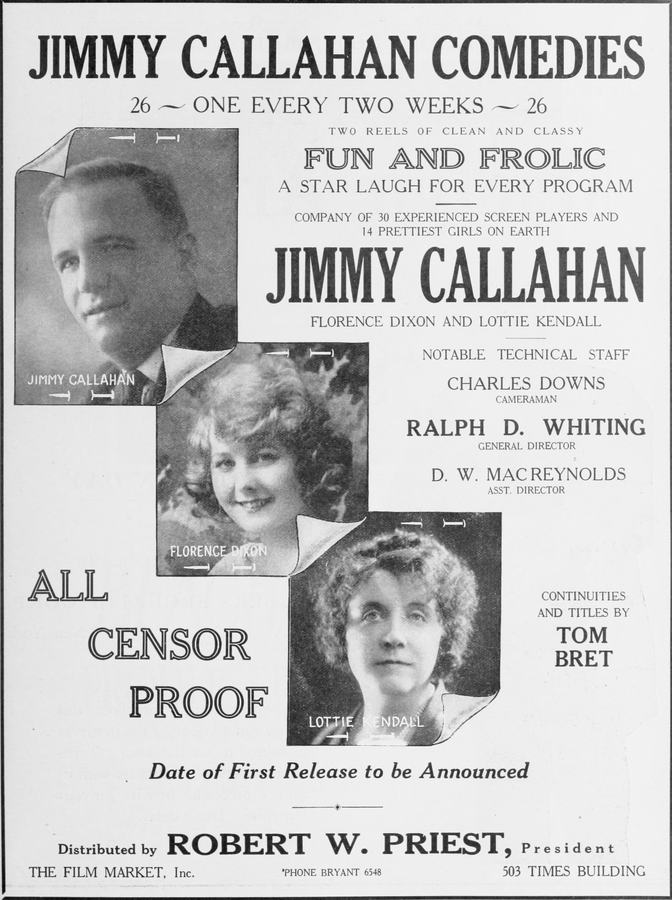
Stepping back into the flickering glow of a 1921 silent film is often akin to unearthing a forgotten relic, a whisper from a bygone era that can, if given the chance, roar with an unexpected vitality. Tom Bret's Wild Women is precisely such a revelation, a cinematic artifact that, despite its century-long slumber, pulsates with themes as resonant today as they were in the nascent days of the Jazz Age. This isn't merely a period piece; it's a profound exploration of female agency, societal constraints, and the raw, untamed spirit that defies easy categorization. From its very first frames, the film establishes an atmosphere of rugged authenticity, drawing the viewer into the harsh realities of Redemption Gulch, a town where fortunes are made and lost with equal swiftness, and where the line between civilization and wilderness is perpetually blurred.
The narrative, crafted with a keen eye for human drama, centers on two sisters, Eleanor and Maeve Vance, whose divergent paths serve as the emotional bedrock of the film. Florence Dixon, in her portrayal of Eleanor, delivers a performance of remarkable nuance. Her Eleanor is not merely a virtuous schoolteacher; she is a woman burdened by the weight of expectation, her elegance a fragile shield against the coarseness of her surroundings. Dixon masterfully conveys Eleanor's quiet strength, her yearning for stability, and the burgeoning fire of conviction that ignites when injustice threatens her community. Her expressive eyes, a silent film actress's most potent weapon, communicate volumes – fear, resolve, and an unwavering moral compass. It's a performance that subtly challenges the prevailing notions of feminine delicacy, suggesting a deeper, more enduring fortitude beneath a refined exterior. One might draw parallels to the quiet resilience seen in some of the heroines of The Toilers, though Eleanor's battle is more internal, a fight for principle rather than mere survival.
In stark contrast, Lottie Kendall's Maeve Vance is a whirlwind of untamed energy, a character who practically crackles with defiant independence. Kendall imbues Maeve with a captivating blend of recklessness and vulnerability, making her an instantly compelling figure. Maeve rejects the corsets of societal norms, preferring the gritty freedom of her clandestine saloon and the thrill of the gamble. Her physicality is dynamic, her gestures broad and uninhibited, perfectly capturing the essence of a woman who lives life on her own terms, consequences be damned. The chemistry between Dixon and Kendall is palpable, a nuanced portrayal of sisterly love strained by ideological differences and the perilous choices each woman makes. Their scenes together are charged with an unspoken history, a blend of affection, frustration, and fierce loyalty that feels remarkably authentic. This dynamic exploration of sisterhood and diverging paths is a refreshing counterpoint to simpler, more straightforward narratives of the era, such as the more singular focus on personal struggle found in An Amateur Orphan.
Jimmy Callahan, as the enigmatic Silas Blackwood, is a formidable presence. His portrayal of the charming yet dangerous prospector is a masterclass in silent film villainy, layered with just enough ambiguity to keep the audience guessing. Callahan’s smoldering gaze and subtle shifts in demeanor expertly convey Silas’s dual nature – a man capable of both captivating affection and ruthless calculation. He is the irresistible force that threatens to pull Maeve into a vortex of peril, a shadowy figure whose motives are as murky as the gold-flecked riverbeds of Redemption Gulch. His interactions with both sisters are charged with a potent dramatic tension, particularly his scenes with Maeve, where their volatile attraction plays out against a backdrop of impending doom. The silent film era often excelled at creating such magnetic, morally ambiguous characters, and Callahan’s Silas stands tall among them, perhaps even more captivating than the titular figure in The Man-Getter, due to his deeper integration into the film's central conflict.
Tom Bret's direction, particularly for a film of its vintage, is surprisingly sophisticated. He demonstrates a keen understanding of visual storytelling, utilizing deep focus, expressive close-ups, and sweeping wide shots to convey both intimate emotion and the vast, unforgiving landscape. The pacing is deliberate, allowing the emotional beats to resonate, yet never dragging. Bret understands the power of the unspoken, relying heavily on his actors' abilities to convey complex emotions through gesture, expression, and posture. The use of intertitles is judicious, providing necessary exposition without interrupting the flow of the visual narrative. One particular sequence, involving a violent dust storm, is an absolute triumph of early cinematic technique, a visceral spectacle that heightens the dramatic tension and mirrors the internal turmoil of the characters. This scene alone speaks volumes about Bret's ambition and skill, placing him among the more innovative directors of his time, perhaps even rivaling the atmospheric tension achieved in The Green Swamp.
The film's thematic depth is where Wild Women truly distinguishes itself. It's not just a tale of adventure or romance; it's a commentary on the evolving role of women in society. Eleanor represents the struggle for respectability and the quiet power of intellect, while Maeve embodies the radical pursuit of freedom and self-ownership. The title itself is a provocative statement, challenging audiences to reconsider what 'wildness' truly means. Is it the untamed wilderness of the American West, the reckless abandon of Maeve's lifestyle, or the fierce, unyielding spirit that both sisters ultimately demonstrate in their own ways? The film suggests that true wildness lies not in lawlessness, but in the courage to defy convention, to stand firm in one's convictions, and to fight for what is right, even when it means sacrificing personal desires. This proto-feminist undercurrent is remarkably bold for 1921, echoing the burgeoning suffrage movement and the changing social landscape of the era. It’s a thematic exploration that feels more akin to the complex moral dilemmas presented in Who Is to Blame? than simpler melodramas.
The production design and costumes are meticulously crafted, transporting the audience directly into the heart of a frontier town. The dusty streets, the ramshackle saloons, and the sparse, yet evocative, interiors all contribute to the film's immersive quality. The costumes, particularly for Eleanor and Maeve, are not merely functional; they are extensions of their characters. Eleanor's tailored dresses speak of her aspirations and her desire for order, while Maeve's more practical, yet still striking, attire reflects her independent spirit and her active engagement with the world. The attention to detail in these elements underscores the film's commitment to creating a believable world, enhancing the emotional impact of the narrative. Even the smallest props, like a miner's pickaxe or a stack of playing cards, feel authentic and contribute to the overall texture of the film, much like the lived-in environments depicted in Peaceful Alley.
One cannot discuss Wild Women without acknowledging its place within the broader tapestry of silent cinema. While it may not possess the epic scope of some of Griffith's masterpieces or the avant-garde experimentation of European contemporaries, it carves out its own distinct niche through its compelling characterizations and its surprisingly modern thematic concerns. It demonstrates the profound storytelling capabilities of the silent medium, proving that dialogue is not always necessary to convey deep emotion, complex motivations, or powerful social commentary. The film acts as a vital bridge between the more simplistic narratives of early cinema and the burgeoning sophistication of the coming Golden Age. It's a testament to the fact that even without sound, these early filmmakers were grappling with universal human experiences, creating art that continues to resonate across generations. The sheer expressive power of the actors in Wild Women rivals the best of the era, reminiscent of the emotional depth achieved in a film like Hearts in Exile.
The climax of the film is a masterclass in escalating tension. The aforementioned dust storm is not merely a visual spectacle; it is a metaphorical manifestation of the chaos and moral ambiguity swirling around the characters. As Eleanor races against time to expose Silas's treachery, and Maeve is forced to confront the harsh reality of her affections, the stakes reach a fever pitch. The choices made in these harrowing moments are profoundly impactful, revealing the true character of each woman. Maeve's ultimate decision, born of painful realization and a fierce loyalty to her sister, is a powerful moment of self-actualization. It's a rejection of a captivating but destructive love in favor of a deeper, more enduring form of independence. This moment of clarity and sacrifice elevates the film beyond a simple frontier drama, imbuing it with a tragic grandeur that lingers long after the final fade-out. The intricate web of deceit and moral reckoning recalls the layered narrative of The Undercurrent, where personal choices have ripple effects across a community.
The film's exploration of justice and corruption is another noteworthy element. The insidious machinations of Bartholomew "Bart" Finch, the corrupt land baron, provide a tangible external threat that forces the characters to act. This element grounds the personal drama in a broader social context, highlighting the fragility of law and order in a burgeoning frontier society. The film doesn't shy away from depicting the darker aspects of human nature – greed, betrayal, and the abuse of power – but it also champions the courage of those who stand against it. Eleanor's relentless pursuit of truth, even in the face of danger, is a powerful reminder that heroism often lies in quiet determination rather than grand gestures. The portrayal of corruption and its impact on a community feels as poignant as the urban decay depicted in The City of Failing Light, albeit in a vastly different setting.
In conclusion, Wild Women is far more than a historical curiosity; it is a vibrant, emotionally charged drama that speaks to universal themes of love, loyalty, independence, and the enduring strength of the human spirit. Florence Dixon and Lottie Kendall deliver performances that are both period-appropriate and timeless, their characters resonating with an authenticity that belies the film's age. Tom Bret's direction is assured, his visual storytelling compelling, and the film's ability to weave complex thematic threads into a gripping narrative is truly commendable. It’s a testament to the foundational power of silent cinema, a reminder that even without spoken words, the screen can convey profound truths and evoke deep emotional responses. For anyone with an appreciation for classic film, for stories of fierce women, and for the raw, untamed spirit of the American frontier, Wild Women is an indispensable viewing experience, a vibrant piece of cinematic history that continues to inspire and provoke thought. It stands proudly alongside other compelling dramas of its time, offering a unique perspective on the challenges and triumphs of early 20th-century life, perhaps even surpassing the conventional heroism found in Be a Little Sport with its nuanced portrayal of strength.
The legacy of Wild Women lies in its audacious spirit. It refused to relegate its female characters to mere damsels in distress or objects of affection, instead elevating them to complex, multifaceted individuals grappling with profound moral and personal dilemmas. Maeve's journey from reckless abandon to a more mature, self-aware independence is particularly striking, offering a nuanced portrayal of growth that transcends simple good-versus-evil dichotomies. Eleanor's quiet resolve, her unwavering commitment to justice, and her capacity for forgiveness demonstrate a different, yet equally potent, form of strength. The film’s exploration of the frontier as both a place of opportunity and a crucible of human depravity provides a rich backdrop for these personal narratives to unfold. It’s a film that demands engagement, that invites introspection, and that ultimately rewards the attentive viewer with a deeply satisfying and thought-provoking cinematic experience, a testament to the artistry of silent storytelling. The way it constructs its world and characters is a masterclass, much like the intricate world-building seen in L'écrin du rajah, though with a distinctly American flavor.
The film also serves as a fascinating historical document, capturing the zeitgeist of a nation rapidly transforming. The early 1920s were a period of immense social upheaval, with women gaining new freedoms and challenging established norms. Wild Women taps directly into this cultural current, reflecting both the anxieties and the aspirations of the era. It’s a film that understands the power of myth-making in the American West, but also the harsh realities beneath the romantic veneer. The performances, particularly from Dixon and Kendall, are exemplary in their ability to convey such complex ideas without the aid of spoken dialogue. Their facial expressions, their body language, and their interactions with each other and their environment are all meticulously crafted to tell a story that is both deeply personal and broadly resonant. This meticulous craft is what elevates it beyond simple entertainment, placing it in the pantheon of thoughtful silent dramas, much like the impactful storytelling of Out of the Shadow.
Ultimately, Wild Women is a powerful argument for the enduring artistic merit of silent cinema. It’s a film that proves that emotional depth, character complexity, and gripping narrative can thrive without the crutch of spoken words. It invites us to engage with cinema on a purely visual and emotional level, to interpret the subtle cues and grand gestures that define the silent art form. The experience of watching it is not merely passive; it’s an active participation in the storytelling process, a collaboration between the filmmaker and the audience. And in that collaboration, a century later, Wild Women still finds its voice, loud and clear, echoing with the wild, untamed spirit of its unforgettable characters. It’s a compelling journey that reminds us that truly great cinema transcends its technological limitations, much like the timeless appeal of Home, Sweet Home.
IMDb 5.3
1935
Community
Log in to comment.