DbcultAccessing Vault...
6.7/10
Senior Film Conservator
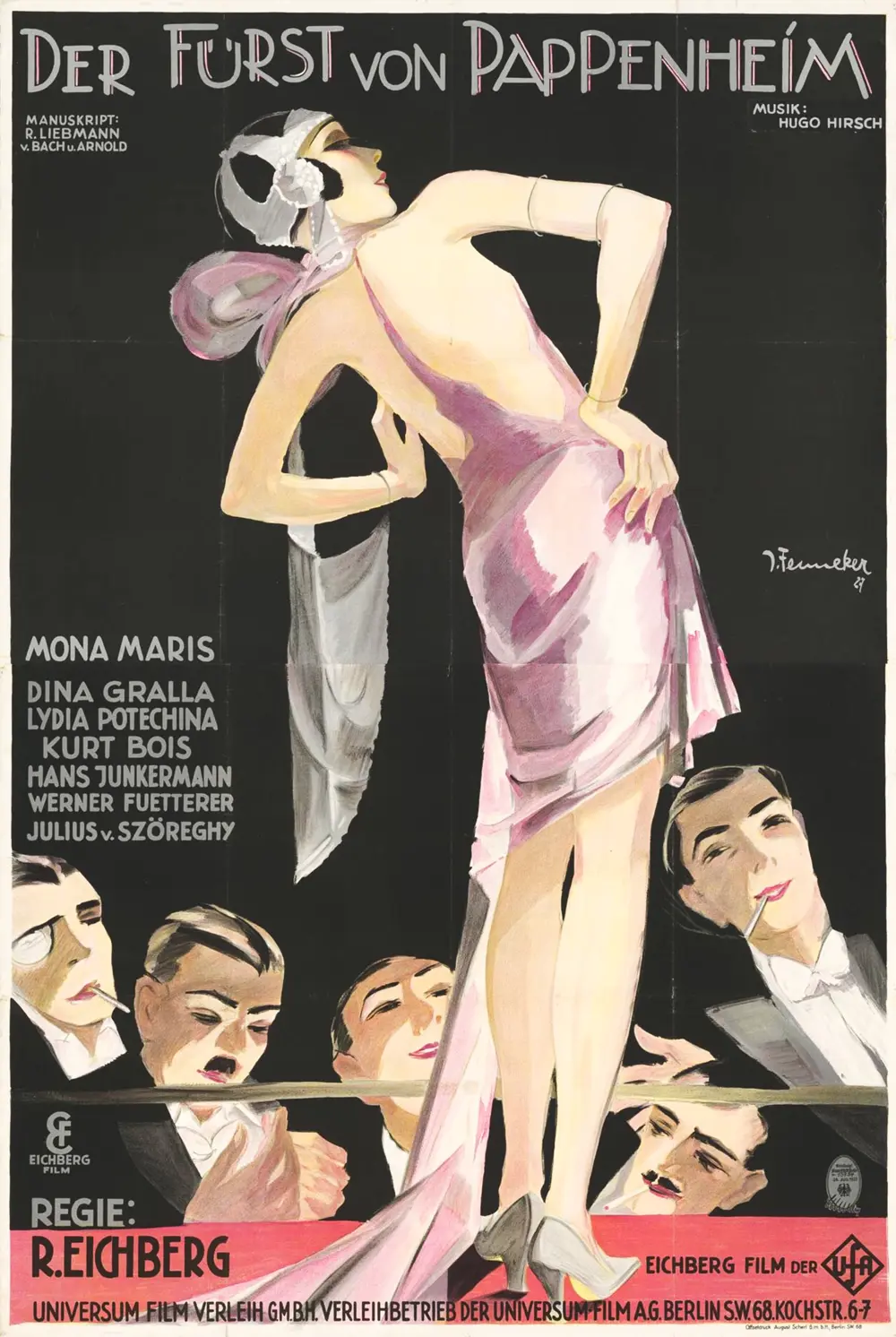
A definitive 6.7/10 rating for a film that redefined the boundaries of cult cinema. The Masked Mannequin remains a cornerstone of transgressive art.
Is The Masked Mannequin worth your time in the modern era? Short answer: yes, but only if you have a refined palate for the frothier side of Weimar-era German cinema.
This film is specifically for enthusiasts of silent-era social comedies and those who find beauty in 1920s costume design; it is certainly not for viewers seeking the heavy-handed shadows of German Expressionism or a plot that holds up under rigorous logical scrutiny.
1) This film works because the chemistry between the ensemble cast creates a rhythmic, almost musical flow to the comedy that transcends the lack of spoken dialogue.
2) This film fails because the central conceit—that a simple mask could hide a high-profile princess in a room full of fashion experts—requires a massive leap of faith even for a farce.
3) You should watch it if you enjoyed the light-hearted chaos of Nearly Married or the social climbing antics found in Pretty Lady.
To answer the question directly: The Masked Mannequin is worth watching for its historical value and visual flair. It captures a very specific moment in Berlin’s history—the 'Golden Twenties'—just before the global economy and political climate soured. While it lacks the psychological depth of something like Conflict, it compensates with a relentless energy and a genuine sense of fun.
The film acts as a time capsule. You are watching the peak of European silent comedy craftsmanship. The sets are opulent, the costumes are genuinely stunning, and the pacing is surprisingly modern. It’s a breezy 70-minute distraction that reminds us that cinema wasn't always about saving the world; sometimes, it was just about the chaos of a hidden identity in a room full of beautiful people.
The Masked Mannequin thrives on the frantic energy of Egon Furst, played with a delightful mix of exasperation and charm by Hans Junkermann. Junkermann is an actor who understands the geometry of a scene. In the sequence where he first attempts to organize his ten models for a high-stakes show, his physical comedy is precise. He isn't just a manager; he’s a conductor trying to lead an orchestra where every instrument wants to play a different song.
The introduction of Mona Maris as the princess adds a layer of sophisticated mystery. Maris has a gaze that cuts through the screen. Even behind the titular mask, her posture and movements signal a different social stratum. This creates a fascinating visual contrast with the other models, particularly the energetic Dina Gralla. While Gralla represents the 'New Woman' of the 1920s—vibrant, working-class, and savvy—Maris represents the fading world of the aristocracy trying to hide in plain sight.
The writing by Robert Liebmann, Ernst Bach, and Franz Arnold is sharp. They avoid the trap of making the film a one-note joke about the mask. Instead, they use the mask as a catalyst to expose the insecurities of the other characters. Egon’s desperation to protect his 'star' model leads him into increasingly absurd lies, creating a house of cards that the audience knows must eventually tumble.
The camera work in the fashion house is surprisingly fluid. Unlike the static shots often found in earlier silent films like The Mystic, the cinematography here moves with the characters. There is a specific scene where the camera follows a garment from the sewing room all the way to the runway, weaving through the models and staff. It’s a sophisticated bit of staging that makes the fashion house feel like a living, breathing organism.
The use of lighting is also noteworthy. While it doesn't use the high-contrast shadows of Kinder der Finsternis - 2. Kämpfende Welten, it uses a soft, high-key glow that makes the fabrics and the actors’ skin look ethereal. This is glamour cinema at its finest. The film isn't trying to reflect reality; it’s trying to sell a dream, much like the fashion house it depicts.
However, the film isn't without its technical flaws. The pacing in the second act slows down significantly during the 'jealous boyfriend' sub-plot. The character of the boyfriend feels like a relic from a different, much darker film. His presence introduces a tonal jarring that the film never quite resolves. One moment we are laughing at Egon’s frantic scheduling, and the next, we are dealing with a possessive aristocrat whose motivations feel more suited for a melodrama like The Mysterious Mr. Tiller.
Let’s be honest: the mask is a ridiculous plot device. It’s a tiny piece of lace that wouldn't fool a toddler, let alone a room of professional aesthetes. But in the context of 1928 Berlin, the mask is a potent metaphor. This was a city obsessed with reinvention. Everyone was wearing a mask of some sort—social, economic, or political.
The princess putting on a mask to become a 'mannequin' is a reversal of the typical Cinderella story. She is descending the social ladder to find freedom, whereas most characters in films like That's My Daddy or Dad's Boy are trying to climb it. This subversion gives the film a slight edge that saves it from being pure fluff. It suggests that the 'perfect' life of a model might be more desirable than the 'perfect' life of a royal.
The logic is thinner than the silk dresses on display. But the film doesn't care about logic. It cares about movement, style, and the thrill of the chase. It’s a mess, but a beautiful one.
The ensemble cast is phenomenal. Each of the ten models is given a distinct personality through visual shorthand, which is no small feat in a silent film. The costume design is a genuine highlight, offering a front-row seat to 1928's haute couture. Furthermore, the film’s energy is infectious; it never feels like a chore to watch.
The central 'mask' premise is laughably thin. If you can't suspend your disbelief, the whole film falls apart. Additionally, the resolution of the princess's conflict feels rushed and overly convenient, lacking the cleverness of the film’s opening half. It’s a bit like a beautiful dress with a poorly sewn hem.
The Masked Mannequin is a sparkling, if slightly shallow, example of late silent-era entertainment. It lacks the punch of The Fight or the raw grit of Frontier of the Stars, but it isn't trying to compete with them. It’s a film about the surface of things—beauty, clothes, and the funny ways we try to hide who we are.
It works. But it’s flawed. If you go in expecting a profound statement on the human condition, you’ll be disappointed. But if you go in wanting to see Hans Junkermann lose his mind while surrounded by beautiful women and art deco furniture, you’re in for a treat. It’s a stylish, frantic, and ultimately harmless piece of cinematic history that deserves a look from any serious cinephile.
"A shimmering relic of a Berlin that no longer exists, The Masked Mannequin proves that even in the silent era, fashion was a loud and chaotic business."
IMDb —
1933
Community
Log in to comment.