DbcultAccessing Vault...
Cult Review
Senior Film Conservator
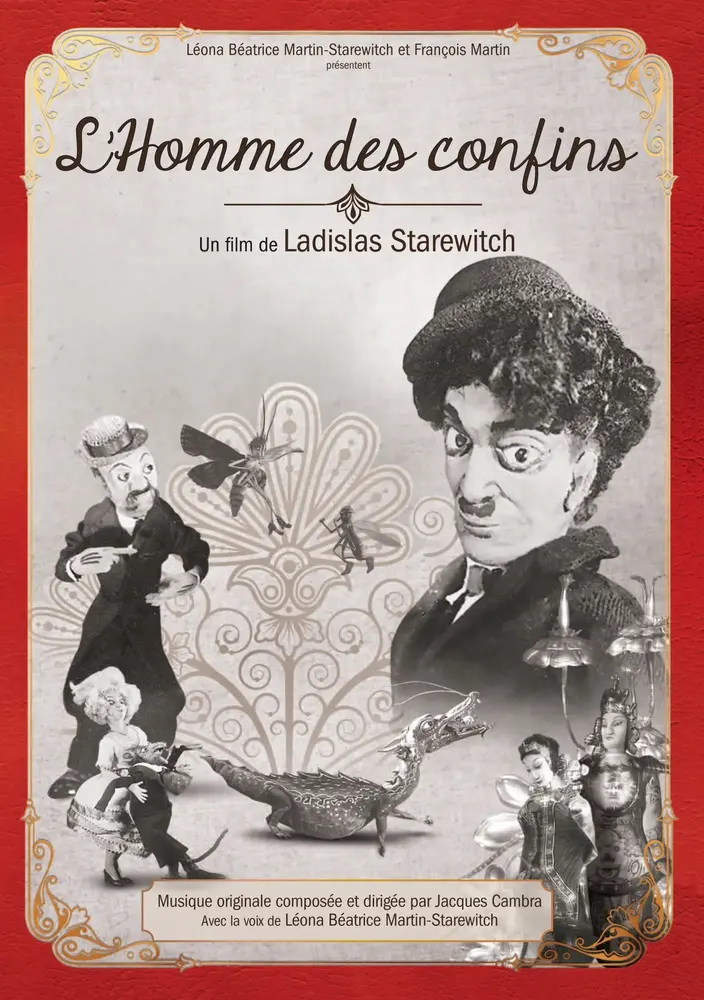
In the annals of film history, some names stand out as pioneers, innovators who pushed boundaries and paved the way for future generations. One such visionary is Wladyslaw Starewicz, whose L'homme des Confins (1919) is a remarkable triptych of short films that encapsulate the early days of animation artistry. This feature-length compilation, comprising Dans les grilles de t'araignée, Les yeux du dragon, and Amour noir et blanc, offers a captivating glimpse into the intricate and imaginative world of silent film animation.
Dans les grilles de t'araignée is a poignant narrative about a fly named Dame Aurélie who dreams of a life in the bustling city. Her aspirations are a metaphor for the allure of urbanity and the challenges it presents. Starewicz's meticulous attention to detail in the fly's movements and expressions is a testament to his mastery of early stop-motion animation. The stark contrast between the fly's rural life and the urban environment is poignantly rendered, capturing the essence of a journey from simplicity to complexity.
Les yeux du dragon delves into a mythical Chinese legend, depicted through the fragments of a vase. This segment is a visual feast, blending traditional animation with the fluidity of stop-motion, creating a mesmerizing narrative that transcends cultural boundaries. The symbolism of the dragon's eyes adds depth to the story, inviting viewers to contemplate the deeper meanings behind the imagery and the stories they tell.
Amour noir et blanc is a whimsical and playful segment that explores the mischievous nature of Cupids. Their comedic antics and the intricate love triangle they create among three performers, whose appearances are notably based on Charlie Chaplin, Mary Pickford, and Tom Mix, offer a delightful blend of humor and romance. Starewicz's ability to imbue these characters with personality and emotion is particularly impressive, especially when considering the technical limitations of the time.
Together, these three segments form a cohesive whole, each one contributing to a deeper understanding of the evolution of animation as a medium. L'homme des Confins is not just a collection of short films; it is a testament to the artistry and creativity of a filmmaker who was ahead of his time. The use of stop-motion animation, coupled with innovative storytelling techniques, positions Starewicz as a pioneer in early cinematic history.
Comparisons with other works by Starewicz, such as In the Spider's Grip (1921) and Sapho (1917), reveal a consistent thematic thread of exploration and innovation. Starewicz's films often delve into the human condition, the struggles and triumphs of individuals, and the impact of societal changes. L'homme des Confins continues this tradition, offering a unique perspective on the early days of cinema and the art of animation.
For those interested in delving deeper into the history of animation, L'homme des Confins is a must-see. It is a prime example of how art and technology can come together to create something truly magical. The films are a visual delight, filled with moments of profound insight and sheer entertainment. Whether viewed as a historical artifact or a work of art in its own right, L'homme des Confins stands as a landmark in the world of early cinema, a testament to the visionary work of Wladyslaw Starewicz.
As we reflect on the contributions of pioneers like Starewicz, it becomes clear that the medium of animation has come a long way. From the intricate movements of Dans les grilles de t'araignée to the mythical dimensions of Les yeux du dragon and the comedic escapades of Amour noir et blanc, each segment in L'homme des Confins offers a rich tapestry of storytelling and animation techniques. This feature-length compilation is a valuable resource for cinephiles and animation enthusiasts alike, providing a unique window into the early days of this dynamic and evolving art form.
Whether you are a seasoned film buff or a newcomer to the world of early animation, L'homme des Confins is a journey worth taking. It is a celebration of creativity, innovation, and the enduring power of storytelling. As we continue to push the boundaries of animation today, it is worth remembering the pioneers like Starewicz who laid the foundation for the medium we know and love.
In conclusion, L'homme des Confins is a profound and enchanting experience, a reminder of the artistry and ingenuity that defined the early days of cinema. It is a film that not only entertains but also educates, offering a glimpse into the past while inspiring a deeper appreciation for the art of animation today.
IMDb —
1920
Community
Log in to comment.