DbcultAccessing Vault...
Cult Review
Senior Film Conservator
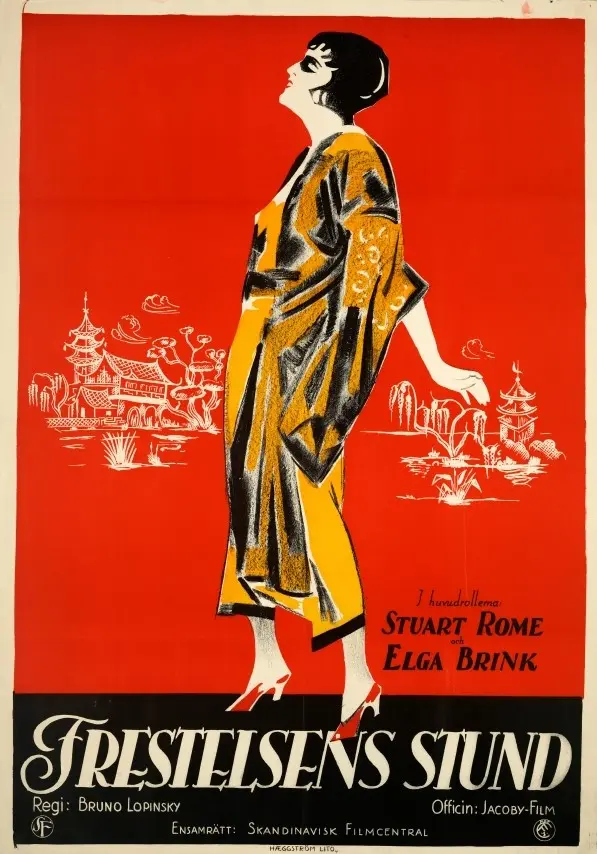
Should you invest your time in a silent film from 1927? Short answer: yes, if you are a student of Weimar-era aesthetics or colonial melodrama.
This film is specifically for those who enjoy the heightened emotionality of late-period silent cinema. It is definitely not for viewers who require modern pacing or nuanced cultural sensitivity.
1) This film works because Elga Brink delivers a performance that transcends the often-stilted conventions of the silent era, anchoring the chaotic plot in genuine human vulnerability.
2) This film fails because the third-act kidnapping plot feels like a desperate pivot toward a serial-adventure style that undermines the psychological weight of the earlier trial scenes.
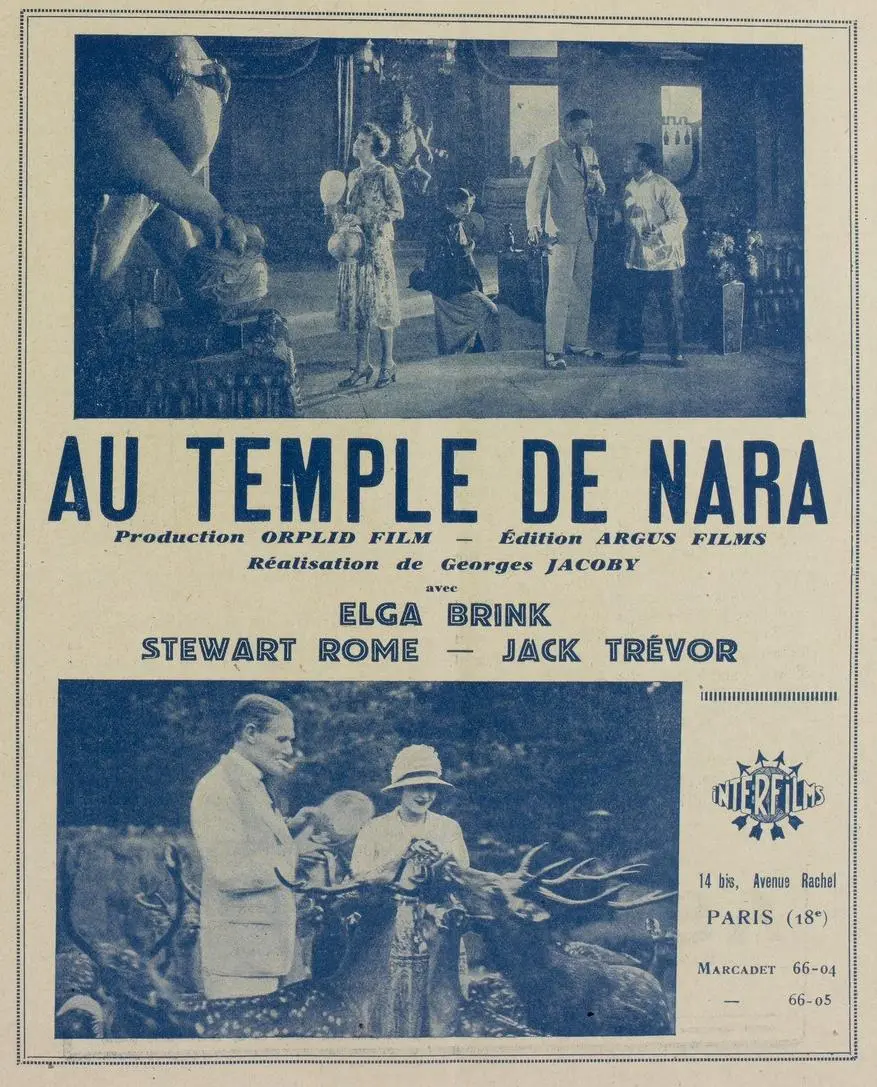
3) You should watch it if you want to see how 1920s European cinema attempted to blend the 'exotic' allure of Japan with the tropes of the Victorian 'damsel in distress' narrative.
Liebe im Rausch, directed with a certain workmanlike efficiency, is a fascinating artifact of its time. It occupies a space similar to Jungle Woman, where the setting is less a place and more a psychological pressure cooker for the white protagonists.
The film opens with a sense of wonder that quickly curdles into paranoia. Lilian Lee is not just inheriting land; she is inheriting a world she does not understand. The tea plantation serves as a lush, green backdrop that contrasts sharply with the black-and-white morality of the characters.
One of the most striking elements is the portrayal of Fu Chow. Unlike the caricatures often found in films like For the Freedom of the World, Fu Chow is presented as a 'Western-educated' threat. This reflects a specific 1920s anxiety about the blurring of cultural boundaries.
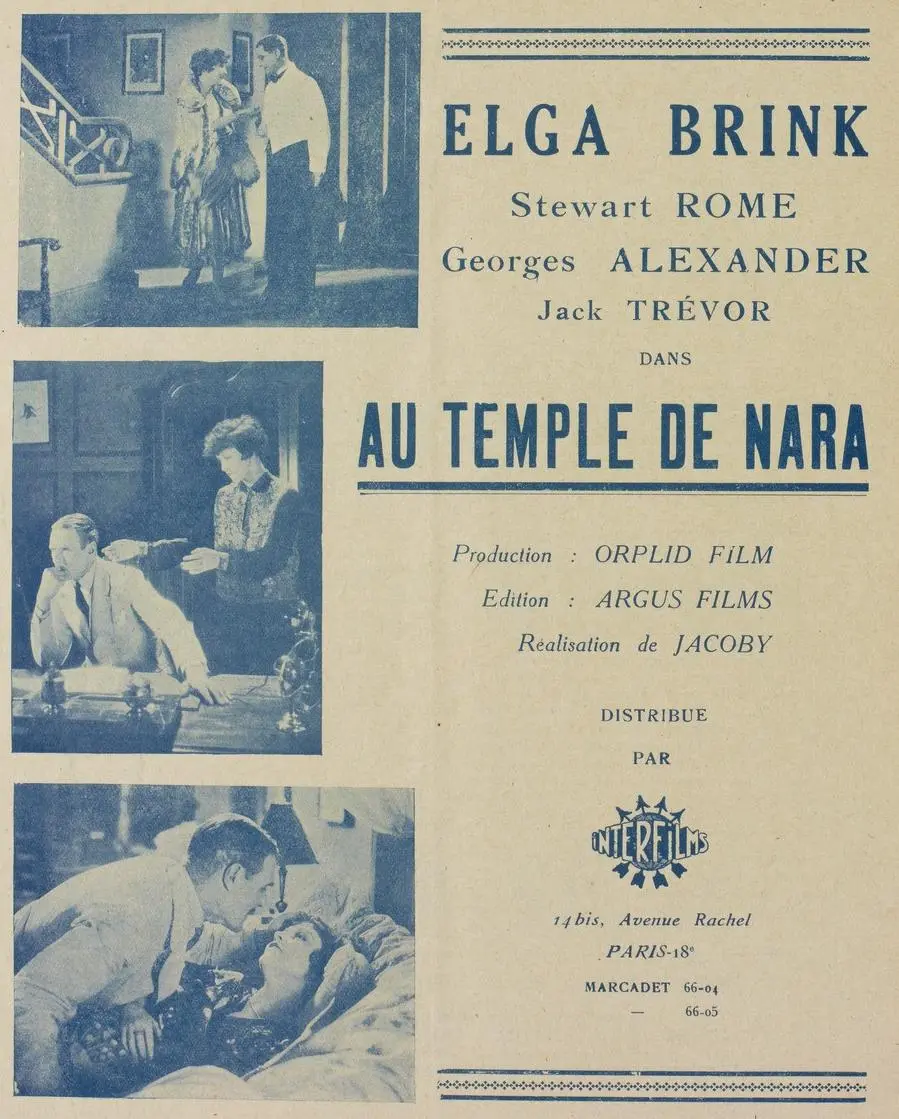
His education hasn't made him an ally; it has made him a more effective villain. This is a cynical, perhaps even xenophobic, observation that runs through the film's core. It suggests that no matter the education, the 'other' remains a threat to the European woman's purity.
Elga Brink is the engine that keeps this film from stalling. In the scene where she is lured to Fu Chow’s house, the lighting shifts to a more expressionistic, shadowy palette. Her eyes carry the weight of the entire narrative.
She doesn't just play a victim. When she stabs Fu Chow, it isn't a dainty, theatrical gesture. It is a moment of raw survival. This grit is what separates Liebe im Rausch from more passive romances like A Kentucky Cinderella.
Brink’s chemistry with Stewart Rome is, unfortunately, less convincing. Rome plays Kent with a stiff upper lip that borders on catatonic. You find yourself wondering why she would choose the dull Englishman over the complexity of her surroundings, even if those surroundings are hostile.
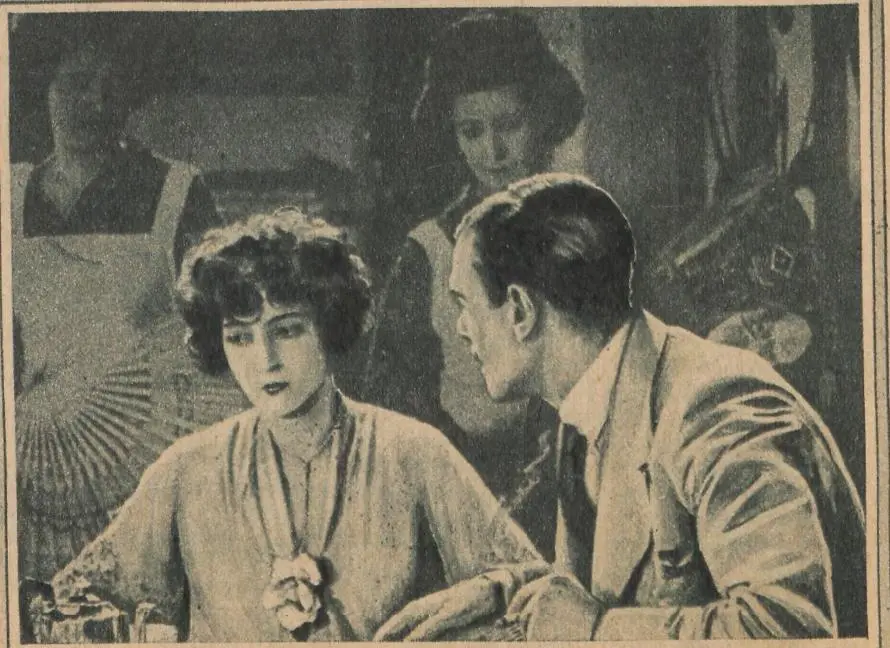
The trial sequence is where the film briefly touches greatness. The use of extras to create a claustrophobic atmosphere in the courtroom is masterful. It mirrors the social judgment Lilian faces, a theme also explored in God's Country and the Law.
The film's biggest flaw is its structure. The first half is a compelling social drama about inheritance, reputation, and self-defense. The second half, however, veers into a kidnapping plot that feels like it belongs in Söhne der Nacht, 1. Teil: Die Verbrecher-GmbH.
When Lilian is manipulated by the young manager, the film loses its psychological grounding. It stops being about her agency and starts being about Kent’s ability to ride to the rescue. It is a regression that robs the character of the strength she showed during the trial.
The 'nameless degradation' she is threatened with is a classic silent film trope. It serves to justify the hero's violence. But here, it feels unearned. The villain’s motivations shift from complex obsession to cartoonish cruelty without much transition.
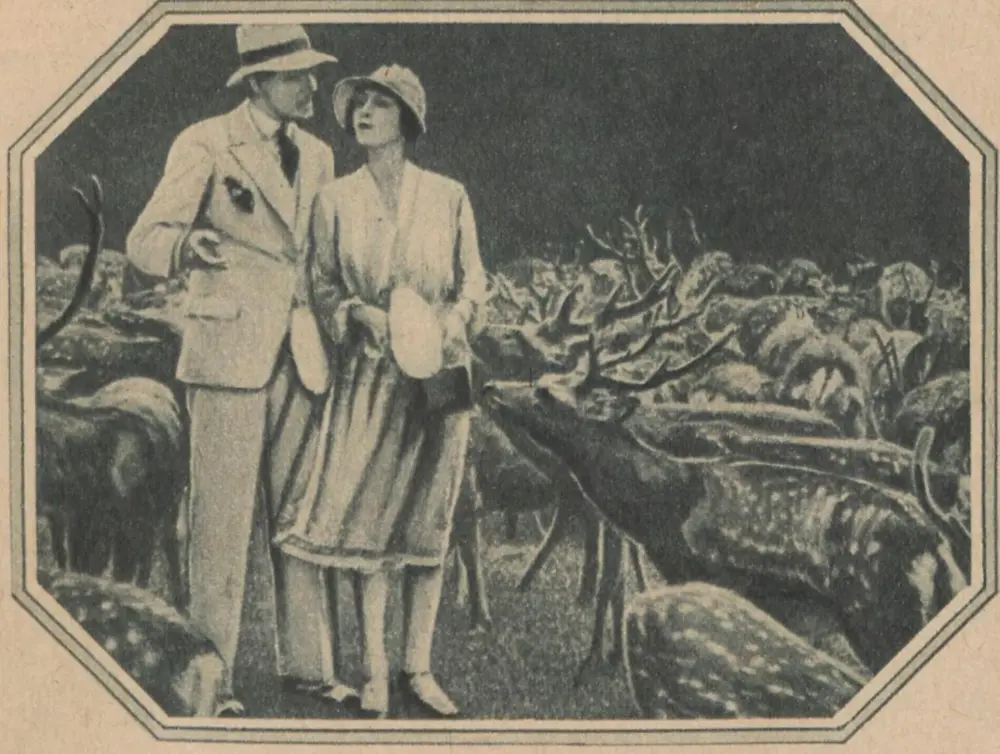
Despite this, the pacing remains brisk. Unlike the slow-burn political tension of Bismarck, Liebe im Rausch moves with a frantic energy. It wants to keep the audience guessing, even if the answers are often predictable.
The cinematography by the uncredited camera team is surprisingly sophisticated. They use the vertical lines of the tea plants to create a sense of entrapment. Lilian is often framed through foliage or behind screens, emphasizing her lack of freedom.
Compare this to the open, airy compositions of Northern Lights. In that film, the landscape represents possibility. In Liebe im Rausch, the landscape is a cage. It is beautiful, but it is closing in on her.
The indoor sets are equally telling. Fu Chow’s home is a mix of Eastern aesthetics and Western luxury. It is designed to look 'wrong' to the 1927 audience—a space of decadence that justifies Lilian's fear.
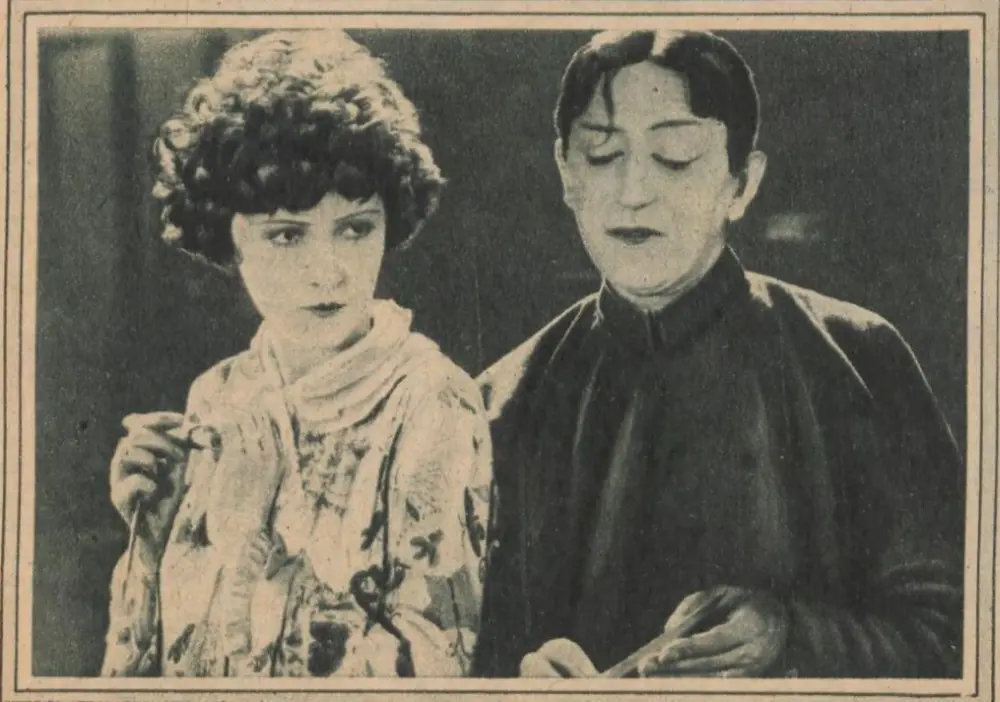
The editing during the rescue scene is particularly sharp for the era. The cross-cutting between Kent’s approach and Lilian’s peril creates a genuine sense of urgency. It works. But it’s flawed. The resolution is too neat, too final for the trauma she has endured.
If you are looking for a historical curiosity that highlights the intersection of silent drama and early 20th-century social anxieties, then yes. It is a beautifully shot piece of melodrama that features a powerhouse performance from Elga Brink.
However, if you are looking for a film that treats its Japanese setting or its characters with modern nuance, you will be disappointed. It is a film of its time, for better and for worse. It is a relic, but a shimmering one.
Pros:
- Stunning visual compositions and use of natural light.
- A strong, central performance that holds a messy plot together.
- Fascinating historical subtext regarding 'Westernization'.
Cons:
- Weak male leads who lack the charisma of the protagonist.
- A plot that relies too heavily on the 'kidnapping' trope.
- Dated and often offensive cultural portrayals.
Liebe im Rausch is a film caught between two worlds. On one hand, it is a sophisticated drama about a woman trying to claim her inheritance in a world of men. On the other, it is a sensationalist thriller that uses 'the exotic' to scare its audience. While it doesn't reach the heights of the era's true masterpieces, it remains a compelling watch for the sheer intensity of Elga Brink. It’s a messy, beautiful, and occasionally infuriating piece of cinema history. It deserves to be remembered, if only as a warning of how easily drama can slip into caricature.
IMDb 6.1
1930
Community
Log in to comment.