DbcultAccessing Vault...
7.6/10
Senior Film Conservator
A definitive 7.6/10 rating for a film that redefined the boundaries of cult cinema. Liebe macht blind remains a cornerstone of transgressive art.
In the swirling vortex of silent cinema, few films have managed to captivate audiences with the same level of intrigue as 'Liebe macht blind'. This 1920s German masterpiece, helmed by a visionary director and brought to life by a talented ensemble cast, is a sweeping tale of love, deception, and the societal pressures that can both elevate and destroy us.
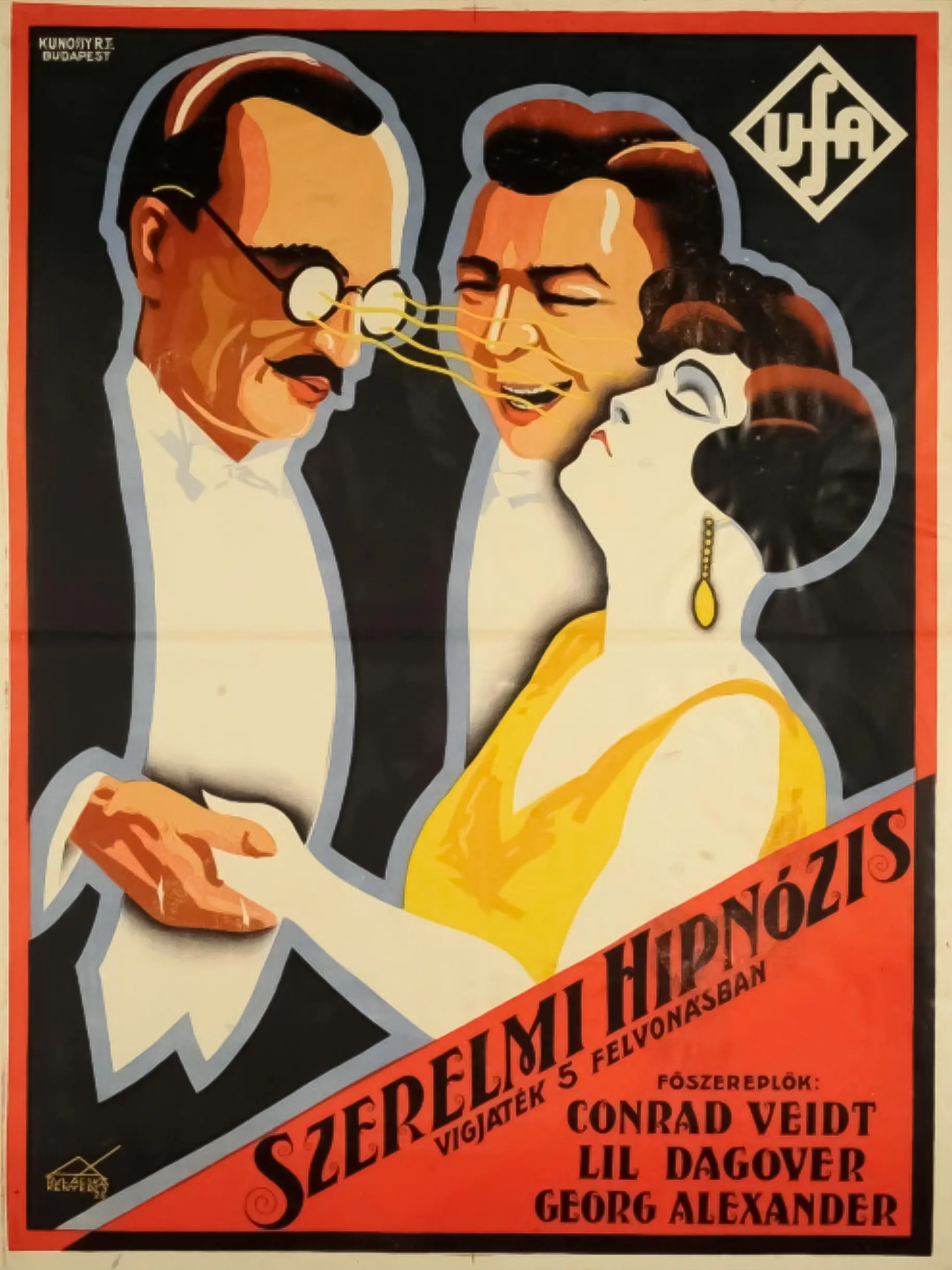
The film stars Lillian Hall-Davis in a role that showcases her remarkable range as a performer. Her portrayal of a protagonist ensnared in a complicated dance of emotions is at once captivating and heartbreaking. The chemistry between Hall-Davis and her co-stars, including Alexander Murski, Lil Dagover, and Conrad Veidt, is palpable, lending an air of authenticity to the film's most pivotal moments.
One of the most striking aspects of 'Liebe macht blind' is its thoughtful pacing. Rather than rushing headlong into a climactic confrontation, the narrative unfolds with a measured deliberation that allows the audience to become fully immersed in the world of the film. This deliberate approach enables the characters to breathe, to grow, and to reveal their innermost thoughts and desires.

The film's exploration of love's capacity to both elevate and destroy is a theme that resonates deeply. As relationships fray and alliances are tested, the characters are forced to confront the darker aspects of their own nature. It is here, in these moments of raw vulnerability, that 'Liebe macht blind' reveals its true brilliance. The performances are raw, the emotions are real, and the consequences are devastating.
In comparing 'Liebe macht blind' to other films of its era, it becomes clear that this is a work of exceptional craftsmanship. The cinematography is breathtaking, with a keen eye for composition and a deep understanding of the emotional resonance of visual storytelling. The score, though a product of its time, retains a haunting quality that perfectly complements the on-screen action.
For those familiar with the works of Robert Liebmann and Viktor Léon, the writers behind 'Liebe macht blind', it comes as no surprise that the film's narrative is a complex weave of themes and motifs. Their mastery of the medium is evident in every frame, as they skillfully balance action, drama, and romance to create a cinematic experience that is at once engaging and thought-provoking.
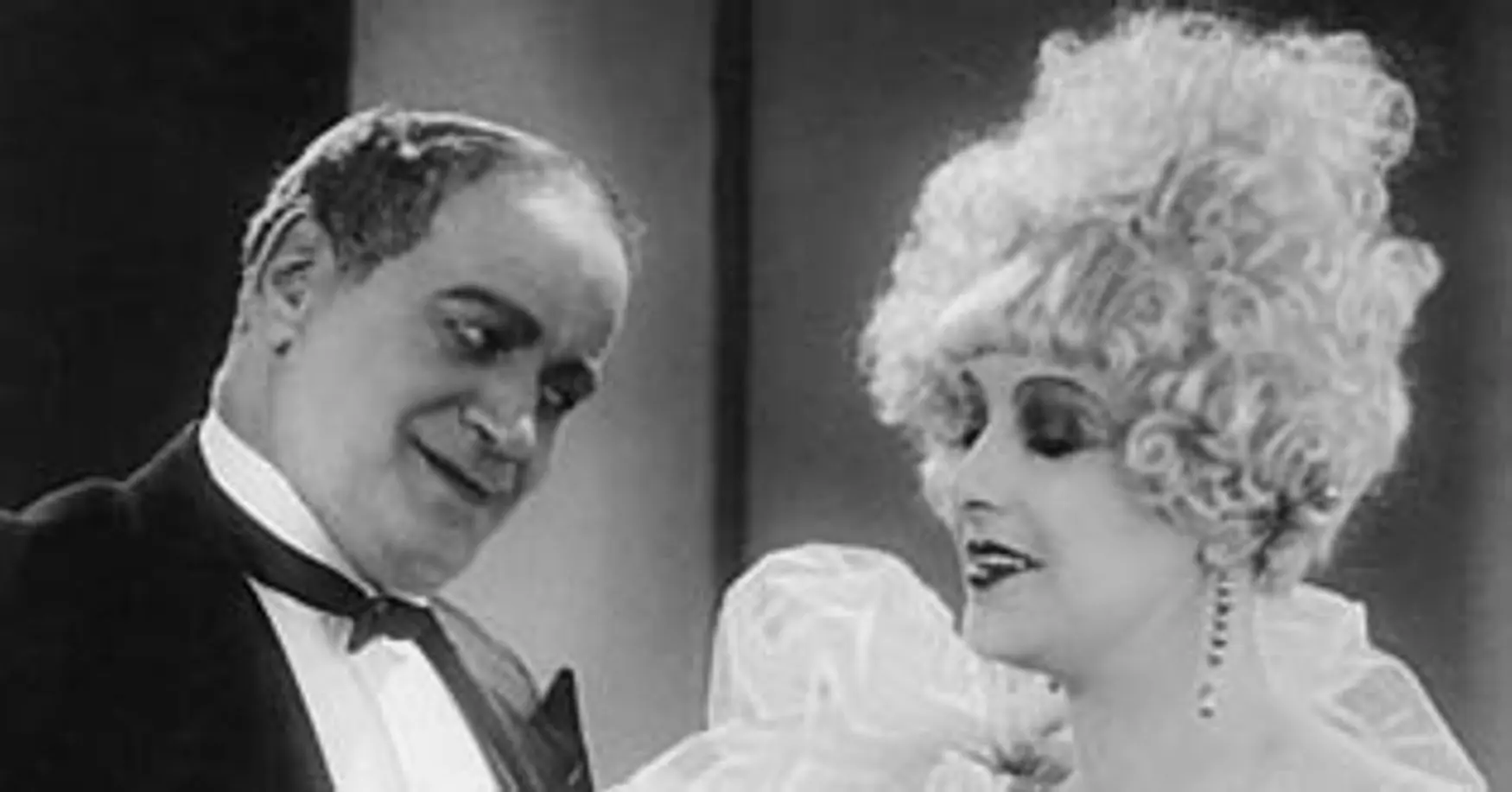
In an era dominated by the likes of Squire Phin and The Little Gray Lady, 'Liebe macht blind' stands out as a shining example of silent cinema's capacity for nuance and sophistication. While films like Her Ball and Chain and The Sage-Brush League may have captured the hearts of audiences with their more straightforward narratives, 'Liebe macht blind' rewards viewers with a depth and complexity that is nothing short of remarkable.
The influence of German Expressionism is evident in the film's use of shadows, light, and composition. The set design, though simple by today's standards, adds to the overall sense of unease and tension that permeates the narrative. It is a testament to the ingenuity of the filmmakers that they were able to create such a richly detailed world on a relatively modest budget.
As the story hurtles towards its climax, the tension builds to almost unbearable levels. The performances are raw, the emotions are real, and the consequences are devastating. It is here, in these moments of raw vulnerability, that 'Liebe macht blind' reveals its true brilliance.
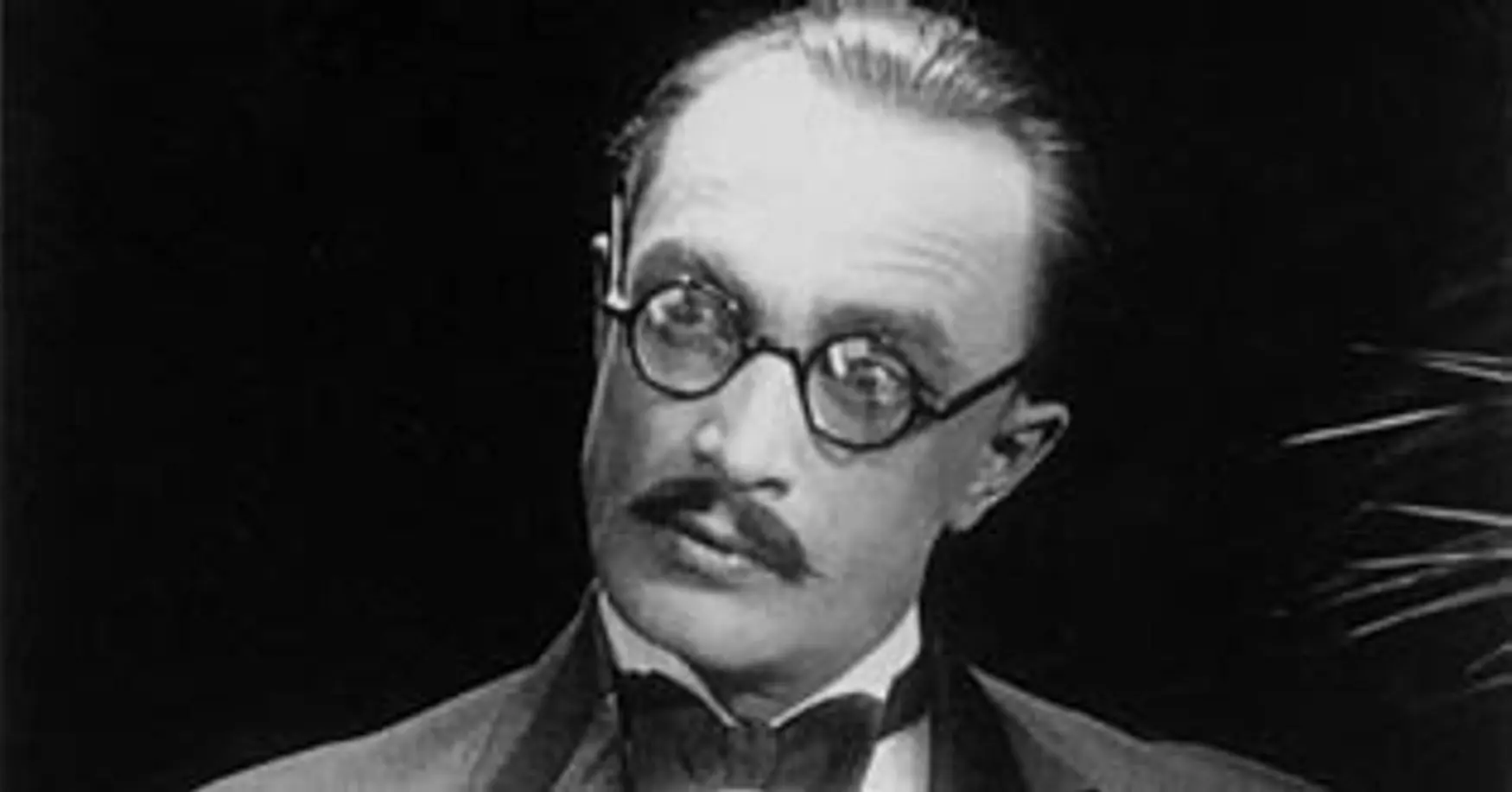
In the pantheon of silent cinema, 'Liebe macht blind' occupies a special place alongside films like Slaves of Pride and Blow 'Em Up. While these films may have captured the hearts of audiences with their more straightforward narratives, 'Liebe macht blind' rewards viewers with a depth and complexity that is nothing short of remarkable.
The film's themes of love, deception, and societal pressure continue to resonate with audiences today. As we reflect on the narrative, it becomes clear that 'Liebe macht blind' is more than simply a relic of a bygone era – it is a timeless masterpiece that continues to captivate and inspire.
In conclusion, 'Liebe macht blind' is a must-see for fans of silent cinema and anyone interested in exploring the rich history of German film. With its thoughtful pacing, acute character observations, and remarkable performances, this 1920s masterpiece remains an essential work in the canon of world cinema.
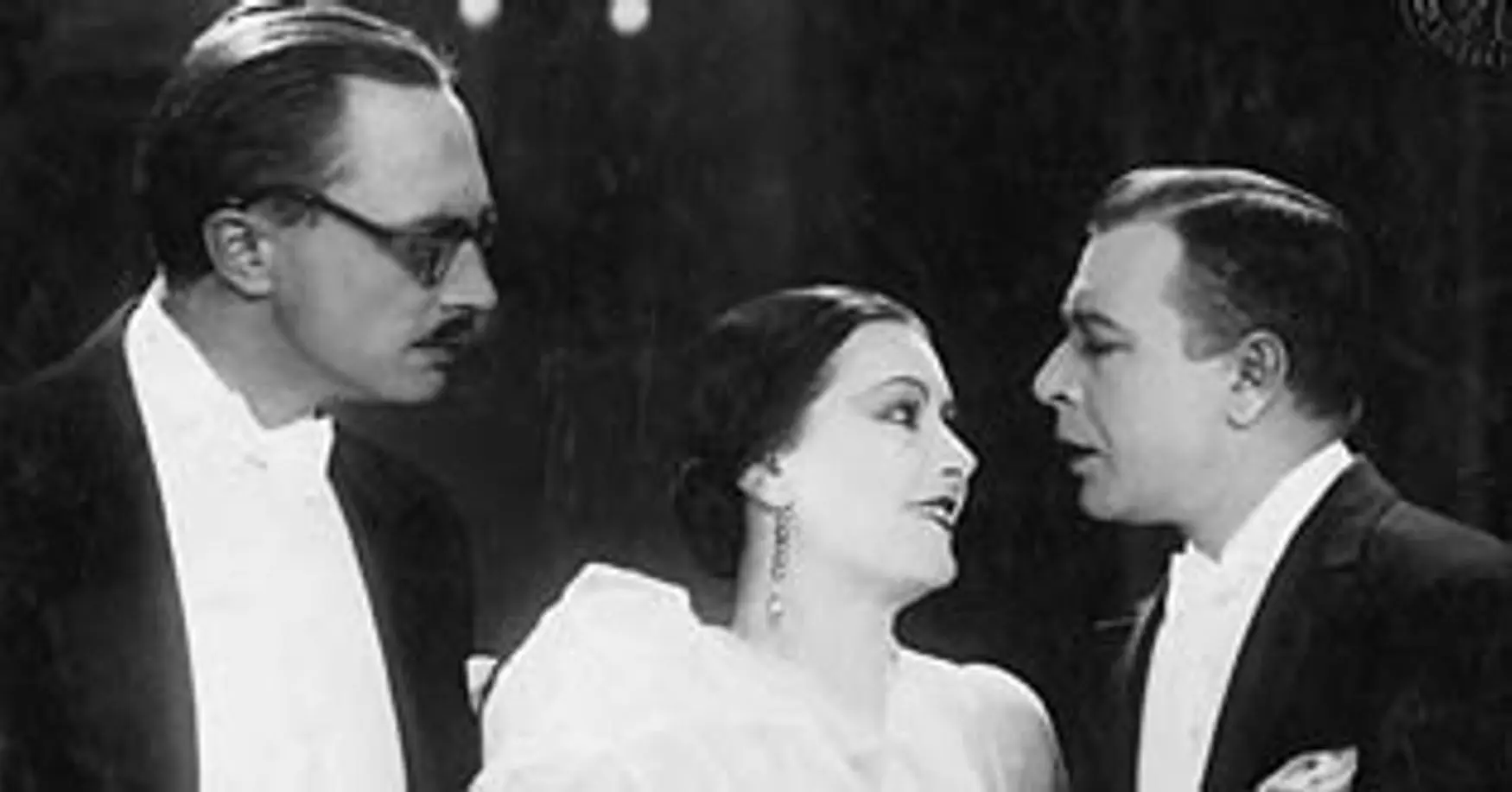
The film's influence can be seen in later works, such as The Jack of Hearts and Parisian Love. While these films may have evolved the language of cinema, 'Liebe macht blind' remains a testament to the power of silent storytelling.
Ultimately, 'Liebe macht blind' is a film that will leave you thinking long after the credits roll. Its exploration of love, deception, and societal pressure is both thought-provoking and deeply unsettling. If you're a fan of The Little Brother, The Magic Note, or Daddy, then 'Liebe macht blind' is an absolute must-see.
The film's cinematography, performances, and thoughtful pacing all come together to create a cinematic experience that is nothing short of breathtaking. As we reflect on the narrative, it becomes clear that 'Liebe macht blind' is a masterpiece that will continue to captivate audiences for generations to come.
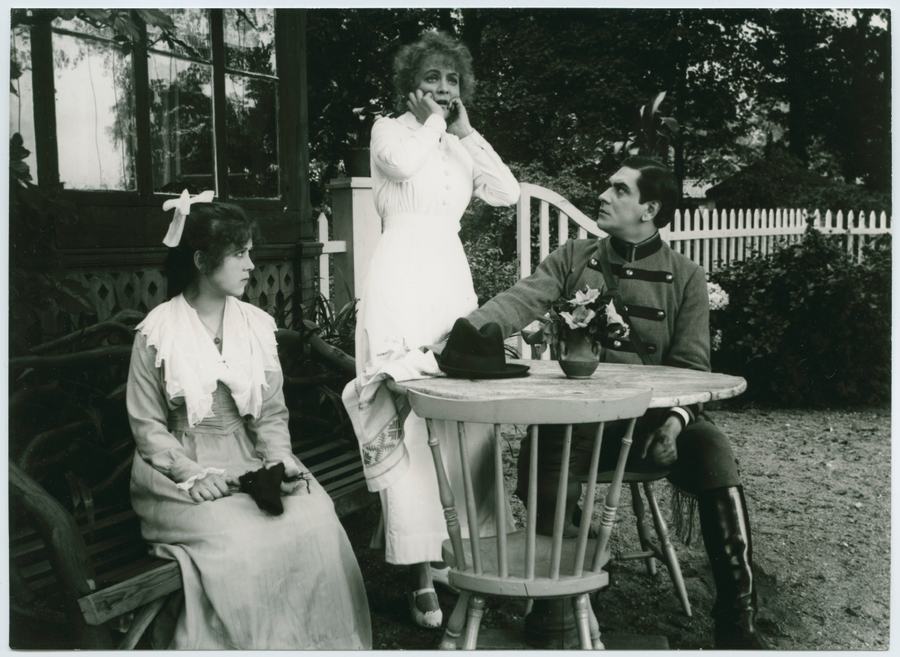
IMDb —
1917
Community
Log in to comment.