DbcultAccessing Vault...
6.4/10
Senior Film Conservator
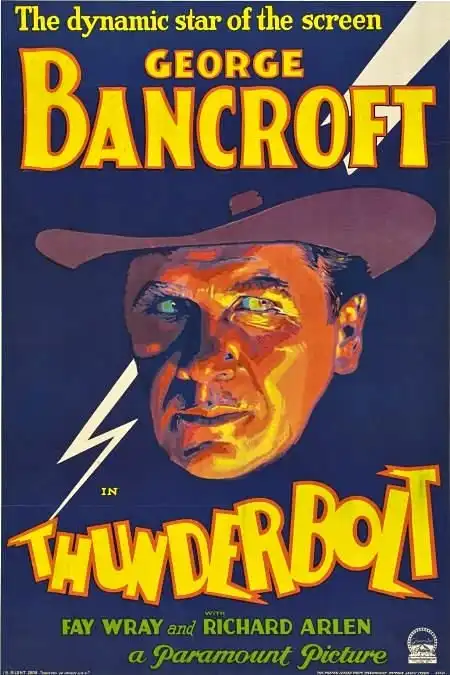
A definitive 6.4/10 rating for a film that redefined the boundaries of cult cinema. Thunderbolt remains a cornerstone of transgressive art.
If you have any interest in how movies figured out how to talk, you should probably watch Thunderbolt tonight. It’s one of those films that feels like it’s vibrating with the effort of being a "talkie."
If you like gritty crime stuff where the shadows are basically their own characters, you’ll dig this. But if you can't stand theatrical acting or scratchy audio, you’re going to have a hard time getting through the first twenty minutes.
George Bancroft plays the main guy, Thunderbolt. He’s a massive presence, like a mountain in a suit, and he spends a lot of time looking like he wants to punch the camera. He’s a criminal who loves his girl, Ritzy, played by Fay Wray. Most people know her for screaming at a big monkey later on, but here she’s actually pretty grounded and quiet.
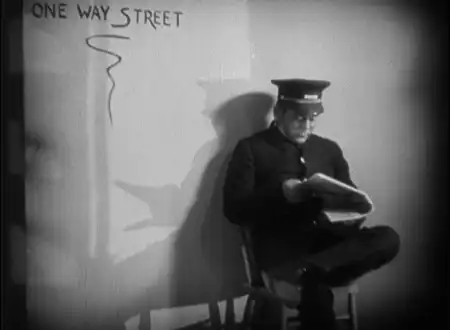
The whole thing kicks off in a nightclub. It’s loud, and the camera moves in this slightly clunky way that tells you they were still figuring out how to hide microphones on the set. You can almost feel the actors staying very still so they don't miss their mark.
Thunderbolt gets caught and sent to prison, specifically death row. This is where the movie gets really weird and interesting. Because of a series of events that only happen in movies, the guy Ritzy actually loves—a guy named Bob Moran—gets framed and ends up in the cell right next to Thunderbolt.
Imagine being on death row and your rival is literally right there, three feet away. It’s a great setup for a lot of staring through bars. Thunderbolt basically spends his remaining time alive trying to figure out how to kill Bob before the state kills them both.
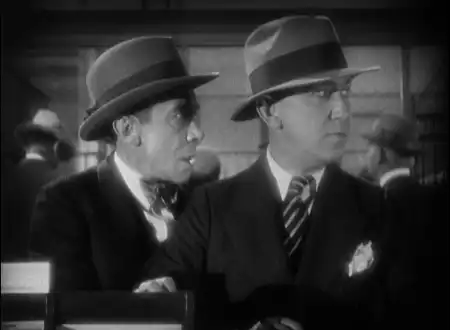
The prison itself doesn't look like any prison I've ever seen. It’s directed by Josef von Sternberg, so it’s full of these crazy shadows and weird lighting. It feels more like a haunted house than a jail. There are these long, vertical stripes everywhere because of the cell bars.
One of the most bizarre things is the music. There is a jazz band called Mosby's Blues Blowers that just... hangs out in the prison? They play music while the prisoners are waiting to be executed. It’s jarring and kind of beautiful in a sick way.
There is a scene where they’re playing a upbeat tune while a man is being led to the electric chair. It’s uncomfortable to watch. The music is way too loud for the scene, but I think that was the point. It makes the whole place feel like a fever dream.
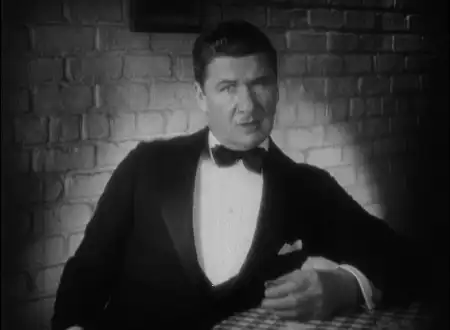
I noticed a small dog that hangs around Thunderbolt in his cell. It’s a little terrier, and it honestly steals half the scenes. There’s a moment where the dog is just sitting there while Thunderbolt is talking about murder, and the dog looks like it’s trying to figure out if it’s going to get a treat or not. It’s a tiny detail, but it makes the prison feel less like a movie set.
The dialogue is a bit much at times. It was written by Herman J. Mankiewicz and some other big names, but it feels very "stagey." People don't talk; they declare things. "You're a good kid, Ritzy!" They say that kind of stuff with a lot of heavy breathing.
Compared to something like The Invisible Power, you can tell the filmmakers were still adjusting to sound. In the silent era, they could move the camera anywhere. Here, everything feels a bit stiff and frozen. But that stiffness actually helps the feeling of being trapped in a cage.
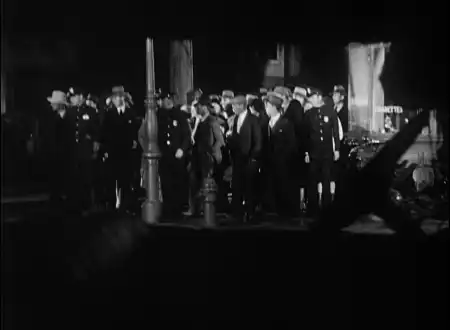
I found myself thinking about Married Life while watching the scenes between Bob and Ritzy. Those two are so innocent and boring compared to Thunderbolt. You almost want Thunderbolt to win because he’s just more interesting to look at.
There’s a character called "Bad Al" who is just there to be mean. He doesn't have much of a personality, but he’s got a great face for a 1920s gangster. A lot of the background actors have these amazing, craggy faces that you just don't see in movies anymore.
The sound design is messy. Sometimes a door slams and it sounds like a gunshot. Other times, someone drops something and it’s completely silent. It’s like the sound guy was falling asleep at the board. But again, it adds to that weird, disjointed feeling of the film.
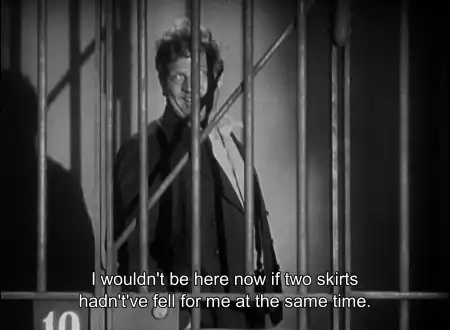
There is a long stretch in the middle where not much happens. They just talk and wait. If you aren't into the atmosphere, you’ll probably start checking your phone. I didn't mind it, though, because the lighting is so cool to look at. Sternberg really knew how to make a grey wall look like a work of art.
I also kept thinking about Dynamite Smith and how these movies loved their tough-guy names. Thunderbolt. Dynamite. It’s all very masculine and dramatic. But underneath the tough name, Bancroft plays the guy with a lot of hidden sadness.
There’s a scene where Thunderbolt is eating his last meal. The way he handles the fork is so deliberate. You can tell he’s savoring every single bite because he knows it’s the end. It’s one of the few moments where the movie slows down enough to feel real.
Is it as good as some of the other classics from that year? Maybe not. It’s a bit clunky. It’s definitely not as polished as Thais was for its own time, even though that’s a much older film. But Thunderbolt has a soul. It feels like a real person made it, not a machine.
The ending is surprisingly quiet. I expected a big explosion or a jailbreak. Instead, it’s just a man coming to terms with what he’s done. It’s actually kind of sad, which I didn't expect from a movie called Thunderbolt.
If you're looking for a fast-paced thriller, this isn't it. But if you want to see a weird, jazzy, shadow-drenched nightmare about a guy named after a weather event, give it a shot. Just be prepared for the scratchy audio and the very loud jazz band. 🎷
It’s a movie that stays with you, mostly because of Bancroft’s face and that tiny dog. Sometimes that’s all you need.
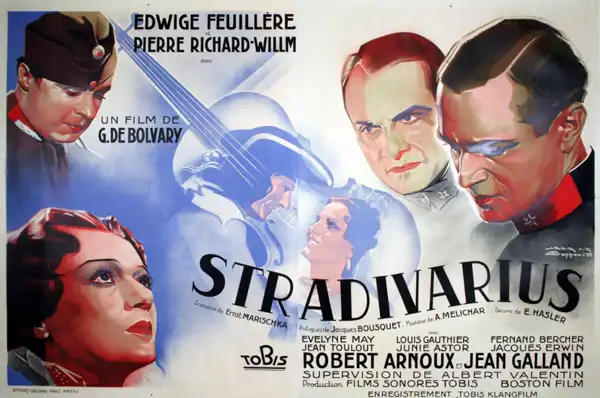
IMDb —
1935
Community
Log in to comment.