DbcultAccessing Vault...
Cult Review
Senior Film Conservator
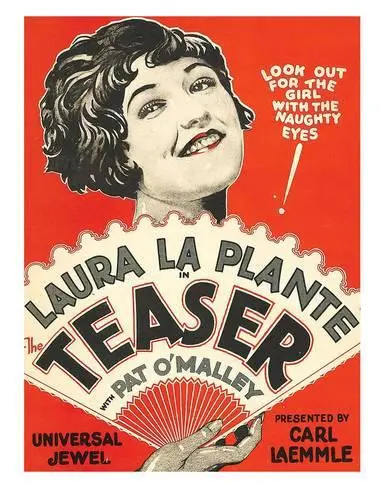
Short answer: yes, 'The Teaser' is absolutely worth watching today, but with significant historical context and a specific appreciation for its era. This film is for silent cinema enthusiasts, devoted fans of Janet Gaynor’s early work, and film historians keen on understanding the genesis of Hollywood storytelling. It is emphatically NOT for viewers seeking rapid-fire plots, complex narrative twists, or those who struggle to engage with the unique pacing and expressive conventions of silent film without a genuine interest in its artistry.
"The Teaser" arrives from the heart of the roaring twenties, a period of immense social and economic upheaval that found fertile ground in cinematic narratives. Directed by Lewis Milestone, who would later helm the monumental All Quiet on the Western Front, this early work offers a fascinating, if sometimes quaint, window into the era's anxieties and aspirations. The film’s premise, though simple, taps into a universal theme: the fall from grace and the struggle for dignity.
We are introduced to Ann Barton, portrayed by the luminous Janet Gaynor, a young woman whose family once enjoyed a life of privilege. Circumstance, however, has dealt a harsh blow, forcing her to accept a position behind the cigar counter of a bustling village hotel. This setting, a crossroads for various strata of society, becomes a microcosm of her new reality. Her daily routine is punctuated by the arrival of James McDonald, a salesman whose breezy confidence and handsome visage promise a potential disruption to her carefully constructed, albeit modest, life.
The film, even in its quiet moments, speaks volumes about the societal shifts post-World War I. Old money, represented by Ann’s lineage, is giving way to new forms of commerce and the rise of the entrepreneurial spirit, embodied by McDonald. The hotel lobby itself acts as a vibrant stage, showcasing the everyday dramas and fleeting connections that define this transitional period. Milestone’s early directorial choices, though not yet fully formed into the masterful hand we’d later recognize, already hint at a keen eye for character and environment, setting the tone for a narrative that prioritizes emotional resonance over grand spectacle.
If "The Teaser" offers one undeniable reason for its continued relevance, it is the performance of Janet Gaynor. Long before her Oscar-winning turn and iconic status, Gaynor here showcases an embryonic but utterly compelling talent. As Ann Barton, she is tasked with conveying a complex emotional landscape – pride, resignation, budding hope, and quiet resilience – all without the aid of spoken dialogue. It is a testament to her innate charisma and skill that she succeeds so admirably.
Gaynor’s portrayal of Ann is a masterclass in subtlety. Observe her initial interactions behind the cigar counter: her posture is erect, almost regal, a silent defiance against her reduced circumstances. Yet, a flicker in her eyes, a slight downturn of her lips, betrays the underlying melancholia. When James McDonald first approaches her, her initial guardedness isn't just aloofness; it’s a protective shell, a defense mechanism against a world that has already taken so much. This nuanced expression, achieved through delicate facial movements and eloquent body language, elevates Ann beyond a mere damsel in distress.
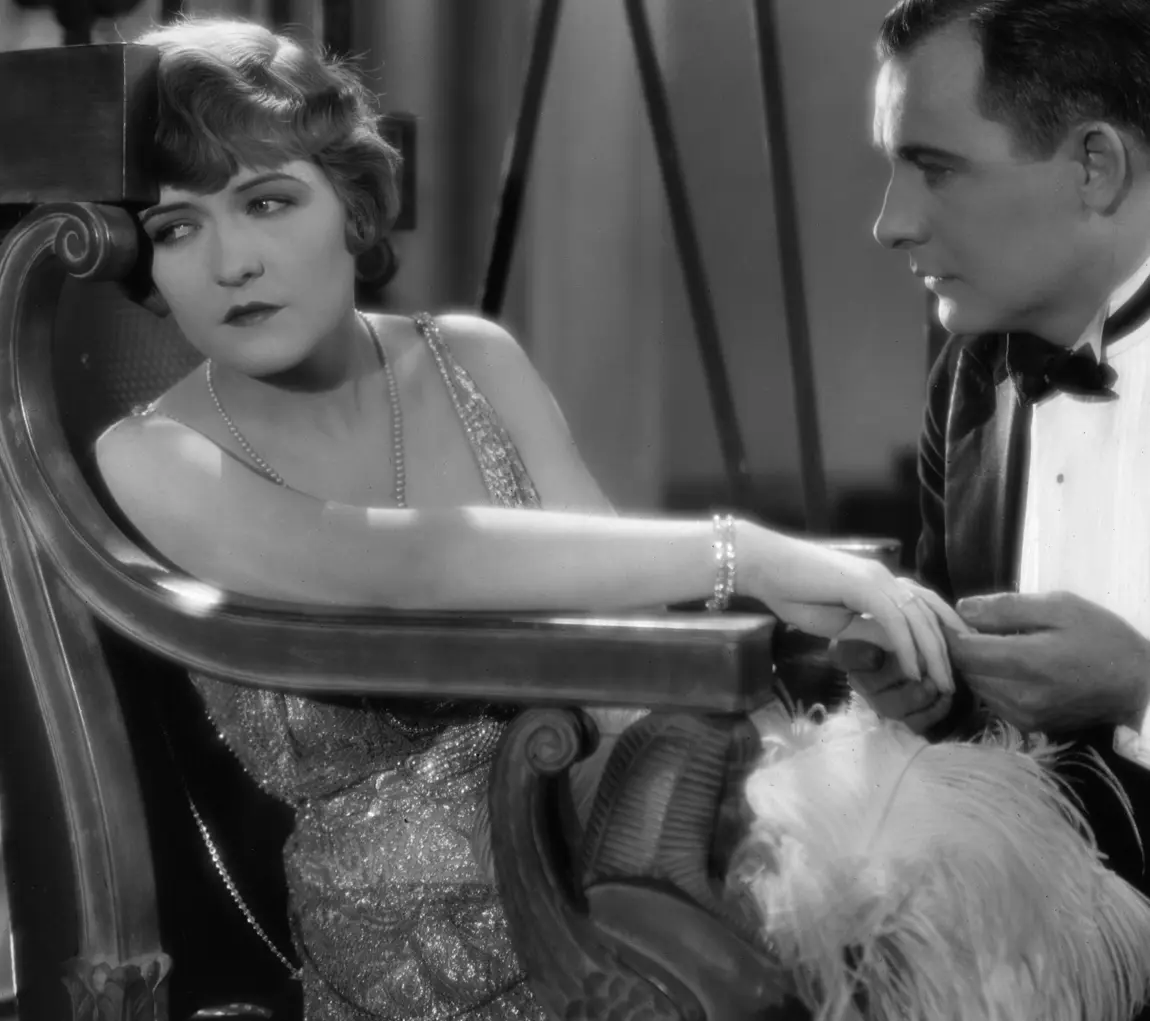
A particularly striking moment occurs when Ann, alone after a long day, catches a glimpse of her reflection. There’s no dramatic gesture, no overt weeping, but the quiet contemplation, the almost imperceptible sigh, speaks volumes about the weight she carries. It’s a moment that foreshadows the profound emotional depth she would bring to later roles in films like Freckles and even Pettigrew's Girl, establishing her as an actress capable of conveying inner turmoil with remarkable restraint. Her ability to command the screen with such quiet power is, frankly, astounding for an early career performance.
The burgeoning chemistry between Gaynor and Walter McGrail’s McDonald is palpable, built not on witty banter but on exchanged glances and tentative smiles. Gaynor allows Ann’s initial frostiness to thaw gradually, a slow, believable progression that feels earned. She doesn't suddenly transform; rather, she cautiously opens herself to the possibility of connection and a different future. This nuanced approach is why her character resonates, making her not just a plot device, but a fully realized individual within the constraints of the silent medium.
While Janet Gaynor is undoubtedly the gravitational center of "The Teaser," the supporting cast, though often playing archetypal roles, contributes significantly to the film's texture and atmosphere. Walter McGrail, as the breezy salesman James McDonald, provides the necessary counterpoint to Ann’s dignified reserve. McGrail embodies the quintessential charming rogue, but with just enough genuine warmth to make his advances believable rather than predatory. His performance is less about profound depth and more about embodying a certain type of American optimism – the go-getter, the man who makes his own luck.
The interactions between McDonald and Ann are particularly effective because McGrail doesn't overplay his hand. His initial flirtations are persistent but respectful, allowing Ann's defenses to erode naturally. A scene where he patiently waits for her to finish a transaction, offering a small, encouraging smile, highlights this dynamic beautifully. He's not just selling products; he's selling a vision of possibility.
The broader ensemble, including names like Hedda Hopper and Margaret Quimby, populate the bustling hotel lobby, transforming it into a living, breathing entity. These characters, though often given limited screen time, serve a crucial function in silent cinema: they provide context, create atmosphere, and reflect the social tapestry of the era. We see gossiping patrons, weary travelers, and local busybodies, each contributing to the sense that Ann's struggles are playing out against a vibrant backdrop of everyday life.
For instance, the brief glances and whispers exchanged among the hotel guests as Ann goes about her duties subtly reinforce her isolated status and the societal judgment she faces. These moments, often wordless, are powerful in their implications, demonstrating how a skilled director like Milestone could use background action to deepen the audience's understanding of the protagonist's emotional state. The effectiveness of these supporting roles lies not in individual character arcs, but in their collective ability to create a believable, immersive world for Ann's story to unfold within.
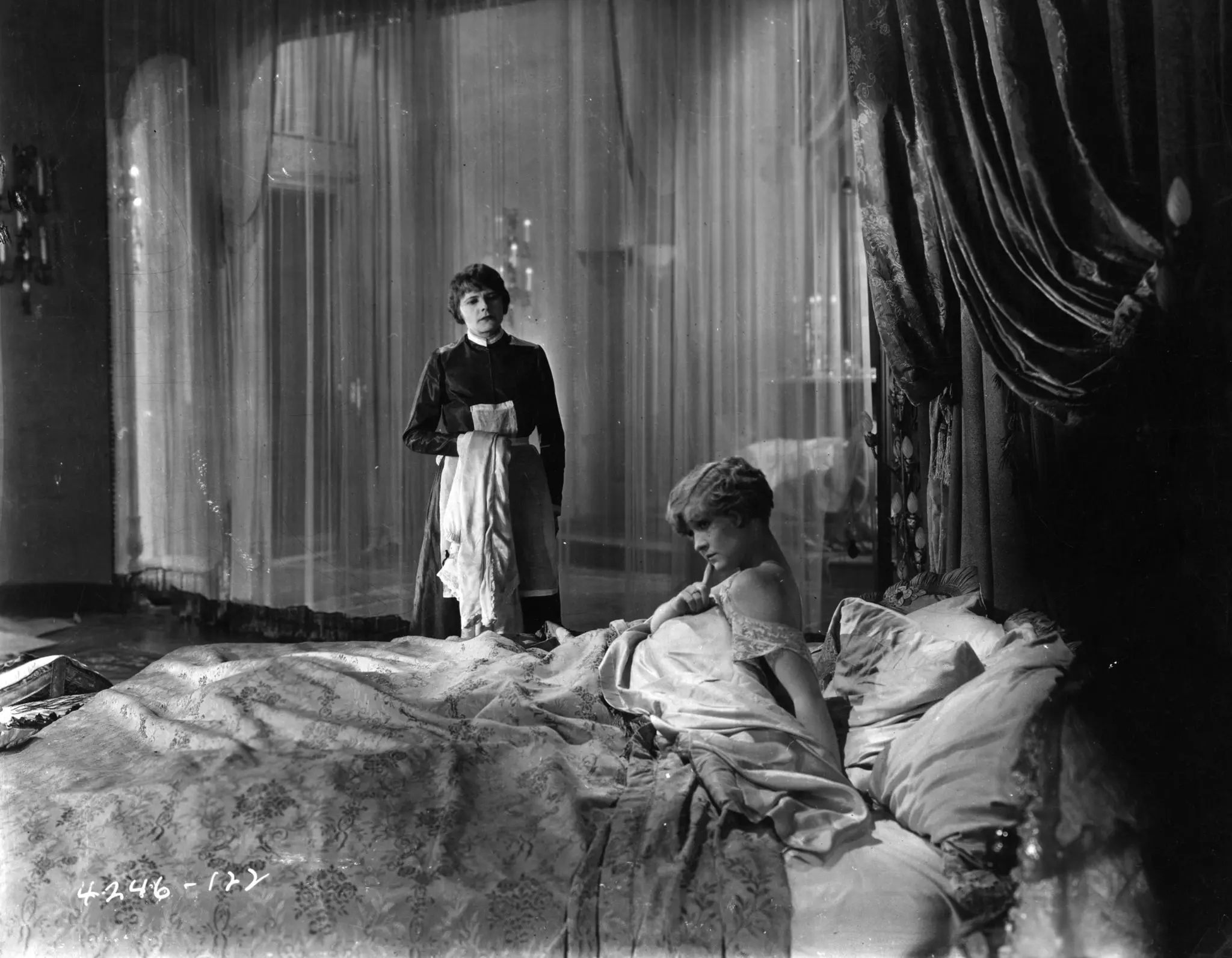
Lewis Milestone's direction in "The Teaser" is a fascinating glimpse into the early career of a filmmaker who would go on to achieve immense critical acclaim. While not as technically groundbreaking as some of his later works, his approach here is measured and effective, demonstrating a clear understanding of visual storytelling in the silent medium. Milestone's primary strength lies in his ability to frame the emotional core of the narrative, often using the physical environment to underscore Ann's internal state.
The contrast between Ann’s past and present is deftly handled through subtle visual cues. Though we don’t explicitly see her former life of luxury, Milestone often frames her within the somewhat cramped and utilitarian confines of the cigar counter, emphasizing her displacement. Conversely, shots of the bustling hotel lobby, with its grander architecture and more affluent patrons, serve to highlight what she has lost, creating a visual tension that resonates throughout the film. He doesn't need elaborate flashbacks; the staging itself tells the story.
Milestone also makes judicious use of close-ups, a technique crucial to silent cinema for conveying character emotion without dialogue. These aren't gratuitous; they are employed strategically to capture the nuances of Janet Gaynor’s performance, particularly her eyes, which become powerful conduits for her unspoken feelings. A close-up on Ann’s hand, meticulously arranging cigars, speaks volumes about her pride in her work, even if it's not the work she envisioned for herself.
The cinematography, while adhering to the conventions of 1925, is often quite thoughtful. The lighting, for example, is used to evoke mood. There are moments where Ann is bathed in a softer, almost melancholic light when she is alone, contrasting with the brighter, more dynamic lighting of the hotel lobby when McDonald is present. This subtle interplay of light and shadow helps to guide the audience's emotional response, adding layers to the visual narrative. Milestone's camera, even in this relatively early film, is never static without purpose; it observes, it reveals, and it often empathizes.
"Milestone's 'The Teaser' might not possess the dramatic flair of his later masterpieces, but it showcases a director already adept at coaxing powerful, understated performances and crafting visually intelligent narratives, proving that sometimes, less is indeed more."
The pacing of "The Teaser," like many silent films, is deliberate. It takes its time establishing Ann's predicament and the rhythms of her new life before introducing the catalyst of James McDonald. For modern audiences accustomed to rapid-fire editing and constant narrative propulsion, this can feel slow. However, this measured pace is precisely what allows for the subtle development of character and the gradual unfolding of Ann’s emotional journey.
The film’s tone is a blend of social drama and burgeoning romance, tinged with a distinct sense of early 20th-century melodrama. It never descends into overwrought sentimentality, largely thanks to Gaynor’s restrained performance. There's a quiet dignity to Ann's struggle that elevates the narrative beyond simple tear-jerking, rooting it instead in themes of resilience and self-respect. The "teaser" in the title, I would argue, refers less to a flirtatious act and more to the film's gentle teasing of fate, of the opportunities that lurk just beyond the mundane.
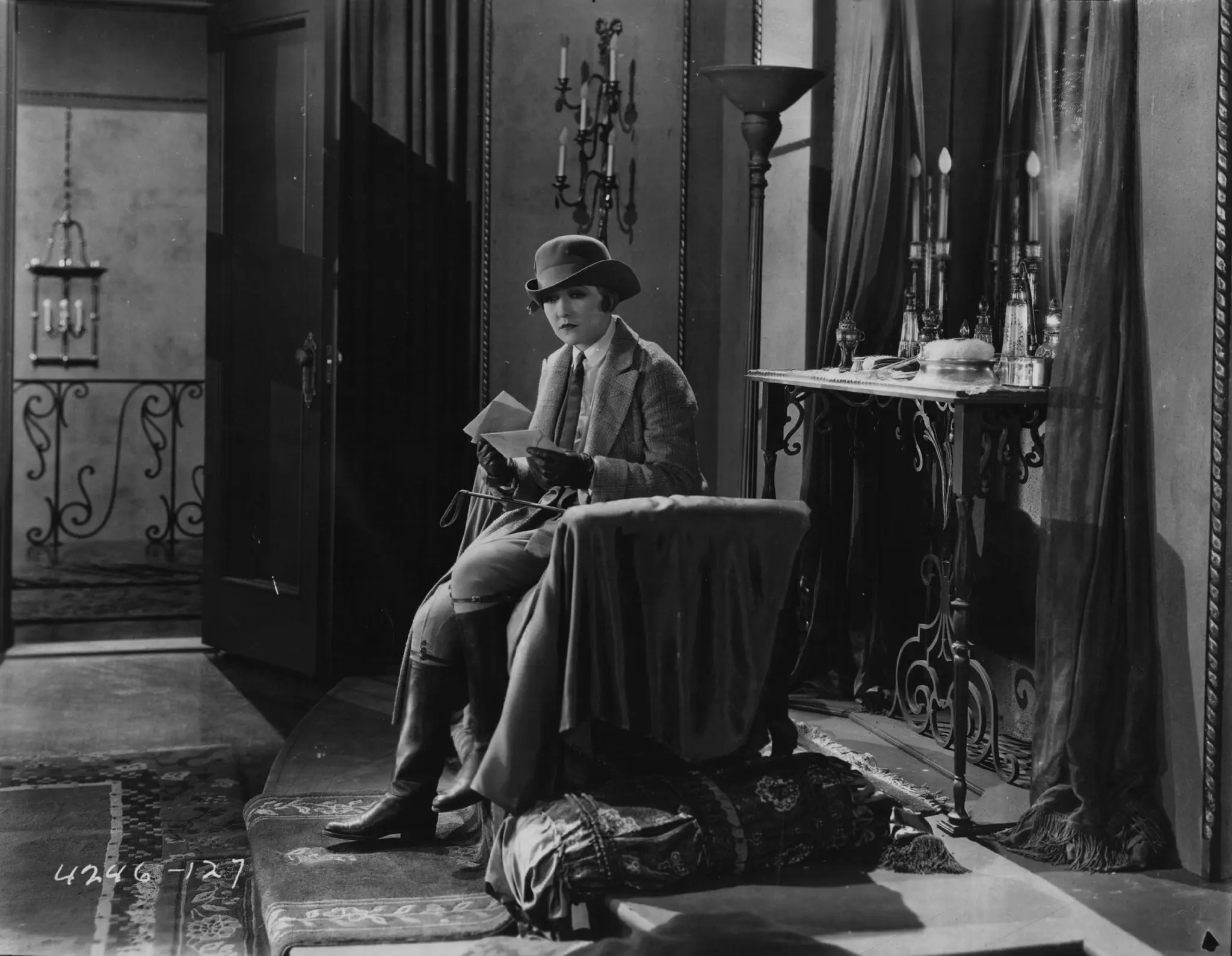
The narrative structure is fairly linear: introduction of Ann's plight, the recurring presence of McDonald, the slow building of their relationship, and the eventual implications of their connection. There isn't a complex web of subplots, which keeps the focus tight on Ann's internal and external conflicts. A crucial narrative beat is the gradual shift in Ann's demeanor. Initially, she is aloof, almost a statue behind the counter. But through McDonald's persistent, good-natured attention, we see her posture soften, a genuine smile break through, and a flicker of hope ignite in her eyes. This progression is not rushed, making it feel earned and authentic.
This film works because its unhurried pace allows the audience to truly inhabit Ann's world, to feel the weight of her circumstances, and to appreciate the small victories she achieves. It doesn't rely on grand gestures to convey emotion but trusts in the power of visual storytelling and the expressive capabilities of its lead actress. The tone, while melancholic at times, is ultimately one of quiet optimism, suggesting that even in adversity, connection and opportunity can blossom.
At its core, "The Teaser" is a meditation on class, resilience, and the ever-present allure of the American Dream in the 1920s. Ann Barton's fall from a "once-wealthy family" isn't just a plot device; it's a commentary on the fragility of inherited status and the economic shifts that were redefining societal hierarchies. Her position at the cigar counter isn't merely a job; it's a symbol of her reduced circumstances, yet also a testament to her agency and determination not to be completely broken by fate.
The cigar counter itself becomes a fascinating symbol. It's a place of commerce, of transient interactions, but also a point of contact with the wider world. For Ann, it's both a cage and a window. It represents her daily grind, but it also places her in the path of opportunity, personified by James McDonald. McDonald, the salesman, embodies a different kind of American success – one built on hustle, charm, and self-made ambition, rather than inherited wealth. He represents the new guard, the dynamic force challenging the fading aristocracy.
The film's portrayal of class struggle, however, is more romanticized than critical. It offers a comforting narrative where personal virtue and charm can transcend social barriers, rather than directly challenging the systemic inequalities of the era. While this might be seen as a flaw by some, it also speaks to the aspirational nature of much of Hollywood's early output – a desire to believe in individual triumph over adversity. The film suggests that true worth lies not in one's birthright, but in one's character and capacity for connection.
Ann's resilience is the driving thematic force. She maintains her dignity, even when performing menial tasks, and she approaches her interactions with a quiet strength. This unwavering spirit is what ultimately makes her compelling and what draws McDonald to her. The film, therefore, champions the individual's ability to adapt, to find purpose, and to forge a new path even when the old one has crumbled. It's a hopeful message, perhaps idealistic, but one that resonated deeply with audiences of the time and continues to hold a certain timeless appeal.
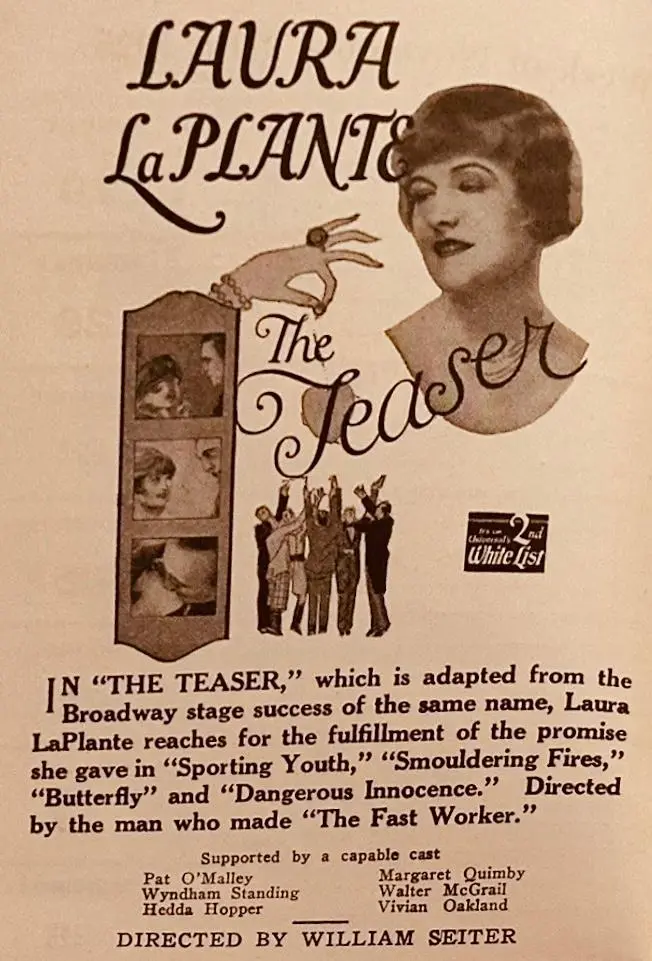
Absolutely, 'The Teaser' holds significant value for contemporary viewers, provided they approach it with the right lens. It's not a film to be consumed casually, but rather one to be studied and appreciated for its historical and artistic merits.
This film works because it offers an invaluable insight into the nascent stages of Hollywood's Golden Age, showcasing the foundational talents of both its lead actress, Janet Gaynor, and its director, Lewis Milestone. It also works as a poignant character study, demonstrating the enduring power of silent storytelling to convey complex emotions through purely visual means. The film's exploration of dignity amidst adversity and the quiet strength of its protagonist are themes that remain universally resonant.
Conversely, this film fails because its deliberate pacing might prove challenging for audiences unaccustomed to silent cinema's rhythm, potentially leading to disengagement. Furthermore, its narrative, while effective, can feel simplistic by modern standards, lacking the intricate plotting and psychological depth often expected in contemporary dramas. Some character motivations beyond the leads are also somewhat thinly sketched, relying on archetype rather than deep exploration.
You should watch it if you are a cinephile keen on tracing the evolution of film, if you appreciate the nuanced artistry of silent acting, or if you simply wish to witness a foundational performance from a true Hollywood legend. The quiet power of the film lies not in grand gestures, but in the micro-expressions and understated reactions that Gaynor so masterfully delivers, a quality often lost in the more overt performances necessitated by the advent of sound film.
Ultimately, "The Teaser" isn't a forgotten masterpiece that will universally redefine silent cinema, but it is far from a cinematic footnote. It’s a quiet, dignified film that rewards patience and a genuine appreciation for the artistry of its era. Janet Gaynor’s performance alone makes it a compelling watch, offering a powerful reminder of how much emotion could be conveyed without a single spoken word. Milestone’s early direction, while not yet at its peak, demonstrates a clear understanding of visual narrative and character empathy.
For those willing to immerse themselves in its unique charm and historical context, "The Teaser" offers a rich and rewarding experience. It serves as a testament to the enduring power of human resilience and the subtle magic of early Hollywood. It's a film that deserves to be rediscovered, not just as a historical artifact, but as a compelling piece of storytelling in its own right.
IMDb —
1927
Community
Log in to comment.