DbcultAccessing Vault...
6.4/10
Senior Film Conservator
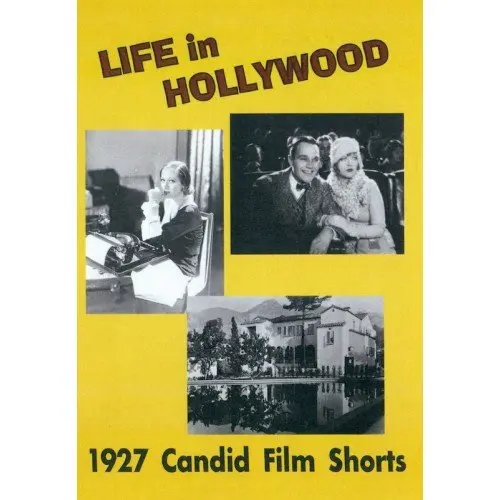
A definitive 6.4/10 rating for a film that redefined the boundaries of cult cinema. Life in Hollywood No. 5 remains a cornerstone of transgressive art.
Can a ten-minute silent documentary short, essentially a promotional film from a century ago, hold any real value for a modern audience? Short answer: yes, absolutely, but with a significant caveat. Life in Hollywood No. 5 is not a film in the traditional sense, but rather a precious historical artifact, a fleeting window into the very foundations of cinematic myth-making. It’s an experience for the curious, a journey back to the genesis of an industry that still defines global entertainment.
This film is unequivocally for the dedicated film historian, the silent cinema enthusiast, or anyone with a deep, abiding fascination for how Hollywood built its empire. It is NOT for casual viewers seeking modern narrative thrills, high-definition spectacle, or even coherent storytelling. Its appeal is purely academic, nostalgic, and observational.
In the nascent days of Hollywood, as the studio system rapidly consolidated power and influence, there was a palpable public hunger to understand the magic behind the silver screen. Audiences were captivated by the stars, the stories, and the sheer spectacle, but few truly grasped the industrial scale required to produce these dreams. Enter the 'Life in Hollywood' series, a collection of silent documentary shorts, of which Life in Hollywood No. 5 is a fascinating surviving entry.
These ten-minute films were essentially early forms of corporate public relations, designed to pull back the curtain just enough to fuel fascination, without revealing any trade secrets. They offered a 'back-seat tour' – a curated, sanitized, yet undeniably compelling glimpse into the inner workings of the major studios: MGM, Warner Bros., Universal, and others.
The purpose was clear: to showcase the immense scale, the advanced technology (for the time), and the sheer manpower involved in filmmaking. It was about building mystique, reinforcing the idea that Hollywood was a place of unparalleled glamour and efficiency, a true dream factory.
This film works because it provides an unvarnished (albeit controlled) look at the physical spaces and early processes of the studio system, offering invaluable context for understanding the economic and cultural forces that shaped early cinema.
This film fails because its brevity and promotional intent prevent any deep, critical engagement with its subject matter, leaving modern viewers with more questions than answers about the true complexities of studio life.
You should watch it if you are a film student, a historian, or simply someone who yearns to witness the physical birthplaces of cinematic legend, understanding that its value lies in its archival significance, not its narrative prowess.
To approach Life in Hollywood No. 5 with a critical lens requires a shift in perspective. We're not evaluating a narrative, but rather a piece of historical evidence, a carefully constructed piece of industrial self-portraiture. The 'directing' here isn't about character arcs or thematic depth; it's about framing, selection, and the implied narrative of progress and power.
The cinematography, while rudimentary by today's standards, is fascinating for its era. The camera is largely static, or performs simple pans, often mimicking the perspective of a visitor on a guided tour. We see sweeping shots of studio lots, vast backlots stretching into the distance, suggesting boundless space and endless possibilities. One can imagine the camera lingering on a particular administrative building at MGM, its imposing facade speaking volumes about the studio's corporate might, a stark contrast to the more chaotic, sprawling sets of Universal.
The 'acting' in this documentary is, of course, not acting at all in the traditional sense. Instead, we witness brief, often staged, appearances by figures like Dolores Del Río, Lupino Lane, or Victor McLaglen. These are not performances; they are cameos, carefully orchestrated moments designed to inject a touch of star power and relatability into what could otherwise be a dry industrial film. A fleeting shot of Del Río elegantly walking through a studio garden, perhaps offering a polite nod to an unseen crew member, serves to humanize the massive machinery, reminding audiences that behind the bricks and mortar were the very idols they adored.
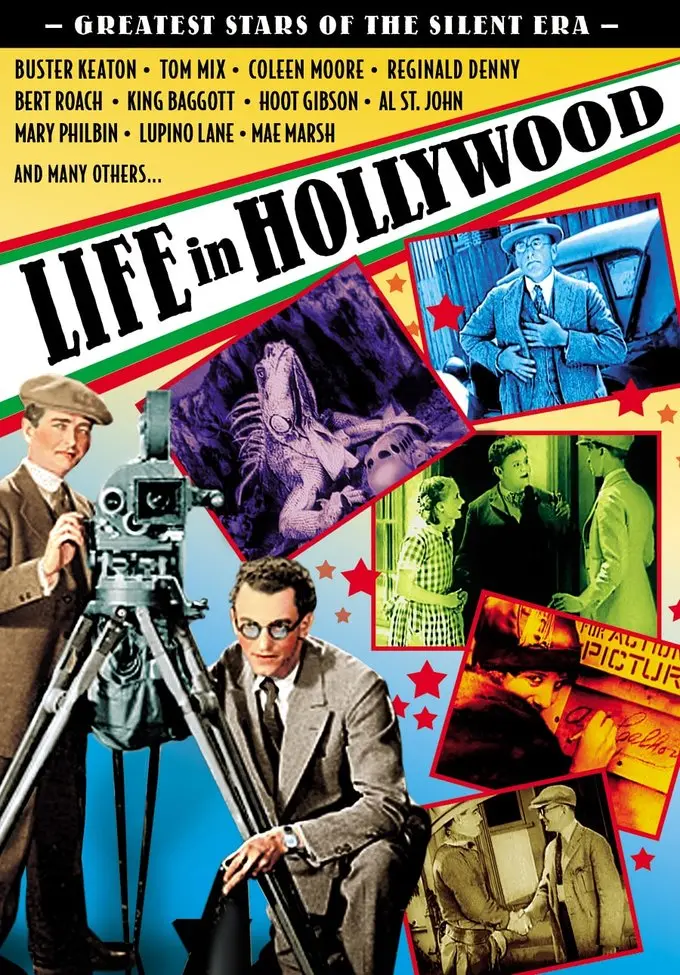
The pacing is necessarily brisk. Ten minutes demands efficiency. The film moves from one studio gate to another, from a glimpse of a soundstage (or rather, a silent stage) to a costuming department, then to a fleeting shot of a director like Raoul Walsh at work, presumably on a set, offering a tantalizing, almost voyeuristic, peek into the creative process. This rapid succession of images creates a sense of constant activity, of a bustling, efficient ecosystem.
The tone is overwhelmingly celebratory and awe-inspiring. There's no hint of the grueling hours, the creative frustrations, or the cutthroat politics that undoubtedly existed. This is Hollywood presenting its best face, a meticulously crafted image of glamour, professionalism, and boundless creativity. It's a testament to the power of early cinema to shape public perception, even of itself.
What struck me most profoundly was not the fleeting glimpse of a famous face, but the sheer architectural presence of these studios. The film inadvertently captures a unique intersection of industrial might and nascent artistry. The colossal soundstages, the rows of administrative buildings, the sprawling backlots filled with facades of various cities and eras – these were not just workplaces; they were physical manifestations of dreams. They were the cathedrals of a new religion, built by engineers and artists alike. The film, in its simple 'back-seat' perspective, allows us to appreciate the sheer audacity of building such empires from scratch, dedicated solely to the production of moving images.
It's a brutal truth that these structures, while functional, were designed to impress. They were part of the show themselves. The grandeur of the main gates at Warner Bros. or the iconic structures at Universal were as much a part of the Hollywood myth as the stars themselves. This short film, in its unassuming way, documents the physical embodiment of an emerging global cultural force.
While no writers are explicitly credited for Life in Hollywood No. 5, it's crucial to recognize that such a film was not made without intent. The 'writer' here is arguably the collective will of the studio system itself, dictating what should be shown and how. This isn't a neutral documentary; it's a promotional piece, a carefully constructed narrative of self-aggrandizement. The absence of traditional writers underscores its industrial, rather than artistic, genesis.
The film's value lies precisely in this lack of overt authorship. It reflects a collective industry mindset, a propaganda piece from an era when studios were learning to leverage their own image as much as their films. It’s a fascinating precursor to modern 'making-of' documentaries, but with a far more controlled and less self-aware gaze.
One cannot watch Life in Hollywood No. 5 without drawing parallels to how studios present themselves today. While the methods have evolved – from silent shorts to elaborate behind-the-scenes features, social media campaigns, and even studio theme parks – the fundamental impulse remains the same: to invite audiences into the magic, to foster a sense of connection, and ultimately, to sell more tickets.
Consider the meticulously crafted 'behind-the-scenes' content for a modern blockbuster, or the expansive studio tours offered at Universal Studios Hollywood. These are direct descendants of these early silent shorts. The key difference lies in transparency. Modern documentaries often strive for a veneer of authenticity, showing challenges and creative struggles. This silent short, however, presents an almost utopian vision, a smoothly operating machine where every cog fits perfectly.
It’s a debatable point whether the public was more genuinely mystified by Hollywood in the silent era, or if modern audiences, despite having more access, are still just as susceptible to the allure of the dream factory. I lean towards the latter; the human desire for escapism and wonder remains constant, and studios, then as now, are masterful at catering to it.
The film also serves as a stark reminder of the impermanence of physical spaces. Many of the specific buildings and sets glimpsed in this short have long since vanished, replaced by newer structures or entirely different developments. This makes the film even more valuable as a historical record, a ghost of Hollywood past.
Life in Hollywood No. 5 is a peculiar beast. It’s not a film you ‘enjoy’ in the conventional sense, nor is it a cinematic triumph of direction or performance. It is, however, an indispensable fragment of film history, a time capsule that allows us to peer into the very heart of early Hollywood’s self-perception. It works. But it’s flawed. Its value is entirely derived from its status as an archival document, a visual footnote in the grand story of cinema.
For those willing to engage with it on its own terms – as a historical artifact, a piece of early industrial propaganda, and a testament to the colossal ambition of the silent era studios – it offers a surprisingly rich experience. It’s a silent whisper from a bygone era, telling us not just what Hollywood was, but what it wanted the world to believe it was. Seek it out if you have a genuine interest in the foundations of the dream factory; otherwise, it’s best left for the dedicated scholar. It’s a foundational piece, but not for everyone. It’s a glimpse, not a journey.
IMDb 6.2
1936
Community
Log in to comment.