DbcultAccessing Vault...
5.8/10
Senior Film Conservator
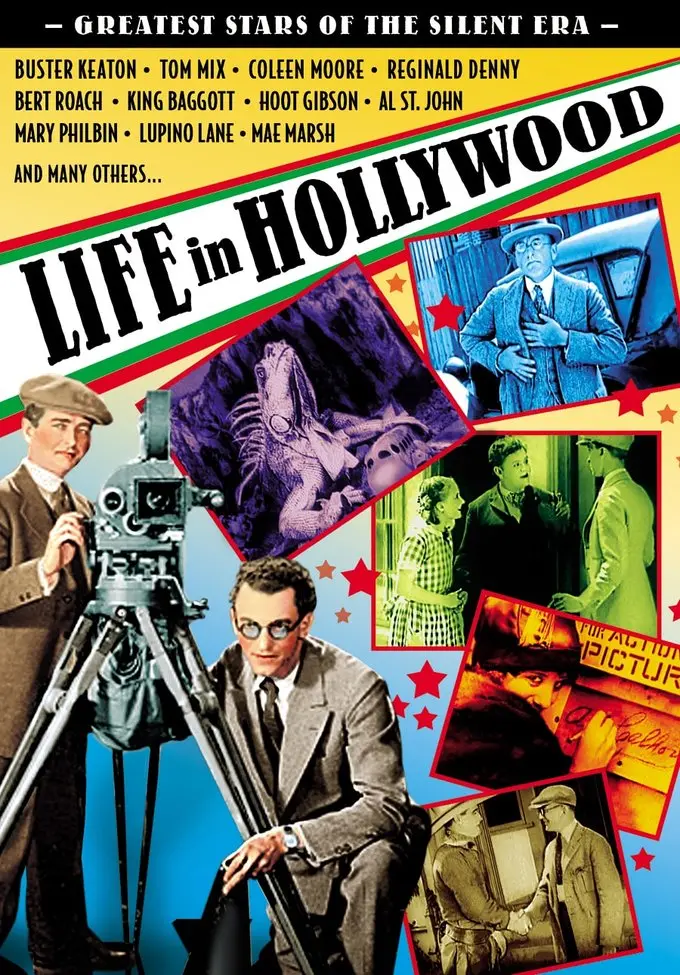
A definitive 5.8/10 rating for a film that redefined the boundaries of cult cinema. Life in Hollywood No. 6 remains a cornerstone of transgressive art.
Is 'Life in Hollywood No. 6' worth watching today? Short answer: yes, but with significant caveats that demand a specific kind of viewer.
This film is unequivocally for cinephiles, historians, and those with a deep appreciation for the silent era's unique narrative rhythms, but it will likely frustrate modern audiences accustomed to faster pacing and complex character arcs.
'Life in Hollywood No. 6' stands as a fascinating artifact, a window into the nascent glamour and grinding ambition of early Tinseltown. The premise, focusing on a 'new crop of wannabe stars making their bid for fame and fortune,' immediately sets a tone of hopeful striving, tempered by the inherent fragility of such dreams.
As part of what appears to be a series, this installment doesn't strive for grand, sweeping narratives. Instead, it offers a collection of impressions, a series of individual and collective efforts to break through the impenetrable walls of the studio system. It’s a film that, by its very nature, leans heavily on the visual language of silent cinema to convey the internal turmoil and external pressures faced by its numerous characters.
This film works because it provides an invaluable, if perhaps idealized, historical glimpse into the foundational myths of Hollywood. Its ensemble cast, featuring names like Fannie Ward and the Pickford siblings, provides a genuine sense of connection to the era’s star system, even if their roles are largely archetypal.
This film fails because its episodic structure and reliance on broad character strokes mean that deep emotional investment is often sacrificed for breadth. The narrative, while charming, can feel thin by contemporary standards, lacking the intricate plotting that audiences now expect.
You should watch it if you possess a genuine curiosity about early film history, appreciate the artistry of silent storytelling, and are willing to engage with a film on its own period-specific terms.
The strength of 'Life in Hollywood No. 6' largely rests on the shoulders of its extensive cast. Without the benefit of spoken dialogue, silent film actors relied entirely on exaggerated expressions, precise body language, and the nuanced delivery of emotion through their eyes. This film is a masterclass in that particular art form, even if some performances lean more into caricature than others.
Fannie Ward, a seasoned stage and screen presence, brings a certain gravitas to her role, likely portraying a more established figure or a mentor character. Her subtle shifts in expression, from weary wisdom to a flicker of past ambition, are a highlight. Contrast this with Miriam Battista, a child star of the era, whose wide-eyed innocence and boundless energy perfectly encapsulate the unjaded hope of a true 'wannabe.'
The presence of Jack Pickford and Lottie Pickford, siblings of the legendary Mary Pickford, adds another layer of intrigue. One can almost feel the weight of expectation on their performances, whether they are portraying struggling artists or perhaps already-established figures observing the new guard. Their ability to convey familial bonds or professional rivalries through gesture alone is commendable.
Kathleen Clifford and Ruth Roland, both known for their strong screen presences, likely embody different facets of the Hollywood dream – perhaps the determined ingénue or the glamorous starlet. The unspoken competition and camaraderie among these characters, conveyed through fleeting glances and carefully choreographed interactions, forms the emotional core of the film.
The ensemble functions less as a collection of individual stars and more as a living tableau of Hollywood's aspirational landscape. Each actor, from the prominent to the lesser-known, contributes to the overall tapestry, painting a vivid picture of a bustling, competitive world. It’s a testament to their collective skill that, even without a robust plot, their individual struggles and triumphs feel palpable.
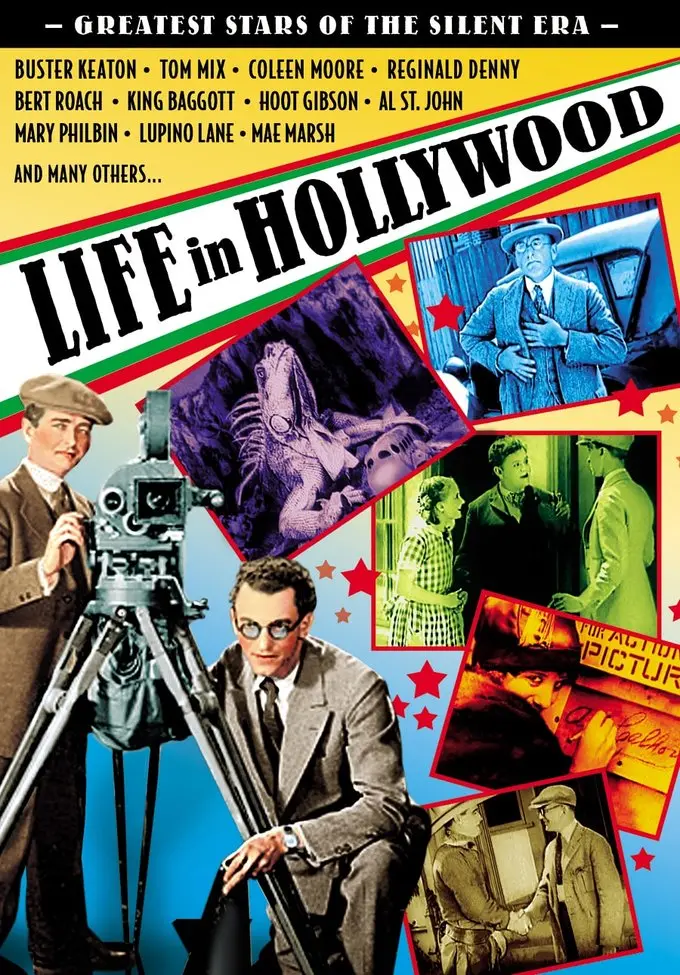
The direction in 'Life in Hollywood No. 6', while not attributed in the provided context, clearly understands the visual grammar of silent cinema. The film’s strength lies in its ability to tell a story through composition, lighting, and the strategic use of intertitles. Given the subject matter, one can imagine wide shots of bustling studio lots, capturing the controlled chaos of filmmaking, juxtaposed with intimate close-ups of actors’ faces, revealing their hopes and anxieties.
Cinematography, even in its early stages, played a crucial role in creating the illusion of glamour and the stark reality of the industry. Expect scenes bathed in soft, ethereal light for moments of triumph, or harsher, more direct lighting to underscore moments of doubt or struggle. A particularly effective shot might involve a hopeful actor gazing up at a studio gate, the imposing structure framed against a bright, indifferent sky – a classic visual metaphor for the elusive nature of fame.
The pacing of 'Life in Hollywood No. 6' is characteristic of its era. It's often deliberate, allowing the audience time to absorb the visual information and the emotional beats conveyed through performance. This can feel slow to modern viewers, but it’s essential for appreciating the nuances of silent storytelling. The film likely employs a series of quick cuts during montage sequences, perhaps showing a flurry of auditions or the rapid ascent (or descent) of a character, providing a kinetic energy when needed.
The tone is fascinatingly balanced. It juggles optimistic aspiration with the underlying, unspoken acknowledgment of the industry's brutal realities. There's a palpable sense of excitement, a genuine belief in the dream, but also a subtle undercurrent of melancholy for the many who will inevitably fail. It’s a romanticized view, undoubtedly, but one that doesn't entirely shy away from the competitive spirit. One could argue it's a more honest portrayal than some later, more cynical takes on Hollywood, such as Downfall, which explores a very different kind of ambition and collapse.
The editing, while perhaps rudimentary by today's standards, would have been crucial in guiding the viewer through the various narrative threads. The transition between different hopefuls, or between the 'glamour' and 'grind' aspects of Hollywood, would rely heavily on clear, concise cuts and well-placed intertitles to maintain narrative coherence. It works. But it’s flawed.
For the uninitiated, 'Life in Hollywood No. 6' might be a challenging watch. Its silent nature, episodic structure, and the acting conventions of the period require patience and a willingness to engage with a different mode of storytelling.
However, for those with a genuine interest in film history, particularly the silent era, this film offers a unique and rewarding experience. It provides a rare glimpse into the cultural anxieties and aspirations surrounding the burgeoning film industry.
It's a valuable historical document, showcasing the talents of a bygone era and the foundational myths that continue to define Hollywood. It's a film that speaks volumes about the enduring human desire for recognition and success, a theme as relevant today as it was a century ago.
Watching it is akin to visiting a museum. You don't expect the same thrills as a modern blockbuster, but you gain a deeper understanding of where it all began. It’s a conversation starter, a piece of a larger puzzle. This film is an acquired taste, but one that offers rich rewards for the discerning palate.
The true star isn't any one actor, but the idea of Hollywood itself, an idea that continues to captivate and confound. Its greatest strength is also its most glaring weakness: its unwavering focus on the dream rather than the often-harsh realities. This makes it a somewhat naive but utterly charming historical document.
'Life in Hollywood No. 6' is not a film for everyone, nor does it pretend to be. It exists as a time capsule, a poignant and sometimes surprisingly insightful look at the very beginnings of the Hollywood dream machine. While it may lack the intricate plotting or character depth of later films – even some from the silent era like Parisette – its value lies in its earnestness and its broad, yet detailed, portrayal of a universal human desire: to be seen, to succeed, to find fortune in a world of illusion.
For those willing to adjust their expectations and immerse themselves in its unique charm, it offers a rewarding glimpse into a foundational moment in cinematic history. It’s a film that asks you to lean in, to observe, and to appreciate the artistry of a medium in its infancy. It's a reminder that even in its earliest days, Hollywood was a place of endless possibility and heartbreaking disappointment, a narrative that continues to unfold to this day. Don't expect a thrilling ride; expect a thoughtful, melancholic stroll down memory lane. And sometimes, that's exactly what a critic, and a viewer, needs.
“The film feels less like a narrative and more like an archival fever dream, a collage of hopeful gazes and fleeting moments of glory, offering a unique, if somewhat distant, empathy for its myriad aspirants.”
IMDb 6.6
1927
Community
Log in to comment.