DbcultAccessing Vault...
5.7/10
Senior Film Conservator
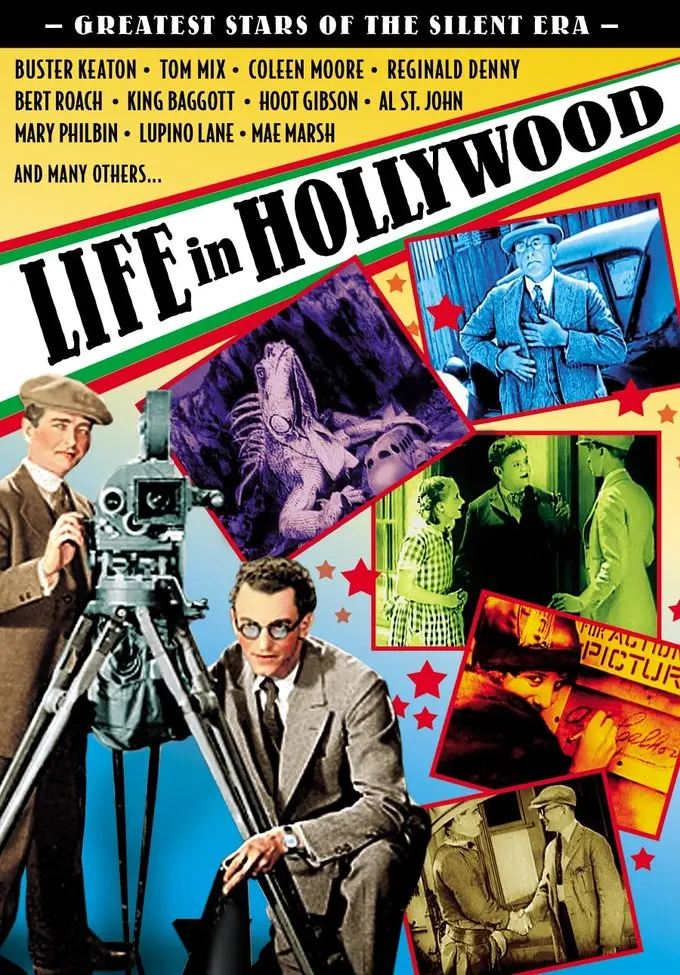
A definitive 5.7/10 rating for a film that redefined the boundaries of cult cinema. Life in Hollywood No. 7 remains a cornerstone of transgressive art.
Is Life in Hollywood No. 7 worth watching today? Absolutely, for anyone fascinated by the mechanics of early Hollywood, though the film’s meandering structure may test modern patience.
This film works because it captures the chaotic energy of a 1920s studio lot with a remarkable ensemble cast.
This film fails because its narrative threads compete for attention, resulting in a pacing that feels more like a montage than a cohesive story.
You should watch it if you appreciate period pieces that prioritize atmosphere over tight plotting.
The short answer is a cautious yes. Life in Hollywood No. 7 offers a rare glimpse into the backstage machinations of silent‑era stardom, a subject that modern audiences rarely see outside of documentaries. The film’s greatest strength lies in its authentic set pieces: the frantic costume‑change room, the smoky rehearsal hall, and the glittering gala that feels like a time capsule. However, the very abundance of characters—over twenty named players—means that many storylines never fully resolve. If you can tolerate a few narrative loose ends, the film rewards you with unforgettable moments of raw performance.
Bebe Daniels delivers a performance that oscillates between bright optimism and quiet desperation. In the scene where she rehearses a melodramatic line while the camera swivels around her, Daniels’ eyes convey a silent plea for relevance—a moment that feels more honest than any intertitle could express. Aileen Pringle, meanwhile, embodies the icy elegance of a studio diva; her stare during the heated argument with Philo McCullough (who tries to usurp her spotlight) is a masterclass in silent‑film menace.
Ruth Roland’s comedic timing shines in the backstage mishap where a rolling prop cart nearly knocks over a set piece, prompting a frantic scramble that ends in a perfectly timed pratfall. It works. But it’s flawed. The supporting cast—Madge Bellamy, Dorothy Mackaill, and Victor McLaglen—provide texture, yet their arcs are often truncated, leaving you craving more depth.
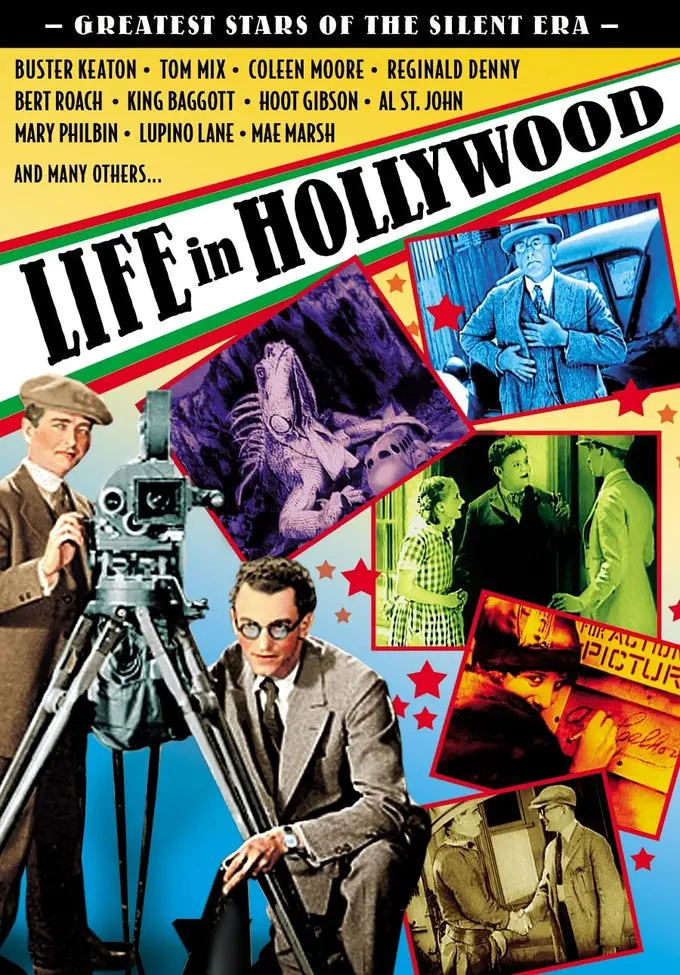
Director Robert Z. Leonard (who later helmed Im weißen Rößl) employs a kinetic camera that follows actors through the studio lot like a bustling street. The opening tracking shot, which sweeps from the loading dock to the glittering set of a period drama, establishes a rhythm that feels alive. Yet, after this dazzling start, the film settles into a series of vignettes that lack connective tissue.
An unconventional observation: the film’s pacing mirrors the very industry it depicts—rapid bursts of excitement followed by long, contemplative lulls. This structural choice is daring, but it alienates viewers who expect a tighter narrative arc.
Cinematographer Conrad Nagel captures the glitz of the Hollywood gala with soft focus and strategic backlighting, giving the scene an ethereal quality that feels ahead of its time. In contrast, the rehearsal room is shot with harsh, high‑contrast lighting, emphasizing the grind behind the glamour. One standout element is the use of mirrors in the costume‑change sequence: actors’ reflections multiply, symbolizing the multiple personas each star must juggle.
The film oscillates between satire and earnest drama. The satirical moments—like the over‑the‑top melodrama of a director shouting “More emotion!”—feel razor‑sharp, while the earnest moments, such as a quiet exchange between a young actress (Dorothy Mackaill) and an aging studio exec (Edward Connelly) about fading relevance, hit with genuine pathos.
A debatable opinion: Life in Hollywood No. 7 is more successful as a sociological document than as a narrative film. Its strength lies in the authenticity of its set pieces, not in its story arcs.
Yes, if you appreciate a vivid portrait of 1920s studio life and can overlook its sprawling storyline. The film excels in atmosphere and performance but struggles with narrative focus.
Life in Hollywood No. 7 is a fascinating artifact that offers both a window into the silent‑era studio system and a cautionary tale about the perils of over‑ambitious ensemble storytelling. Its visual flair and standout performances make it a worthwhile watch for cinephiles, yet its uneven pacing and under‑cooked subplots may deter casual viewers. In short, it works as a historical showcase, but it falters as a cohesive drama. If you can separate the film’s documentary‑like moments from its narrative shortcomings, you’ll find a rewarding, if imperfect, slice of Hollywood history.
IMDb —
1913
Community
Log in to comment.