DbcultAccessing Vault...
6.5/10
Senior Film Conservator
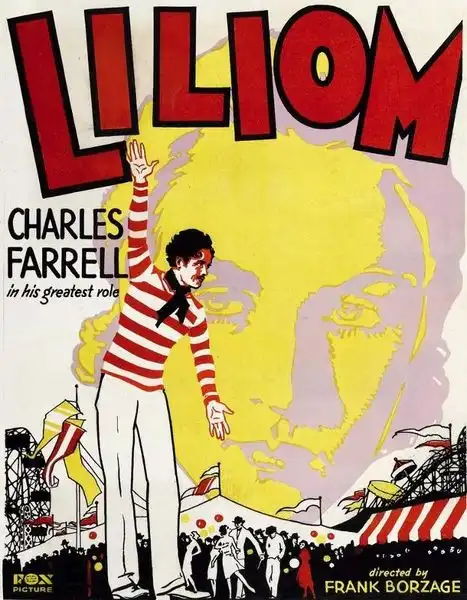
A definitive 6.5/10 rating for a film that redefined the boundaries of cult cinema. Liliom remains a cornerstone of transgressive art.
You should probably watch this if you have a soft spot for movies that feel like they were filmed inside a snow globe. It is definitely for people who like seeing how old-school directors tried to film the afterlife before CGI ruined everything.
If you hate slow acting or guys who act like big tough babies, you will probably want to turn this off after ten minutes. It is a very specific vibe.
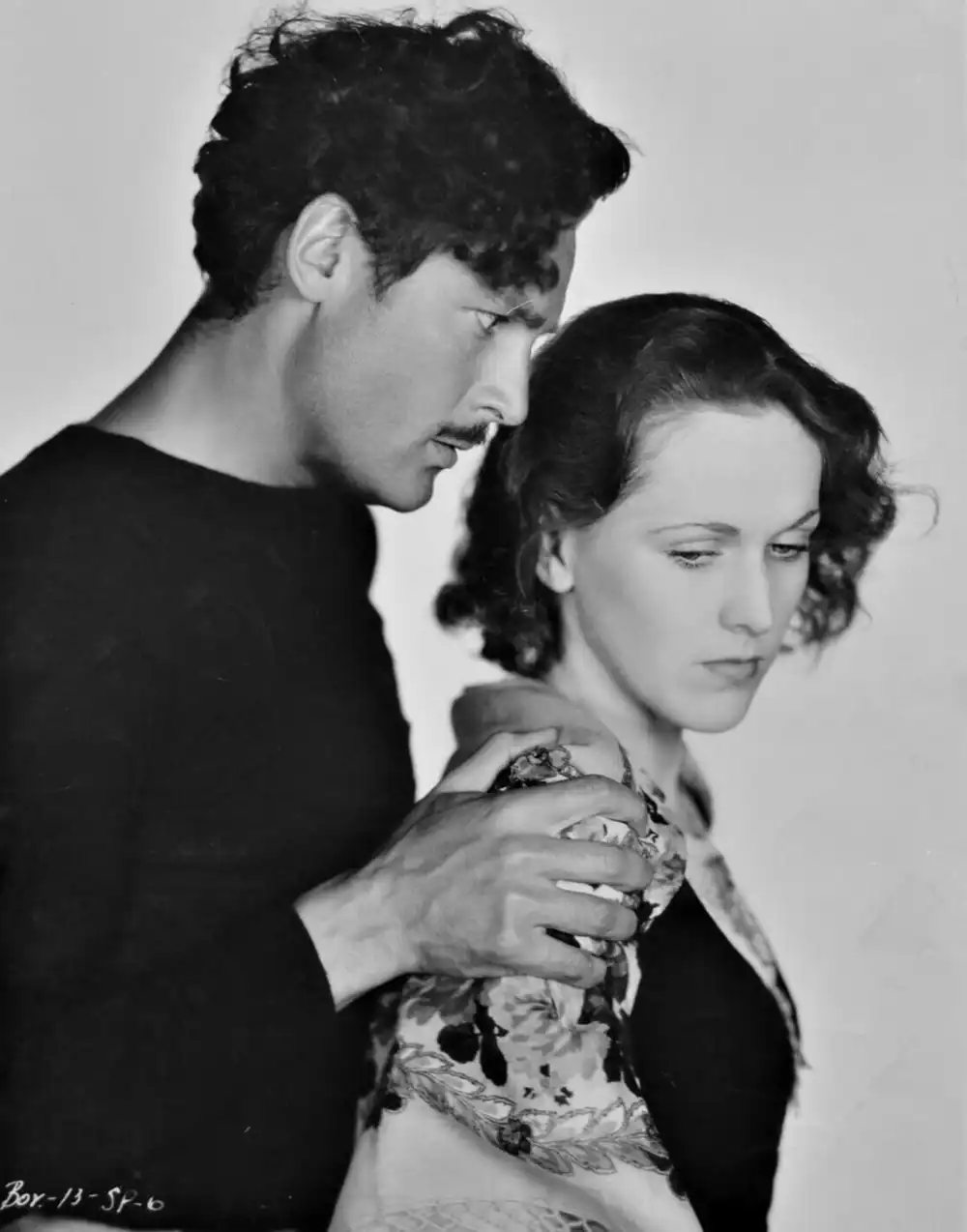
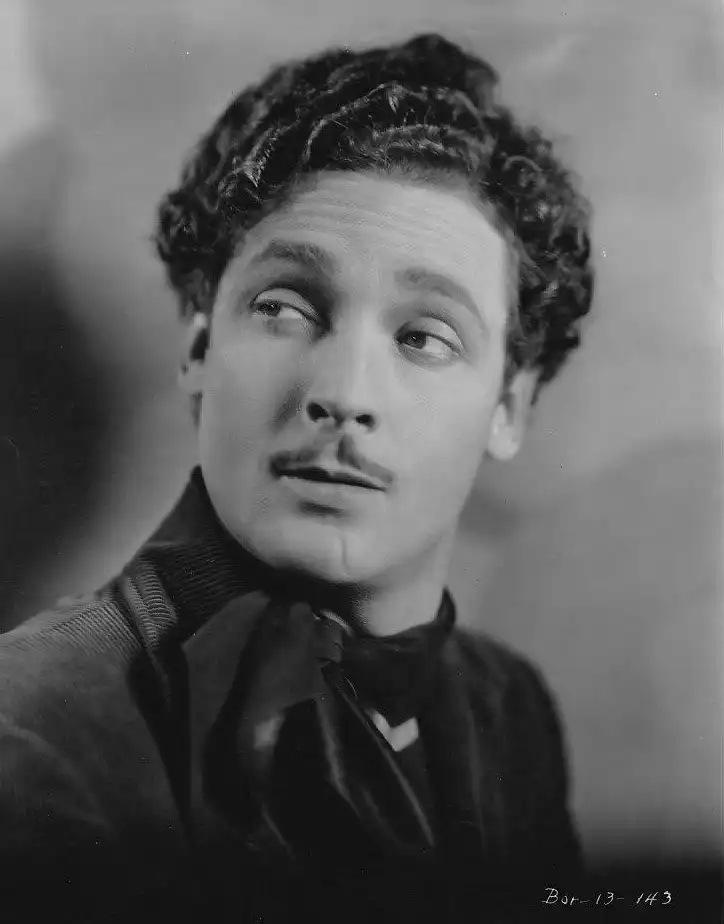
Charles Farrell plays Liliom. He has this curly hair and a swagger that feels a bit put-on, like a kid wearing his dad's boots.
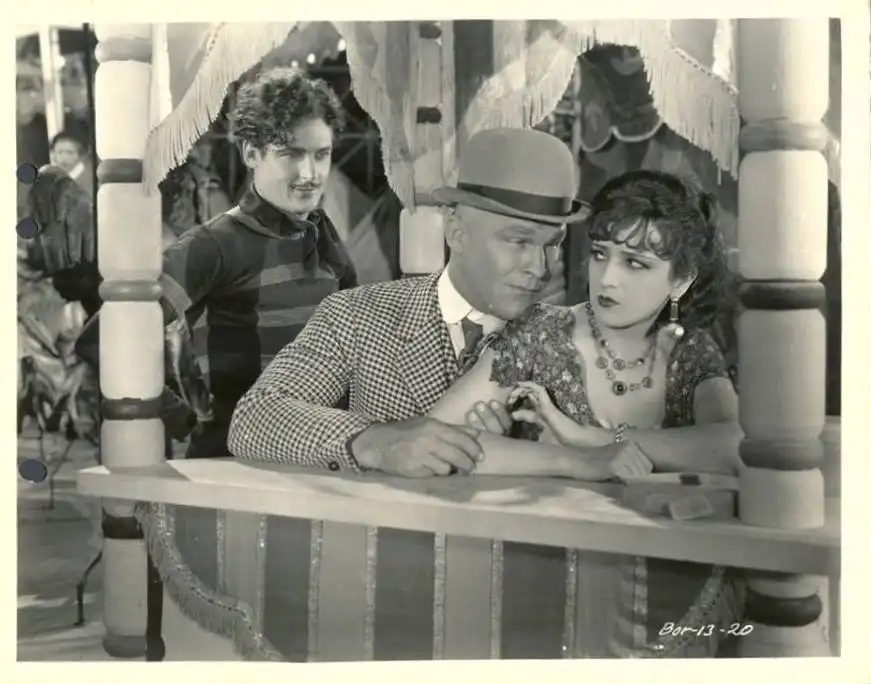
He works at a carousel. He is basically the king of the carnival until he gets fired for being a flirt.
The movie starts out feeling like a regular drama, but there is this strange fog over everything. It is like the sets are breathing.
I noticed that the carnival scenes have so many people moving in the background. It feels crowded and sweaty, even though it is a black and white film from nearly a hundred years ago.
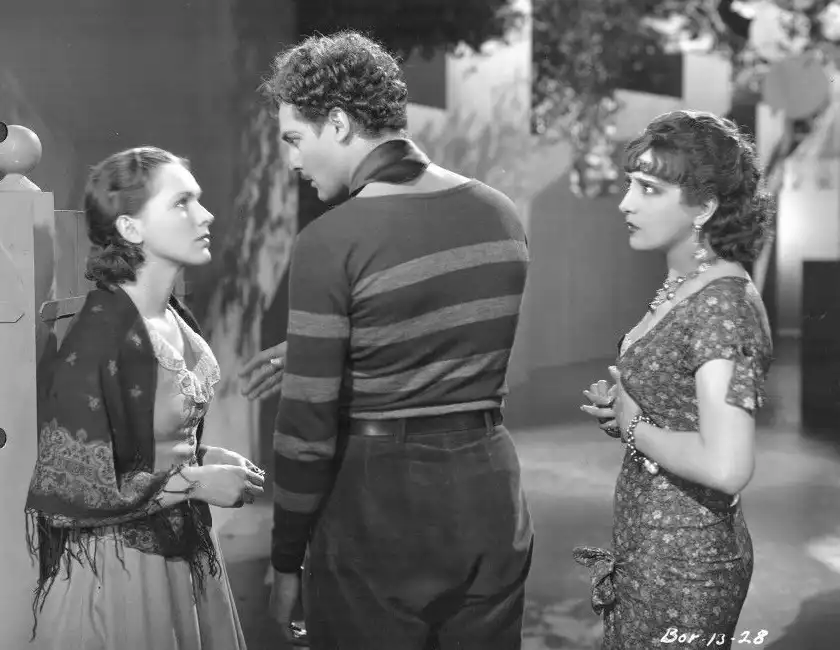
Liliom meets Julie, played by Rose Hobart. She has these wide eyes that seem to see right through his nonsense.
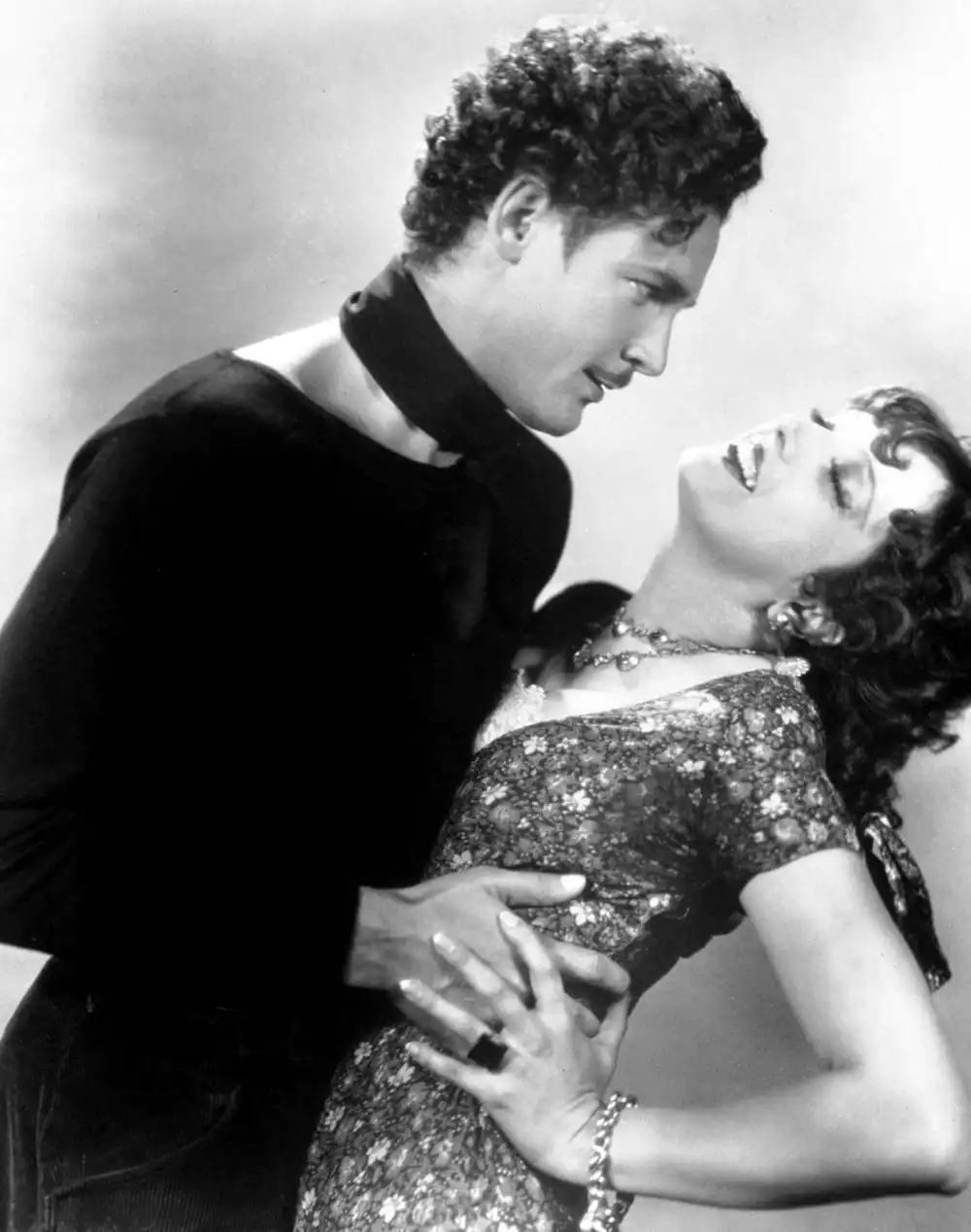
They get married, and things get depressing pretty fast. Liliom is not a good husband; he is actually kind of a jerk.
He finds out she is pregnant. This is where he decides the best way to be a dad is to rob a bank.
The robbery scene is so awkward. They are waiting under a bridge, and you can tell Liliom is terrified even though he is acting tough.
It goes wrong, obviously. He ends up killing himself because he can't face the consequences.
This is where the movie gets really interesting. Most movies would just end there with a sad violin.
But then these two guys in suits show up. They look like heavenly detectives or maybe just very polite debt collectors.
They take him to a train. A literal train that goes into the clouds.
The special effects here are so charmingly clunky. You can see the edges of the cutouts, but it somehow makes it feel more like a real dream.
The train ride feels longer than it needs to be. I found myself looking at the cardboard stars in the background.
He gets to the 'Heavenly Court.' It looks like a giant, empty office building with really high ceilings.
It reminded me a bit of the atmosphere in The Blues, just that feeling of being somewhere you don't belong. There is no music in this part, just the sound of footsteps.
The 'Magistrate' is this old guy who doesn't seem impressed by Liliom at all. He tells him he has to spend sixteen years in the 'fires' to think about what he did.
Sixteen years is such a specific, weird number. Not ten, not twenty. Sixteen.
The movie skips ahead, and we see his daughter has grown up. She is played by Anne Shirley (billed as Dawn O'Day here).
Liliom gets his one day back on Earth. He is supposed to do something good to prove he isn't a total waste of space.
But he is still Liliom. He hasn't really learned how to be kind.
He tries to give his daughter a star he stole from heaven. It is literally a glowing star he just has in his pocket.
She gets scared of him because he looks like a creepy stranger. Then he hits her hand because he gets frustrated.
It is a very uncomfortable moment. You want to root for him, but he makes it so hard.
The movie tries to tell us that the slap felt like a kiss because it came from love. I don't know about that; it felt pretty icky to watch today.
The ending is very bittersweet. He has to go back to the afterlife, leaving them with just a memory.
I kept thinking about Smilin' Through while watching the ghost stuff. That movie handles the 'returning from the dead' thing with a bit more romance, I think.
Liliom is much grittier, despite the flying trains. It feels like a movie about a guy who just can't get out of his own way.
The lighting in the final scene is incredible. The way the shadows stretch across the garden makes it feel like the world is ending.
Farrell is better at the end than at the beginning. He looks tired and truly sorry, which is a big change from his carnival barker energy.
I wonder if people in 1930 found the heaven scenes funny or serious. To me, they felt like a fever dream.
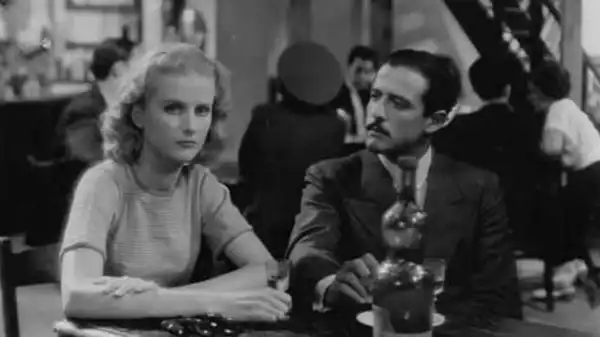
There is a scene earlier with a bunch of people at a table that felt like Three Women. Just that heavy, silent tension where nobody is saying what they actually mean.
I also noticed how much they use the sound of the carousel organ. It gets distorted and creepy when things go south.
The movie isn't perfect. Some of the dialogue is really stiff and sounds like they are reading from a book.
And the pacing is a bit all over the place. The middle section drags quite a bit before he dies.
But once he is on that train, I couldn't look away. It is just so bold for a movie from that era.
It reminded me of the strange regal vibes in His Royal Highness, but much darker. There is a sense of fate that you can't escape.
I liked the small details, like how the heavenly guards smoke cigarettes. Even in the afterlife, people have bad habits, I guess.
The daughter's reaction to the 'star' was heart-breaking. She just wanted her mom to be happy.
Is it a masterpiece? Probably not. It is too messy for that.
But it is a memorable mess. I will be thinking about that office-building heaven for a long time.
If you want something that feels like a play but looks like a painting, give it a go. Just don't expect a happy ending where everyone gets a hug.
It’s a story about a man who dies before he learns how to be human. That is pretty heavy for a movie with a toy star in it.
It's definitely better than some of the other stuff from that year, like maybe The Impersonation. At least this one takes big risks with the visuals.
Final thought: I wish we still made movies that weren't afraid to look fake if it meant they felt more real emotionally.
IMDb 6.5
1935
Community
Log in to comment.