DbcultAccessing Vault...
Cult Review
Senior Film Conservator
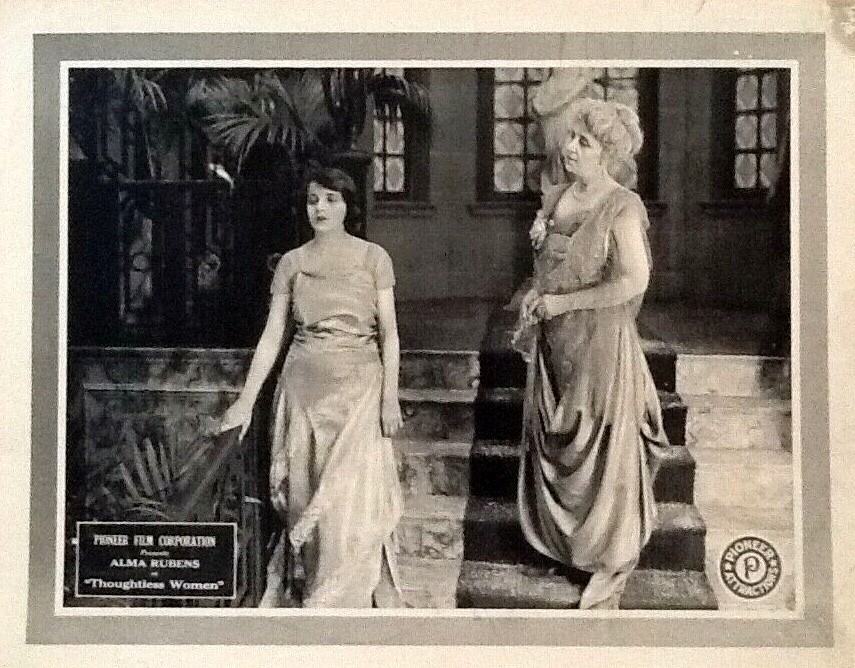
The cinematic landscape of Thoughtless Women is a rich and nuanced one, filled with complex characters and morally ambiguous themes. At its center is Annie Marnet, a young woman played by Mathilde Brundage with a depth and vulnerability that is both captivating and heartbreaking. Annie's journey is one of self-discovery and growth, as she navigates the treacherous waters of her new family and the societal expectations that govern her life.
One of the most striking aspects of Thoughtless Women is its exploration of class and social status. The film presents a scathing critique of the wealthy elite, who are portrayed as shallow and materialistic. The character of Annie's husband, played by Robert Williams, is a particularly notable example of this, as he is driven solely by his desire for wealth and status, without any regard for the feelings or well-being of those around him. This is in stark contrast to the character of the banker, played by Eddie Boland, who is kind and genuinely interested in Annie's happiness.
The film's use of color and lighting is also noteworthy, with a muted palette that reflects the drab and unfulfilling nature of Annie's life. The dark orange hues of the interior scenes serve to heighten the sense of tension and unease, while the yellow tones of the exterior scenes provide a sense of hope and optimism. The sea blue of the banker's office, meanwhile, serves as a symbol of calm and tranquility, highlighting the peaceful and serene nature of this character.
In terms of its place within the broader cinematic landscape, Thoughtless Women can be seen as part of a larger tradition of films that explore the complexities of women's lives and the societal expectations that govern them. Films such as The Root of Evil and Marta of the Lowlands also deal with these themes, although they approach them from slightly different perspectives. Thoughtless Women, however, is notable for its nuanced and multifaceted portrayal of its female characters, who are given a depth and complexity that is all too often lacking in films of this era.
The supporting cast of Thoughtless Women is also worthy of note, with strong performances from Gladys Valerie and Alma Rubens as Annie's mother and sister-in-law, respectively. The character of Lady Vere-de-Vere, played by Merceita Esmond, is also a notable addition to the cast, serving as a symbol of the corrupting influence of wealth and privilege. The film's script, written by Daniel Carson Goodman, is also noteworthy, with a nuanced and complex exploration of the characters and their motivations.
In comparison to other films of the era, Thoughtless Women stands out for its thoughtful and nuanced portrayal of the human condition. Films such as The Firebrand and Love Me also deal with themes of love and relationships, although they approach them from a more simplistic and melodramatic perspective. Thoughtless Women, on the other hand, presents a complex and multifaceted exploration of these themes, one that is both deeply moving and intellectually stimulating.
The film's pacing and tone are also well-handled, with a slow-burning tension that builds to a dramatic and emotionally resonant conclusion. The dark orange hues of the final scenes serve to heighten the sense of drama and urgency, while the yellow tones of the final shot provide a sense of hope and optimism. The sea blue of the banker's office, meanwhile, serves as a symbol of calm and tranquility, highlighting the peaceful and serene nature of this character.
Overall, Thoughtless Women is a film that is both deeply moving and intellectually stimulating. With its nuanced and complex portrayal of the human condition, its thoughtful exploration of class and social status, and its strong performances from the cast, it is a must-see for fans of drama and social commentary. Whether you are interested in the cinematic landscape of the era, or simply looking for a film that will challenge and engage you, Thoughtless Women is a film that is sure to leave a lasting impression.
In addition to its many strengths, Thoughtless Women is also a film that is notable for its historical significance. As a product of the silent era, it provides a unique glimpse into the social and cultural norms of the time, and serves as a powerful commentary on the limited options and opportunities available to women. The film's portrayal of the societal expectations that govern women's lives is both deeply moving and deeply disturbing, highlighting the need for greater equality and freedom.
The film's influence can also be seen in later works, such as Little Women and The Squaw Man's Son, which also deal with themes of women's lives and societal expectations. Thoughtless Women, however, is notable for its nuanced and multifaceted portrayal of its female characters, who are given a depth and complexity that is all too often lacking in films of this era.
In conclusion, Thoughtless Women is a film that is both deeply moving and intellectually stimulating. With its nuanced and complex portrayal of the human condition, its thoughtful exploration of class and social status, and its strong performances from the cast, it is a must-see for fans of drama and social commentary. Whether you are interested in the cinematic landscape of the era, or simply looking for a film that will challenge and engage you, Thoughtless Women is a film that is sure to leave a lasting impression. For more information on this and other films, be sure to check out our reviews of The Glory of Yolanda and The $1,000,000 Reward.
IMDb 5.7
1933
Community
Log in to comment.