DbcultAccessing Vault...
5.2/10
Senior Film Conservator
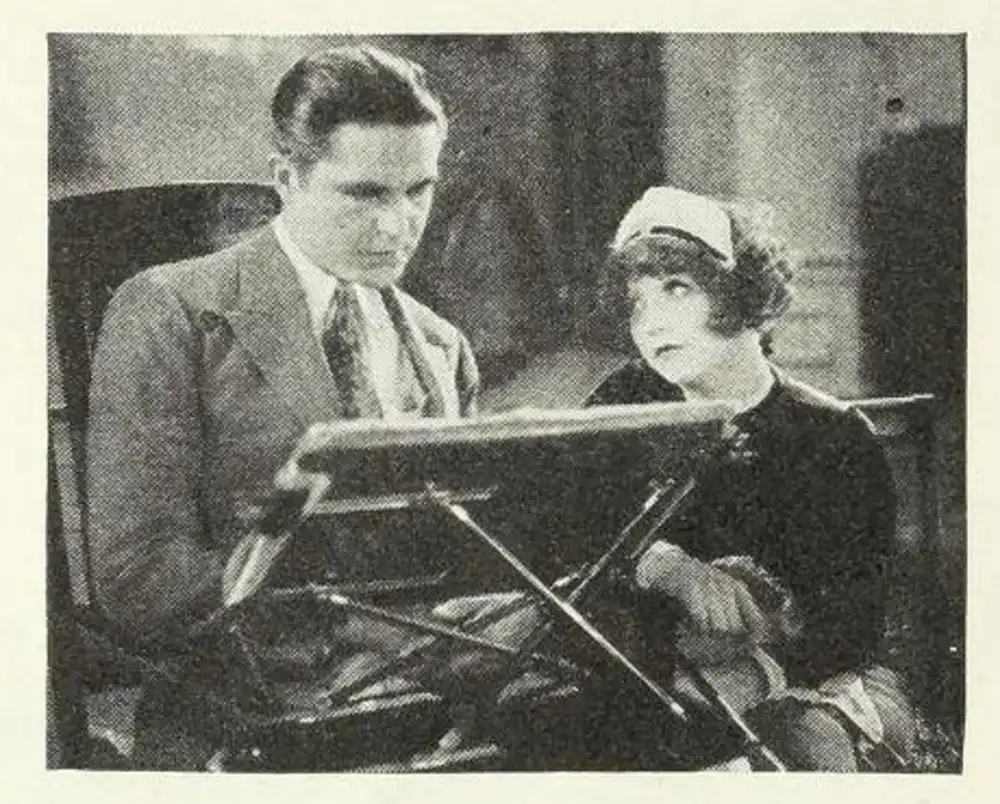
A definitive 5.2/10 rating for a film that redefined the boundaries of cult cinema. Lingerie remains a cornerstone of transgressive art.
Okay, so Lingerie (1928) – this one, right? If you’ve got a real soft spot for those old, old movies, the kind where the acting is big and the story unfolds without a spoken word, then yeah, _you might find something here_. It's a look at pre-code drama, all about secrets and reputation. But if you need snappy dialogue and, you know, _sound_, then honestly, this silent picture will feel like a chore. Best for silent film buffs, not casual watchers, no sir.
The movie kicks off with Angelique – played by Alice White, who, honestly, has this really _earnest_ way about her. She's working in what feels like a fancy department store, but you kinda get the drift it’s more than just selling slip-dresses, you know? There's a certain **wink-wink, nudge-nudge** to the whole setup.
Her whole deal is trying to escape a past she'd rather forget. Which, in 1928, probably meant a lot more than just a bad haircut. She meets this perfectly nice, upstanding fellow and marries him. Happy ever after, right? _Not so fast_.
Enter Malcolm McGregor as the past-lurking villain. He plays it with this *smarmy confidence*, a real snake in the grass. Every time he showed up on screen, I just kept thinking, “Oh, here we go again.” His eyebrows alone did half the acting.
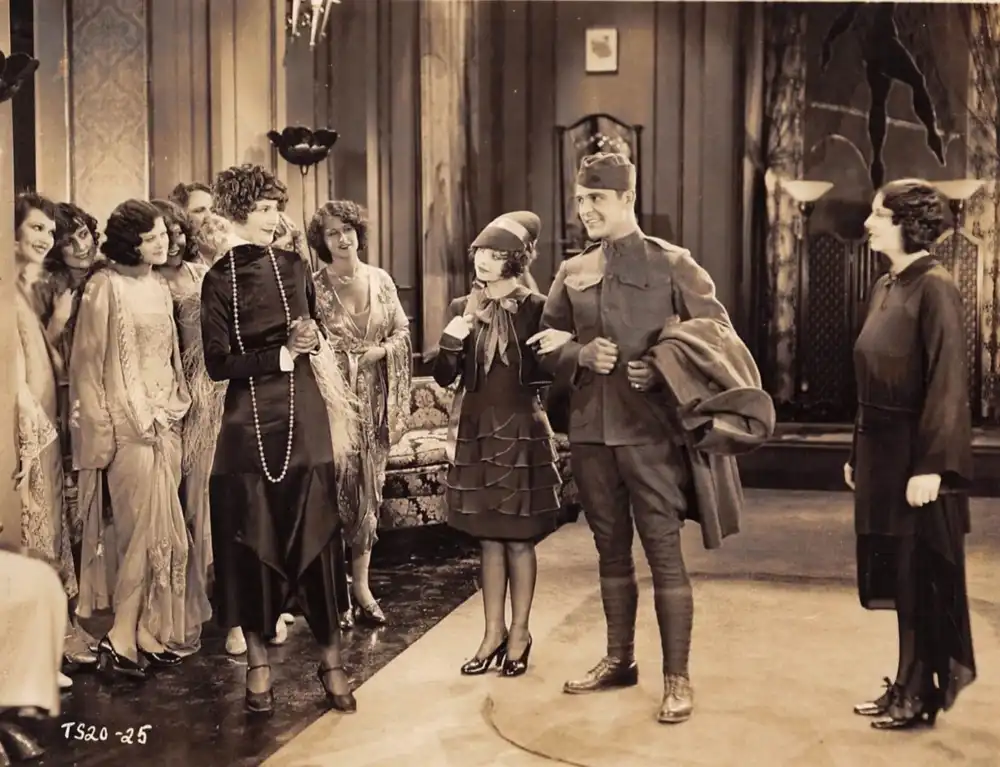
There's this one scene, I remember it pretty well, where Angelique is trying to fend him off. The way Alice White uses her hands, sort of pushing him away but also covering her face, it’s _really expressive_. You feel her desperation, even without sound. It's a masterclass in silent film acting right there.
Sometimes the pacing feels a bit… uneven. Like, a long shot of someone just standing there, thinking. Then suddenly, it's a flurry of activity. It gives you time to really soak in the faces, though, which is kinda cool. 🧐
And the “lingerie” itself? By today's standards, it's pretty tame. More like elegant nightgowns than anything truly scandalous. But you can imagine back then, it was _quite the thing_. The film uses it as a symbol, not just actual clothing, for Angelique's 'unseemly' past.
The whole plot hinges on these letters, these bits of proof from her past. You just want her to burn them! But no, of course, they get into the wrong hands. Classic. It’s a simple story, really, but it keeps you watching, wondering if she'll actually get out of this mess.
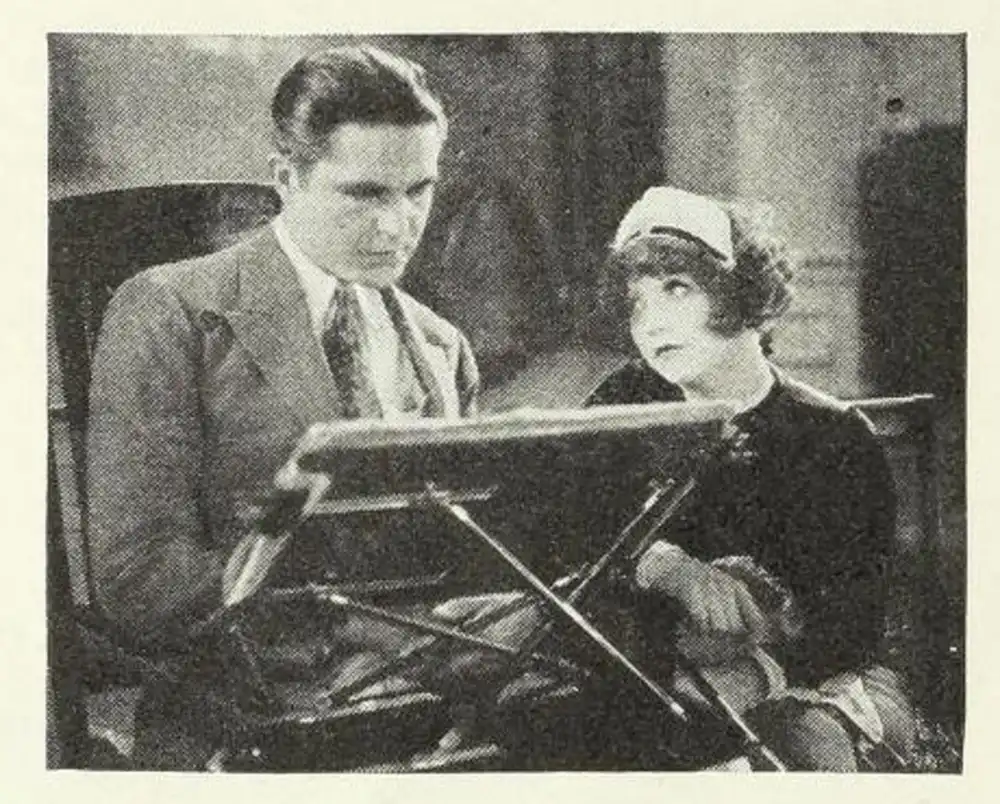
Kit Guard, the detective, shows up a bit later. He's got that classic gumshoe vibe, even without the trench coat and fedora, you know? He just sort of _materializes_ when things get complicated. His role feels a little underwritten, but he serves his purpose.
The melodrama really ratchets up towards the end. There's a climax that involves… well, let’s just say it gets dramatic. You can almost feel the director saying, “Okay, _this_ is the big moment, folks!” 🎬 It goes on a tad long, but you can forgive it.
What struck me wasn't just the plot, but how much emotion Alice White could convey. Her wide eyes, the way her shoulders slump. You see it all. It really just shows you what they could do with pictures alone back then, no talking needed.
It’s not perfect, certainly. Some of the secondary characters kinda blend together, and the motivation for the villain feels a little thin beyond just being a jerk. But for a silent film, it holds up as a solid piece of drama. A real window into 1928 anxieties about reputation.
The final shot leaves you with a certain feeling of... well, not exactly closure, but a sense that things will be okay. Or maybe they won't. It’s left a bit ambiguous, which I kinda dug. A nice touch for a film from that era.
IMDb 5.1
1935
Community
Log in to comment.