DbcultAccessing Vault...
3.4/10
Senior Film Conservator
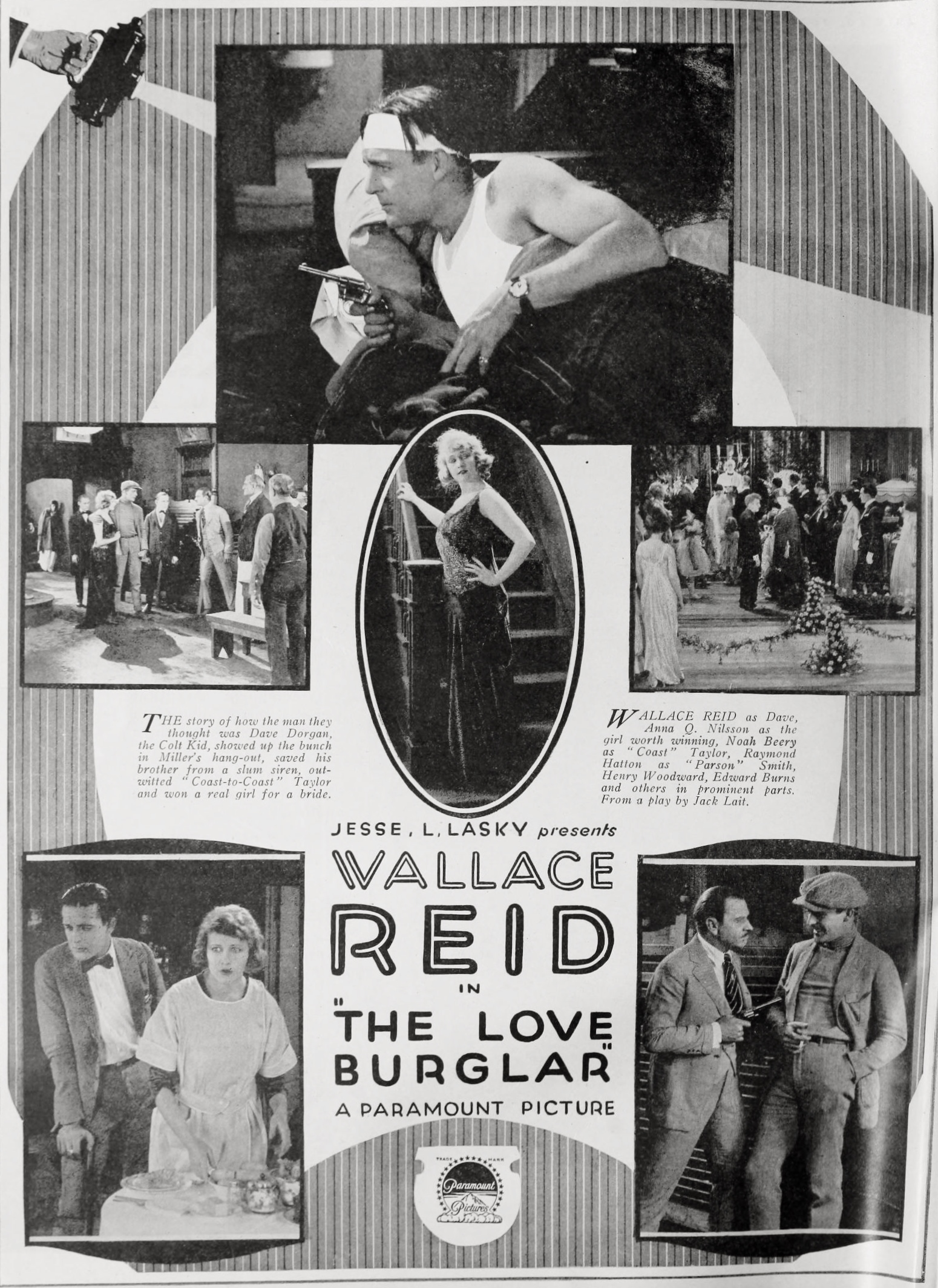
A definitive 3.4/10 rating for a film that redefined the boundaries of cult cinema. The Love Burglar remains a cornerstone of transgressive art.
In the pantheon of early American cinema, 1919 stands as a pivotal year—a bridge between the burgeoning techniques of the previous decade and the polished sophistication of the 1920s. Within this transformative era, The Love Burglar emerges not merely as a genre piece, but as a sophisticated exploration of identity, class, and the performative nature of morality. Directed with a keen eye for atmospheric tension, the film leverages the undeniable magnetism of Wallace Reid, the 'King of Paramount,' whose presence here anchors a narrative that could easily have drifted into melodrama without his grounded, albeit dashing, performance.
The premise of a socialite descending into the depths of the criminal world is a trope that has seen countless iterations, yet here it feels remarkably fresh. Unlike the more overt heroics found in Soldiers of Fortune, where the stakes are geopolitical, The Love Burglar internalizes the conflict. It focuses on the psychological weight of the disguise. Reid’s character, David Strong, isn't just playing a part; he is testing the boundaries of his own character. When he adopts the mantle of a convicted burglar, the film utilizes lighting and set design to reflect his internal shift—moving from the bright, airy spaces of wealth to the claustrophobic, shadow-drenched tenements of the underworld.
This transition is visually arresting. The cinematography captures the grit of the gangland hideouts with a realism that was rare for its time. We see the influence of European aesthetics beginning to seep into Hollywood, where the environment acts as an antagonist. The underworld is depicted not as a cartoonish lair, but as a living, breathing organism of desperation. This contrasts sharply with the lighter fare of the period, such as Meatless Days and Sleepless Nights, which played with social anxieties in a far more whimsical manner.
The narrative engine truly ignites when Alice Terry enters the frame. As Joan, her character provides the necessary emotional counterpoint to Reid's kinetic energy. Terry, who would later become a legend of the silent screen, displays a nuanced restraint here. The revelation that she, too, is an interloper in this den of thieves adds a layer of irony that elevates the film above standard crime fare. Their interactions are a masterclass in silent communication; every glance is heavy with the fear of discovery and the relief of finding a kindred spirit. It is a far more intimate portrayal of shared secrets than one might find in the broader strokes of Money Isn't Everything.
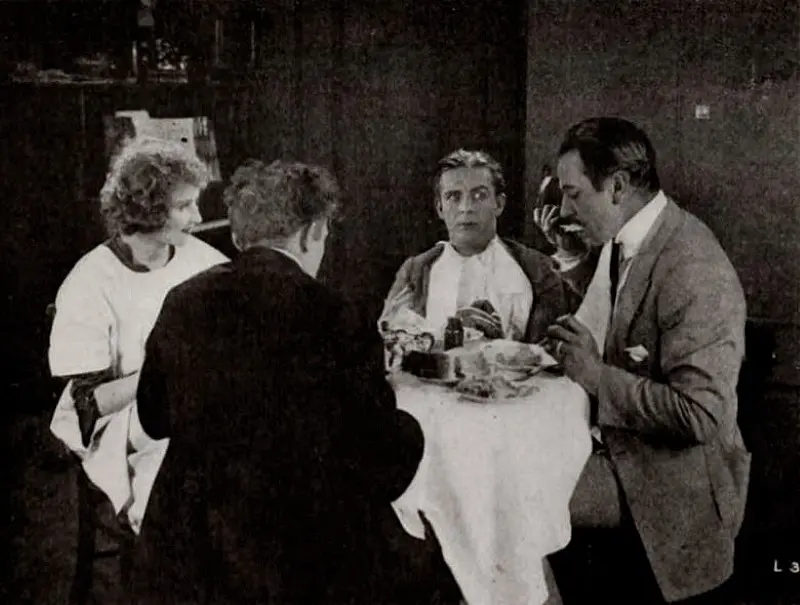
The supporting cast, featuring the likes of Wallace Beery, brings a visceral threat to the proceedings. Beery, even in this early stage of his career, possessed a screen presence that felt dangerous. His portrayal of the gang leader provides a stark contrast to Reid’s refined features, emphasizing the danger inherent in David’s mission. The threat of violence is always simmering just beneath the surface, a quality shared with the rugged outdoor tensions of The Man from Bitter Roots.
The screenplay, penned by Walter Woods and Jack Lait, avoids the pitfalls of excessive title cards, allowing the visual storytelling to carry the burden of the plot. This economy of language is what makes the film feel modern even a century later. They understood that the 'love' in the title wasn't just a romantic subplot but the primary motivator for redemption. While a contemporary film like 5,000 Reward focused on the external chase, The Love Burglar focuses on the internal heist—the stealing of a heart under false pretenses.
The pacing is deliberate, building a sense of dread as the underworld begins to suspect the truth. There is a specific sequence involving a planned robbery where the tension is palpable. The way the camera lingers on Reid’s face as he navigates the moral quandary of his position is haunting. It reminds one of the existential weight found in God's Man, though here the resolution is tempered by the romantic payoff.
Beyond the thrills, the film touches upon the fluidity of class. By having both leads successfully navigate the underworld, the film suggests that the differences between the 'refined' and the 'rough' are often merely a matter of costume and vernacular. This was a radical notion in 1919. It challenges the rigid social structures of the time, much like the thematic undercurrents in Rebuilding Broken Lives. The film posits that integrity is not a birthright but a choice made in the crucible of conflict.
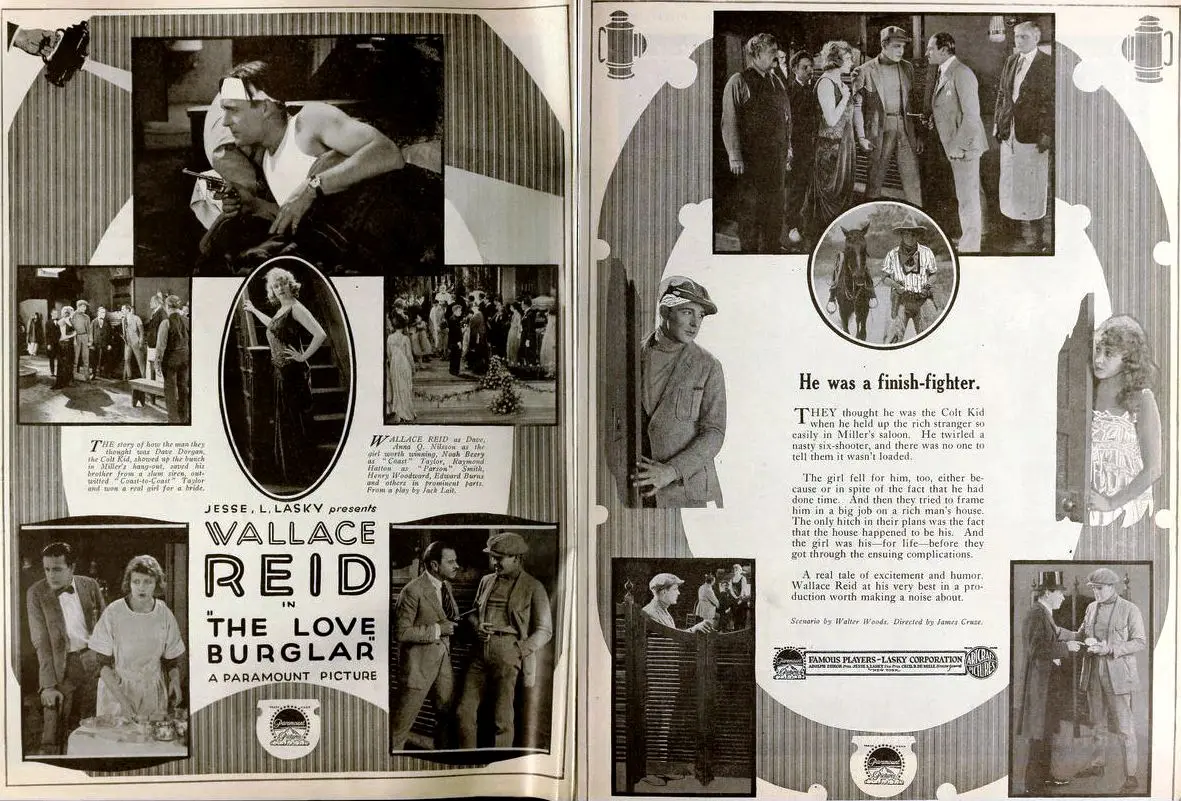
The use of the 'burglar' as a romantic figure is also noteworthy. It taps into the 'gentleman thief' archetype that was gaining popularity, though by making the protagonist a fake criminal, it satisfies the censors of the day while still providing the audience with the vicarious thrill of lawbreaking. It’s a delicate balancing act that works because of the chemistry between the leads. Their love is a sanctuary in a world that demands they be something they are not.
As we look back at The Love Burglar, it is impossible not to admire the craftsmanship involved. From the intricate set designs that evoke a sense of urban decay to the expressive performances that transcend the lack of sound, the film is a testament to the power of pure visual narrative. It doesn't rely on the grand spectacles of international productions like Nankyoku tanken katsudô shashin or the gothic atmospheres of Spöket på Junkershus. Instead, it finds its strength in the human face and the secrets it keeps.
The film also serves as a poignant reminder of Wallace Reid’s immense talent before his tragic and untimely passing. His ability to switch from the charming socialite to the brooding tough guy is seamless, proving why he was one of the biggest stars of his generation. In The Love Burglar, he gives us a performance that is both athletic and vulnerable, a combination that remains the blueprint for the modern leading man.
While some might find the plot’s reliance on coincidence to be a product of its time, the execution is so confident that it hardly matters. The film’s exploration of 'the mask' remains relevant in an age where we all curate our identities for public consumption. Whether compared to the high-stakes gambles of Die große Wette or the moral complexities of The Love That Dares, The Love Burglar holds its own as a superior piece of entertainment.
It is a film that demands to be seen by anyone interested in the evolution of the crime thriller or the history of screen romance. It captures a moment in time when cinema was discovering its power to tell complex, adult stories with grace and grit. The shadows of its underworld are deep, but the light brought by its central romance is enough to guide any viewer through the darkness. It is, quite simply, a silent era gem that deserves a place in the modern conversation about film history.
Reviewer's Note: For those seeking more from this era, consider the thematic parallels in Money or the mystery elements of Find the Woman, though neither quite captures the specific blend of urban noir and romantic idealism found here.
IMDb 5.5
1924
Community
Log in to comment.