DbcultAccessing Vault...
6.4/10
Senior Film Conservator
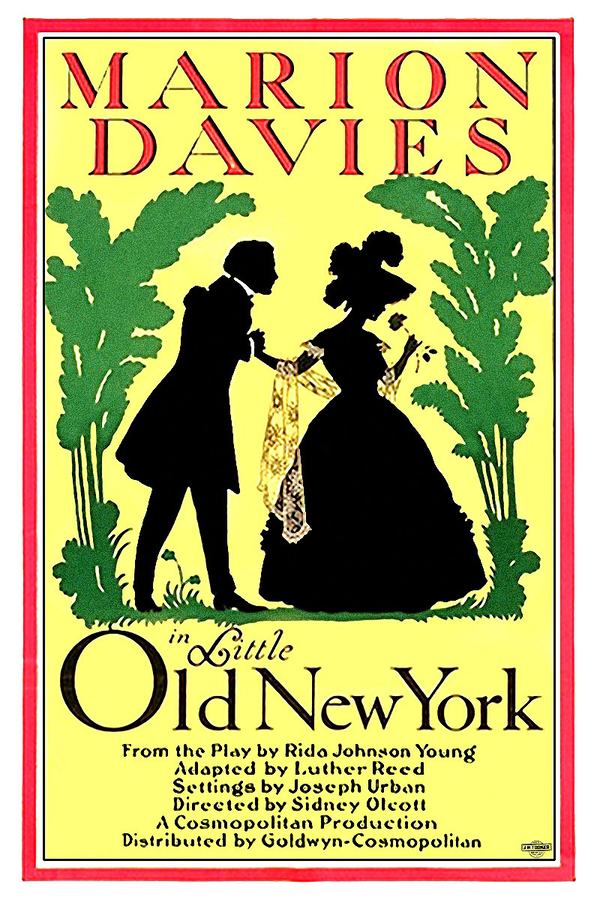
A definitive 6.4/10 rating for a film that redefined the boundaries of cult cinema. Little Old New York remains a cornerstone of transgressive art.
When the reels of Little Old New York spin, they reveal a tableau that is at once gritty and lyrical, a portrait of an immigrant’s resolve painted against the neon‑glow of a metropolis that never sleeps. Directed by Luther Reed and penned by the indomitable Rida Johnson Young, the film transcends its modest budget, offering a narrative elasticity that stretches from slapstick misdirection to profound social commentary.
At its heart, the story follows Eileen O'Leary (portrayed with fierce determination by Marion Davies), an Irish girl who, after the untimely death of her brother, discovers that a substantial inheritance lies dormant, earmarked for the male heir. In a world where legal statutes are as rigid as the steel girders rising on the skyline, Eileen elects to masquerade as a boy—Sean—to claim what is, by law, hers. This gender‑bending ruse is not merely a plot device; it becomes a lens through which the film interrogates the patriarchal strictures of early twentieth‑century America.
The disguise is executed with a deftness that borders on theatricality. Davies adopts a clipped, masculine gait, her voice lowered to a gravelly timbre, while her attire—a battered work shirt and trousers—conspires to conceal her femininity. The audience is invited to witness the delicate choreography of concealment, a dance that oscillates between tension and comic relief, reminiscent of the gender‑play found in Made in America's own narrative experiments.
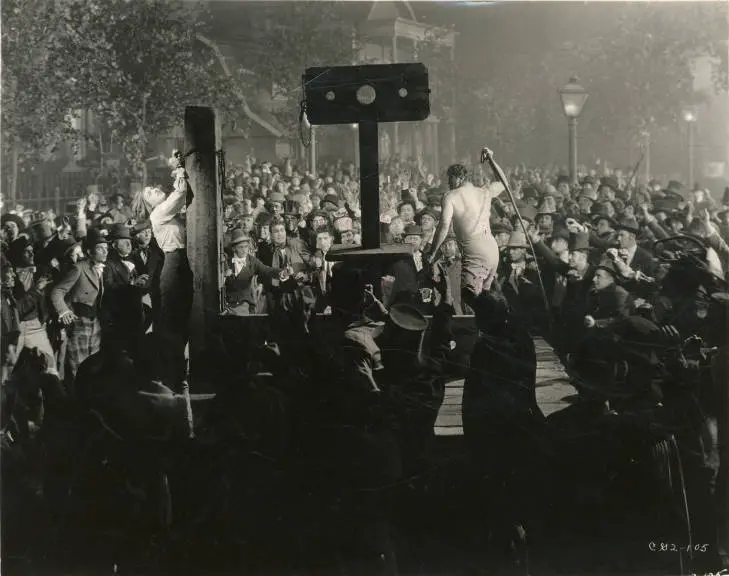
The ensemble cast is a veritable roll call of silent‑era virtuosos. Frank Coghlan Jr. delivers a surprisingly nuanced performance as the earnest foreman who becomes an unwitting confidant. Louis Wolheim, with his characteristic scarred visage, embodies the menacing lawyer whose greed fuels the central conflict. Meanwhile, the supporting turn of Harrison Ford (the silent‑era actor, not the modern star) as a streetwise informant injects a gritty realism that anchors the film’s more melodramatic moments.
Riley Hatch’s portrayal of the elderly Irish priest provides a moral compass, his gentle counsel echoing the timeless wisdom found in classic works like The Ring of the Borgias. The chemistry between Davies and Coghlan is particularly striking; their silent exchanges convey an intimacy that words would clumsily betray.
Cinematographer Stephen Carr employs chiaroscuro lighting to accentuate the dichotomy between the bustling streets and the shadowy alleys where Eileen’s secret is most vulnerable. The film’s monochrome palette is punctuated by moments of symbolic color—most notably a fleeting glimpse of a yellowed newspaper headline announcing the inheritance, a visual cue that foreshadows the impending turmoil.
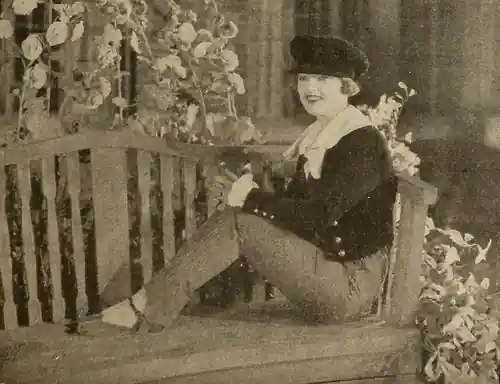
Set design reflects a meticulous attention to period detail. The cramped tenements, the clamor of horse‑drawn carriages, and the towering steel skeletons of skyscrapers convey a city in flux, mirroring Eileen’s internal transformation. In scenes where she confronts the law, the camera adopts low angles, rendering the courtroom as an imposing monolith, while close‑ups of her concealed face reveal the tremor of fear beneath the bravado.
Beyond its surface intrigue, Little Old New York delves into the fluidity of identity. Eileen’s masquerade is a survival strategy, yet it also becomes a conduit for self‑discovery. As she navigates male‑dominated spaces, she uncovers facets of her own resilience that would have remained dormant under the constraints of her gender.
The film also interrogates the concept of inheritance—not merely in monetary terms but as a cultural and emotional legacy. The bequest represents a promise of upward mobility, a beacon for countless immigrants who arrived on Ellis Island with little more than hope. In this regard, the narrative aligns with the thematic currents of Wanted: A Brother, where familial bonds become both shackles and salvation.
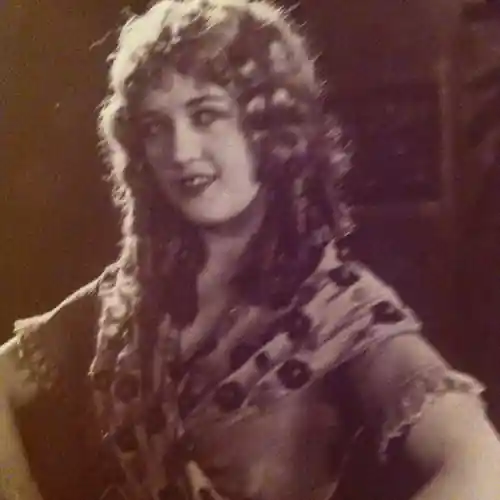
The screenplay unfolds with a measured cadence, each act building upon the last with a rhythm that mirrors the heartbeat of the city itself. The opening act establishes Eileen’s loss and the legal conundrum; the middle act immerses the audience in her subterfuge, peppered with moments of levity and tension; the final act culminates in a courtroom showdown where truth and deception collide.
While some modern viewers might find the intertitles occasionally verbose, they serve as an essential bridge between visual storytelling and the era’s linguistic flourish. The intertitles are stylized with a sea‑blue (#0E7490) border, a subtle nod to the film’s occasional maritime motifs—ships that once carried hopeful immigrants across the Atlantic.
When placed alongside contemporaneous works such as The Tiger's Trail or Sentenced for Life, Little Old New York distinguishes itself through its nuanced gender politics. Whereas the former lean heavily on adventure tropes, this film anchors its drama in the quotidian struggles of an immigrant, rendering it a more intimate, socially resonant piece.
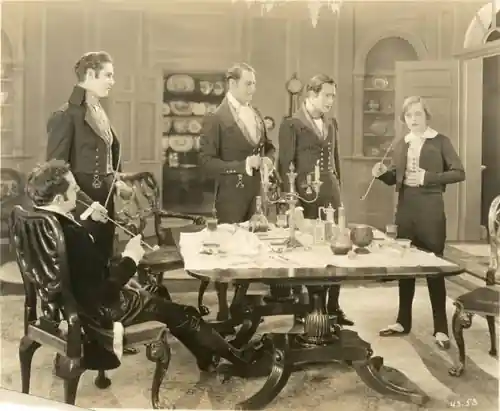
The film’s legacy, however, has been obscured by the passage of time, much like the forgotten streets of the Lower East Side that serve as its backdrop. Recent restorations have begun to resurrect its visual brilliance, allowing contemporary audiences to appreciate its craftsmanship.
Davies’ performance is a masterclass in silent‑era acting. She conveys vulnerability through a single raised eyebrow, authority through a clenched fist, and yearning through the slightest tremor in her hand. Director Luther Reed’s direction is equally restrained; he refrains from overt melodrama, opting instead for a naturalistic approach that lets the actors’ expressions speak louder than any intertitle could.
The film’s editing is crisp, with cross‑cuts that heighten suspense during chase sequences, while lingering shots linger on the city’s skyline, reminding viewers of the ever‑present promise of prosperity that fuels Eileen’s quest.
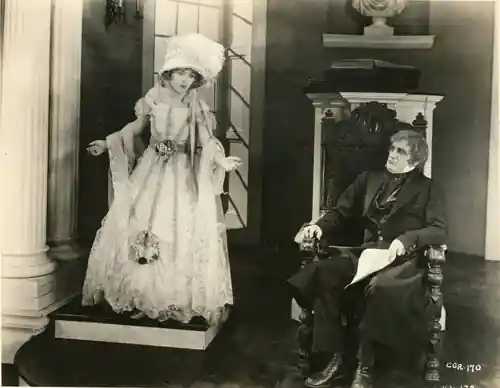
In an era where conversations about gender fluidity and immigrant rights dominate public discourse, Little Old New York feels uncannily prescient. Its protagonist’s willingness to subvert gender norms for economic survival resonates with contemporary narratives of trans‑visibility and the fight against systemic barriers.
Moreover, the film’s exploration of legal inequities mirrors ongoing debates about inheritance law and gender discrimination, making it a valuable artifact for both film scholars and social historians.
As a piece of cinematic art, Little Old New York stands as a testament to the silent era’s capacity for layered storytelling. Its blend of social critique, inventive gender performance, and atmospheric cinematography renders it a compelling watch for anyone interested in the evolution of American film.
For those seeking a deeper dive into the era’s thematic preoccupations, the film offers a rich tapestry of motifs that echo across the silent canon, from the moral ambiguity of The False Road to the relentless pursuit of justice found in The Third Degree. Its influence can be traced in the narrative structures of later works, underscoring its understated yet enduring impact.
In sum, Little Old New York is not merely a relic of a bygone cinematic epoch; it is a vibrant, thought‑provoking work that continues to speak to modern sensibilities. Its daring heroine, masterful performances, and evocative visual language deserve renewed scholarly attention and, above all, a place in the pantheon of silent masterpieces.
IMDb 6.1
1934
Community
Log in to comment.