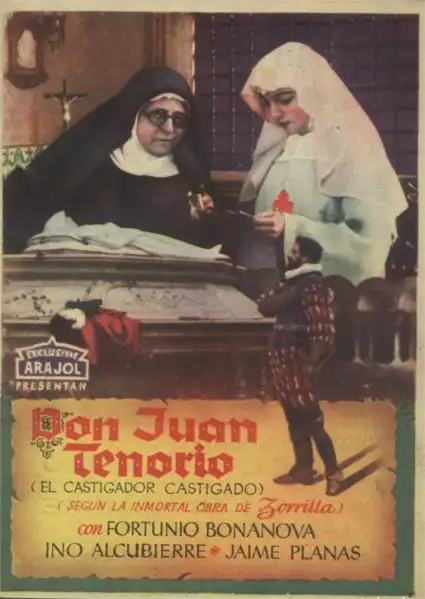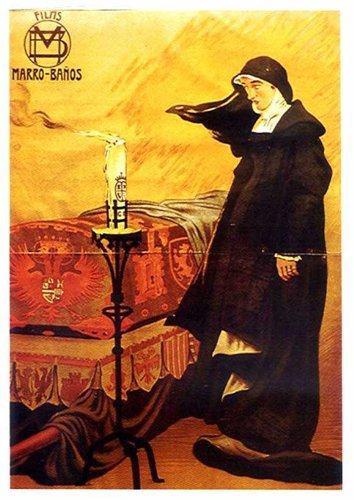
Felipe I el Hermoso provokes with his behavior the madness of his wife, Juana de Castilla..
Ricardo de Baños, Alberto Marro, Manuel Tamayo y Baus
Spain
Picture, if you will, a nitrate strip sizzling inside a hand-cranked projector in a draughty Barcelona salon, 1909: the audience, top-hatted and mantilla-draped, gasps as a queen’s mind unspools in monochrome staccato. Locura de amor is less a period curio than a scalpel—110 years old yet still surgically sharp—disse...
Comparing the cinematic DNA and archive impact of two defining moments in cult history.
Ricardo de Baños
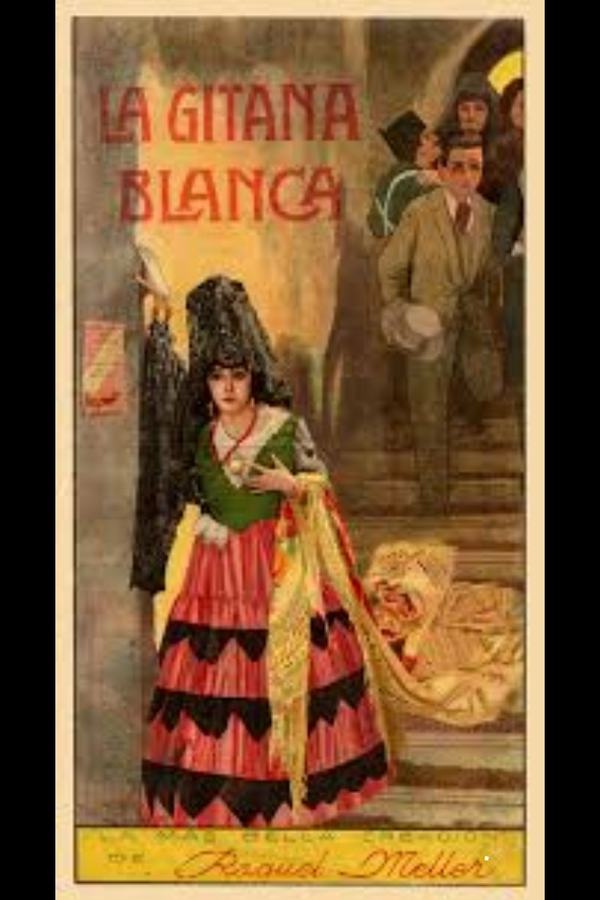
Ricardo de Baños
Community
Log in to comment.
" Picture, if you will, a nitrate strip sizzling inside a hand-cranked projector in a draughty Barcelona salon, 1909: the audience, top-hatted and mantilla-draped, gasps as a queen’s mind unspools in monochrome staccato. Locura de amor is less a period curio than a scalpel—110 years old yet still surgically sharp—dissecting how patriarchal spectacle weaponizes intimacy. It predates Hitchcock’s “gaslight” by decades, yet every frame vibrates with the same malignant wattage. Director Ricardo de B..."