DbcultAccessing Vault...
Cult Review
Senior Film Conservator
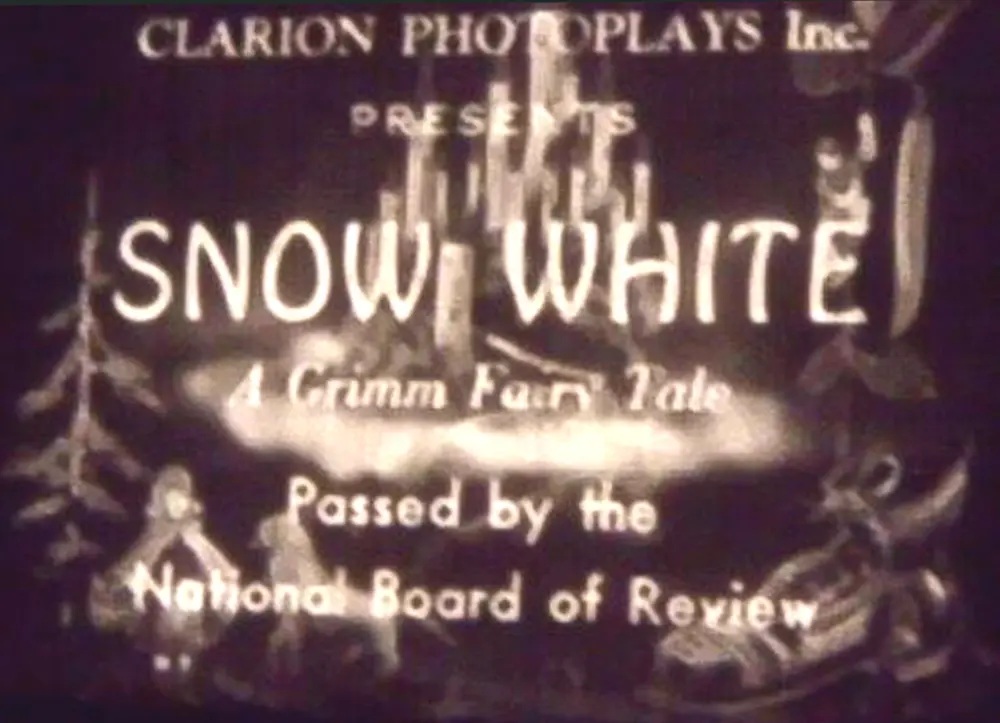
Should you invest your time in a film that predates the talkies by a decade? Short answer: Yes, but only if you view it as a living museum piece rather than a Friday night popcorn flick. This 1916 rendition of Little Snow White is for the cinematic archeologist, the historian, and the viewer who finds beauty in the flicker of hand-cranked frames; it is certainly not for the audience that requires CGI spectacle or rapid-fire dialogue to stay engaged.
1) This film works because it leans into the theatrical sincerity of the era, treating the fairy tale with a gravity that modern parodies often lack.
2) This film fails because its pacing is dictated by the limitations of silent storytelling, often lingering on static shots long after the narrative point has been made.
3) You should watch it if you want to see the foundational DNA of the fairy tale genre before it was sanitized by the animation giants of the 1930s.
Little Snow White is worth watching for anyone interested in the evolution of visual storytelling. It provides a raw, stage-adjacent look at how early filmmakers translated folklore into a brand-new medium. While it lacks the polish of modern cinema, its historical importance is undeniable.
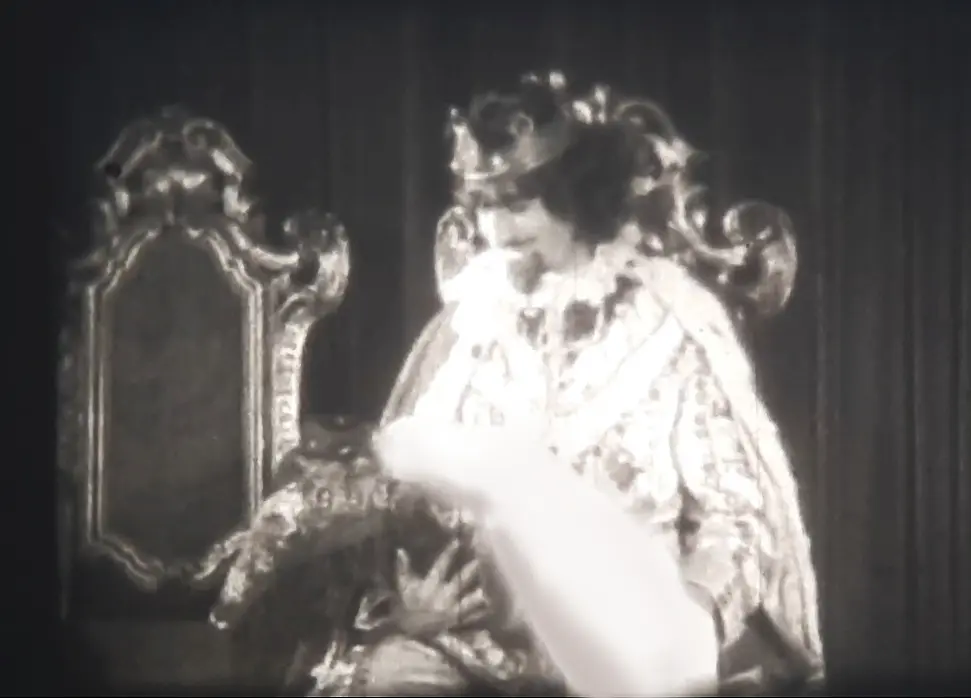
Watching Little Snow White is like stepping into a moving painting that hasn't quite figured out how to move yet. The cinematography is largely static, a common trait for the era where the camera was viewed as a stationary observer in a theater seat. However, there is a primitive charm in the way the forest is depicted.
Unlike the expressionistic sets found in Aelita, the Queen of Mars, the world here feels surprisingly grounded. The woods are not a dreamscape; they are a physical location that feels cold and unforgiving. When Anastasia Georgina Kissel wanders through the brush, you feel the physical weight of her costume against the environment.
One specific scene involving the Magic Mirror stands out. There are no digital overlays here. The effect is achieved through clever lighting and stagecraft. It creates a ghostly, ethereal quality that feels more haunting than a modern green-screen effect. It is simple. It is effective. It is honest.
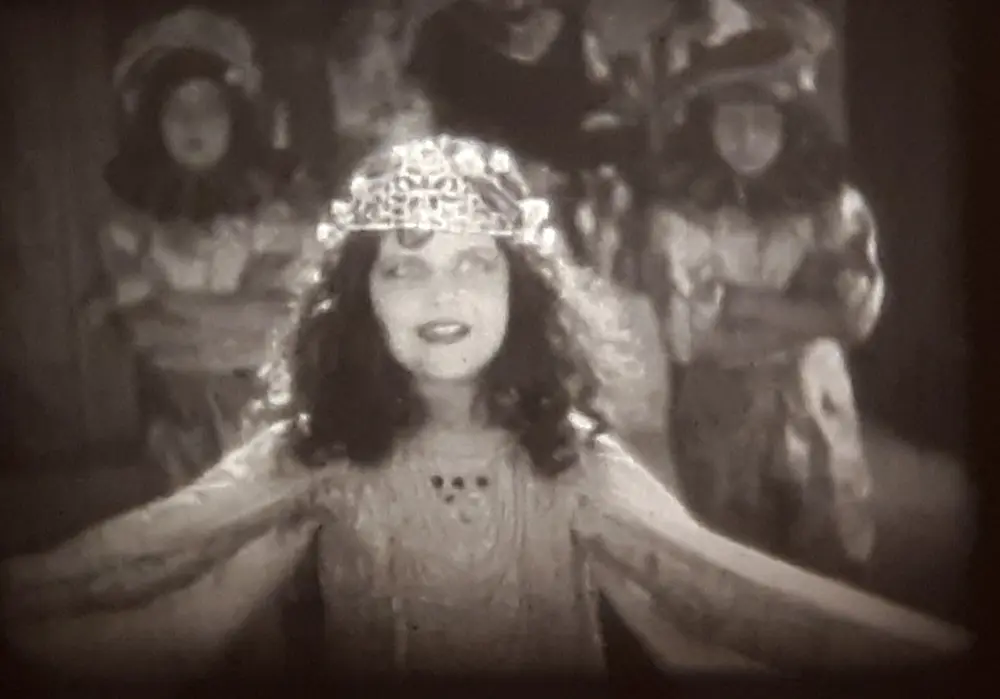
Anastasia Georgina Kissel brings a peculiar vulnerability to the title role. In the silent era, acting was an exercise in extreme physicality. Without a voice, every emotion must be telegraphed through the eyes and the tilt of the head. Kissel excels at this, though modern viewers might find her gestures overly dramatic.
Her performance is a stark contrast to the more melodramatic turns seen in films like Moths. There is a sweetness here that doesn't feel entirely forced. However, the true standout is the Wicked Stepmother. Her jealousy is played with a palpable, quiet rage that anchors the film's higher stakes.
The inclusion of Tiny Sandford is also a delight for those who recognize him from his later work with Laurel and Hardy. Even here, his physical presence is commanding. He brings a level of professional polish to the ensemble that helps bridge the gap between amateur theater and professional cinema.
Let’s be blunt: the pacing is glacial. In an age of TikTok and three-second cuts, a 1916 silent film feels like it's moving through molasses. Scenes of the dwarves eating or Snow White cleaning the cottage are extended far beyond their narrative necessity.
This isn't necessarily a flaw of the film, but a characteristic of its time. Audiences in 1916 were still marveling at the fact that images moved at all. They didn't need the frantic editing of Next Aisle Over or the rhythmic comedy of Cupid's Boots. They were content to watch the story unfold at the speed of a bedtime story.
For a modern viewer, this requires a recalibration of the brain. You have to stop waiting for the 'next thing' to happen and instead look at the details within the frame. Notice the textures of the fabrics. Look at the way the light hits the dust in the dwarves' cottage. The film rewards the patient observer, not the casual browser.
It is impossible to watch this without comparing it to the 1937 Disney masterpiece. But doing so is a disservice to this version. This film is closer to the source material in its starkness. There are no singing bluebirds here. There is no slapstick comedy involving a bar of soap.
Instead, we get a story about survival. The dwarves are not just comic relief; they are miners, laborers who take in a runaway. Their relationship with Snow White feels more like a communal survival pact than a whimsical babysitting arrangement. It’s a gritty take on a story we’ve been told is soft.
This version also highlights the Prince's role as a literal 'deus ex machina.' He arrives not because of a deep character arc, but because the story requires a resolution. It is a blunt, functional use of a character that reminds us how much screenplay structure has evolved since the days of A Western Wooing.
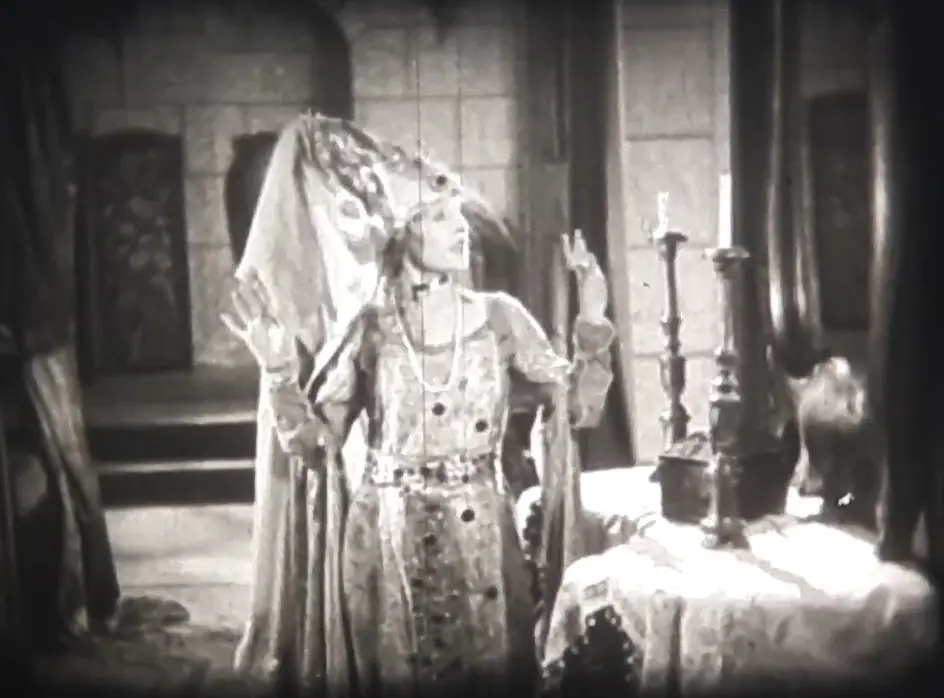
The lighting in the film is surprisingly sophisticated for 1916. While many films of the era, such as Ten Dollars or Ten Days, relied on flat, overhead sun, Little Snow White uses shadows to create depth in the Stepmother's chambers.
"The use of shadow in the Queen's lair suggests a psychological depth that the script doesn't explicitly state."
This use of chiaroscuro—long before the German Expressionists perfected it—shows a burgeoning understanding of how light can dictate mood. The contrast between the bright, airy forest and the dark, cramped castle serves as a visual metaphor for Snow White's internal journey from oppression to freedom.
Pros:
Cons:
Here is something most critics won't tell you: the Seven Dwarves in this film are actually more interesting than Snow White herself. In many ways, they represent the burgeoning middle class of the early 20th century—hardworking, skeptical of royalty, but ultimately kind-hearted. They are the most 'modern' thing about the movie.
While Snow White is a relic of Victorian virtue, the dwarves feel like characters you might find in a contemporary social drama like Dao minjian qu. They have jobs. They have a routine. They have a mortgage-free home. In 1916, that was the ultimate fantasy.
If you compare this to A Ripping Time or Straight Is the Way, you can see how the industry was split between short-form gags and the desire for 'prestige' long-form storytelling. Little Snow White was clearly aiming for the latter.
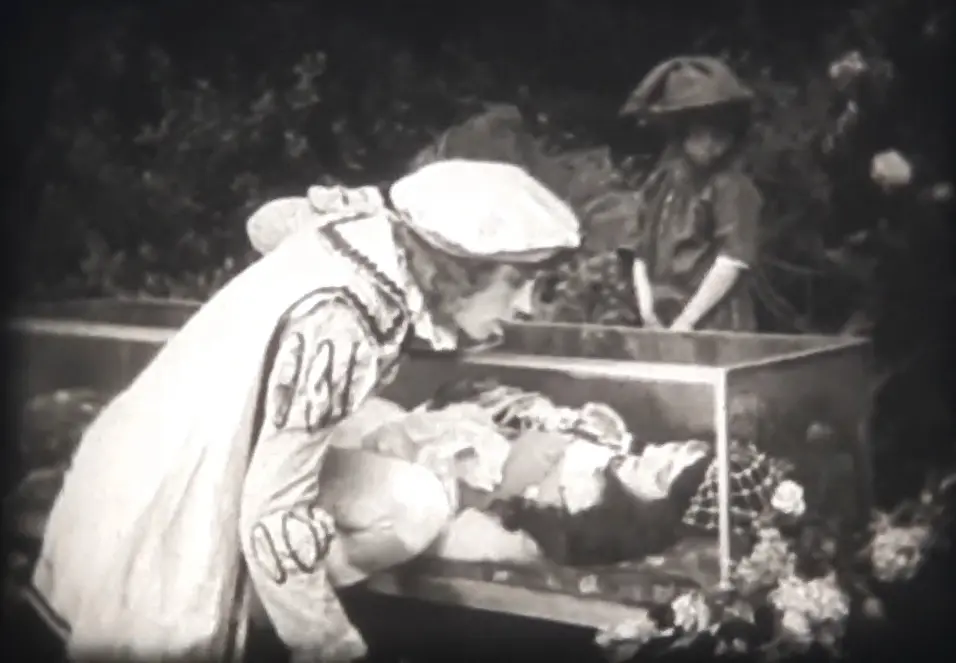
It doesn't always succeed. Sometimes it feels like a short film stretched to its breaking point. However, it possesses a dignity that many of its contemporaries lacked. It wasn't just trying to make people laugh; it was trying to make them feel the weight of a legend.
The climax of the film—the apple—is handled with a surprising lack of fanfare. In a modern film, this would be a slow-motion sequence with swelling orchestras. Here, it is a quick, transactional moment. She bites. She falls. The Queen leaves.
There is a brutal efficiency to this that I actually prefer. It treats the magic not as a spectacle, but as a weapon. This lack of 'movie magic' makes the world feel more dangerous. It’s a reminder that in 1916, the world was a much harsher place than the one we live in today.
Little Snow White is a flawed, fascinating, and frequently boring masterpiece of early cinema. It is a film that demands your full attention while giving you very little 'action' in return. But for those who can appreciate the grain of the film and the silence of the room, it offers a profound connection to the past.
It isn't a film you watch for the plot—we all know the plot. You watch it to see how we used to dream. You watch it to see the birth of a visual language. It works. But it’s flawed. And that’s exactly why it’s worth your time.
Final Score: A historical essential that requires a very specific mood and a large pot of coffee.
IMDb —
1933
Community
Log in to comment.