DbcultAccessing Vault...
6.3/10
Senior Film Conservator
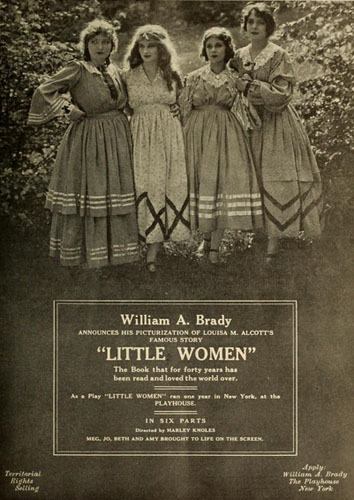
A definitive 6.3/10 rating for a film that redefined the boundaries of cult cinema. Little Women remains a cornerstone of transgressive art.
Stepping back over a century into the nascent days of cinematic storytelling, we encounter the 1918 rendition of Louisa May Alcott's beloved classic, Little Women. This isn't just a film; it's a historical artifact, a silent whisper from an era grappling with the very language of motion pictures. To approach it with modern sensibilities would be a disservice, akin to judging a daguerreotype by the standards of digital photography. Instead, one must immerse oneself in its context, appreciating the pioneering spirit that dared to translate such a cherished literary work onto the silver screen when the medium itself was still in its infancy, barely a fully formed language.
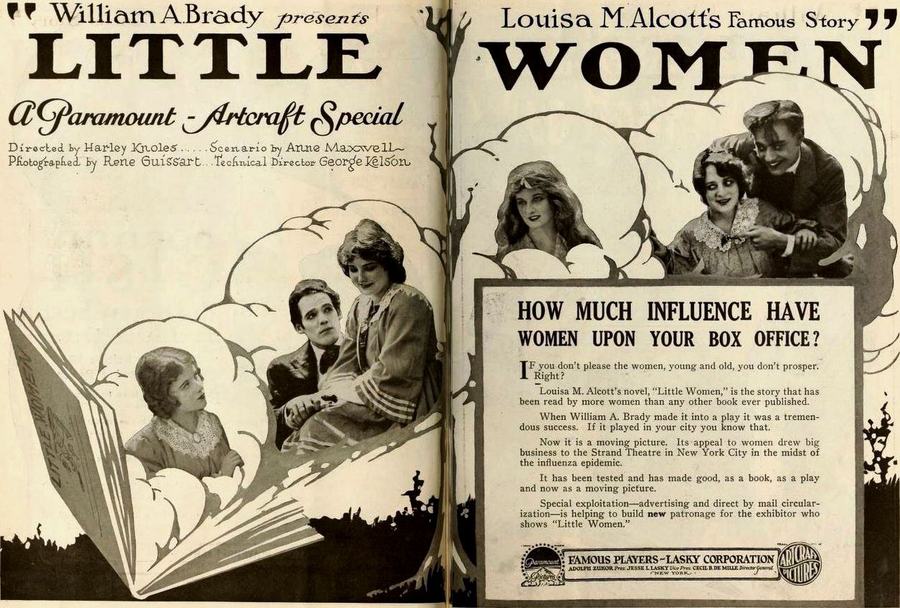
Directed by Harley Knoles and written for the screen by Anne Maxwell, this adaptation predates the sumptuous Technicolor versions and the nuanced soundscapes that would later define the March sisters for generations. What it offers instead is a fascinating study in visual narrative, a testament to the power of gesture, expression, and the ubiquitous intertitle in conveying emotional depth and plot progression. The film, starring Lillian Hall as the spirited Jo, Conrad Nagel in an early role as Laurie, and Florence Flinn as Meg, among others, had the monumental task of distilling Alcott's sprawling, character-driven novel into a silent spectacle, often relying on audience familiarity with the source material to bridge narrative gaps.
One of the most compelling aspects of the 1918 Little Women is its courageous attempt to render the distinct personalities of the March sisters without the aid of spoken dialogue. Jo, the fiery, independent aspiring writer, is brought to life by Lillian Hall with a physicality that speaks volumes. Her animated movements, the way she strides rather than glides, her earnest, often exasperated facial expressions, are all carefully calibrated to convey the restless energy that defines Alcott's most beloved character. This was the challenge of silent acting: to externalize internal states, to make every flicker of an eye, every tilt of a head, resonate with meaning. Hall's performance, while perhaps melodramatic by today's standards, was undoubtedly effective for its time, capturing the essence of a young woman chafing against societal constraints and yearning for intellectual freedom.
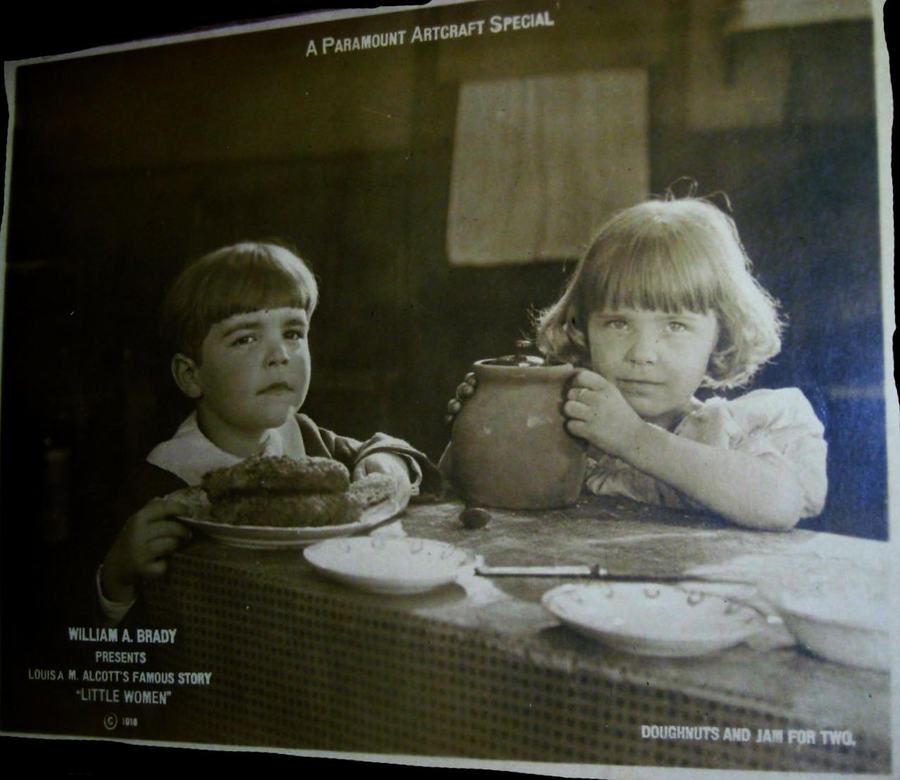
The other sisters, Meg, Beth, and Amy, are similarly characterized through broad strokes of performance. Florence Flinn’s Meg embodies a gentle domesticity, her gestures softer, her presence more demure. Baby Ivy Ward, as the tragically sweet Beth, evokes sympathy through a delicate vulnerability, a performance that must have resonated deeply with audiences familiar with Beth's heart-wrenching trajectory. And while the cast list includes Baby Ivy Ward, the role of Beth was also played by Nellie Anderson, suggesting a division of the character's lifespan or perhaps alternate takes. Amy, portrayed by Dorothy Bernard, displays the youthful vanity and artistic pretensions that mark her character, albeit with less subtlety than later interpretations. These portrayals, viewed through the lens of early 20th-century acting conventions, offer a valuable insight into the theatrical traditions that heavily influenced early cinema.
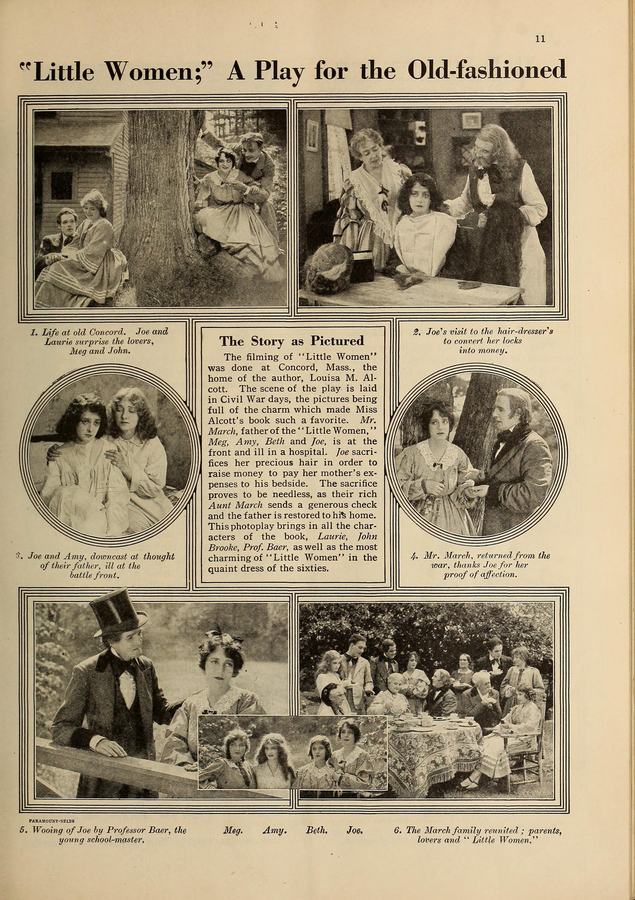
The narrative of Little Women relies heavily on the art of visual storytelling, augmented by the strategic placement of intertitles. These textual inserts, far from being mere dialogue placeholders, serve multiple functions: they establish context, convey internal thoughts, and even inject authorial commentary, much like Alcott’s own narrative voice. In an era before sophisticated editing techniques became commonplace, the continuity of the story often hinged on these written cues, guiding the audience through the March family's experiences, from their Christmas struggles to their individual romantic entanglements and heartbreaks. The director, Harley Knoles, employed a relatively straightforward, theatrical blocking style, often framing scenes to emphasize the ensemble, but occasionally drawing closer to capture a significant emotional beat.
Cinematography, while rudimentary by modern standards, was focused on clarity and ensuring that the actors' expressions were legible. The sets, though perhaps modest, successfully evoke the period charm of Concord, Massachusetts, grounding the narrative in a believable domestic sphere. The costumes, too, play a vital role, immediately signaling the era and the social standing of the characters. Without the luxury of sound design or a dynamic score (though live musical accompaniment would have been standard in theaters), every visual element had to work harder to immerse the viewer in the world of the March sisters. This constraint, paradoxically, often fostered a heightened sense of visual literacy in audiences and filmmakers alike.
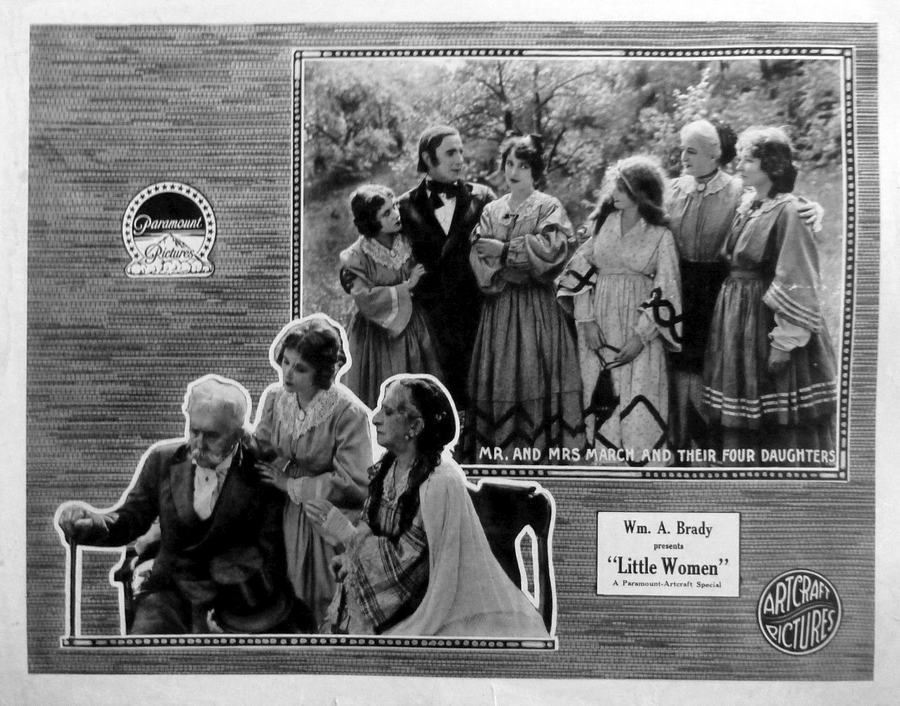
At its core, Little Women, regardless of its iteration, is a story about family, sisterhood, and the rites of passage. The 1918 film captures these enduring themes with a sincere earnestness that transcends its technical limitations. The warmth of Marmee (Julia Hurley), the steadfast presence of Mr. March (Frank DeVernon), and the awkward yet charming courtship of Laurie (Conrad Nagel) with the March sisters are all depicted with a touching simplicity. The family's struggles with poverty, their shared joys, and their collective grief over Beth's illness are conveyed through a series of vignettes that, while not always deeply penetrating, cumulatively build a picture of a loving, resilient household.
Conrad Nagel, in one of his earliest film roles, brings a youthful exuberance to Laurie. His interactions with Jo, particularly, possess a playful chemistry that hints at the deep bond between them, even if the silent medium struggles to fully articulate the romantic tension and subsequent heartbreak. The film also features Kate Lester as Aunt March, whose stern demeanor and eventual benevolence are conveyed through her formidable presence and a few key, impactful gestures. This ensemble, under Knoles' direction, succeeds in presenting a cohesive family unit, a feat that is arguably more challenging in a silent film where individual character development must be conveyed through actions and reactions rather than spoken words.
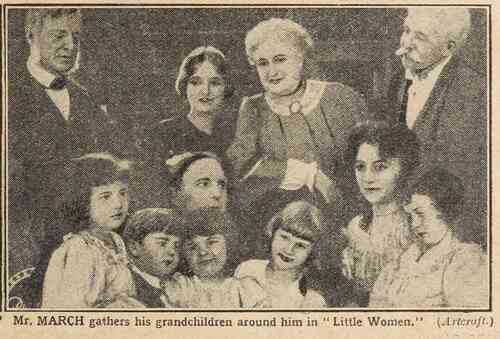
Released in 1918, during the final throes of World War I and amidst the global influenza pandemic, Little Women offered audiences a comforting escape into a world of domestic warmth and familial love. It was a time when cinema was rapidly evolving, and the demand for narrative features was growing exponentially. This film stands as a significant marker in that evolution, being the first feature-length adaptation of Alcott's novel. Its success paved the way for future interpretations and solidified the story's place as a perennial favorite for cinematic treatment.
When considering other films from this era, one might draw parallels with works like A Lady of Quality (also 1918), another period drama featuring a strong female protagonist. Both films navigate the social mores of their respective historical settings, albeit Little Women with a gentler, more domestic focus. While A Lady of Quality explores themes of societal rebellion through a more dramatic, almost swashbuckling lens, Little Women grounds its narrative in the everyday struggles and triumphs of its characters. This contrast highlights the diverse ways early cinema began to explore female agency and historical settings.
Another interesting comparison can be made with literary adaptations of the period, such as the various versions of Peer Gynt. Adapting complex, often philosophical, literary works to the silent screen presented unique challenges. While Peer Gynt grappled with grand allegories and psychological depth, Little Women's strength lay in its intimate portrayal of human relationships and character development. The success of both, despite their disparate source material, demonstrates the early filmmakers' ambition to bring high culture to the masses through the nascent medium of film.
The 1918 Little Women is more than just a quaint relic; it's a vital piece of film history. It represents a foundational effort in adapting classic literature for the screen, an endeavor that continues to this day. For enthusiasts of silent cinema, it offers a window into the acting styles, narrative conventions, and technical limitations of the period. For fans of Alcott's novel, it provides a unique opportunity to see the beloved characters interpreted through the lens of early 20th-century filmmaking, stripped of sound and color, yet still striving to convey the emotional resonance that has captivated readers for generations.
While modern audiences might find its pacing deliberate and its acting overtly theatrical, it's crucial to remember the context. This film was made when the language of cinema was still being invented, when every cut, every close-up, every intertitle was a discovery. It laid the groundwork for the more sophisticated adaptations that would follow, including the iconic 1933 version starring Katharine Hepburn and the equally cherished 1994 and 2019 iterations. Each subsequent film owes a debt to this pioneering effort, which first proved that the March family's story could indeed live and breathe on screen.
To watch the 1918 Little Women today is to engage in an act of cinematic archaeology. It requires patience, an open mind, and a willingness to appreciate the artistry of a bygone era. It reminds us that storytelling, in its purest form, transcends technological advancements. The universal themes of love, family, ambition, and resilience, so beautifully articulated by Alcott, found an early, if imperfect, visual voice in this silent classic. It's a testament to the enduring power of the narrative itself and the nascent magic of the moving image.
The film's significance lies not just in its content, but in its very existence as a cultural touchstone. It represents a moment when a beloved book transitioned into a new medium, expanding its reach and securing its place in the collective consciousness. It’s a foundational piece, a stepping stone in the grand tapestry of film history, inviting us to reflect on how far cinema has come, and yet how some stories, like that of the March sisters, remain eternally captivating, regardless of how they are told.
IMDb 4.3
1918
Community
Log in to comment.