DbcultAccessing Vault...
Cult Review
Senior Film Conservator
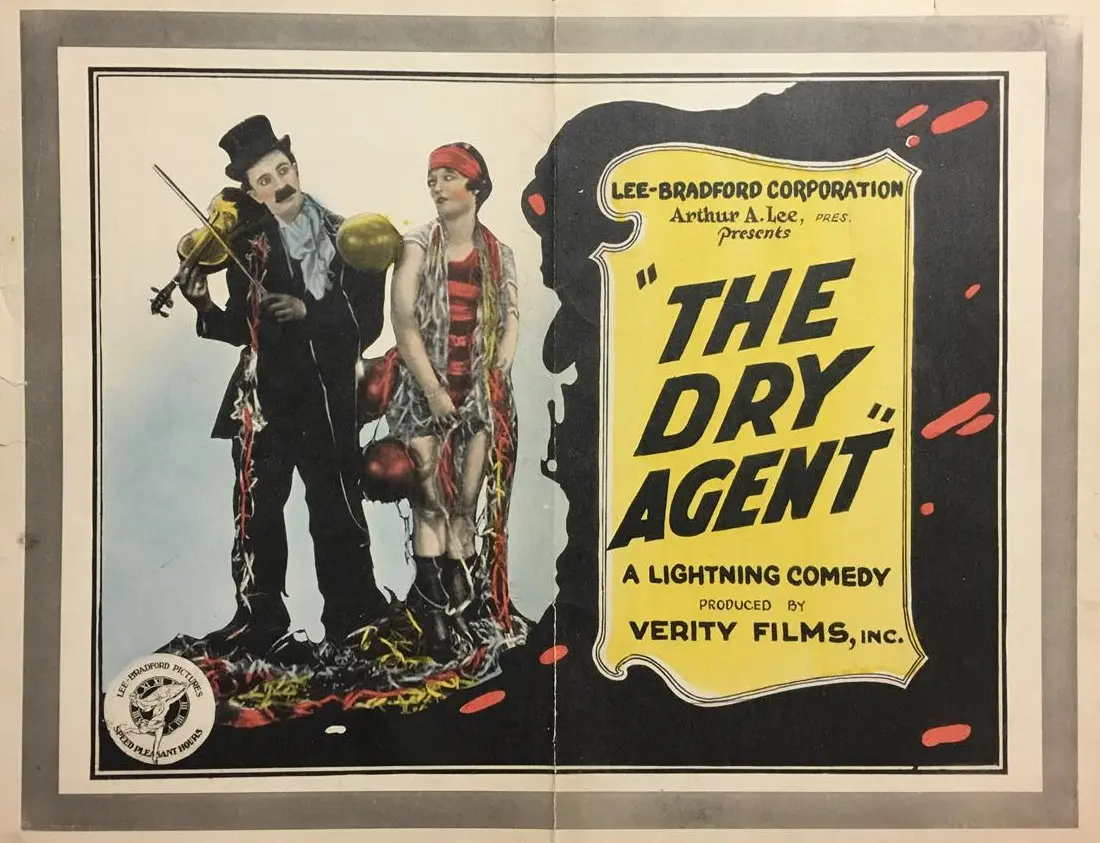
Is The Dry Agent worth watching in the 21st century? Short answer: Only if you are a dedicated historian of silent slapstick; otherwise, its charms have largely evaporated for a modern palate. This film is for the cinephile who finds joy in the mechanical precision of 1920s physical gags, but it is certainly not for anyone seeking a narrative with emotional depth or complex character arcs.
Before diving into the technical weeds, let's establish the baseline for this 1923 short. It is a functional piece of entertainment that served its purpose as a theatrical chaser, but it lacks the transcendent quality of the era's giants.
The Dry Agent is worth watching if you value the preservation of silent film history. It provides a fascinating window into the immediate cultural response to the Prohibition. While many films of the era, such as The Golf Bug, focused on leisure and sports, The Dry Agent tackles the friction between the law and the common man. It’s a short, punchy experience. It won't change your life. But it will show you how people laughed at the law a century ago.
Charles Dorety is the engine that keeps this film from stalling. Unlike the poetic grace of Chaplin, Dorety’s movements are jagged and frenetic. He possesses a specific kind of 'rubber-face' energy that makes even the most basic double-take feel like a choreographed event. In one specific scene involving a hidden flask and a deceptive overcoat, Dorety’s ability to manipulate his limbs into unnatural angles provides the film's biggest laughs.
However, his performance lacks the pathos we see in films like Birthright. Dorety is a caricature, not a character. This isn't necessarily a flaw in a slapstick short, but it does limit the film's longevity. You don't care if the agent succeeds or fails; you only care about how he falls down. It’s mechanical. It’s effective. But it’s fundamentally hollow.
The direction in The Dry Agent is remarkably static, which was common for the time but feels particularly restrictive here. The camera acts as a proscenium arch, capturing the action in wide shots that allow the physical comedy to play out without the interference of editing. This requires the actors to have impeccable timing. If a barrel is supposed to roll over a character’s head, there is no CGI to save the moment; it’s all about the math of the stunt.
Compare this to the more adventurous framing found in The Avalanche. While that film used its environment to create tension, The Dry Agent uses its environment as a series of obstacles. The pacing is relentless, almost to a fault. There are no moments of quiet reflection. It’s a percussive experience, hitting the viewer with gag after gag until the reel ends.
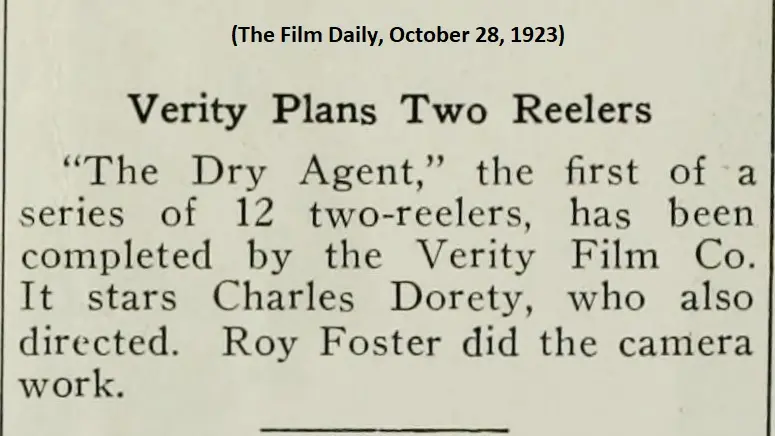
The visual language of the film is stark. The lighting is flat, designed to ensure that every movement is visible to the audience in the back of a 1920s nickelodeon. There is no attempt at the atmospheric shadows you might find in Devyatoe yanvarya. Instead, the tone is bright and irreverent. This contrast is the film's sharpest weapon: it treats the serious business of federal law enforcement as a sunny, ridiculous romp.
One surprising observation is how the film handles the 'antagonists'—the bootleggers. In many ways, they are portrayed with more competence than the agent himself. This subtle subversion of authority is where the film finds its bite. It suggests that the law is an interloper in the natural social order of the neighborhood. It’s a cynical stance wrapped in a goofy package.
When you place The Dry Agent alongside contemporary shorts like The Canvas Kisser or Pardon Me, you start to see the 'factory' nature of 1920s comedy. These films were produced with the efficiency of a Ford assembly line. While this ensured a baseline level of quality, it also meant that many films felt interchangeable. The Dry Agent distinguishes itself primarily through its subject matter rather than its technique.
Where Kohlhiesel's Daughters might lean into folk-comedy and character types, The Dry Agent is pure situation. The situation is the joke. The agent is a dry man in a wet world, and the film never lets you forget that central irony. It’s a one-note joke, but it’s played with enough vigor to justify its runtime.
The Dry Agent is unique because it turns the federal enforcement of Prohibition into a slapstick routine. While other films of the time treated the law with reverence or as a backdrop for crime, this film makes the law enforcement officer the butt of the joke. It uses physical comedy to critique the effectiveness of the Volstead Act. This makes it a rare cultural artifact of 1920s dissent.
The Dry Agent is a serviceable relic. It works as a display of physical talent, but it’s flawed as a narrative piece. If you’ve already exhausted the filmographies of the silent masters, Dorety offers a refreshing, if less polished, alternative. It’s a loud, silent movie that screams for attention through its stunts. It doesn't always earn that attention, but it works hard for it. Ultimately, it’s a fascinating, minor entry in the history of American comedy that deserves a look from those who want to see the 'B-side' of the Roaring Twenties.
"A frenetic, if repetitive, slice of Prohibition-era absurdity that proves you don't need a budget to make a mess of the law."
IMDb —
1931
Community
Log in to comment.