DbcultAccessing Vault...
6.7/10
Senior Film Conservator
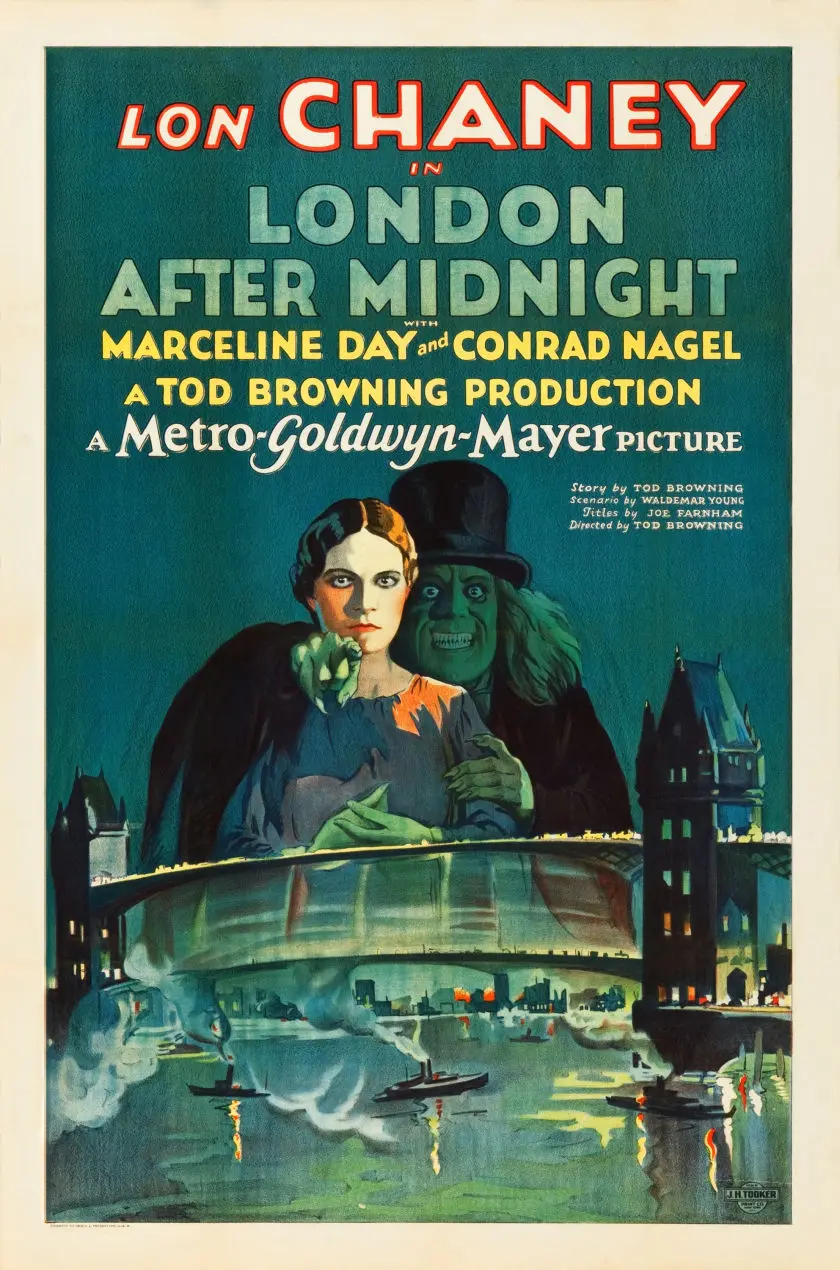
A definitive 6.7/10 rating for a film that redefined the boundaries of cult cinema. London After Midnight remains a cornerstone of transgressive art.
Is a lost film truly 'worth watching'? The short answer, for London After Midnight, is a resounding yes, but with a crucial caveat: you cannot watch it. Instead, you must experience its legend, its cultural footprint, and its tantalizing fragments. This film is an essential piece of cinematic history for scholars, horror aficionados, and anyone fascinated by the power of a story that transcends its physical absence. It is absolutely not for those seeking a modern, polished viewing experience or a straightforward narrative.
The phantom limb of silent horror, Tod Browning’s London After Midnight (1927) remains one of cinema’s most tantalizing mysteries. Lost to a 1967 vault fire, its reputation has only grown, fueled by surviving stills, plot summaries, and the iconic, terrifying visage of Lon Chaney. It’s a film that exists more powerfully in the collective imagination than many that still grace our screens.
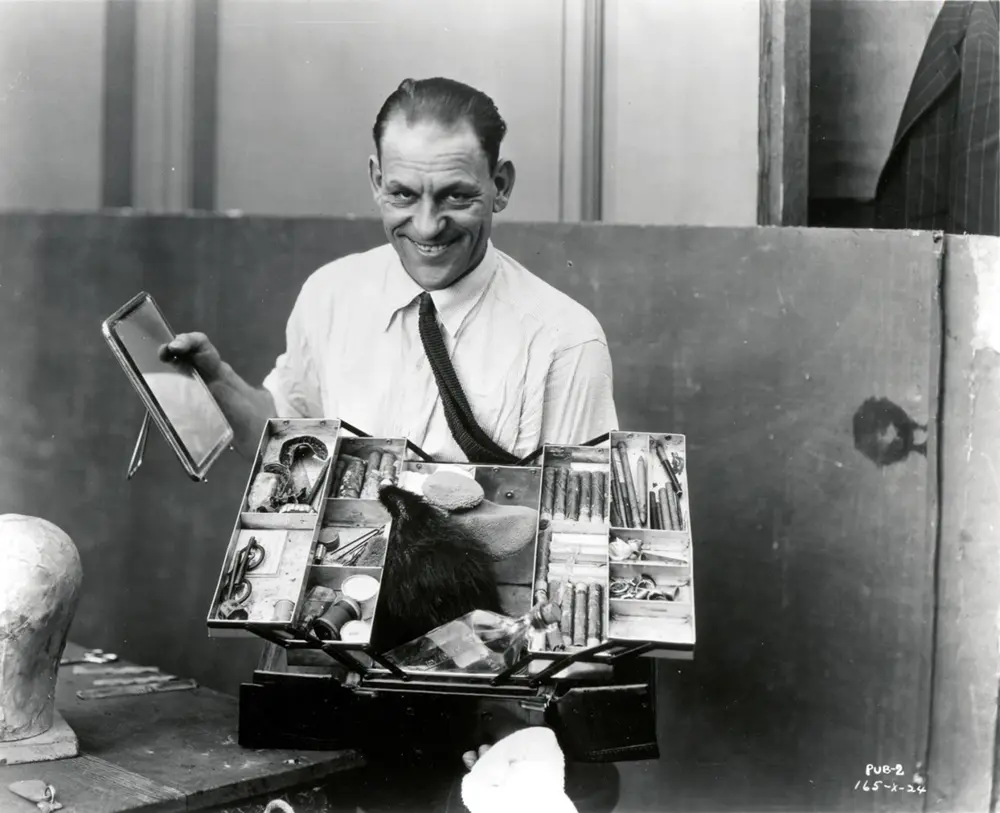
For a film that is literally unwatchable, its impact is disproportionately immense. This isn't just about nostalgia for a bygone era; it's about the enduring power of a concept, a performance, and a director's vision that, even in absence, continues to haunt and inspire.
At its core, London After Midnight presents a classic gothic setup: a wealthy man's suicide, a five-year cold case, and a grand, abandoned house that refuses to stay quiet. The emergence of 'ghoulish figures' – specifically, characters strongly implied to be vampires – acts as the catalyst, drawing an investigator into a web of deceit and supernatural possibility. It’s a narrative engine built for suspense, preying on primal fears of the unknown and the uncanny.
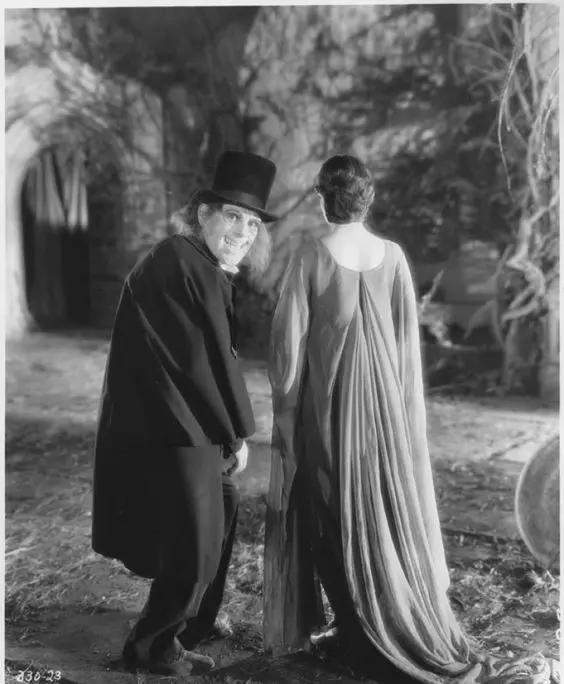
The brilliance lies not just in the 'vampire' premise, but in Tod Browning's known penchant for illusion and the grotesque. Even without seeing the full film, one can infer the deliberate blurring of lines between genuine horror and elaborate deception. This ambiguity is, perhaps, the film's greatest strength, allowing it to exist in a liminal space where anything feels possible.
"The true horror of London After Midnight isn't its vampires, but its disappearance – a void that allows our imaginations to conjure something far more terrifying than any celluloid could truly capture."
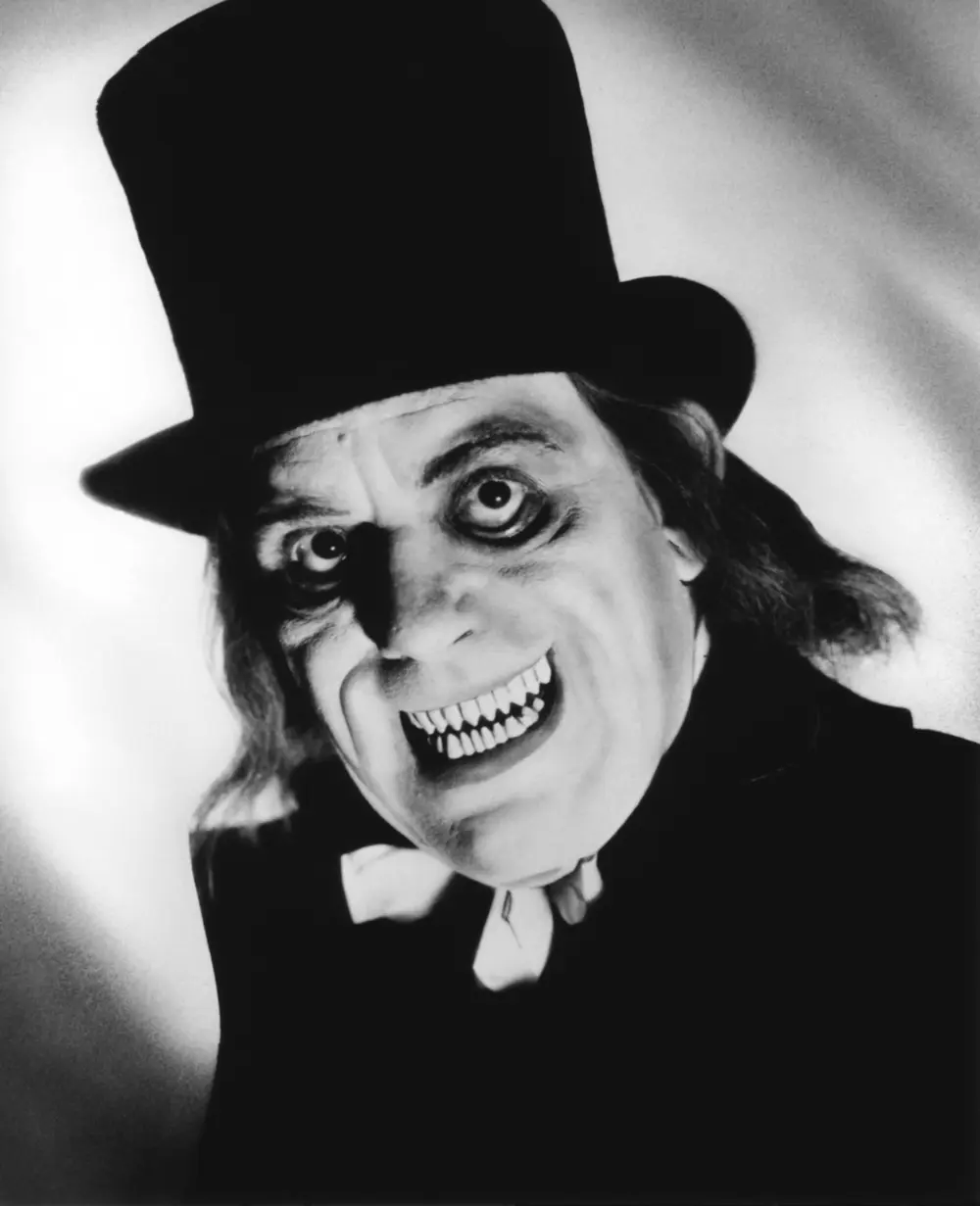
No discussion of London After Midnight can bypass Lon Chaney. His portrayal of 'The Man in the Beaver Hat' is iconic, even in still photographs. The sharp teeth, the piercing eyes, the gaunt face with its receding hairline – it’s a masterclass in prosthetic makeup and unsettling performance. Chaney wasn't just acting; he was transforming, embodying the very essence of the monstrous.
This wasn't a one-off for Chaney; his career was built on such radical metamorphoses, from Quasimodo in The Hunchback of Notre Dame to the phantom in The Phantom of the Opera. In London After Midnight, he took it further, creating a visage that became synonymous with silent horror itself. His commitment to physical transformation was unparalleled, a singular artistic vision that elevated the genre.
Even in a film we can't fully experience, Chaney's presence looms large. It's a testament to his talent that a few grainy stills can convey such menace and psychological depth. He understood that horror wasn't just about jump scares; it was about the slow, insidious dread of the unnatural, perfectly encapsulated in his unnerving stare.
Tod Browning, the director, was no stranger to the dark corners of the human psyche. His filmography, including later works like Dracula and Freaks, consistently explored themes of abnormality, illusion, and the unsettling underbelly of society. London After Midnight fits squarely within this thematic framework.
One can surmise Browning's directorial hand in the film's tone and pacing. He was known for a deliberate, atmospheric build-up, favoring psychological tension over overt gore. The premise of an abandoned house and mysterious figures suggests a slow burn, a creeping dread that would have been expertly orchestrated through his camera work and editing rhythm. His ability to craft an uncanny atmosphere, even in a silent feature, was legendary.
Consider the surviving descriptions of the film's climax, which reportedly involved elaborate reveals and a deconstruction of the supernatural elements. This kind of narrative sleight of hand was a Browning hallmark, suggesting a sophisticated, intelligent approach to horror that challenged audience expectations. It works. But it’s flawed by its absence.
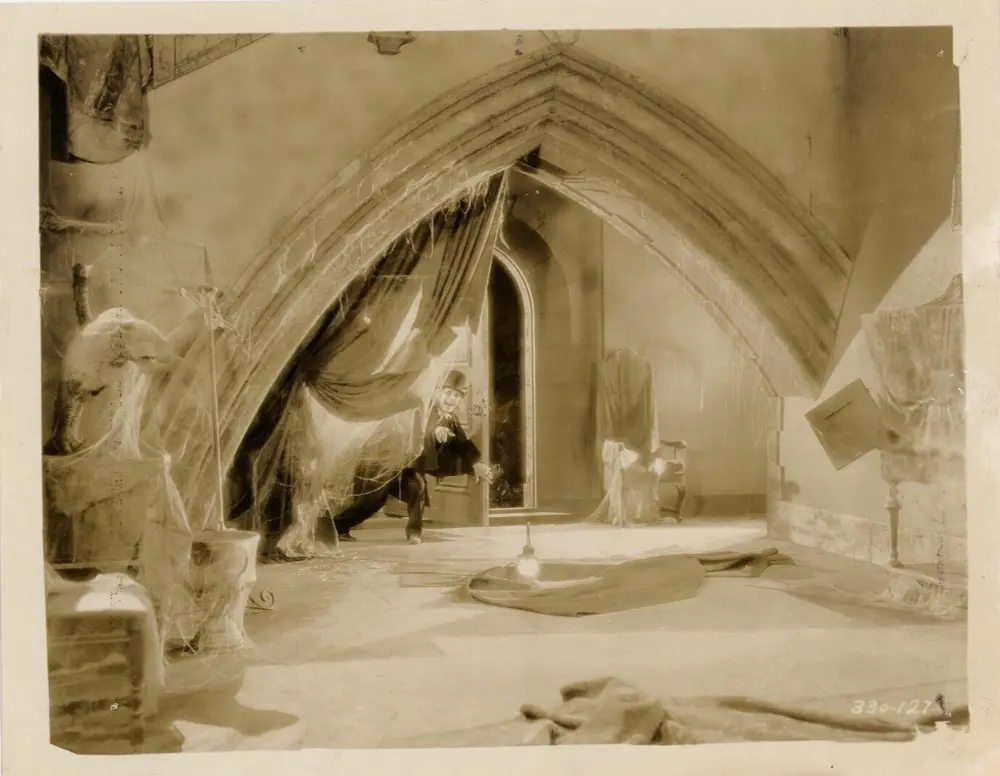
While we lack the moving images, surviving production stills and contemporary reviews paint a picture of a visually striking film. The abandoned mansion itself would have been a character, its decaying grandeur a perfect metaphor for the unraveling mystery. German Expressionism, a powerful influence on silent horror, would have undoubtedly informed the shadows and angles, creating a sense of claustrophobia and unease.
The design of Chaney's 'vampire' costume, particularly the top hat and the exaggerated teeth, speaks to a meticulous attention to detail in creating memorable iconography. This wasn't just about a scary face; it was about crafting an entire persona that felt both alien and disturbingly human. The set dressing, the interplay of light and shadow – all would have contributed to the oppressive, gothic atmosphere that Browning so masterfully cultivated.
The film's visual language, even through fragmented evidence, suggests a commitment to mood and psychological immersion. This wasn't a film that relied on cheap scares; it aimed for a deeper, more pervasive sense of dread, achieved through careful composition and evocative set pieces. The very nature of its 'lost' status elevates these elements, as we are forced to imagine the full scope of their impact.
Perhaps the most unconventional observation about London After Midnight is that its loss has made it more famous, more revered, than if it had survived. Had it been preserved, it would likely be celebrated as a significant, but perhaps not uniquely exalted, piece of silent horror. Its absence, however, has transformed it into a mythical artifact, a cinematic Holy Grail that every film enthusiast yearns to discover.
This phenomenon speaks volumes about human psychology – we covet what we cannot have. The film's legendary status is not just a tribute to its supposed quality, but a testament to the power of scarcity and the enduring allure of the unknown. It’s a fascinating, almost perverse, twist of fate that a film’s destruction solidified its place in history in a way its existence might not have.
London After Midnight is more than just a film; it is a ghost story within the history of cinema itself. Its true value lies not in its existence as a consumable piece of media, but as a cultural touchstone, a testament to the power of an actor's craft, and a fascinating chapter in the evolution of horror. While we may never see it, its legend continues to cast a long, chilling shadow over the cinematic landscape. It's a film that demands respect, even in its absence, and its story is one every film lover should know. It is a brilliant concept, executed by masters, and tragically lost to time.
IMDb 5.6
1930
Community
Log in to comment.