DbcultAccessing Vault...
Cult Review
Senior Film Conservator
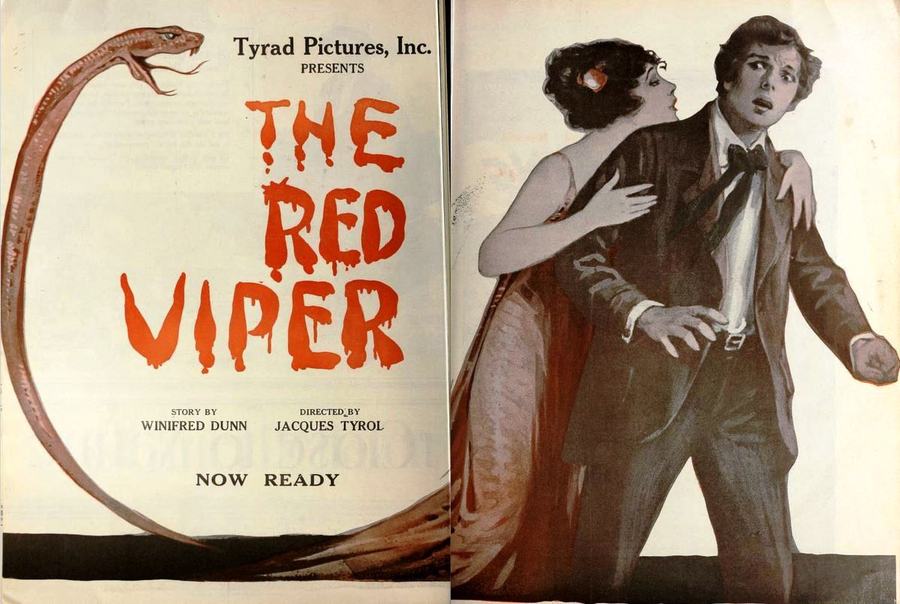
The year 1919 remains an indelible scar on the American psyche, a period where the 'Red Scare' morphed from a whisper in smoky backrooms to a cacophony in the streets. The Red Viper, directed with a surprisingly modern sense of spatial tension, captures this volatile intersection of immigrant hope and radical despair. It is not merely a film; it is a celluloid artifact of a nation grappling with its own identity in the wake of the Great War and the Bolshevik Revolution.
Gareth Hughes delivers a performance of twitchy, nervous energy as David Belkov. Unlike the stoic heroes often found in contemporary works like Cavanaugh of the Forest Rangers, Hughes portrays Belkov as a man whose morality is fluid, shaped by the crushing weight of poverty. When we first encounter him, he is a devotee of Rooseveltian vigor, yet the sight of an eviction—a common but devastating trauma of the urban poor—shatters his faith in the existing social contract. This shift is handled with a nuanced directorial hand, avoiding the melodramatic tropes that plague lesser films of the era, such as The Flashlight.
The Hogan Street anarchist group represents the dark underbelly of the American Dream. Here, Winifred Dunn’s screenplay shines, providing a complex look at radicalization that feels uncomfortably relevant today. Yolanda Kosloff, played with a haunting intensity by Irma Harrison, is not a simple villainess but a woman consumed by a vision of justice that has curdled into vengeance. Her relationship with David is the emotional anchor of the film, a tragic romance born in the shadow of the gallows. While Les Misérables, Part 2: Fantine explores the institutional cruelty of the state, *The Red Viper* focuses on the reactive violence of the disenfranchised.
The cinematography utilizes the cramped quarters of the East Side to evoke a sense of inevitable collision. The shadows are deep, the lighting stark, reminiscent of the atmospheric tension found in The Microscope Mystery. Every frame feels heavy with the soot of the city and the weight of ideological fervor. The use of the printing press as a symbol of David’s redemption is particularly potent; it is the transition from the destructive force of the bomb to the constructive power of the word.
The character of Mary Hogan, the twelve-year-old singing patriot, serves as the film’s moral compass. In any other production, this might descend into saccharine propaganda, but here, her death acts as a visceral shock to the system. It is the catalyst that forces David to confront the reality of his associations. The contrast between her 'patriotic ditties' and the 'soap box orations' of the anarchists creates a sonic landscape—even in a silent medium—that defines the film’s ideological conflict. This thematic exploration of childhood innocence lost in political crossfire is far more harrowing than the lighter social commentary found in Sadie Goes to Heaven or The Heiress at Coffee Dan's.
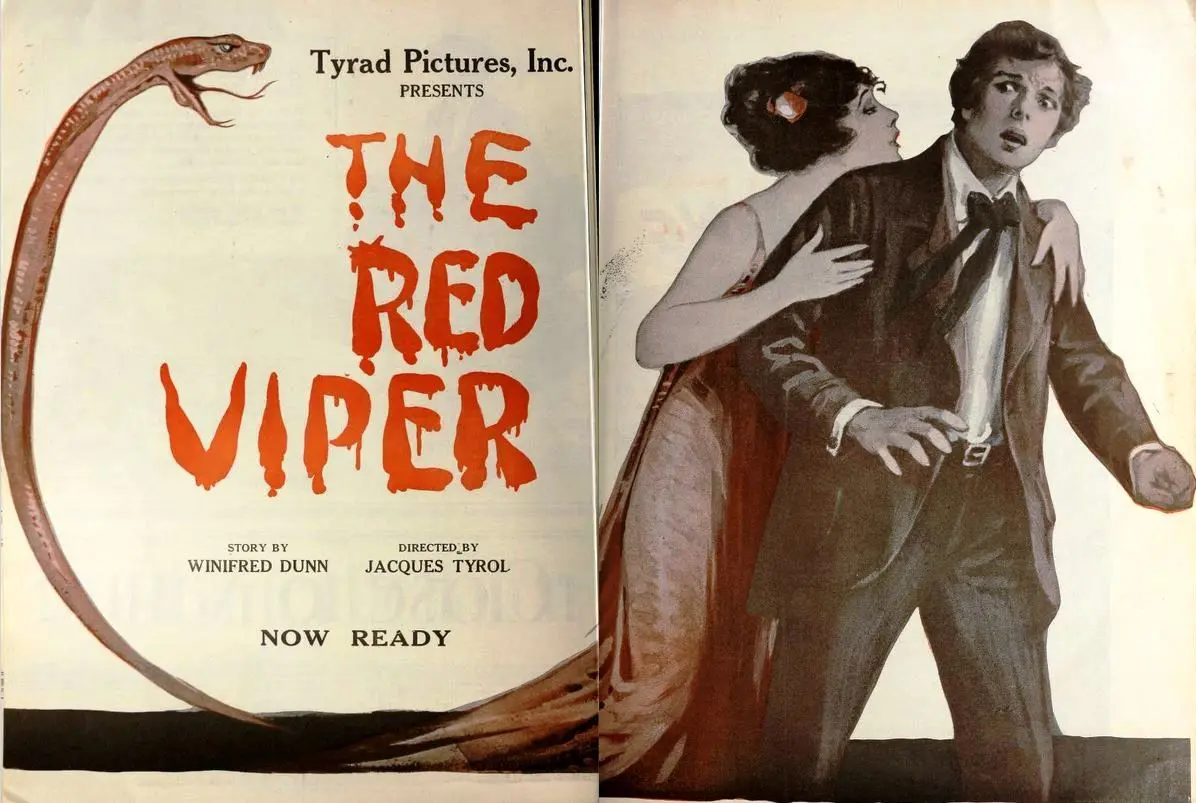
David’s subsequent beating at the hands of the anarchists is filmed with a gritty realism that predates the noir aesthetic by decades. It is a physical manifestation of his internal break from the group. The pacing quickens as we move toward the final act, eschewing the leisurely development of films like Up the Road with Sallie in favor of a relentless, propulsive energy.
The climax at Judge Norton’s home is a triumph of editing and suspense. Yolanda’s dance is both a distraction and a ritual, a graceful prelude to an act of mass murder. The juxtaposition of the elite’s celebration with the hidden threat of the bomb creates a palpable sense of dread. David’s arrival is not just a heroic intervention; it is a desperate attempt to save the woman he loves from herself. When he takes the bullet intended for the leader, the film transcends its political trappings to become a story of profound personal sacrifice. This level of emotional stakes is rarely achieved in the genre, making it a stark contrast to the more formulaic resolutions of The Learnin' of Jim Benton or The Wall Between.
The resolution, where Yolanda nurses David back to health, signifies a reconciliation of the disparate elements of the American experience. It suggests that while the 'red viper' of radicalism may strike, the inherent humanity of the individual can still provide a path to healing. It lacks the stark, uncompromising realism of Soviet cinema like Khleb, opting instead for a quintessentially American hopefulness.
Technically, *The Red Viper* utilizes sophisticated cross-cutting to build tension, a technique that was still being refined in 1919. The set design of the East Side tenements feels authentic and lived-in, providing a stark contrast to the opulence of Judge Norton’s residence. This visual dichotomy reinforces the film’s central theme of class struggle without needing a single line of dialogue. Unlike the somewhat theatrical staging of A Broadway Scandal, this film feels grounded in a tangible, albeit heightened, reality.
The supporting cast, including John Gilbert in an early role, provides a solid framework for the central drama. Alfred Hollingsworth as the anarchist leader is particularly effective, embodying a cold, calculating fanaticism that serves as a perfect foil to David’s burgeoning conscience. The film deals with themes of legal justice and moral law with a complexity that rivals The Burden of Proof, yet it maintains a populist appeal through its use of action and romance.
IMDb 4.6
1931
Community
Log in to comment.