DbcultAccessing Vault...
7.7/10
Senior Film Conservator
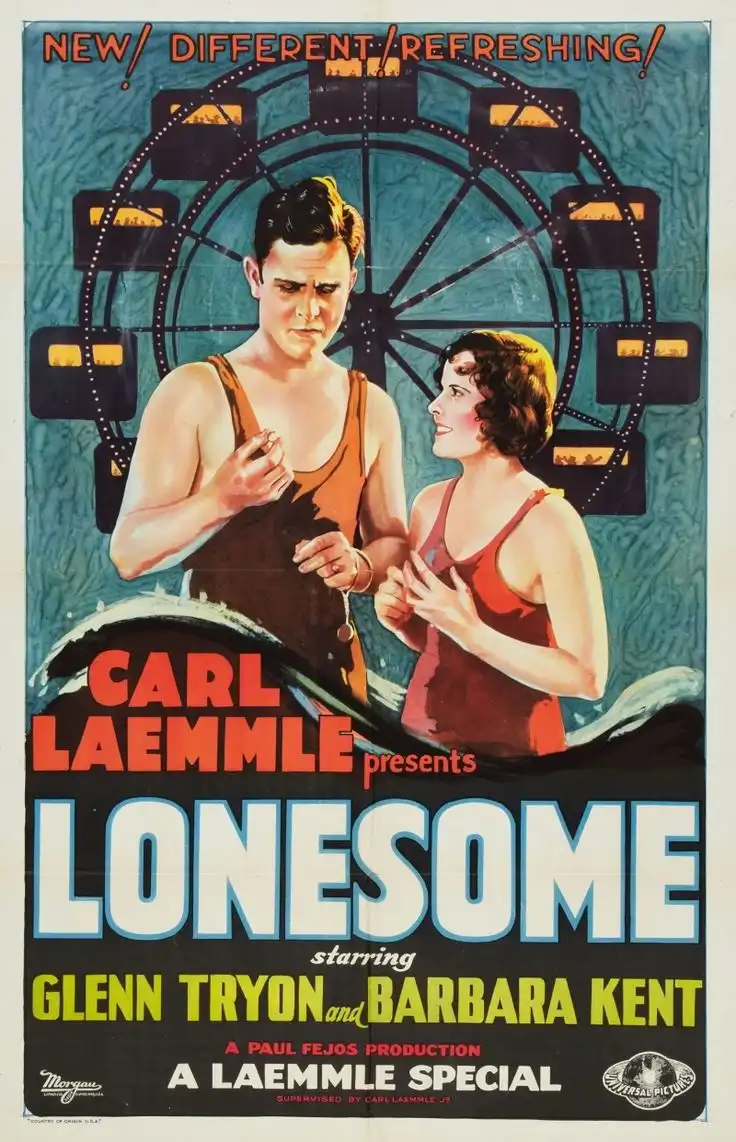
A definitive 7.7/10 rating for a film that redefined the boundaries of cult cinema. Lonesome remains a cornerstone of transgressive art.
Absolutely. Paul Fejos's Lonesome, released in 1928, is a remarkable piece of filmmaking that transcends its era. For silent film enthusiasts, it’s an essential, vibrant experience, a testament to the visual storytelling power of the medium just as sound was beginning to take hold. Anyone interested in experimental cinema, early uses of color, or a genuinely poignant urban romance will find much to appreciate. However, if you're someone who struggles with silent film conventions, or finds early sound experiments jarring, parts of Lonesome might test your patience. Its unique blend of melancholic realism and exuberant fantasy makes it a compelling, if occasionally uneven, watch.
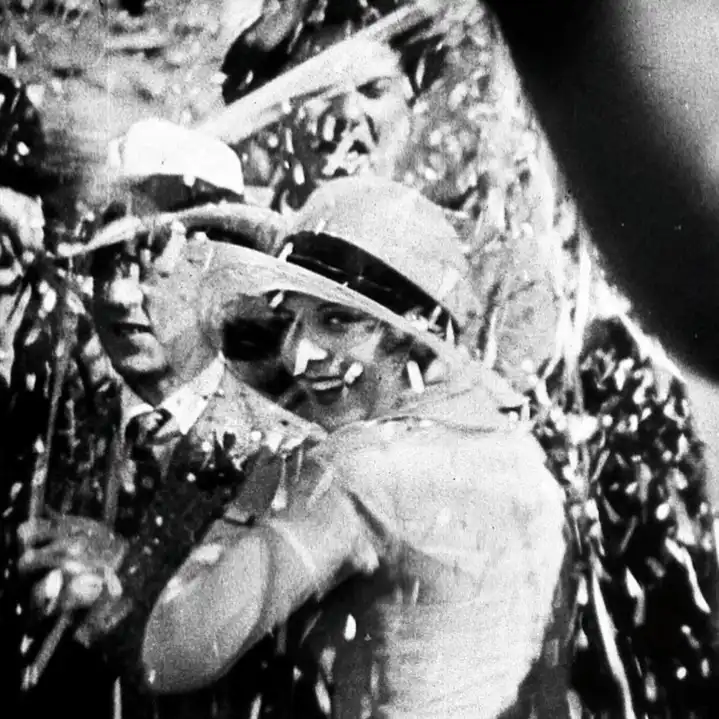
Lonesome opens with a striking visual rhythm, immediately establishing its central theme: the crushing anonymity of the modern city. We’re introduced to Mary (Barbara Kent) and Jim (Glenn Tryon), two archetypes of urban isolation. Mary works as a telephone operator, her day a blur of monotonous connections, while Jim toils in a factory, surrounded by the deafening clang of machinery. Fejos uses split screens and rapid cross-cutting to emphasize their parallel, unfulfilling existences. The early sequences of them waking up in their separate, cramped rooms, performing identical mundane tasks, are particularly effective. The film doesn't just tell us they're lonely; it *shows* us, through precise visual repetition and a palpable sense of ennui.
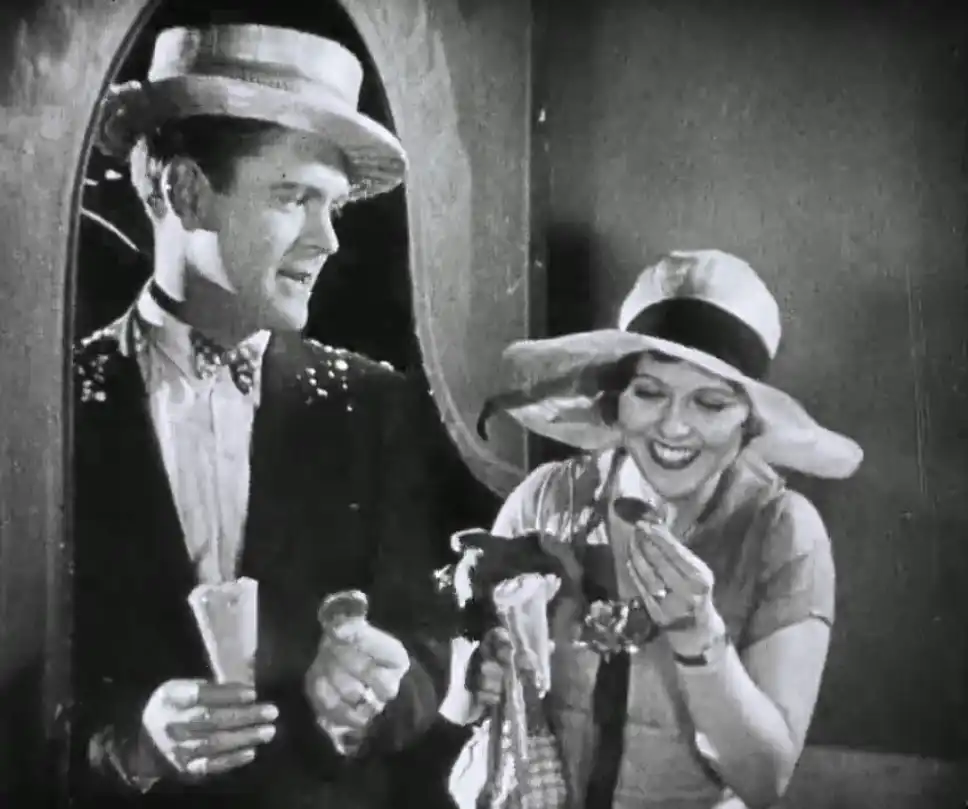
The pacing here is deliberate, almost hypnotic, mirroring the repetitive nature of their lives. It builds a quiet desperation that makes their eventual meeting feel like a true escape. When they finally encounter each other at a crowded beach, the shift in tone is immediate. The film bursts into life with a vibrant, almost dreamlike energy as they head to the amusement park. This section of the film is where Fejos truly lets loose, employing a dazzling array of techniques that still feel fresh today.
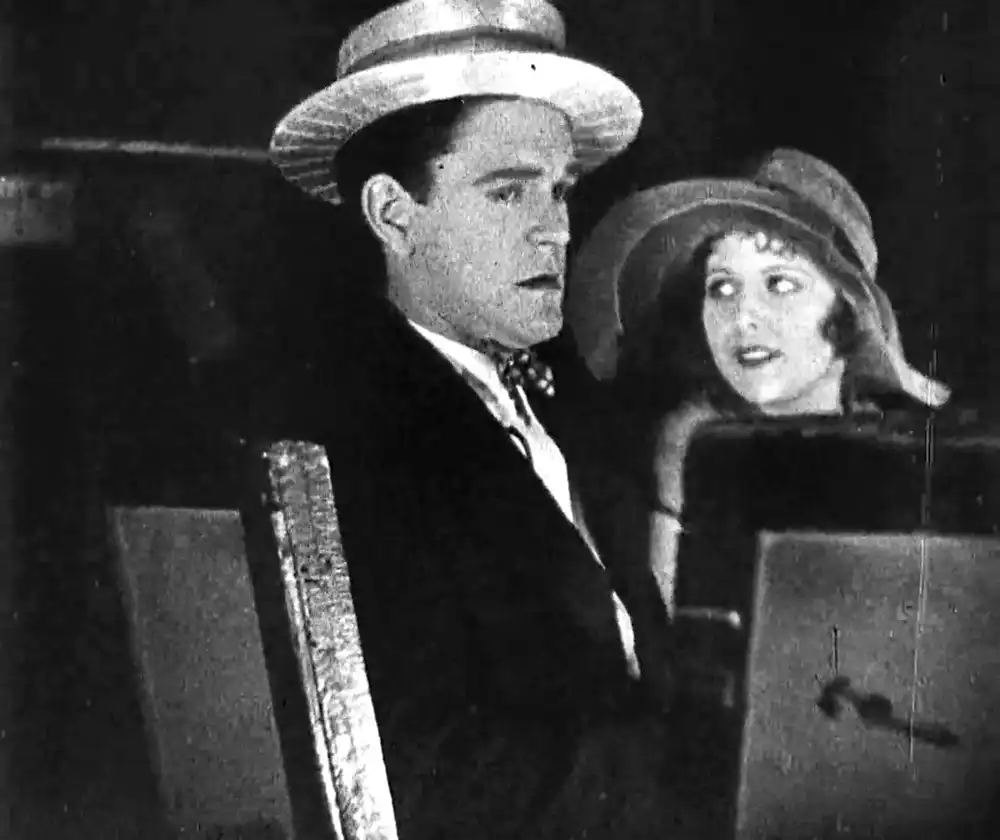
The amusement park sequence is Lonesome’s undeniable highlight. Fejos uses vibrant two-strip Technicolor to paint the fairground in bold, primary hues, a stark contrast to the black-and-white realism of the city scenes. This isn't just a gimmick; the color amplifies the sense of wonder and heightened emotion. The camera swoops and dives with the characters on roller coasters, spinning on carousels, mimicking their exhilaration. There’s a particular shot where Mary and Jim are on a ride, their faces illuminated by the flashing lights, an almost otherworldly glow on their faces as they share a moment of pure, unadulterated joy. It's a moment of cinematic bliss, perfectly encapsulating the fleeting magic they've found.
What truly sets Lonesome apart, and often surprises first-time viewers, is its experimental use of sound. While primarily a silent film, there are three distinct dialogue sequences embedded within the amusement park scenes. These aren't just intertitles; they are actual synchronized sound segments, primitive but undeniably present. The first, where Jim tries to guess Mary's weight, is particularly awkward. The voices are tinny, the delivery stiff, and it pulls you out of the silent film's established rhythm. It’s a fascinating historical document of a medium in transition, but dramatically, it’s a stumbling block. The shift back to silence often feels like a relief, allowing the visual poetry to resume its natural flow. This tonal inconsistency is a clear indicator of the film's unique place in film history, caught between two eras.
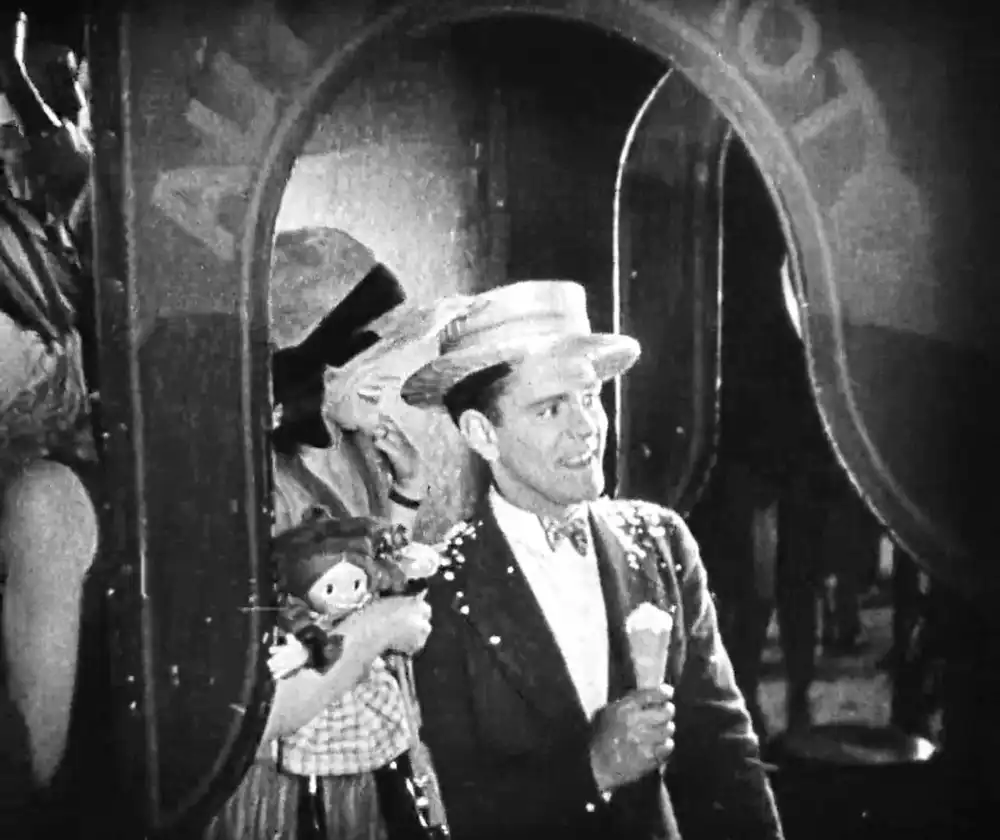
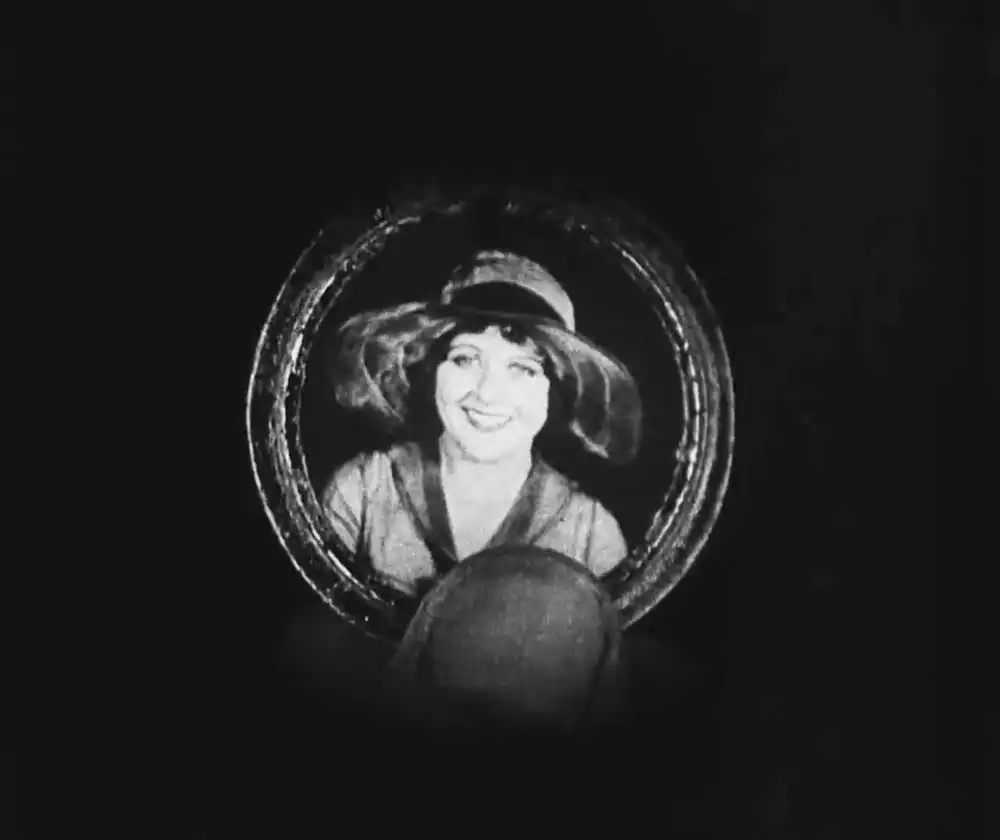
Barbara Kent and Glenn Tryon are wonderfully cast as Mary and Jim. Kent, in particular, conveys a deep well of vulnerability and longing through her expressive eyes and subtle gestures. Her smile, when she first connects with Jim, feels earned and genuine, a brief flicker of light in her otherwise subdued existence. Tryon, as Jim, carries a similar weight of quiet desperation, but also a boyish charm that makes his attempts to impress Mary endearing. Their chemistry is built on shared glances, tentative touches, and the unspoken understanding of two people who recognize their own loneliness in another. It’s a testament to their performances that despite the exaggerated gestures sometimes inherent in silent acting, they manage to convey a deeply human connection. Even small background details like the way extras move through the crowd at the beach, or the expressions of the other patrons on the roller coaster, contribute to the film’s lived-in feel.
Lonesome's greatest strength lies in its visual ambition and emotional honesty. Fejos isn't afraid to experiment, blending realism with expressionistic flourishes. The use of color, the dynamic camera work, and the rapid-fire editing create a truly immersive experience. The film captures the exhilaration of new love and the crushing despair of loss with equal potency. The sequence where Mary and Jim are separated in the chaotic crowds, each desperately searching for the other, is masterfully orchestrated. The camera whirls, the crowds become an insurmountable barrier, and the joy of moments before gives way to heart-wrenching panic. It's a powerful depiction of how easily connection can be lost in a vast, indifferent world.
Its primary weakness, as mentioned, is the inclusion of the early sound sequences. While historically significant, they disrupt the film's flow and highlight the limitations of early sound recording technology. The dialogue feels clunky and unnatural, a stark contrast to the fluid visual storytelling that surrounds it. Additionally, for a modern audience, the film's sudden shift from gritty realism to almost surreal Technicolor fantasy might feel jarring if not approached with an understanding of its experimental nature. The narrative itself is simple, almost archetypal, which could be seen as a strength or a limitation depending on one's preference.
Lonesome remains a vital, captivating film. It’s a beautiful, melancholic ode to human connection in the face of urban alienation, elevated by Paul Fejos’s audacious visual style. Despite its brief, somewhat clumsy foray into synchronized sound, the film’s power lies in its ability to communicate profound emotion through purely visual means. It’s a reminder of the artistry possible in silent cinema and a fascinating look at a medium on the cusp of a revolutionary change. Watch it for its stunning visuals, its heartfelt performances, and its enduring message about finding light in the darkest corners of the city. You might wince at the early sound, but you'll be moved by its timeless story.
IMDb 7.5
1930
Community
Log in to comment.