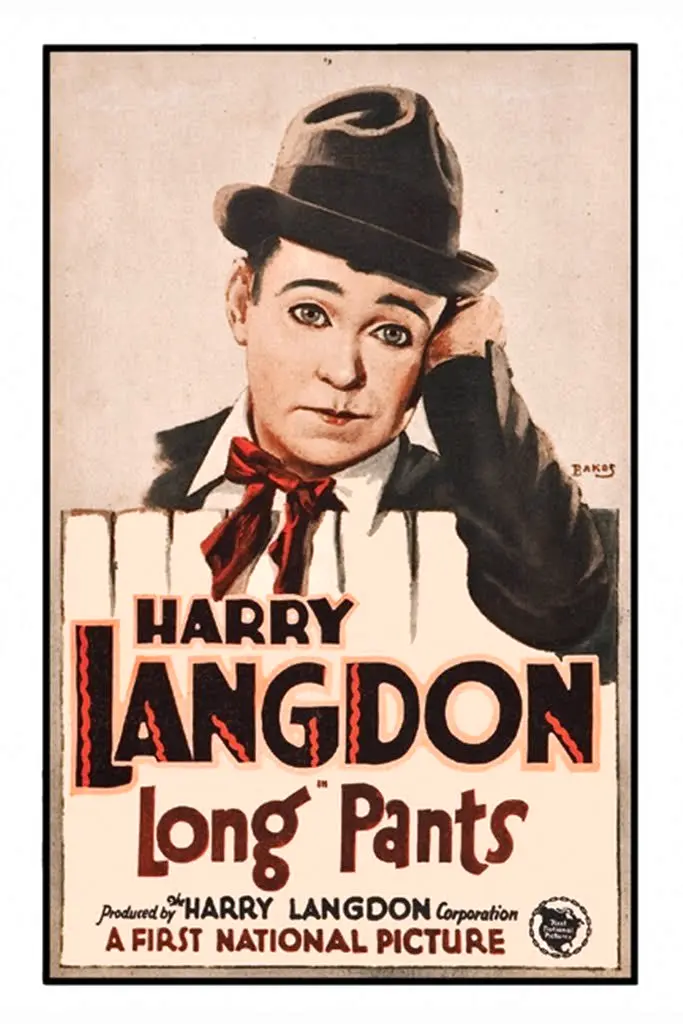
A definitive 6.2/10 rating for a film that redefined the boundaries of cult cinema. Long Pants remains a cornerstone of transgressive art.
Is Frank Capra's uncredited directorial effort, "Long Pants," worth watching today? Short answer: absolutely, but prepare for an unsettling ride through the peculiar mind of Harry Langdon. This 1927 silent comedy-drama stands as a fascinating, if sometimes jarring, artifact of its era, offering a darkly humorous exploration of arrested development and misguided desire.
This film is undoubtedly for silent film enthusiasts, those who appreciate the nuanced performances of the era, and viewers with a taste for dark comedy that pushes boundaries. It's a goldmine for film historians interested in the early careers of legends like Capra and the unique star power of Langdon. However, "Long Pants" is decidedly not for audiences expecting straightforward slapstick, a purely lighthearted romance, or easily digestible narratives. Its tonal shifts and the morally ambiguous journey of its protagonist can be challenging for those unaccustomed to the specific conventions, and subversions, of 1920s cinema.
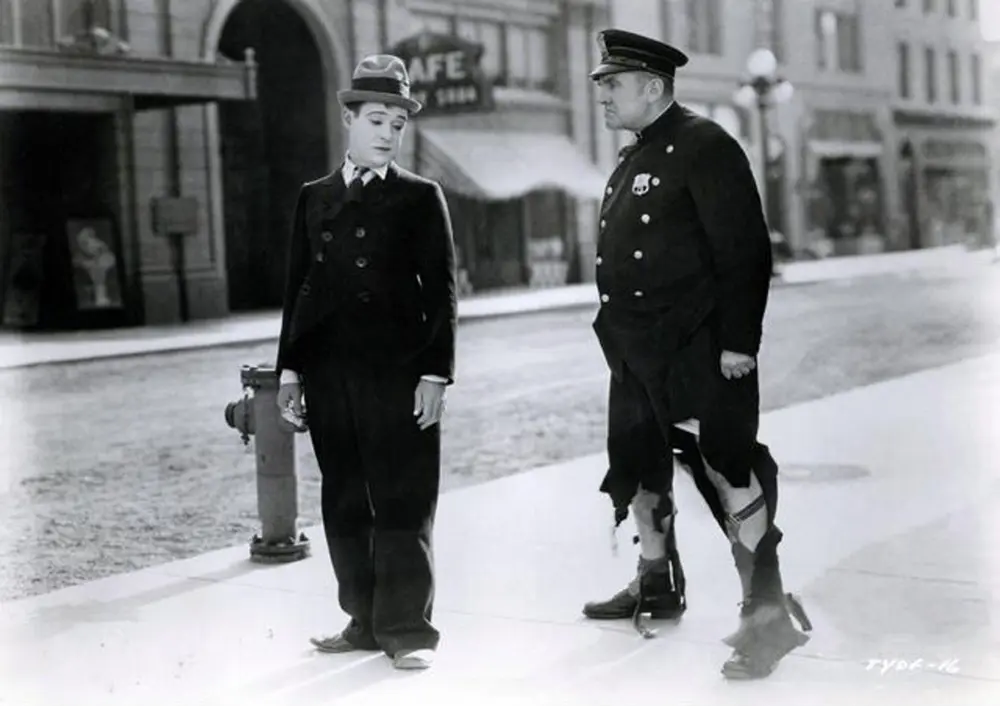
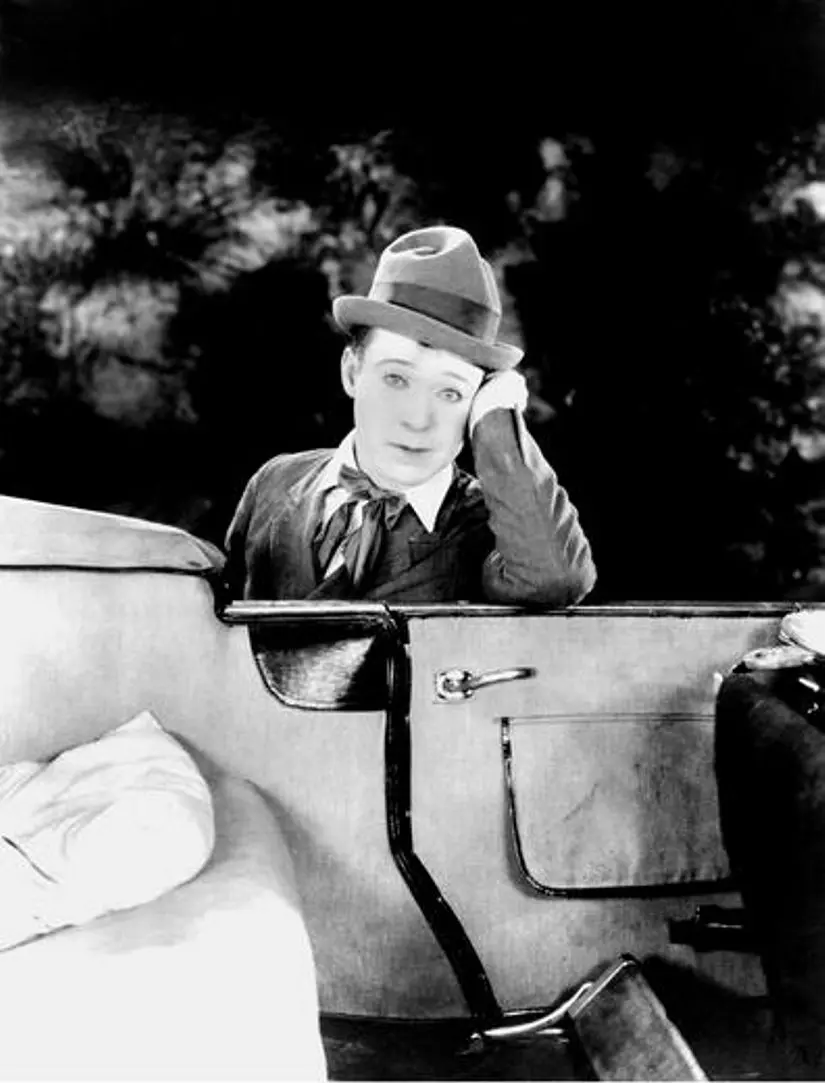
Scene from Long Pants
Cinematic perspective: Exploring the visual vocabulary of Long Pants (1927) through its definitive frames.
Why Long Pants Endures
Early in its runtime, "Long Pants" establishes a peculiar rhythm that is both disarmingly innocent and subtly menacing. It works, despite its age, for several compelling reasons:
This film works because: It masterfully deploys Harry Langdon's unique screen persona – a childlike man-child whose wide-eyed innocence masks a surprising capacity for misguided malevolence. This tension is its central engine, brilliantly subverting audience expectations of typical silent comedy heroes. The uncredited direction by Frank Capra also brings a narrative drive and thematic depth often absent in lesser silent comedies, ensuring the escalating absurdity feels earned rather than random.
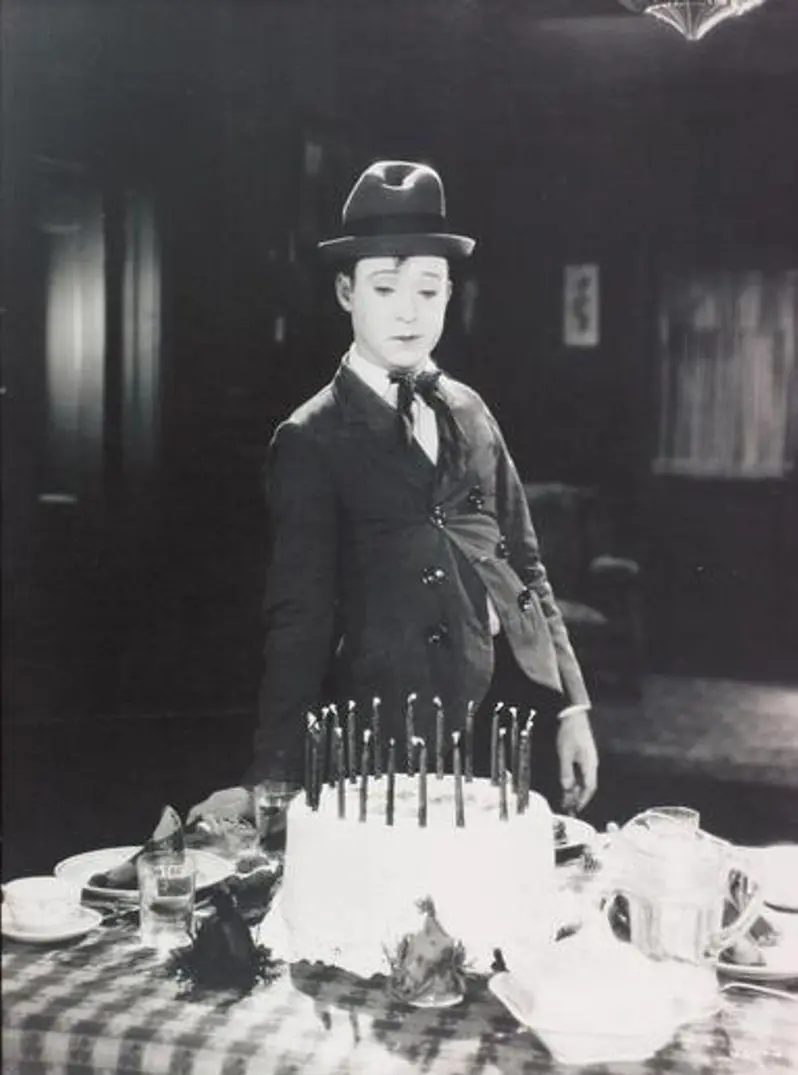
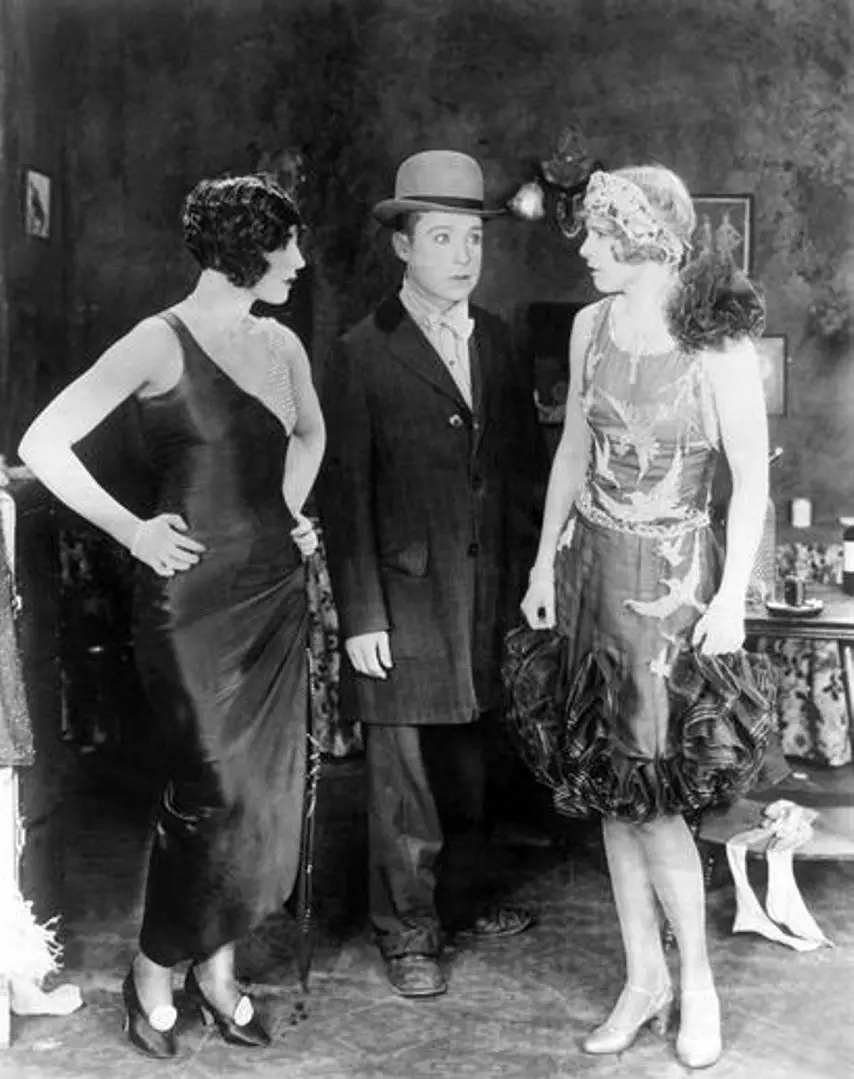
Scene from Long Pants
Cinematic perspective: Exploring the visual vocabulary of Long Pants (1927) through its definitive frames.
This film fails because: Its pacing, while deliberate, can feel sluggish in certain sequences, particularly in the initial setup of Harry's mundane life before Bebe's arrival. Modern viewers, accustomed to faster narrative progression, might find these stretches demanding. Furthermore, some of the comedic beats, while groundbreaking for their time, occasionally fall flat today, relying on visual gags that haven't aged as gracefully as the film's darker thematic elements.
You should watch it if: You are a cinephile keen on exploring the hidden gems of the silent era, particularly those that dared to blend genres and challenge the conventions of their time. It's also essential viewing for anyone interested in the foundational work of Frank Capra and the singular, often disturbing, genius of Harry Langdon.
Scene from Long Pants
Cinematic perspective: Exploring the visual vocabulary of Long Pants (1927) through its definitive frames.
The Perilous Innocence of Harry Langdon
Harry Langdon, often overshadowed by contemporaries like Chaplin, Keaton, and Lloyd, carved out a truly unique niche in silent cinema. His screen persona in "Long Pants" is not merely that of a well-meaning dimwit, but something far more unsettling. From the moment he receives his titular "long pants," a symbol of manhood he is ill-equipped to handle, Langdon portrays Harry Shelby with a wide-eyed, almost angelic naiveté that quickly proves to be a thin veneer over a dangerously impulsive and self-absorbed core.
Langdon's genius lies in his ability to maintain this innocent facade even as Harry contemplates and attempts murder. Consider the scene where he tries to push Priscilla's car over a cliff. His expressions are not those of a hardened villain, but rather a child utterly bewildered by the unexpected resistance of the world to his desires. He isn't evil in the traditional sense; he's a burgeoning sociopath, utterly devoid of empathy, whose actions stem from a self-serving, childlike logic. This is a bold, even shocking, character choice for a comedic lead of the era.
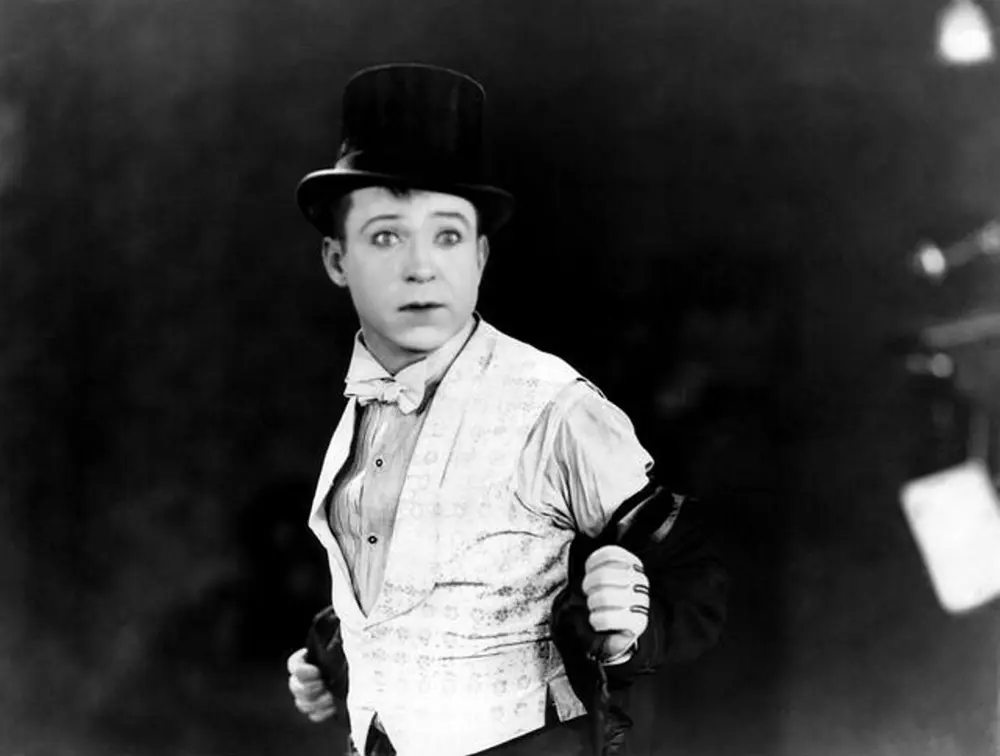
Scene from Long Pants
Cinematic perspective: Exploring the visual vocabulary of Long Pants (1927) through its definitive frames.
His physical comedy, often slow and deliberate, serves to amplify this sense of detachment. When he repeatedly botches his attempts to dispose of Priscilla, his movements are less slapstick and more the clumsy, frustrated flailing of someone whose grand plans are consistently undermined by reality. Rosalind Byrne, as Bebe, the femme fatale, provides a stark contrast. Her knowing glances and confident swagger highlight Harry's immaturity, while Priscilla Bonner, as the sweet, unsuspecting fiancée Priscilla, embodies the innocence Harry so carelessly tries to destroy. Bonner’s performance grounds the film, providing a moral compass that Harry utterly lacks.
Capra's Uncredited Hand: Directing the Absurd
Though uncredited, Frank Capra's directorial vision is unmistakably present in "Long Pants." This film, alongside his other early works with Langdon like "The Strong Man," showcases a director unafraid to blend genres and explore darker themes within a comedic framework. Capra's control over the film's tone is remarkable; he guides the narrative from lighthearted domestic comedy to a surprisingly sinister thriller without ever losing sight of Langdon's central, peculiar performance.
Scene from Long Pants
Cinematic perspective: Exploring the visual vocabulary of Long Pants (1927) through its definitive frames.
Capra employs a keen eye for visual storytelling. The initial scenes in Harry's childhood home, with its cluttered, almost suffocating atmosphere, perfectly illustrate his stunted growth. The contrast between this stifling environment and the vibrant, dangerous world of Bebe (who, incidentally, is a cocaine smuggler – a remarkably edgy detail for 1927) is starkly drawn. The sequence where Harry attempts to rescue Bebe from prison is a masterclass in escalating comedic tension, leveraging visual gags and careful editing to build suspense and absurdity.
One of Capra's greatest strengths here is his ability to let Langdon's performance breathe, allowing the audience to truly inhabit Harry's skewed perspective. He doesn't shy away from the moral ambiguities, but rather embraces them, letting the audience squirm in discomfort as Harry's schemes grow increasingly desperate and morally reprehensible. This willingness to push boundaries, to craft a protagonist who is both pitiable and terrifying, hints at the narrative daring that would define Capra's later, more celebrated works, albeit in different registers.
A Visual Language of Subversion: Cinematography and Tone
The cinematography in "Long Pants," handled by Elmer Dyer, serves the film's unique tonal demands with remarkable precision. Shots are often framed to emphasize Harry's isolation, even within a crowd, or to highlight the vast gulf between his internal fantasy and external reality. Close-ups on Langdon's face are particularly effective, capturing the subtle shifts in his childlike expressions that belie his dark intentions.
The pacing, while occasionally slow by modern standards, is deliberate. It allows the audience to fully grasp the absurdity of Harry's decisions and the slow-burn escalation of his ill-conceived plans. This isn't a film that rushes its jokes or its dramatic turns; it luxuriates in the discomfort, letting the implications of Harry's actions sink in. The score, as with many silent films that have been re-scored, plays a crucial role in navigating these tonal shifts, often using upbeat, innocent melodies to underscore the increasingly sinister visuals.
The film's tone is its most distinctive and perhaps most challenging aspect. It oscillates wildly between broad comedy and genuinely dark psychological drama. This blend was revolutionary for its time and remains startlingly effective today. It forces the audience to confront the uncomfortable truth that innocence, when coupled with extreme self-interest and a lack of moral compass, can be far more dangerous than overt villainy. This unconventional approach makes "Long Pants" a film that sticks with you, provoking thought long after the final reel.
Is Long Pants Worth Watching Today?
Yes, "Long Pants" is absolutely worth watching today. It offers a unique window into silent film's artistic depth. The film showcases a groundbreaking performance from Harry Langdon. Its uncredited direction by Frank Capra is historically significant. It challenges viewers with its dark humor and unsettling themes. It remains a powerful example of early cinematic subversion.
Key Takeaways
Best for: Silent film aficionados, fans of dark comedy, and those interested in early cinematic subversion and Frank Capra's foundational work.
Not for: Viewers expecting straightforward slapstick, lighthearted romance, or easily digestible narratives. It requires patience and an appreciation for the era's unique storytelling.
Standout element: Harry Langdon's unsettlingly innocent yet darkly determined performance, which redefines the silent comedy protagonist.
Biggest flaw: Some pacing issues in the first act and certain comedic gags that haven't aged as gracefully as the film's thematic depth.
Pros and Cons
Pros:
Exceptional, nuanced performance from Harry Langdon, challenging traditional comedic archetypes.
Remarkable tonal balance, blending dark humor with genuine dramatic tension.
Historically significant as an early work from director Frank Capra, showcasing his narrative ambition.
Subversive plot that defies audience expectations for a silent comedy.
Strong supporting performances, particularly Priscilla Bonner, who grounds the film.
Cons:
Pacing can feel slow in the initial setup, potentially testing modern audiences' patience.
Certain visual gags are dated and may not elicit laughter from contemporary viewers.
The dark subject matter and morally ambiguous protagonist might be off-putting for some.
Requires an appreciation for silent film conventions to fully engage with its brilliance.
Verdict
"Long Pants" is not just a relic of the silent era; it’s a compelling, often uncomfortable, piece of cinematic art that continues to resonate. It works. But it’s flawed. Harry Langdon's portrayal of Harry Shelby is a masterclass in playing against type, delivering a performance that is both hilarious and deeply unsettling. Frank Capra, even in an uncredited capacity, demonstrates a nascent directorial genius, steering the film through its precarious tonal shifts with remarkable skill. While its pacing might occasionally drag and some humor might feel dated, its core themes of arrested development, misguided desire, and the dark side of innocence remain powerfully relevant. For those willing to engage with its unique sensibility, "Long Pants" offers a truly rewarding and thought-provoking experience, cementing its place as an essential, if often overlooked, entry in the silent film canon.