DbcultAccessing Vault...
6/10
Senior Film Conservator
A definitive 6/10 rating for a film that redefined the boundaries of cult cinema. Man Crazy remains a cornerstone of transgressive art.
Is Man Crazy a hidden gem of the silent era? Short answer: Yes, but only if you appreciate the jarring collision of high-society melodrama and early action-thriller tropes.
This film is for viewers who enjoy watching the rigid social structures of the 1920s get dismantled by a bit of grease and grit. It is certainly not for those looking for a consistent, lighthearted romantic comedy, as the third-act shift into criminality is unexpectedly dark.
1) This film works because: The chemistry between Dorothy Mackaill and Jack Mulhall feels surprisingly modern and grounded compared to the era's typical pantomime acting.
2) This film fails because: The transition from a social satire to a hijacking thriller is clumsy, leaving the audience with narrative whiplash.
3) You should watch it if: You are a fan of class-defying romances like The Texan or the sophisticated social critiques found in The Ace of Cads.
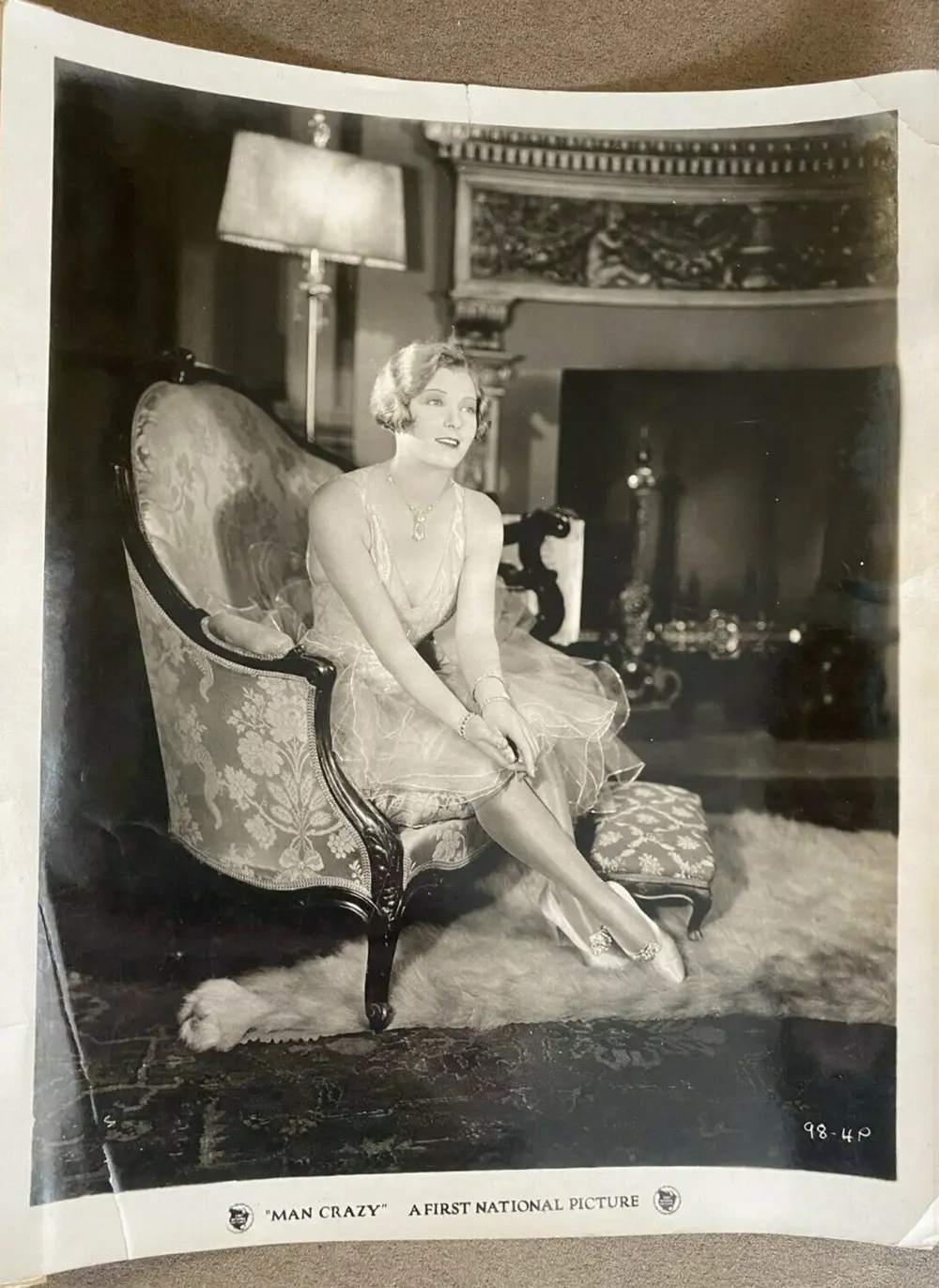
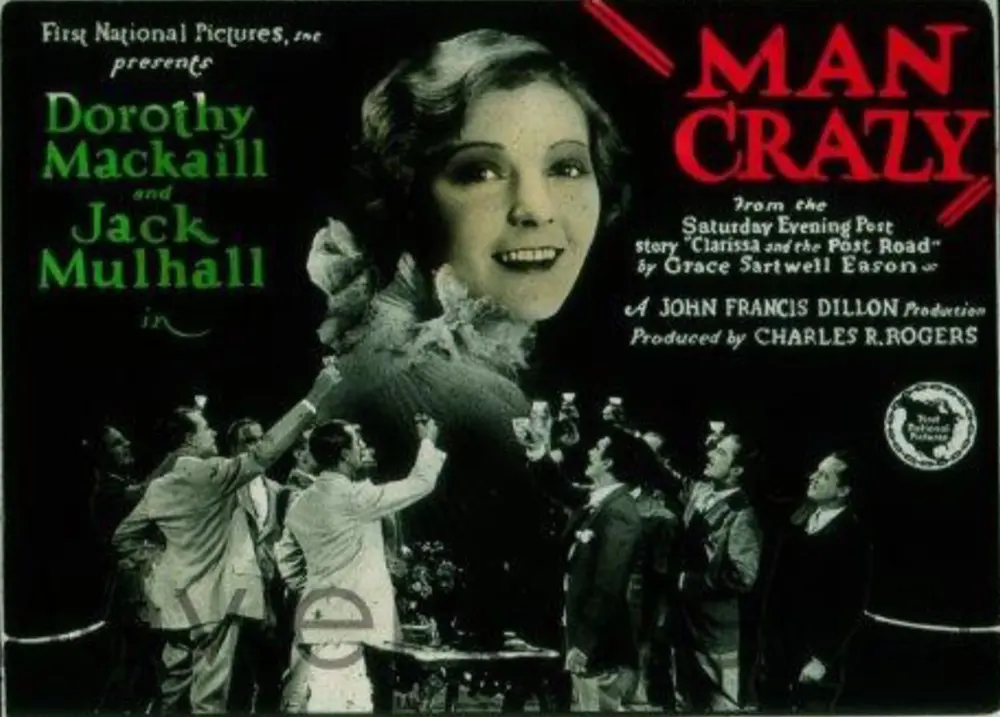
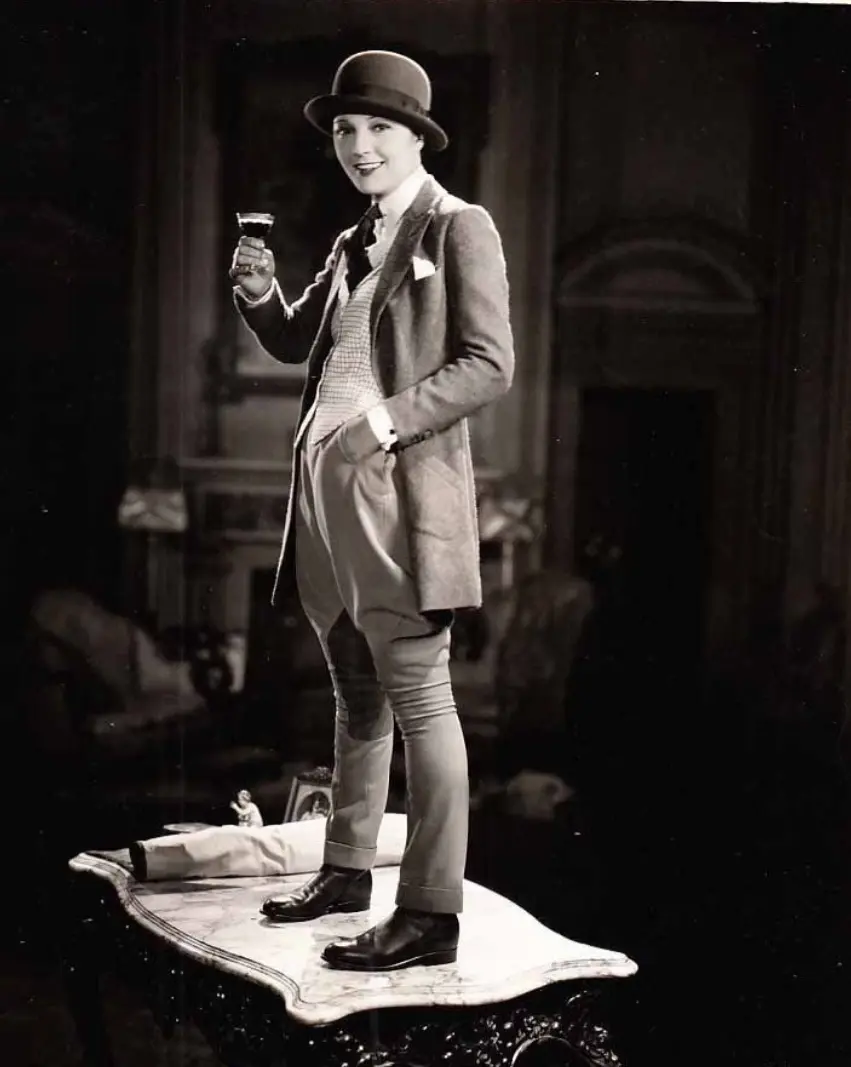
Dorothy Mackaill delivers a performance that anchors the entire production. As Clarice, she isn't just a 'spoiled heiress'; she is a woman suffocating. The early scenes in the high-society ballrooms are shot with a certain coldness, highlighting the artificiality of her world. This stands in stark contrast to the later scenes on the open road. Mackaill uses her eyes to convey a desperate hunger for something real, a trait we also see in the lead of The Common Law (1923).
The scene where she first encounters the truck driver is a masterclass in visual storytelling. There is no dialogue needed to understand her fascination. The grease on his face and the roar of the engine represent a life she has been denied. It's a primal attraction that bypasses the intellectualized matches her family prefers. It works. But it’s flawed. The film spends so much time establishing her boredom that when the action finally kicks in, it feels like a different movie entirely.
Jack Mulhall plays the truck driver with a sturdy, no-nonsense charm. In the 1920s, the truck driver was a symbol of the emerging industrial working class—a figure of rugged masculinity that stood in opposition to the 'effete' upper-class suitor. This dynamic is a staple of the era, yet Man Crazy handles it with more sincerity than most. The film doesn't mock the driver's lack of polish; instead, it mocks the family's obsession with it.
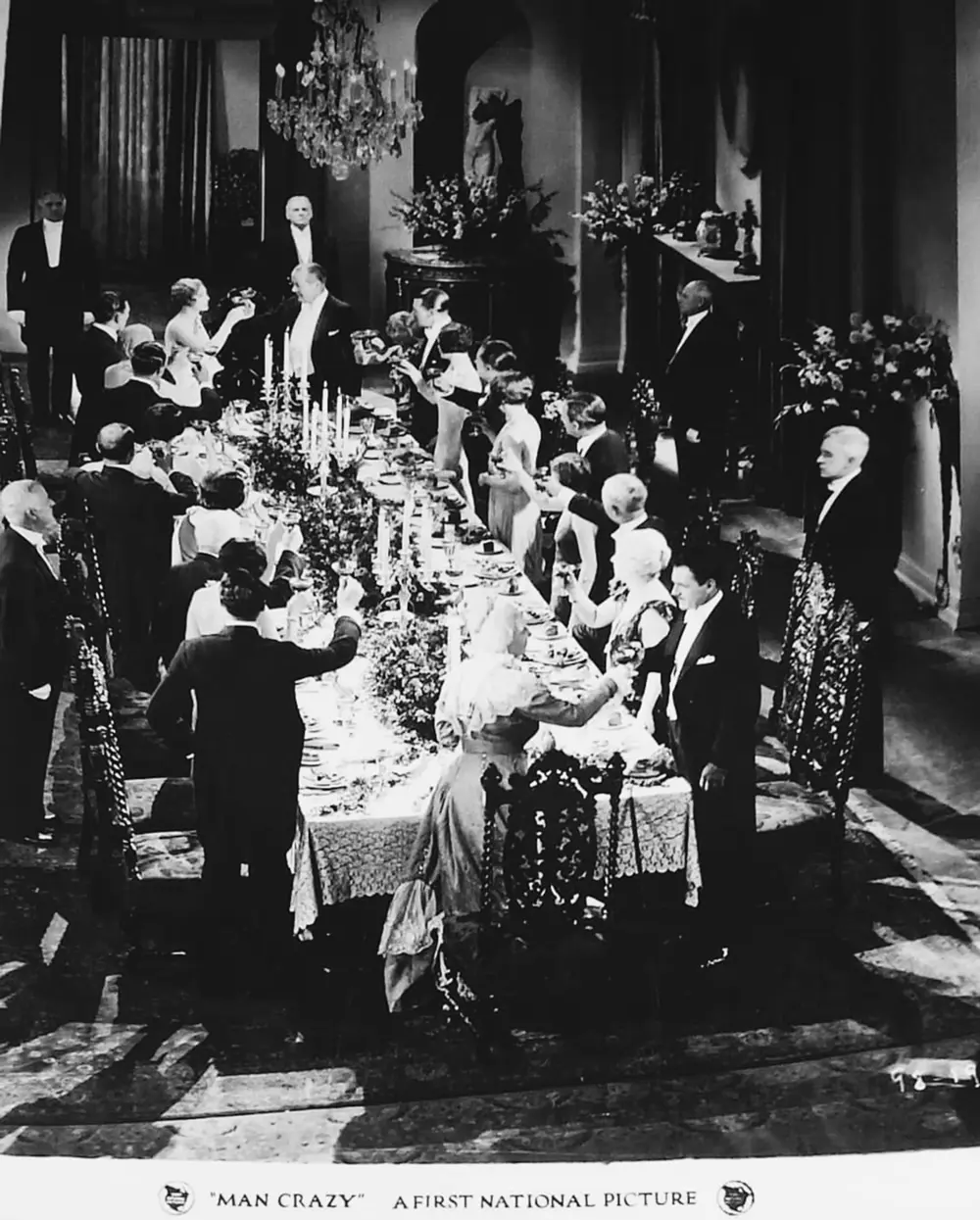
Consider the dinner scene where the family discusses Clarice's future. The dialogue intertitles are sharp and biting, exposing the transactional nature of high-society marriage. It reminds one of the biting social commentary in Social Hypocrites. The family isn't interested in her happiness; they are interested in the consolidation of wealth. This makes her eventual elopement feel not just like a romantic choice, but a political one.
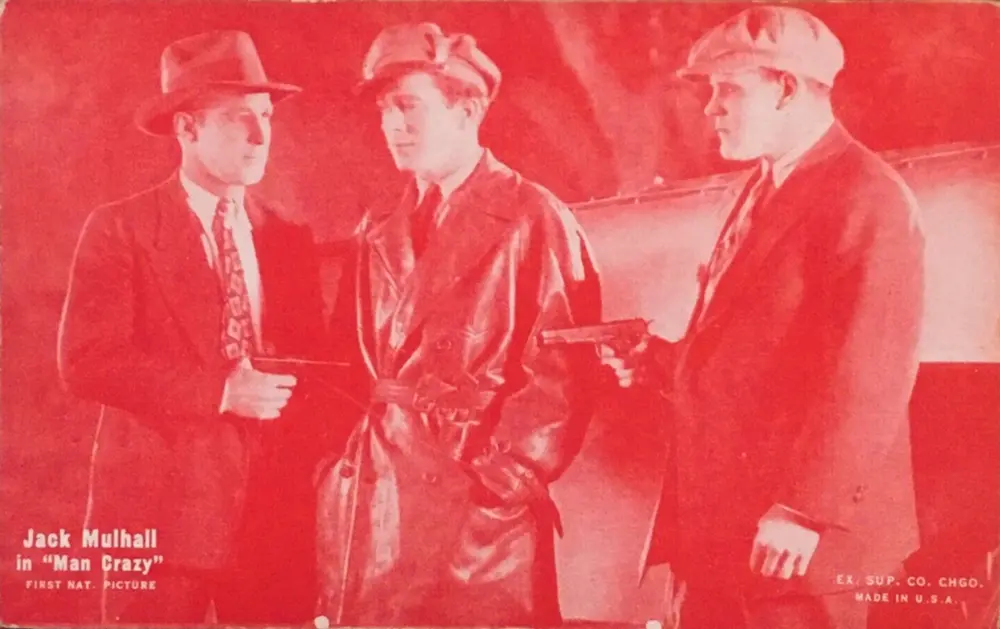
The 'crimp' in their plans—the hijacking gang—is where the film takes its most daring and divisive turn. For the first hour, we are watching a character study. Suddenly, we are in the middle of a crime procedural. The shift is abrupt. One moment Clarice is contemplating her life choices, and the next, she is dodging bullets on a dusty highway. It is a bold choice, but one that feels dictated by a need for 'excitement' rather than organic character growth.
However, the hijacking sequences themselves are impressively staged for 1927. The use of real locations and moving vehicles adds a level of kinetic energy that was rare for the period. If you look at the stunt work in Trolley Troubles, you see the era's fascination with vehicular chaos, but Man Crazy plays it for genuine suspense rather than laughs. The stakes feel real because we have spent so much time becoming invested in the couple's escape.
Yes, Man Crazy is worth watching for anyone interested in the evolution of the American 'road movie.' It captures a specific moment in time when the automobile represented the ultimate tool for social mobility and personal liberation. While the plot is uneven, the performances and the gritty cinematography make it a compelling artifact of the late silent era.
Pros:
Cons:
The direction by the collective team (Perry Nathan and others) is surprisingly fluid. They utilize close-ups to great effect, capturing the internal monologue of a woman trapped by her status. The pacing in the first half is deliberate, almost slow, which serves to emphasize Clarice's boredom. However, once the elopement begins, the film accelerates—perhaps too quickly. The editing becomes frantic during the hijacking, which mirrors the characters' panic but might leave some viewers confused.
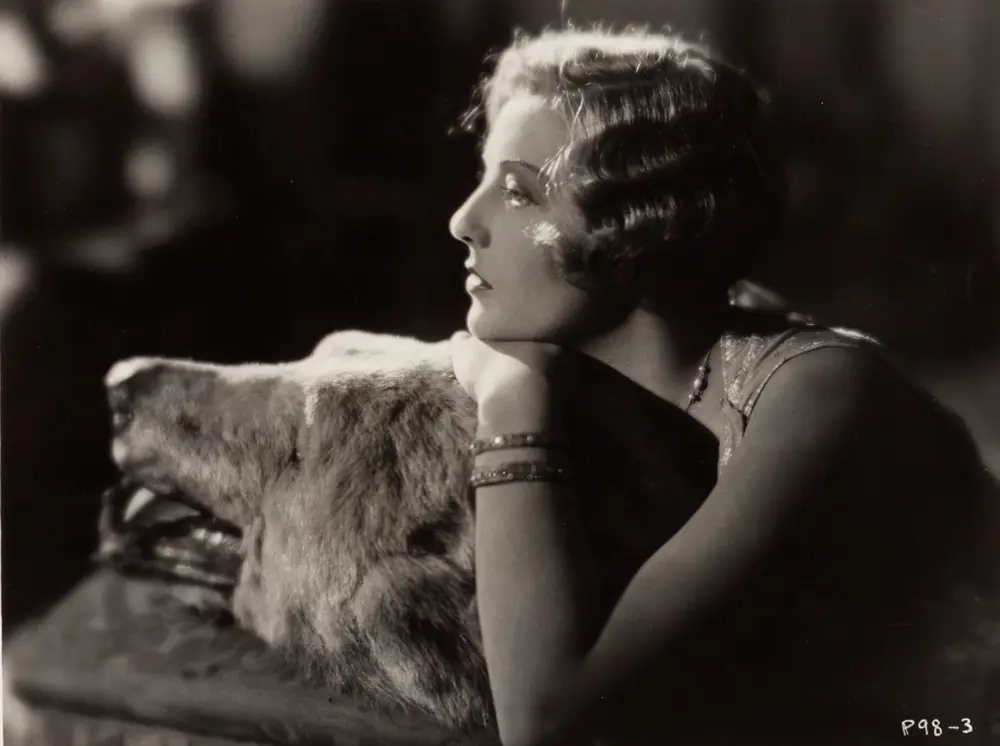
The cinematography deserves a mention for its use of natural light in the outdoor sequences. Compared to the staginess of many contemporary films, the 'road' scenes feel authentic. There is a texture to the film—a sense of dust and wind—that elevates it above standard studio fare. It lacks the stylized artistry of something like Bela, but it makes up for it with a sense of urgent realism.
In 1927, the concept of a woman leaving her high-society life for a blue-collar worker was a radical fantasy. Man Crazy tapped into the burgeoning 'flapper' spirit—the idea that young women could and should define their own destinies. This film isn't just about a girl and a truck; it's about the death of the Victorian social order. When Clarice rejects the wealthy suitor, she is rejecting the 19th century. When she climbs into the truck, she is embracing the 20th.
This theme of social upheaval is common in films like Married Alive, but Man Crazy adds a layer of physical danger that makes the rebellion feel more consequential. It’s not just a social faux pas; it’s a life-or-death struggle. This elevates the film from a simple 'poor boy, rich girl' story into something more visceral and enduring.
Man Crazy is a fascinating, if slightly fractured, piece of cinema. It attempts to bridge the gap between a drawing-room drama and a highway thriller, and while it doesn't always succeed, the effort is commendable. Dorothy Mackaill is the heart of the film, providing a performance that is both vulnerable and fierce. It is a film that understands the cost of freedom. It is messy. It is loud. It is human. If you can forgive the clunky plot shifts, you will find a story that still resonates today. It’s a wild ride that proves that even in 1927, people were tired of the status quo. Watch it for the history, stay for the rebellion.
IMDb 5.5
1923
Community
Log in to comment.