DbcultAccessing Vault...
Cult Review
Senior Film Conservator
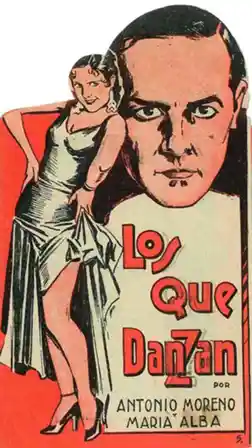
Okay, so Los que danzan is definitely not for everyone. If you’re looking for fast-paced action or crisp dialogue, you’ll probably bounce off this one pretty hard. But if you have even a slight soft spot for really old movies, especially those beautiful silent dramas, then you might just find something here worth your time. It’s a bit slow, sure, but it has this undeniable charm, a peek into a different world.
This film, from way back in 1929, really makes you appreciate how much storytelling used to rely on gestures and facial expressions. There are these long, lingering shots on Maria Alba’s face, especially when her character is making a big decision. You can almost feel her weighing the options, even without a single word spoken.
The title itself, 'Those who dance,' kinda sets the stage, right? There's a big ballroom scene, early on, that just feels *grand*. The costumes are pretty amazing, honestly. I kept noticing the intricate details on the background extras’ dresses; someone put a lot of work into those.
Pablo Álvarez Rubio plays a character with this sort of _dashing_ rogue vibe. He’s all broad smiles and quick movements, which really stands out against some of the more restrained performances. At one point, he just throws his head back laughing, and it’s so over-the-top, you can’t help but smile. 😂 It’s a silent film, but you can almost hear the booming sound.
The pacing is… deliberate. Some scenes feel like they go on about 20 seconds too long, and the silence starts to feel awkward rather than emotional, but that’s part of the experience, I guess. It makes you really focus on the small things happening in the frame.
One particular moment that stuck with me was a close-up on a broken necklace. It’s a very quick shot, maybe two seconds, but it just hits you with the weight of whatever personal drama is unfolding. It's a small detail, but really effective for its time.
José Soriano Viosca, he plays this more serious, almost brooding character. His eyes, man, they carry a lot of sadness. There's a scene where he’s watching Maria Alba from across a room, and the camera just holds on him. You don't need title cards to know exactly what he’s feeling. It's all there in his posture, the way his shoulders slump ever so slightly.
The movie gets noticeably better once it stops taking itself *too* seriously and lets the emotions of the characters just play out. There are a few moments of genuine levity that are a welcome break from the drama, usually thanks to a well-timed visual gag.
Honestly, it's a good film for a quiet afternoon. Don't expect to be blown away by special effects, obviously. But if you're into the history of cinema, and want to see how stories were told before sound really took over, this is a solid choice.
IMDb 6.3
1931
Community
Log in to comment.