DbcultAccessing Vault...
Cult Review
Senior Film Conservator
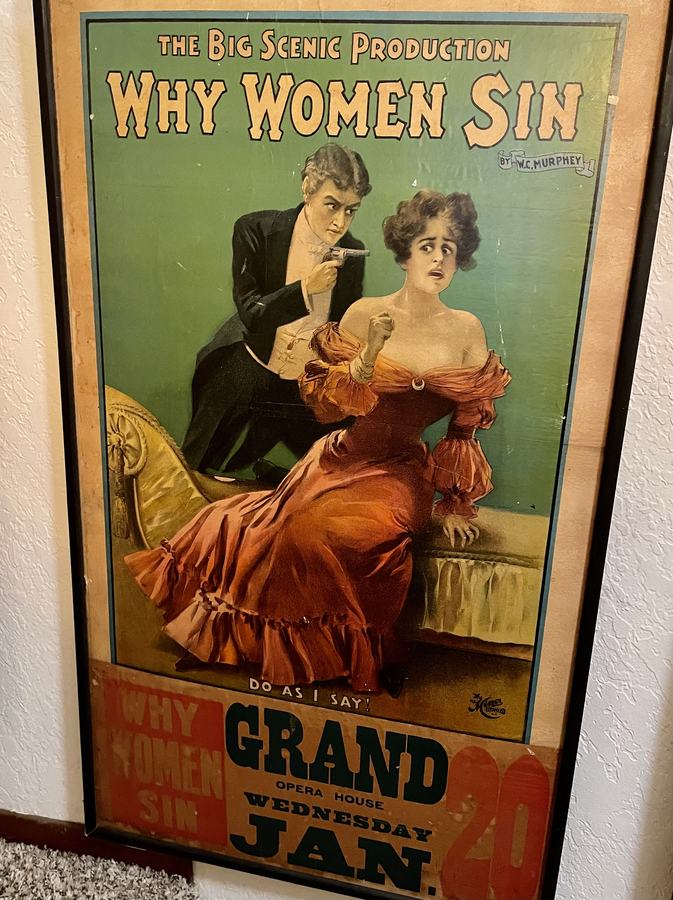
The reels of Why Women Sin unspool like lacquered playing cards fanned across a green-felt table—each frame glossy, scented with intrigue, and slippery enough to escape the grasp of anyone who believes politics and intimacy inhabit separate wings of the soul. Released in the waning twilight of the silent era, this 1926 curio directed by a workmanlike yet intermittently inspired team (Lonergan on story duty, Murphy orchestrating the visuals) lands somewhere between morality play and pulp fever dream. Its six-reel concoction of forged nobility, sham swoons, and last-act absolution may scan as creaky melodrama to modern palates, yet beneath the shellac lies a surprisingly elastic parable about what happens when public ambition cannibalizes private oxygen.
Forget the tidy synopses printed on vintage lobby cards—this narrative is a femme-fatale-shaped inkblot. Philip Pemberton, played with ramrod intensity by Jack W. Johnston, treats his marriage the way a campaign manager treats an exhausted donor list: indispensable until it stops producing numbers. Dorothy (Claire Whitney) haunts the periphery of her own household, a ghost sipping tea in echoing parlors while Philip’s tuxedoed silhouette shuttles from banquet hall to banquet hall. Their domestic silence is not absence but negative space, a canvas waiting for Horton’s graffiti.
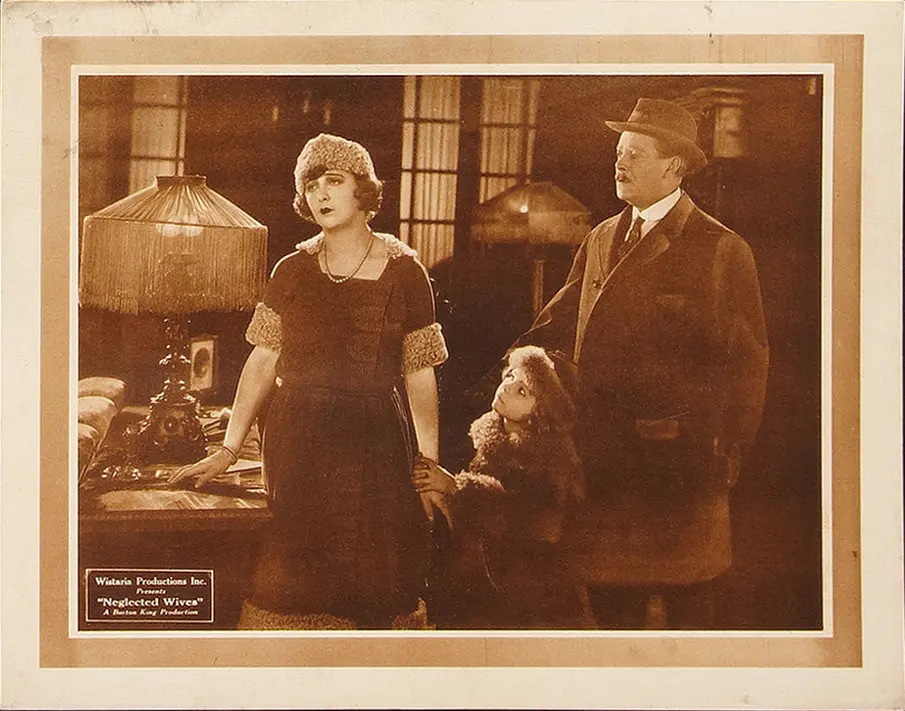
Horton—equal parts Rasputin and ward heeler—embodies the urban machine in a Panama hat. E.J. Ratcliffe gnaws the scenery with such gusto you half expect tooth marks on the intertitles. His scheme is devilishly Rube Goldbergian: hire two grifters, tart them up as Continental aristocracy, and let them drift into Dorothy’s orbit like glittering toxins. The so-called Baroness, essayed by Anna Luther with a wink that could trigger seismic activity, is a marvel of calculated vulnerability. Watch how her gloved hand flutters to her décolletage in the speeding roadster—an ostensibly spontaneous gesture that lands with the precision of a marksman’s shot.
The pivotal inn sequence feels lifted from a feverish operetta: velvet counterpanes, a thunderclap timed by the gods of studio stock footage, and a bedroom that shrinks into a velvet-lined trap. Cinematographer Al Hart lenses the moment through a keyhole vignette, as though even the camera itself is spying. When the Baron bursts in, mustache aquiver with sham indignation, the montage accelerates—door slams, curtain bellow, a traveling matte of headlights scything across the window like moral judgment. The audience, complicit voyeurs, become accessories to an ephemeral crime.
Silent-film acting is often caricatured as brows arched to the stratosphere, yet Whitney’s Dorothy operates in minor keys: the slump of a shoulder beneath organza, a blink held one frame too long, a smile that expires before it reaches the eyes. Her restraint amplifies the humiliation once the trap is sprung; the viewer feels the sting of slander precisely because Dorothy’s suffering refuses to telegraph itself.
Conversely, Johnston’s Pemberton is all clenched fists and forward momentum. His body language is a campaign poster in motion—until the detective’s revelation crashes over him like ice water. The moment of recognition, captured in an extreme close-up that the original Motion Picture Herald deemed “unflinching,” lets the mask slip; the jaw slackens, the pupils dilate, and for the first time the man sees the cost of his blind hunger. It is a resurrection in reverse: a soul returning to its body after an out-of-campaign experience.
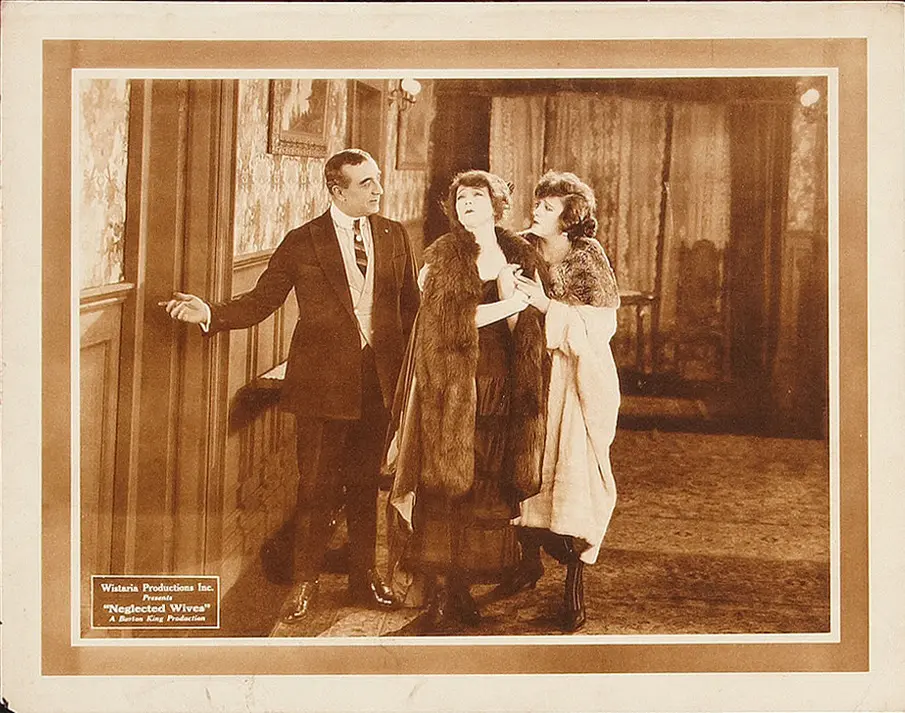
Art direction here is economical but sneakily expressive. Horton’s headquarters, wallpapered in tobacco browns, contrasts with the Pemberton homestead’s pallid pastels—an unspoken clash of entropy versus respectability. During the roadside scam, moonlight is simulated by a gelled arc lamp that sprays the scene with bruised turquoise, prefiguring the noir chiaroscuro of later decades. Meanwhile, the costume designer drapes the Baroness in iridescent lamé that catches every stray photon, turning her into a human lure. The fabric itself becomes dialogue: trust me, I shimmer.
Viewed alongside continental fare of the same year, Why Women Sin shares DNA with the Russian adventure serial Priklyuchenie Liny v Sochi, where cliffhangers hinge on mistaken identities and rapid locomotives. Yet the American picture tempers its adrenaline with Puritan guilt, much as In the Prime of Life filters marital malaise through small-town piety. Meanwhile, the French L’argent qui tue dissects how capital corrodes kinship, but does so with Gallic cynicism rather than the redemption arc that Paramount’s publicity department demanded for U.S. audiences.
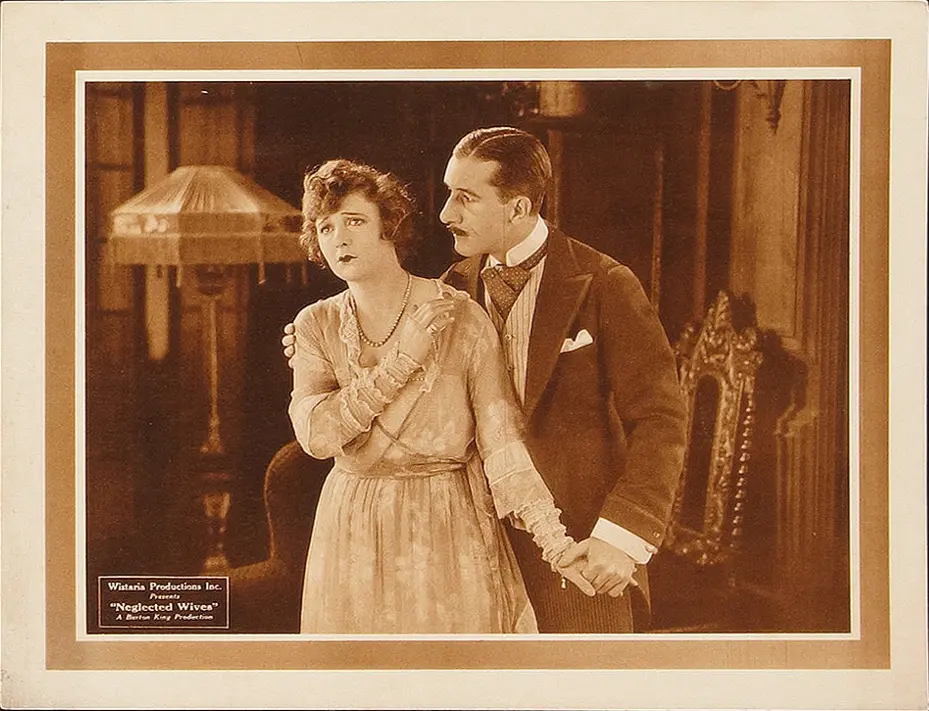
Contemporary critics might bridle at the title’s seemingly misogynistic finger-wag, yet the film’s moral ledger is more balanced than it appears. Dorothy’s alleged “sin” is merely visibility in a world eager to weaponize female presence. Horton’s machinations rely on patriarchal anxiety: a wife’s compromised virtue equals automatic disqualification for the husband. The narrative, however, grants Dorothy the climactic agency; her capacity to forgive becomes the hinge on which destiny pivots, not Horton’s smoky extortion. The title, then, is ironic—less a condemnation than a question hurled at a society that manufactures feminine culpability wholesale.
Lonergan’s intertitles eschew the floral circumlocution then in vogue. They snap, they sting, they vanish. When the Baroness hisses “A woman alone is always guilty,” the line lands like a thrown gauntlet, its sans-serif font amplifying bluntness. The brevity complements Murphy’s brisk cutting, especially during the cross-cut climax: ballots tallying upstairs, handcuffs snapping downstairs, Dorothy’s tear lingering in insert shot—three temporal threads braided into a crescendo worthy of a Griffith finale, minus the Victorian bloat.
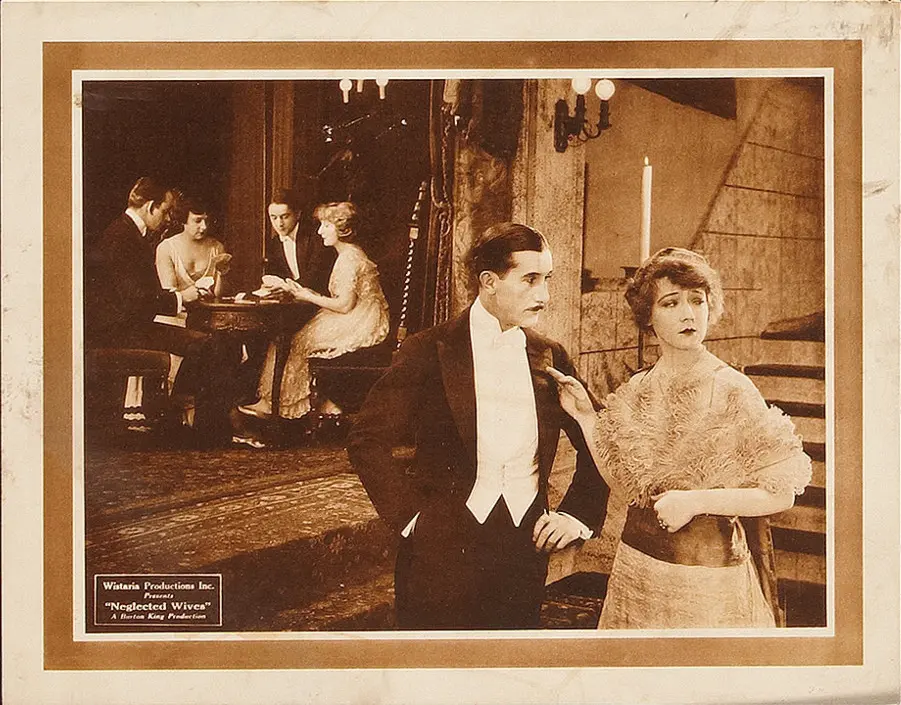
Like many silents churned out by the Eastern studios, Why Women Sin exists only in a 35mm print at the Library of Congress, duplicated on flammable stock that curls like autumn leaves. No DVD, no Blu-ray, no streaming scan. Each year of neglect is a miniature version of Horton’s blackmail: withdraw from public memory or risk total erasure. Archives possess the detective’s evidence but lack the courtroom of mass access. Cinephiles must agitate for digitization before nitrate time-bombs tick themselves into dust.
In 1926, the Chicago Tribune praised the film’s “swift retribution,” while Variety carped that “the dénouement reeks of last-minute miracle.” Both responses, though, conceded the picture’s capacity to keep rural audiences leaning forward in hard seats. Modern viewers attuned to peak-TV twists may anticipate every pivot, yet the film’s emotional sincerity—its conviction that marriages can reboot after near-fatal errors—feels almost radical in an age of irreversible breakups. If watched beside Romeo and Juliet (1916), where adolescent doom seals the fate, Pemberton’s eleventh-hour contrition offers a counter-myth: adults learning, late yet not too late, to curate what matters.
Why Women Sin may never muscle its way into the silents canon alongside Sunrise or Pandora’s Box, but dismissing it is tantamount to ignoring a jigsaw piece that completes the surrounding picture. It is the missing link between the pulpy energy of The Flame of Youth and the social critique embedded in The Law of Compensation. For historians, it’s a time-capsule of campaign trail chicanery pre-Watergate. For casual viewers, it’s a brisk 65-minute reminder that human foibles, like nitrate, remain flammable no matter the decade.
Seek it out if you can—lobby your local archive, pester the programmers, or at the very least stream a decent rip should one surface. Because every time a minor film vanishes, a filament snaps in the grand chandelier of cinema history. And that, dear reader, is the real sin.
IMDb —
1935
Community
Log in to comment.