DbcultAccessing Vault...
Cult Review
Senior Film Conservator
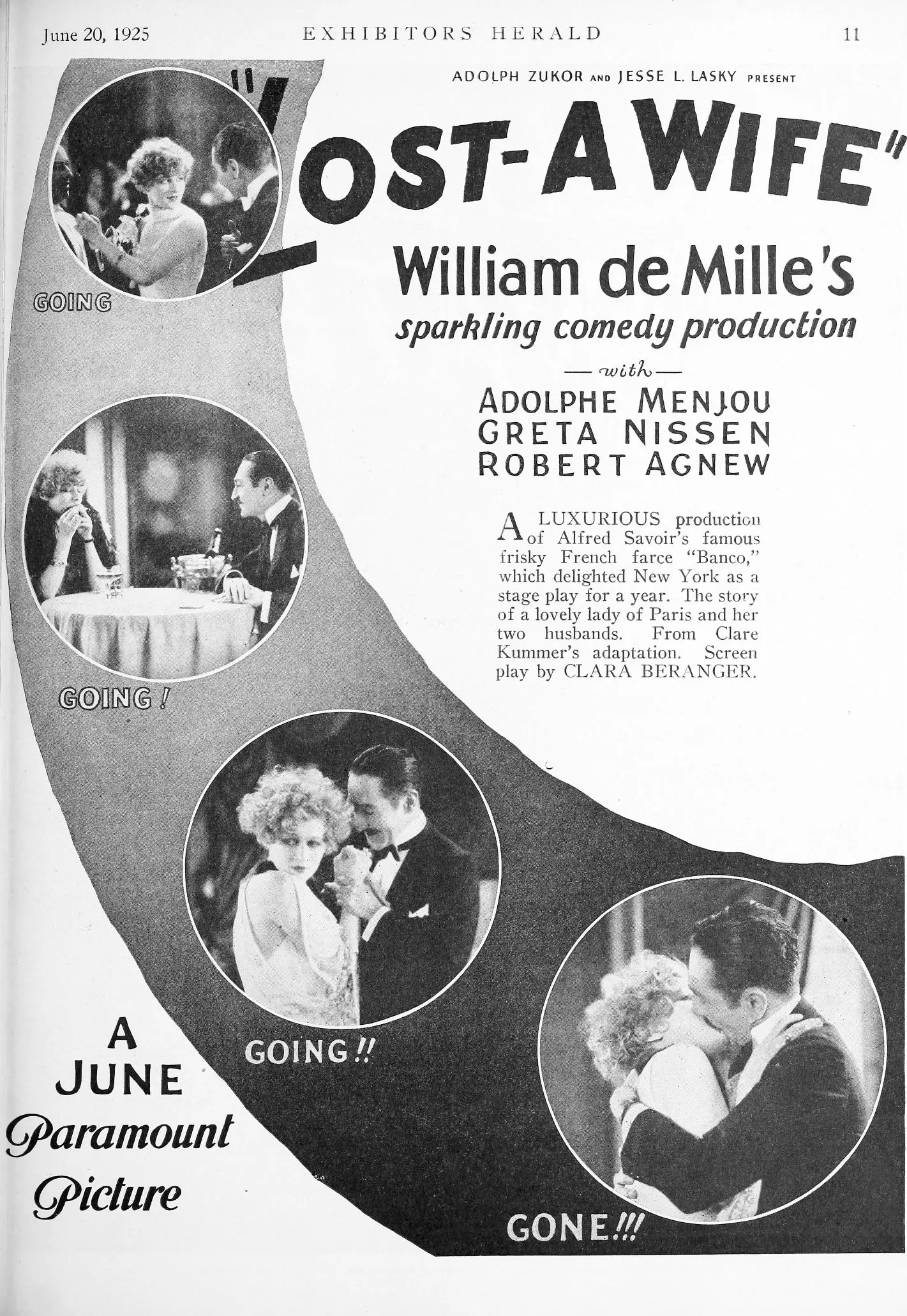
*Lost: A Wife* is a cinematic mosaic of obsession and redemption, a film that dares to dissect the human condition through the prism of a man whose vice is as intoxicating as the love he cannot claim. Directed with a velvet-glove ferocity, this 1930 drama is a testament to the era’s penchant for moral quandaries wrapped in the garb of romantic melodrama. With Henrietta Floyd and Robert Agnew as the magnetic leads, the film’s emotional stakes are as volatile as a rigged roulette wheel, and yet, its heart beats with a sincerity that transcends its oft-derided genre.
Tony Hamilton, a character whose compulsion to gamble is both his Achilles’ heel and his perverse compass, is introduced as a man who lives in the shadow of his own recklessness. When he wagers $5,000 against his friend Dick that he can win the hand of Charlotte Randolph—a woman he’s never met—his bet is less a gamble than a self-fulfilling prophecy. Charlotte, an enigmatic figure betrothed to the enigmatic Duke de Val, is portrayed by Floyd with a poise that masks the fragility of a woman entangled in a web of societal expectations. Their union, sanctioned by a bet and a marriage license, is a farcical parable of how easily passion can be bartered for desperation.
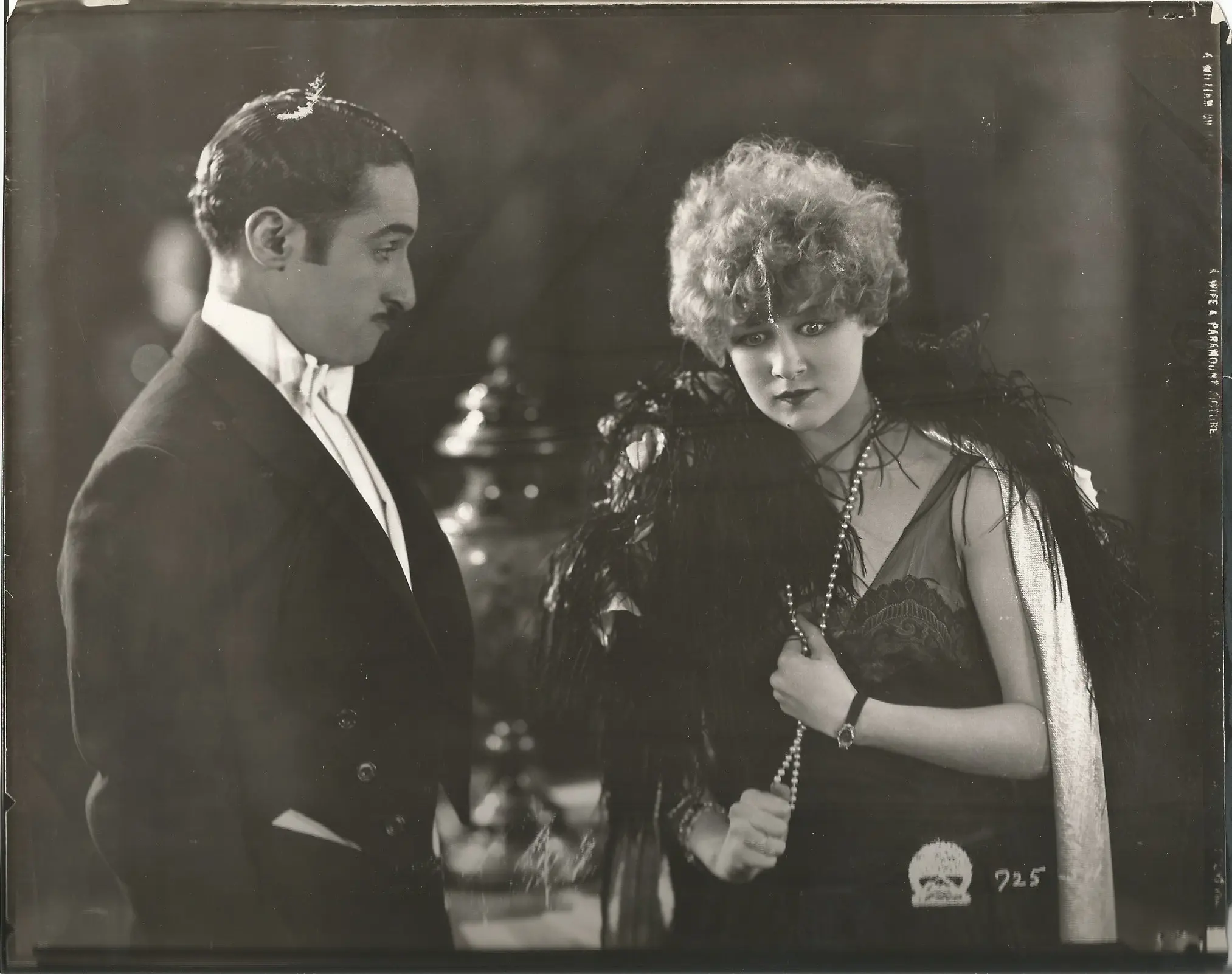
The film’s first act is a masterclass in tension, a tightrope walk between farce and tragedy. The honeymoon sequence, where Tony is granted 10 minutes to gamble at roulette and instead disappears for three days, is a microcosm of his self-destructive nature. Charlotte’s subsequent return to her mother’s home and the dissolution of the marriage feel less like a plot twist than an inevitability, a narrative nod to the inescapability of habit. Yet, the film does not linger in nihilism. A year later, when Charlotte is poised to marry a wealthy baron, Tony’s reemergence is not a redemption arc but a desperate gambit—a man who has doubled down on his flaws, believing love to be a stake he can still win.
The staged automobile accident, a sequence that would feel at home in the surrealist works of Luis Buñuel, is both a narrative highpoint and a visual tour de force. As Tony is carried into Charlotte’s mansion by her servants, the camera lingers on the absurdity of his situation: a man who has spent his life chasing chaos now weaponizes it as a means of salvation. His five-minute ultimatum—"elope with me or face a scandal"—is less a proposal than a final roll of the dice, a gambler’s last throw against the house. Charlotte’s defiance, her assertion that Tony prefers "gambling to love," is a dagger that cuts deeper than any censure from society.
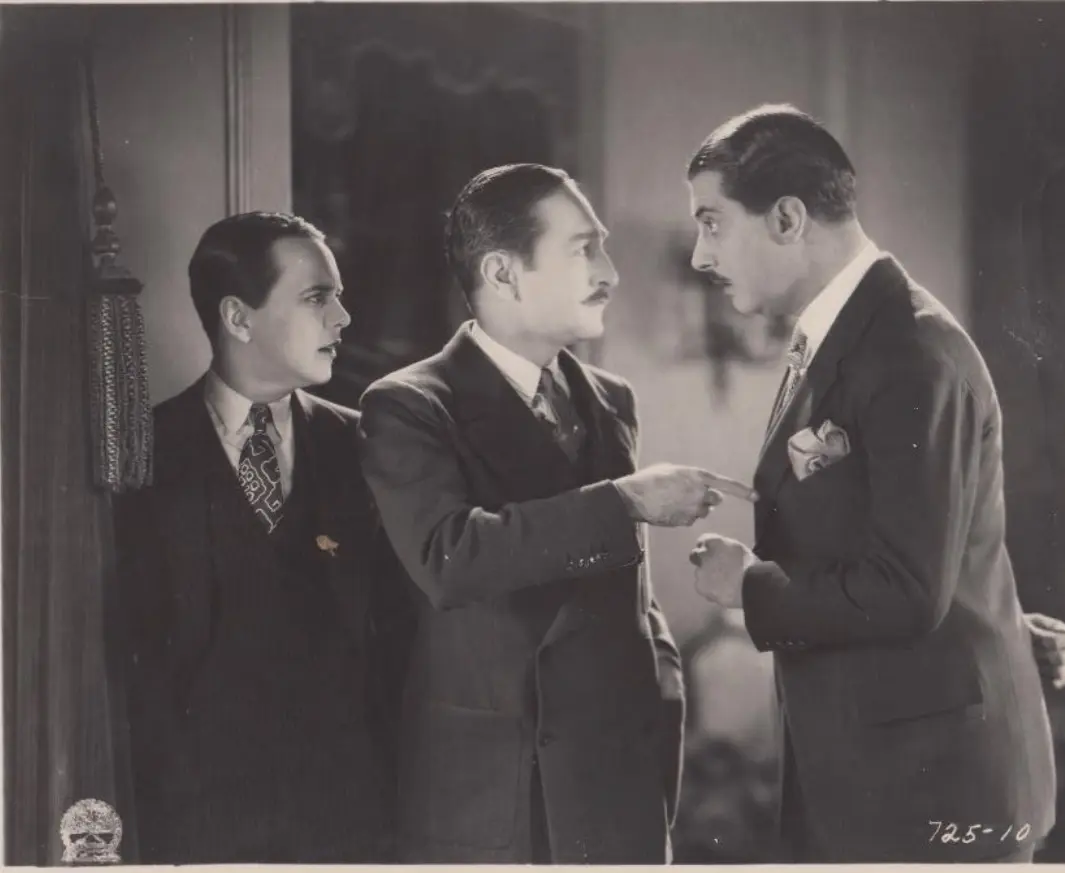
What elevates *Lost: A Wife* beyond the realm of mere melodrama is its refusal to sanitize its characters. Tony is not a reformed sinner; he is a man who clings to the illusion of control in a world that has long since stripped him of it. Charlotte, for all her poise, is not a saint but a woman who has learned to compartmentalize her emotions into societal roles. Their final escape from the baronial mansion—a flight from the altar into the arms of the divorce court—is not a triumph but a truce, a recognition that their shared addiction to each other is as destructive as it is inescapable.
The supporting cast, including Marcelle Corday as Charlotte’s mother and Adolphe Menjou as a sardonic confidant, adds layers of texture to the film. Corday’s performance is a study in quiet devastation, a woman who has watched her daughter become a pawn in a man’s game of chance. Menjou, ever the scene-stealer, injects moments of dark humor, his dry wit a counterbalance to the film’s more operatic moments. Yet, the true stars of *Lost: A Wife* are its themes—the corrosive power of addiction, the commodification of love, and the futility of seeking redemption in a world where the stakes are always too high.

In comparing *Lost: A Wife* to contemporaries like *An Alaskan Honeymoon* or *Days of Daring*, one notes its sharper focus on psychological realism over the slapstick chaos of its peers. While *An Alaskan Honeymoon* trades in physical comedy and *Days of Daring* revels in swashbuckling action, this film is a chamber piece of the soul, its drama unfolding in the hushed corridors of a marriage gone awry. The cinematography, with its chiaroscuro lighting and tight close-ups, evokes the moody tenors of German Expressionism, yet the film never loses its grounding in the emotional truth of its characters.
The script, penned by Clare Kummer and Alfred Savoir, is a labyrinth of double entendres and subtext. The bet between Tony and Dick is not merely a contractual wager but a metaphor for the film’s larger thesis: the human tendency to bet everything on the roll of a metaphorical die. The dialogue crackles with a wit that feels both period-appropriate and timeless, a dance of words that mirrors the precarious balance of the characters’ lives. Even the secondary characters, such as the baron and the Duke, are drawn with enough nuance to avoid becoming mere plot devices.
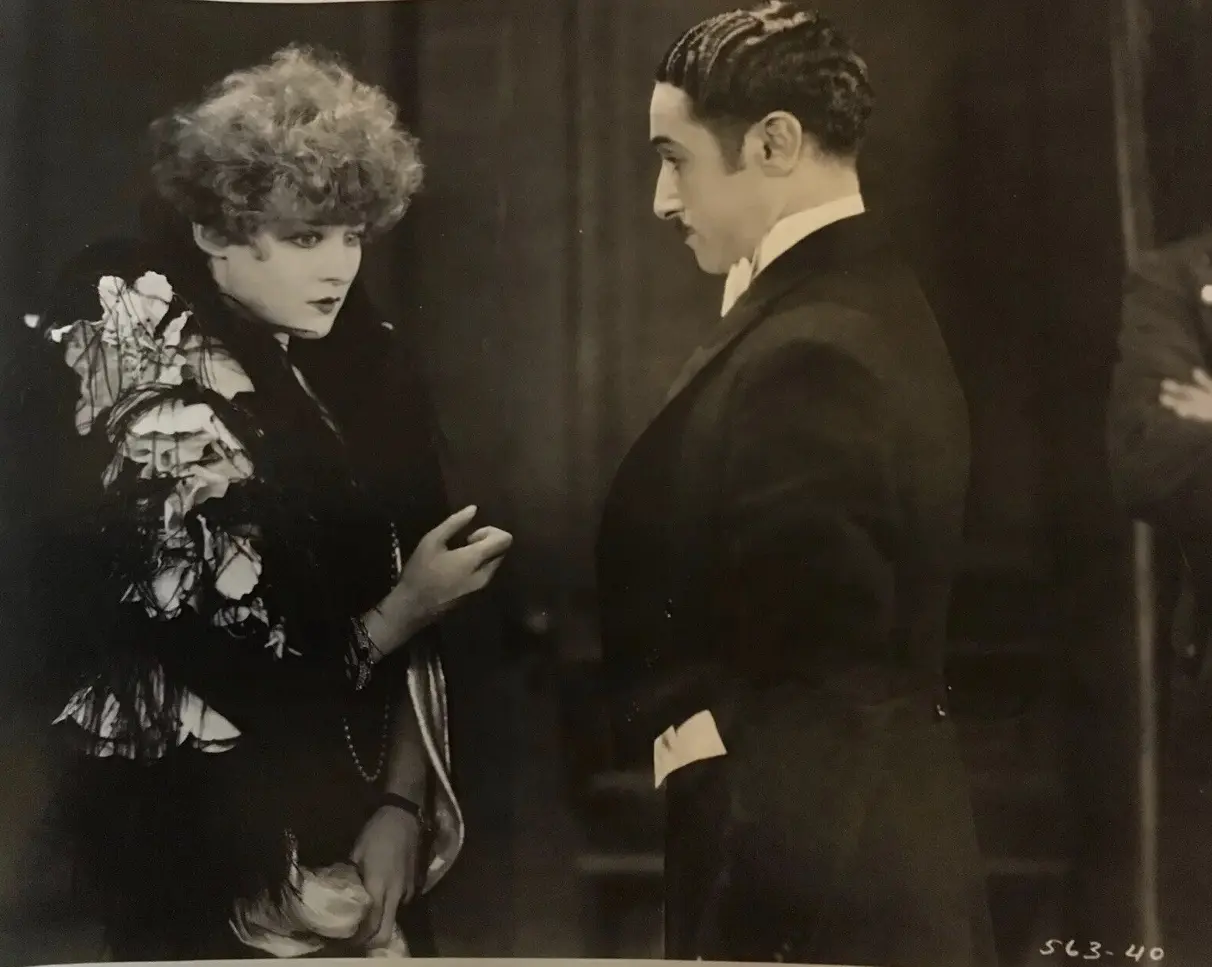
Technically, the film is a marvel of its era. The editing, while occasionally choppy by modern standards, serves the narrative’s urgency, and the sound design—an emerging art form in 1930—adds a layer of authenticity to the casino scenes. The score, a blend of waltzes and jazz-inflected motifs, mirrors the duality of the story: the elegance of society’s facade and the raucous chaos beneath. Yet, for all its technical merits, it is the performances that leave the deepest imprint. Agnew’s Tony is a study in contradictions—his eyes betray a man teetering on the edge of ruin, even as his voice drips with the cocky bravado of a gambler who believes in luck over reason. Floyd’s Charlotte is no mere damsel; she is a woman who has learned to play the game on her own terms, her resolve forged in the crucible of betrayal.
The film’s most audacious choice—its refusal to offer a tidy resolution—is its greatest strength. Unlike *A Woman of Pleasure*, which leans into moralizing, or *The Crime of the Camora*, which revels in its own spectacle, *Lost: A Wife* acknowledges the complexity of its characters. The final courtroom scene, where Tony and Charlotte face the judge with the same resolve they once reserved for the casino floor, is a poignant reminder that love, like gambling, is a game of probabilities. Their union is not a happy ending but a continuation, a mutual acknowledgment that neither can truly escape the cards they’ve been dealt.
In the pantheon of 1930s dramas, *Lost: A Wife* occupies a unique space—a film that is both a product of its time and a timeless meditation on the human condition. Its themes of addiction, societal pressure, and the illusory nature of happiness are as resonant today as they were nearly a century ago. While it may not be as widely remembered as *The City of Stars* or *The Northern Trail*, it deserves a place in the canon of films that dare to interrogate the masks we wear for love and the games we play to survive.
For viewers seeking a film that transcends its genre, *Lost: A Wife* is a masterclass in emotional narrative. It is a story that reminds us that love, like gambling, is a high-stakes endeavor—one where the house always takes a cut, but the players are too addicted to leave. As Charlotte and Tony walk into the divorce court, their silhouettes framed against the Parisian skyline, the camera lingers on their hands clasped together, not as a symbol of hope but as a testament to the inescapable pull of a game where the only sure thing is the loss.
IMDb —
1919
Community
Log in to comment.