DbcultAccessing Vault...
5.7/10
Senior Film Conservator
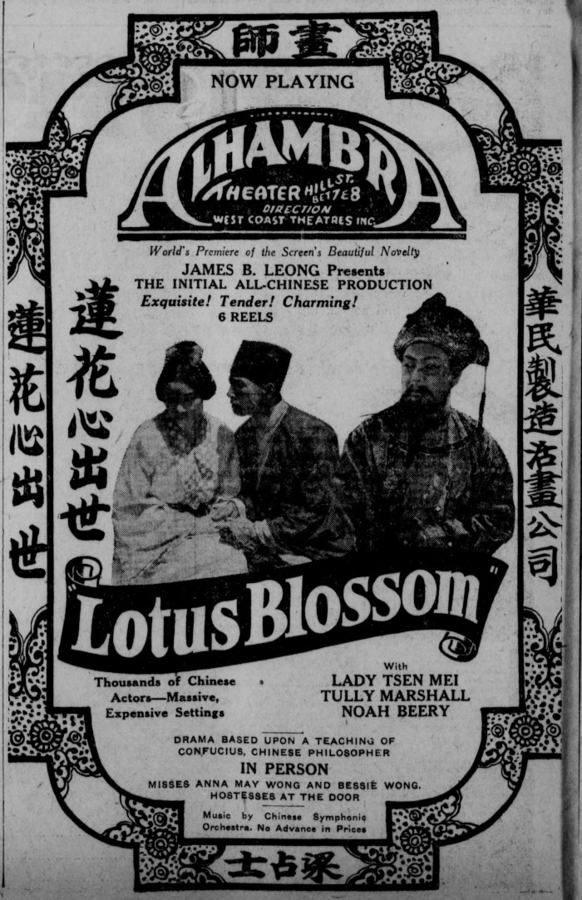
A definitive 5.7/10 rating for a film that redefined the boundaries of cult cinema. Lotus Blossom remains a cornerstone of transgressive art.
In the annals of silent cinema, where grand narratives often unfolded with a sweeping majesty that transcended spoken dialogue, certain films emerge not merely as historical artifacts but as timeless allegories. Among these, the enigmatic and profoundly resonant Lotus Blossom stands as a testament to the enduring power of storytelling, deftly weaving a tale that pits the relentless march of innovation against the deeply entrenched reverence for tradition. It’s a film that, even a century later, speaks volumes about societal anxieties surrounding change, the courage of conviction, and the quiet heroism found in acts of compassion. Released in an era when cinema was still finding its voice, this production, with its evocative title, beckons viewers into a world where the ticking of a clock could be deemed an act of heresy.
At its heart, Lotus Blossom presents a fundamental conflict: the individual's drive to innovate versus the collective's adherence to established norms. The plot, deceptively simple in its premise, unfolds with a dramatic intensity that belies its silent nature. Imagine a village, its very existence governed by the ancient, rhythmic tolling of a sacred bell—a sound that not only marks the passage of time but also symbolizes spiritual continuity, communal unity, and perhaps even divine favor. This bell is more than a mere instrument; it is the heartbeat of their world, an immutable pillar of their cultural identity. Into this serene, tradition-bound existence steps an audacious inventor, a visionary whose intellect dares to challenge the status quo. His creation? The world's first mechanical clock, a marvel of precision designed to render the sacred bell obsolete.
This act, while seemingly a triumph of human ingenuity, is perceived not as progress but as an existential threat. The clock, with its cold, impersonal accuracy, represents a radical departure from the organic, almost spiritual cadence of the bell. It is an affront to the Emperor, whose power is inextricably linked to the preservation of these very traditions. To him, the inventor is not a genius but a heretic, a dangerous radical whose invention threatens to unravel the delicate tapestry of their society. The inventor's fate is swift and severe: a life sentence, a condemnation designed to extinguish not just a man, but the very idea of disruptive change. This initial setup immediately draws parallels with other narratives of societal friction, though perhaps none quite as starkly as the clash between ancient ritual and nascent technology. It's a theme that resonates with the anxieties of any era facing rapid change, making Lotus Blossom an unexpectedly prescient work.
The performances in Lotus Blossom are, as is often the case with silent films, masterclasses in physical expression and nuanced pantomime. While specific roles for all cast members aren't detailed in the plot synopsis, we can infer their archetypal significance. Goro Kino, likely embodying the brilliant yet beleaguered inventor, must convey a complex range of emotions: the initial exhilaration of creation, the crushing weight of imperial condemnation, and the desperate resolve of a man fighting for his freedom and his ideals. His portrayal would be central to grounding the film's abstract themes in tangible human experience, requiring a delicate balance between intellectual fervor and emotional vulnerability. We might imagine him as a figure akin to the passionate protagonist in The Eternal Grind, battling against overwhelming societal forces, albeit in a vastly different context.
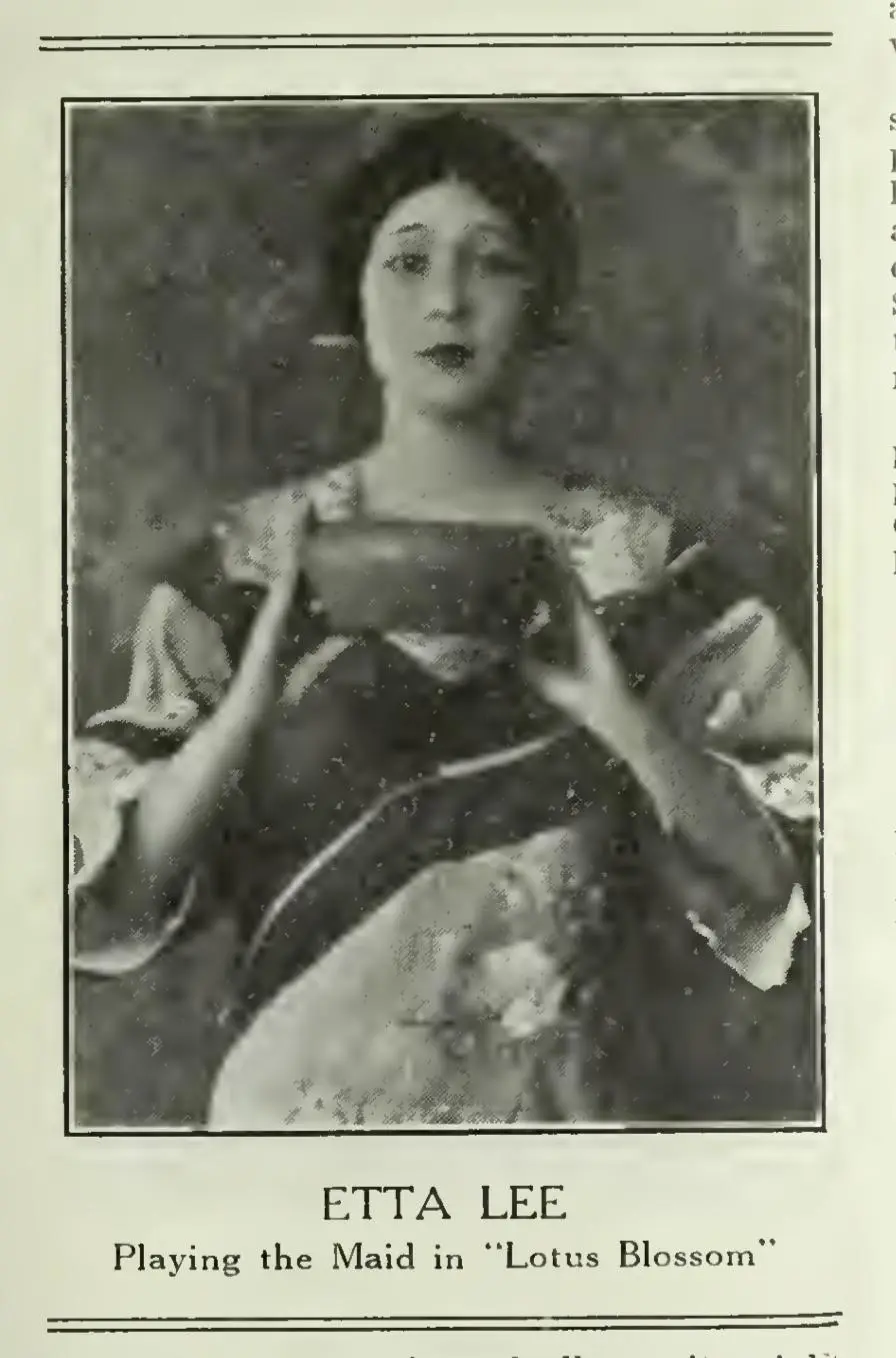
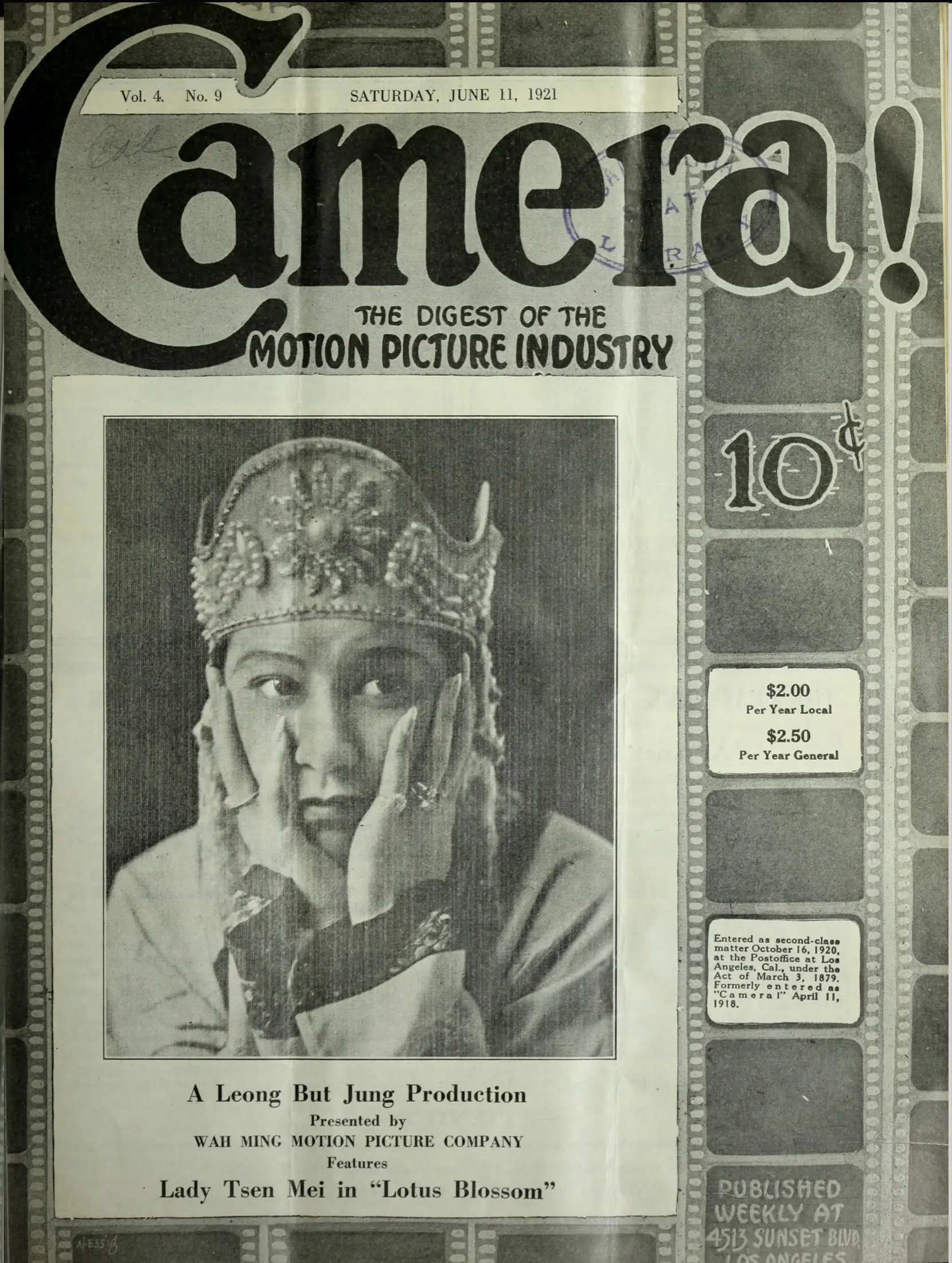
The figures who offer sanctuary—a father and his daughter—are equally pivotal. James Wang, Tully Marshall, or Noah Beery, potentially portraying the benevolent father, would need to project an aura of quiet wisdom and profound empathy. His decision to harbor a condemned man is not merely an act of defiance but a testament to a deeper moral code, a belief in humanity that transcends imperial decree. Lady Tsen Mei or Etta Lee, as the daughter, would bring an element of innocence and burgeoning understanding to the narrative. Her reactions, her growing awareness of the injustice unfolding, and perhaps her developing bond with the inventor, would serve as an emotional anchor, reflecting the audience's own journey of empathy. The dynamic between these three characters in their clandestine refuge forms the emotional core of the film, a stark contrast to the rigid formality of the Emperor's court.
Chow Young or Yutaka Abe, embodying the Emperor, would face the challenge of portraying not a mustache-twirling villain, but a ruler bound by the immense weight of tradition and the fear of societal unraveling. His sternness, his unwavering commitment to the sacred bell, stems from a deep-seated belief in the established order, making him a formidable, yet understandable, antagonist. The conflict isn't just good versus evil; it's a collision of deeply held philosophies, a nuance that elevates Lotus Blossom beyond a simple adventure tale.
The inventor's escape from his life sentence is a crucial turning point, a moment of breath-holding tension that underscores the fragility of imperial power and the indomitable spirit of the individual. The details of this escape, left to the skilled hands of writers George Yohalem, Charles Furthman, and James B. Leong, would undoubtedly be crafted to maximize suspense and showcase the inventor's cunning. It's not merely a physical flight but a symbolic breaking of chains, a refusal to be silenced or confined. This act of rebellion, even if initially driven by self-preservation, sets the stage for a deeper exploration of freedom.
His subsequent hiding with the father and daughter forms the film's central dramatic phase. This clandestine existence, far from the grand pronouncements of the Emperor, allows for intimate character development. Here, the inventor is stripped of his public persona, revealing his vulnerabilities and perhaps even his doubts. The father and daughter, in turn, are forced to confront the implications of their compassion, the risks they undertake for a stranger. This dynamic could echo the quiet resilience seen in films like A Bit of Kindling, where human connection forms a powerful bulwark against external hardship. The sanctuary they provide is not just a physical space; it's a moral haven, a place where dissenting ideas can still breathe, where the future, however uncertain, can still be contemplated.
The interaction within this small, improvised family unit would be rich with potential for emotional depth. The daughter might be captivated by the inventor's knowledge, seeing in him a glimpse of a world beyond her village's confines. The father, perhaps a man of quiet reflection, might find his own long-held beliefs challenged or affirmed by the inventor's plight. This microcosm of society, shielded from the Emperor's gaze, becomes a crucible where the very questions of progress, justice, and human connection are examined with a tender intensity. The film, through its silent narrative, would rely heavily on visual cues, expressive performances, and perhaps intertitles that convey the unspoken thoughts and burgeoning relationships.
The thematic richness of Lotus Blossom extends far beyond its surface plot. It’s a profound meditation on the nature of time itself. The sacred bell represents cyclical, communal time, tied to nature and spiritual observance. The clock, conversely, embodies linear, individualistic, and industrial time, a force that promises efficiency but threatens to sever humanity's connection to its deeper rhythms. This conflict is not merely about a device; it’s about two fundamentally different ways of experiencing and structuring existence.
Furthermore, the film delves into the tension between individual freedom and societal control. The inventor’s pursuit of knowledge and his right to create are brutally curtailed by an authoritarian regime that prioritizes stability over innovation. This struggle for self-expression against oppressive power is a universal theme, one that finds echoes in countless historical narratives and films. It resonates with the defiance seen in characters fighting against rigid social codes, perhaps even more powerfully than the grand scale of The Four Horsemen of the Apocalypse, because it’s so intimately focused on a single, compelling injustice.
The act of providing sanctuary is another crucial thematic thread. It highlights the power of empathy and the moral imperative to protect the vulnerable, even at great personal risk. This quiet rebellion, undertaken by ordinary people, often proves to be as potent as any large-scale uprising. It speaks to the fundamental goodness that can persist even in the face of tyranny, a humanistic counterpoint to the Emperor's cold logic. This aspect might align thematically with the human struggles and emotional depth explored in Heart Strings, focusing on the unseen bonds that connect people.
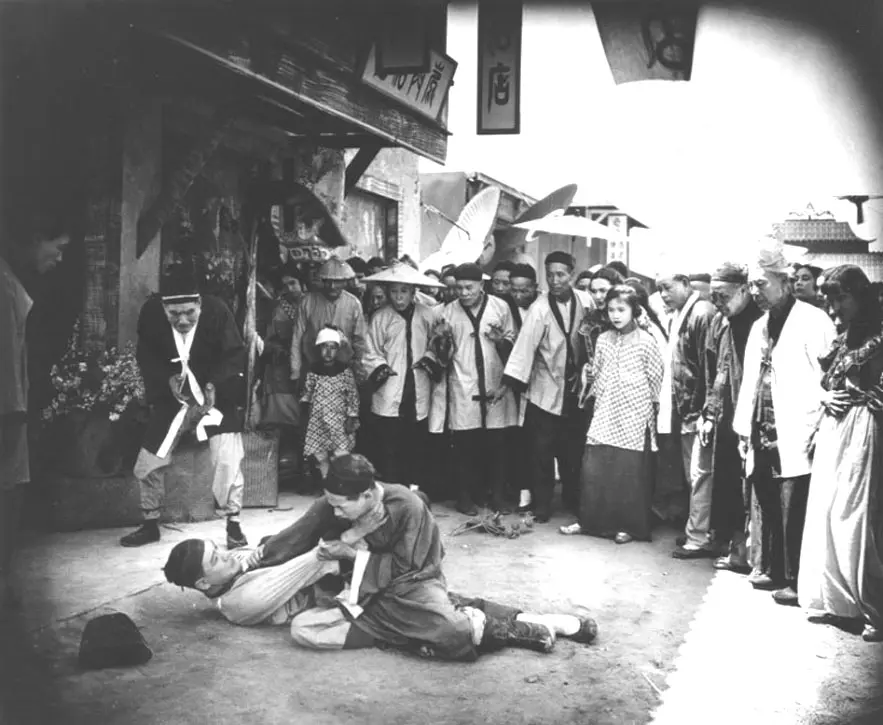
While specific directorial credits aren't provided, the execution of Lotus Blossom would have relied heavily on the visual language inherent to silent film. The cinematography would need to masterfully capture the contrast between the opulent, rigid imperial court and the humble, yet emotionally rich, sanctuary. Lighting, in particular, would be crucial in conveying mood—the stark shadows of imprisonment, the warm glow of the hidden home, the dramatic intensity of confrontation. The editing, too, would play a vital role in building suspense during the escape sequence and in pacing the more intimate moments of character interaction.
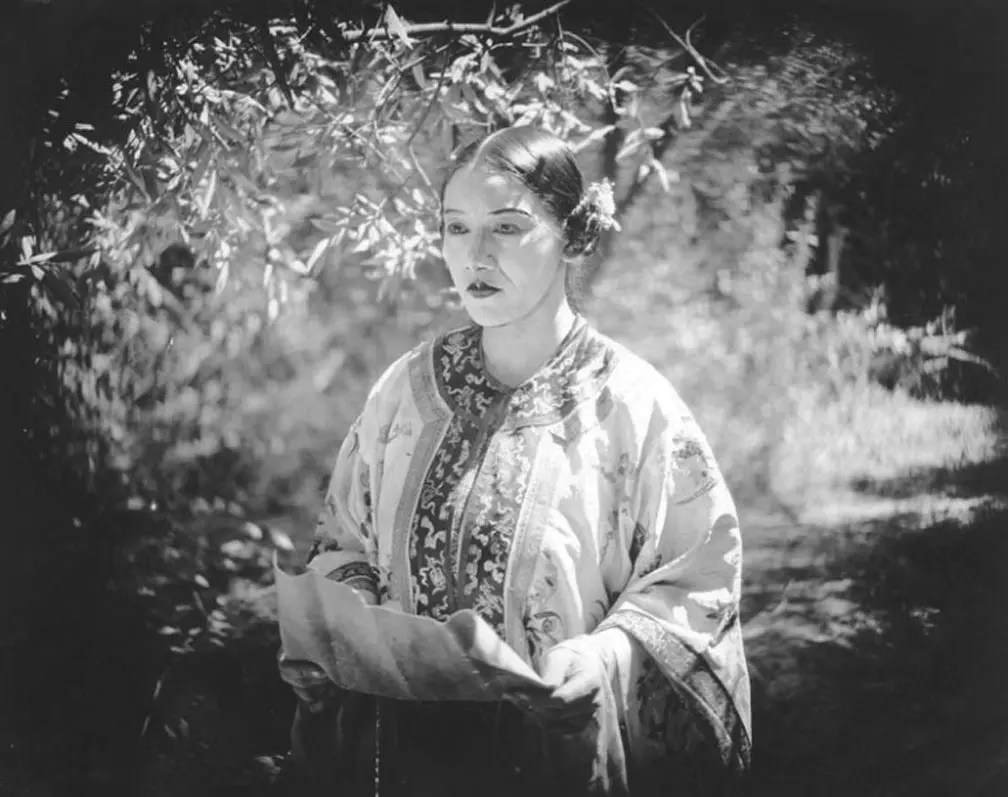
The expressive power of the actors is paramount in a silent film. Goro Kino, as the inventor, would communicate his genius and despair through his posture, his gaze, and the subtle tremors of his hands. Lady Tsen Mei, as the daughter, would convey her burgeoning understanding and compassion through gentle gestures and empathetic facial expressions. These performances, devoid of dialogue, demand a heightened sense of theatricality combined with an underlying emotional authenticity. The ability of these performers to project complex inner lives without a single spoken word is a testament to their craft and the unique demands of the silent era. Their silent communication, much like the intricate social dynamics in The Code of Marcia Gray, would be key to unlocking the film's deeper meanings.
The set design and costuming would also contribute significantly to the film's world-building. The grandeur of the Emperor's palace, perhaps adorned with intricate carvings and rich textiles, would underscore his authority and the weight of tradition. Conversely, the simplicity of the father and daughter's dwelling would highlight their humility and the warmth of their humanity. The visual aesthetic would serve as a constant reminder of the opposing forces at play, enhancing the narrative's symbolic power. Even the choice of an evocative title like Lotus Blossom suggests a delicate beauty thriving amidst adversity, a poignant metaphor for the inventor's struggle.
The brilliance of Lotus Blossom lies in its ability to transcend its specific historical and cultural setting to explore universal human themes. The conflict between tradition and innovation is not confined to an ancient village and an Emperor; it is a struggle that continues to define our modern world, from debates over artificial intelligence to the preservation of indigenous cultures. The film, therefore, remains remarkably relevant, prompting viewers to reflect on the pace of change, the value of heritage, and the moral responsibilities that accompany technological advancement.
Furthermore, the narrative's emphasis on compassion and individual courage in the face of overwhelming power is a message that resonates across all epochs. The father and daughter's decision to offer sanctuary is a powerful affirmation of humanity's capacity for empathy and defiance against injustice. This quiet heroism, often overlooked in grand historical narratives, is brought to the forefront, reminding us that significant change can often begin with a single, selfless act. Much like the personal struggles and moral dilemmas explored in The Traitress, this film offers a deeply human perspective on larger societal forces.
The enduring appeal of silent films like Lotus Blossom also speaks to a certain purity of cinematic expression. Without the crutch of dialogue, filmmakers were compelled to tell their stories visually, relying on symbolism, gesture, and the sheer power of imagery. This constraint often led to a more universal language, one that could be understood across cultural barriers, making these films potent vehicles for profound ideas. The collaboration of writers George Yohalem, Charles Furthman, and James B. Leong would have been critical in crafting a narrative that was both engaging and thematically rich enough to carry the weight of its silent presentation.
In conclusion, Lotus Blossom is far more than a historical curiosity; it is a potent piece of cinematic art that, through its compelling narrative and evocative performances, explores fundamental questions about progress, power, and the human spirit. Its examination of a society grappling with the implications of a revolutionary invention, and the subsequent acts of defiance and compassion, makes it a profoundly moving and intellectually stimulating experience. For those willing to immerse themselves in the rich tapestry of silent film, Lotus Blossom offers a rare glimpse into a past that continues to inform our present, a poignant reminder that the clashes between old and new, and the quiet acts of human kindness, are indeed timeless.
IMDb 5.2
1915
Community
Log in to comment.