DbcultAccessing Vault...
6.7/10
Senior Film Conservator
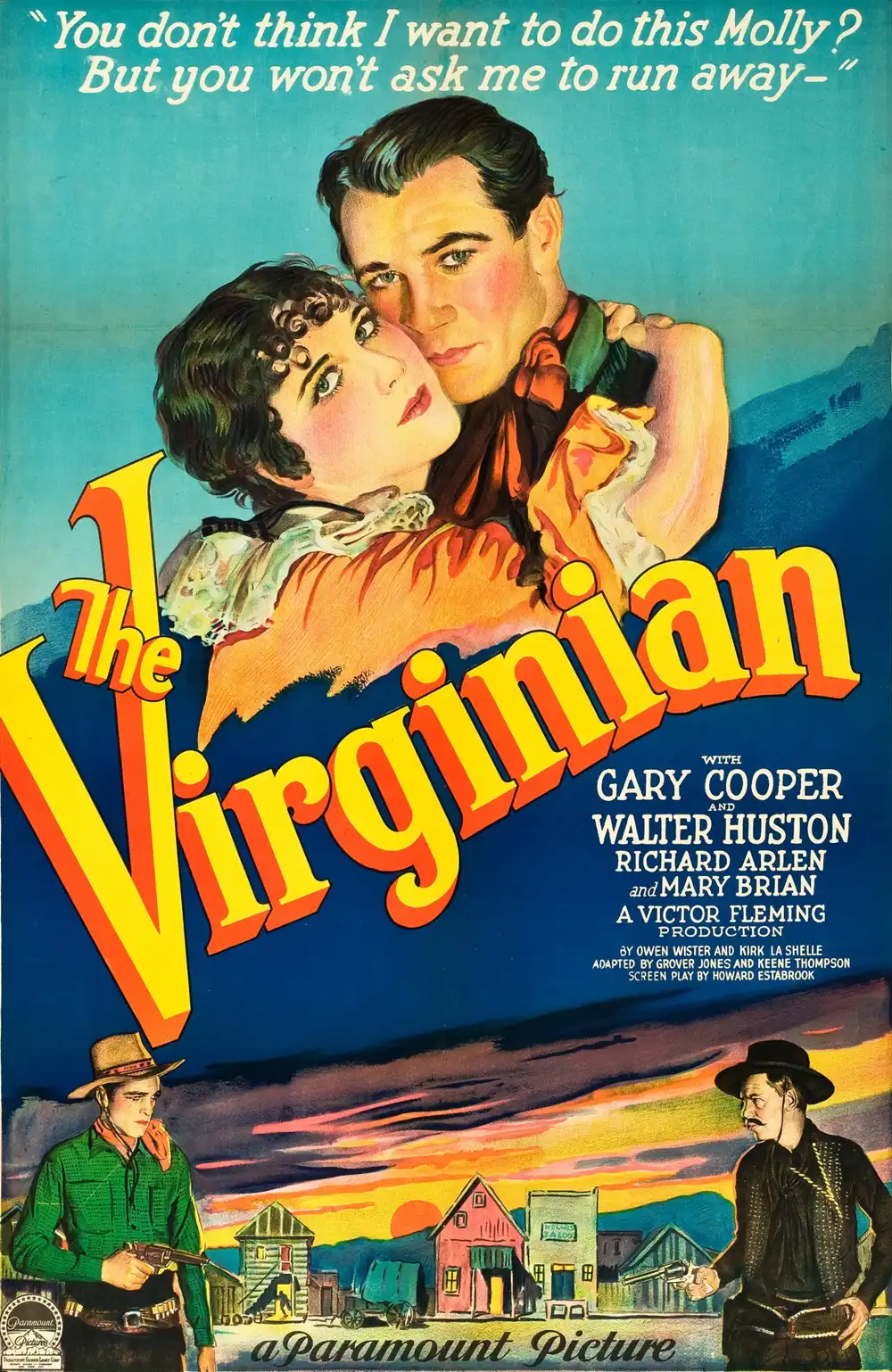
A definitive 6.7/10 rating for a film that redefined the boundaries of cult cinema. The Virginian remains a cornerstone of transgressive art.
The Virginian from 1929 is *not* a casual watch for everyone. If you’re into the very early days of sound film, or a serious Western fan curious about how they did things way back, then yeah, it’s absolutely worth a look. Gary Cooper fans, too, will find plenty to chew on. But if you're expecting modern pacing, slick dialogue, or crystal-clear audio, you're probably gonna struggle. This one takes a bit of patience, but it offers some interesting peeks into cinema history.
The dialogue itself often feels like it's trying *too* hard to be important. Characters sometimes just... state their feelings directly. No subtext. It's a very blunt instrument at times.
"When you call me that, smile!" – that line, *the* line, it’s there, and it lands with a certain weight from Cooper. It’s not quite the smooth menace you might imagine from later versions, more like a quiet warning that feels like it’s barely holding back.
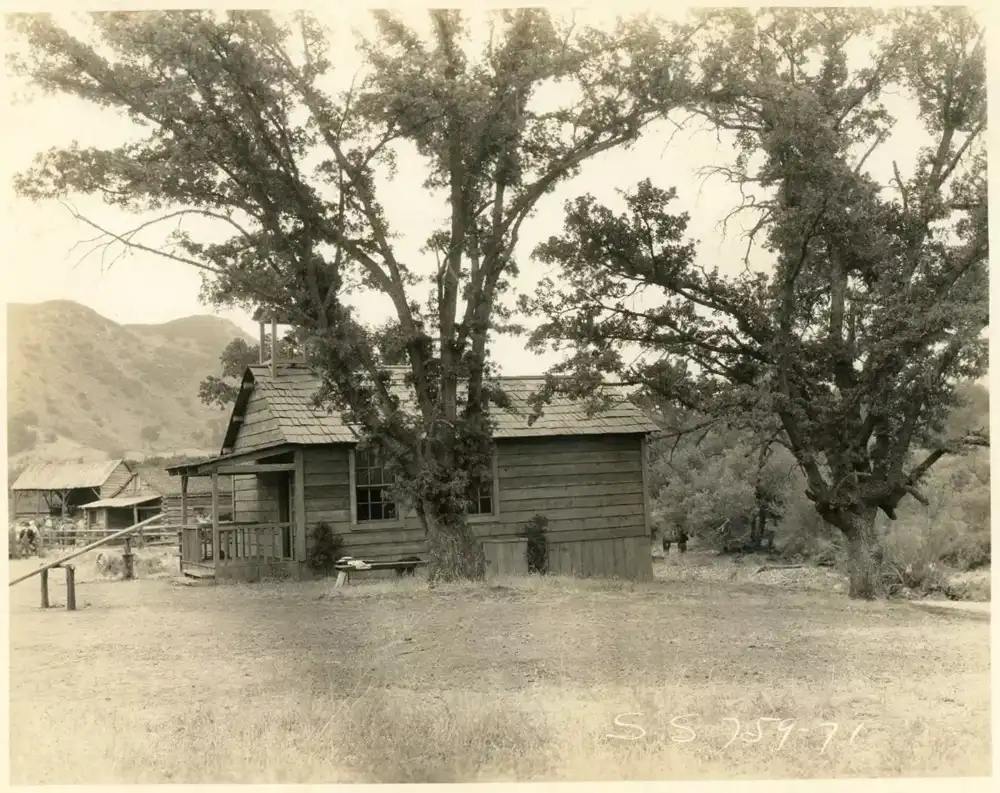
The outdoor shots, though. They capture a really raw sense of the West. You can feel the dust and the wide-open spaces, even in black and white. It has a real authenticity that isn't always there in studio-bound films.
Mary Brian as Molly, the new schoolmarm, she’s trying her best. Her character swings from proper Eastern lady to "I can handle this" Western woman pretty fast. It feels a little rushed, like the script wanted her to transform but didn't quite show the journey. 🤷♀️
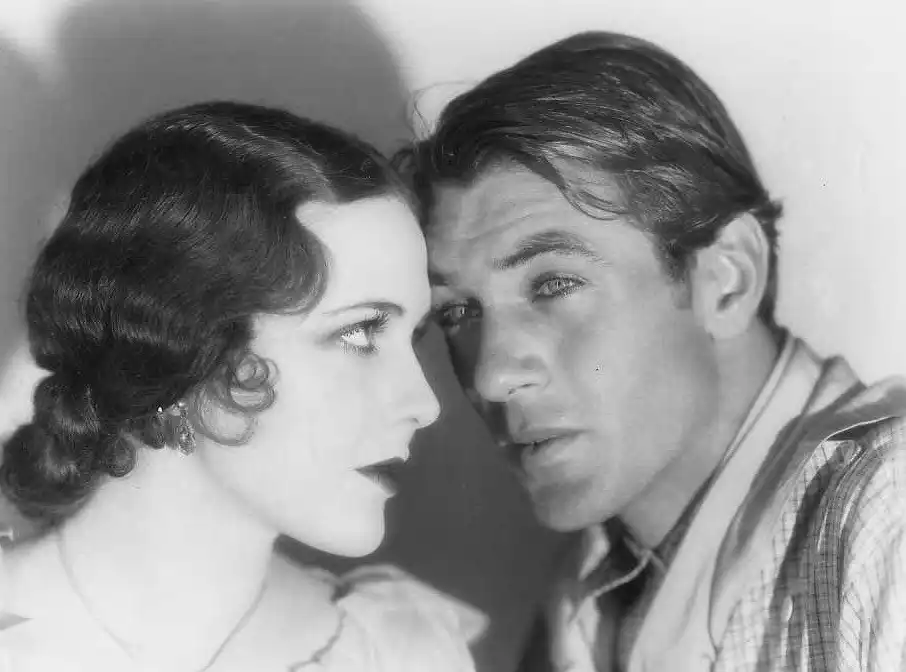
There's a scene where the Virginian (Cooper) is just watching Molly, and it goes on for what feels like an eternity. You see his gaze, her obliviousness. It’s supposed to be romantic, I think, but it just kind of hangs there.
The whole cattle rustling plot with his friend, Steve, and the villainous Trampas (played by Walter Huston, who is just *wonderfully* slimy) is where the real tension lives. The Virginian’s loyalty is tested hard. It’s a genuinely tough spot he’s in.
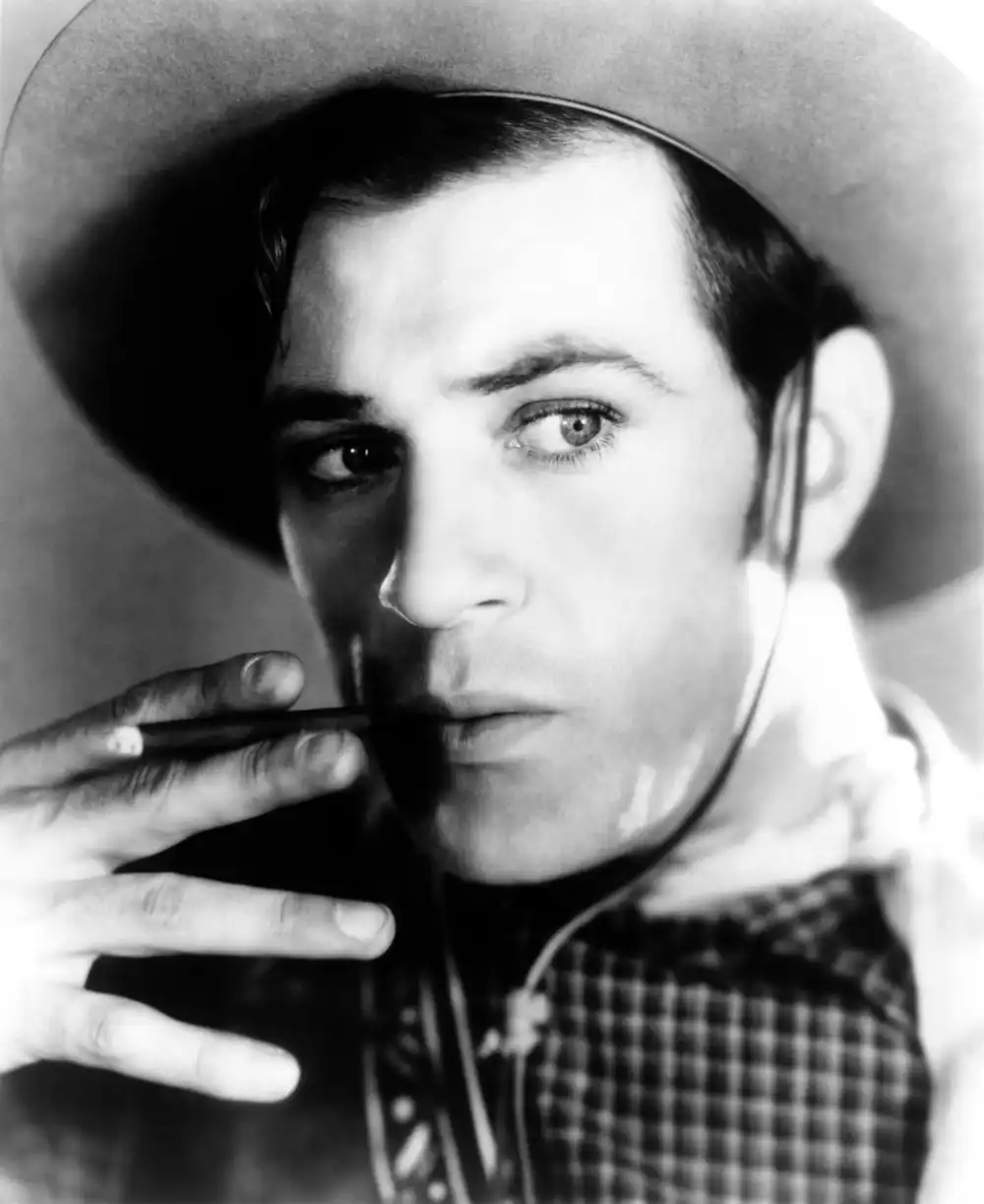
You almost *feel* the weight of the moral choice on Cooper's face. He doesn’t say much, but his expressions do a lot of the work.
The sound is often a bit muddy. Sometimes a character speaks, and it sounds like they’re talking through a blanket. Then the next line is perfectly clear. It’s a wild ride for your ears. 🎧
And the silence! When they aren't talking, it’s *really* silent. No background music much of the time, just the clop of hooves or the wind. It gives it this stark, almost documentary feel.
One weird little detail: the hats. Everyone’s hat seems perfectly placed, even after a scuffle. It’s a minor thing, but it kept pulling me out just a tiny bit.
The pacing is definitely deliberate. Things unfold slowly. It’s not a film that rushes you through its story. It demands you settle in.
There's a moment when the Virginian is talking to Molly after a big event, and she’s upset, and he just keeps repeating himself in a slightly different way. It’s like he’s trying to reassure her, but the dialogue feels clunky, not comforting.
The poker game, where the famous "smile" line comes out, it feels so *tense*. The way Walter Huston's character, Trampas, just *grins* at the Virginian, it’s pure provocation. You know something’s gotta break. 😠
And the hanging scene! It’s surprisingly stark for its time. No big dramatic music, just the grim reality. It makes you feel the harshness of frontier justice, rather than just telling you about it. *Really* stuck with me.
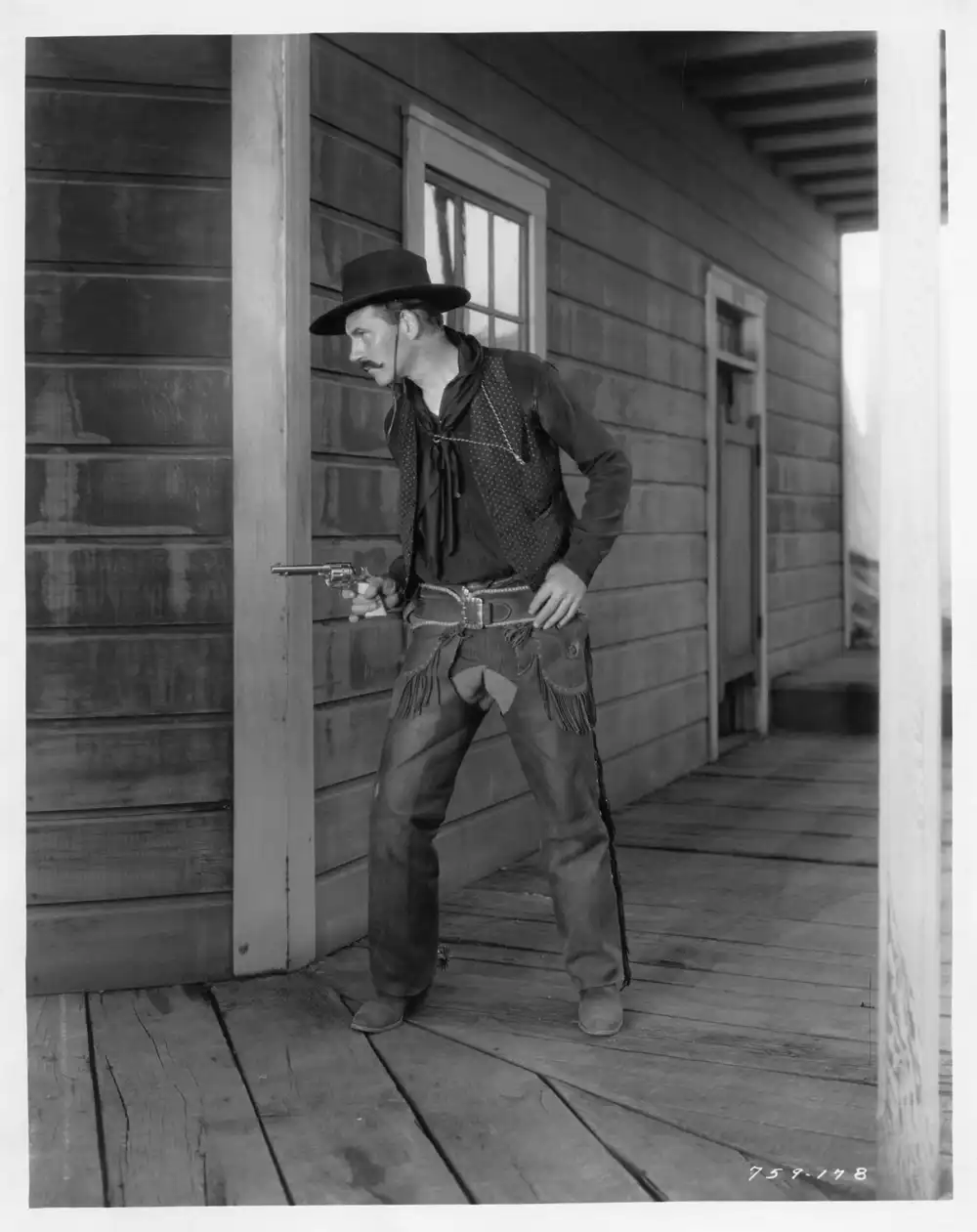
Cooper’s Virginian isn't flashy; he’s just *there*. He has this quiet authority that comes through even with the early sound tech. You believe he could actually tame the wild West, or at least wrangle some cattle.
Sometimes the scene transitions are a little clunky. A sudden cut, and you're just somewhere else. It feels like they were still figuring out the language of film, especially with sound now in the mix.
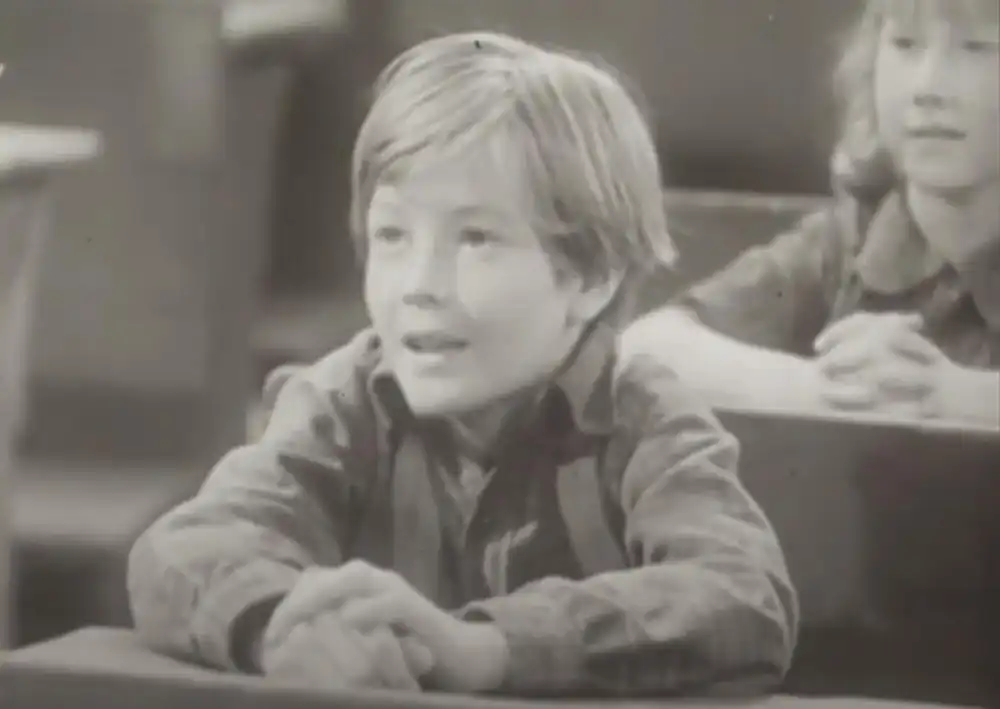
The whole thing with the schoolmarm trying to teach these rough-and-tumble kids? It’s charming, but also a bit... thin. You get the idea, but the scenes don't really develop it. Just a quick sketch.
The final confrontation... well, it’s a Western, so you know it’s coming. It’s quick, a little abrupt, but it gets the job done. Not a huge spectacle, more a quiet resolution.
It’s a foundational Western, for sure. You can see the roots of so many stories that came after. It’s not perfect, not by a long shot, but it has this raw energy, this sense of *being there* at the birth of something.
IMDb 6.1
1934
Community
Log in to comment.