DbcultAccessing Vault...
Cult Review
Senior Film Conservator
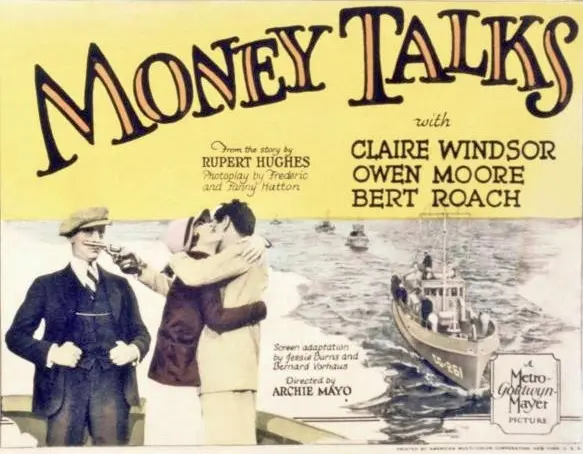
Is Money Talks worth your time nearly a century after its release? Short answer: only if you have a high tolerance for the frantic, often repetitive rhythms of mid-1920s slapstick. It is a film for those who appreciate the mechanical precision of silent comedy, but it is certainly not for anyone looking for a nuanced exploration of marriage or gender.
This film works because of its relentless commitment to the 'loser' archetype, a precursor to the modern sitcom protagonist. This film fails because it leans too heavily on a drag routine that feels more like a structural necessity than a comedic choice. You should watch it if you are a student of early American farce or a fan of Ned Sparks' unique screen presence before he became the quintessential sourpuss of the talkies.
Money Talks operates on a premise that was already becoming a trope by 1926: the husband who cannot provide. Sam Starling is not a hero; he is a cautionary tale in a cheap suit. Unlike the whimsical poverty seen in Sally of the Sawdust, Sam’s struggle feels grimy and urgent. He isn't just poor; he is delusional. This delusion is the engine of the plot, driving him to the yacht where the film shifts from a social drama into a full-blown masquerade.
The transition from the Starling household to the luxury yacht is jarring. We move from the claustrophobia of debt to the expansive, breezy decks of the wealthy. This contrast is the film's strongest visual asset. The cinematography captures the yacht as a floating paradise, which makes Sam’s intrusion in a dress all the more ridiculous. It’s a classic 'fish out of water' scenario, but the fish is wearing a corset and heels.
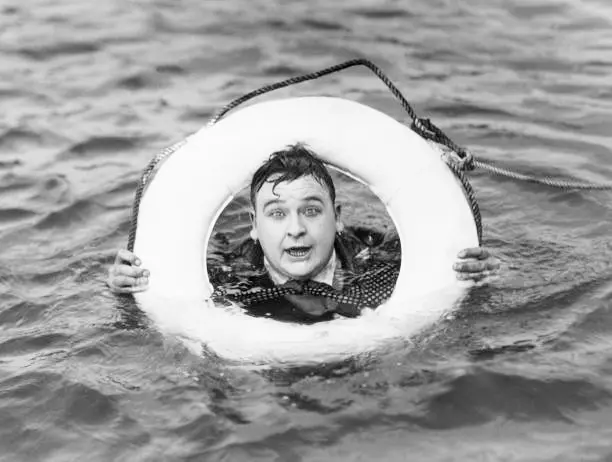
Ned Sparks is the centerpiece here. While he is often remembered for his nasal drone in the sound era, his physicality in this silent effort is surprisingly agile. His transformation into a woman is not meant to be convincing; it is meant to be a frantic, sweaty desperation. When he attempts to lure the captain, the humor comes from the captain’s oblivious lust contrasted with Sam’s internal panic. It’s a performance that requires a specific kind of bravery, or perhaps just a lack of vanity.
The drag element here lacks the cleverness found in Hands Up! from the same year. In that film, the humor is often situational and witty. In Money Talks, the humor is blunt. Sam trips, Sam fumbles with his clothing, and Sam reacts with wide-eyed terror whenever the captain gets too close. It is effective for a few minutes, but the gag is stretched thin across the runtime. By the third act, you find yourself wishing Sam would just put on a pair of pants and face his problems like an adult.
The introduction of the liquor smuggling plot feels like an afterthought designed to raise the stakes. It turns a domestic comedy into a crime farce, which doesn't always mesh well. The writers, including the prolific Rupert Hughes, seem to have been throwing ideas at the wall to see what stuck. The smuggling angle provides a reason for the captain to be a 'villain,' but it lacks the genuine tension found in contemporary dramas like The Northern Code.
The pacing suffers as a result. We spend too much time on the logistics of the smuggling and not enough on the emotional fallout of Sam's marriage. Claire Windsor is largely wasted here. She is the prize to be won, rather than a character with her own agency. Her attraction to the captain is never fully explored—is she actually looking for love, or is she just looking for a man who doesn't owe money to the butcher? The film avoids these questions in favor of more boat-chase antics.
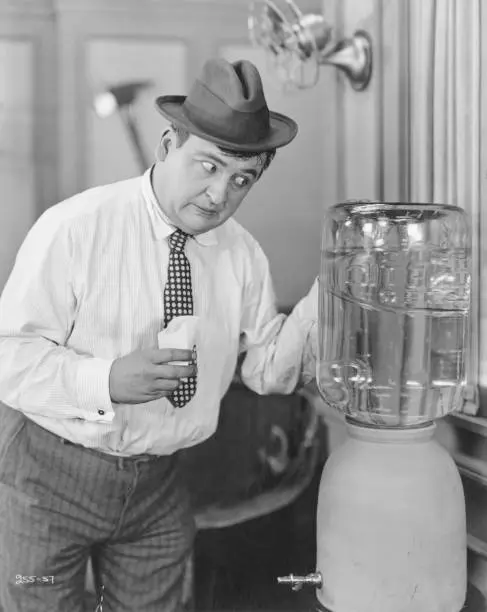
If you are looking for a definitive answer, it depends entirely on your historical curiosity. For the average viewer, Money Talks is a loud, silent movie that feels its age. However, for those interested in the evolution of the domestic comedy, it offers a fascinating look at the anxieties of the pre-Depression era. It captures a moment when the 'American Dream' was already showing cracks, and the only solution was to put on a wig and hope for the best.
The film is a relic. It works. But it’s flawed. It doesn't have the timeless quality of a Keaton or Chaplin short, but it has a grit that is missing from more polished comedies of the time like Darwin Was Right. It’s a rough-around-the-edges production that prioritizes a quick laugh over a lasting impression.
Pros: The yacht setting provides some much-needed visual flair. The supporting cast, particularly Dot Farley, brings a level of energy that keeps the film from sinking during its slower moments. It’s an interesting historical document of how the 'liquor smuggler' was viewed during Prohibition—as a romanticized but ultimately dangerous figure.
Cons: The writing is fragmented, likely due to the six-person writing team. It lacks a cohesive voice. The ending is telegraphed from the first ten minutes, leaving little room for genuine surprise. Compared to more substantial works like Lille Dorrit, the character development is non-existent.
Money Talks is a fascinating, if ultimately mediocre, entry in the silent comedy canon. It captures the desperation of the era with a smile, but that smile is often forced. While it doesn't reach the heights of the greats, it provides enough low-brow entertainment to justify a single viewing for those who love the flicker of the silver screen. It is a movie about a man trying to buy back his life with a currency he doesn't have: dignity. In that regard, it is strangely relatable even today.
IMDb —
1923
Community
Log in to comment.