DbcultAccessing Vault...
6.3/10
Senior Film Conservator
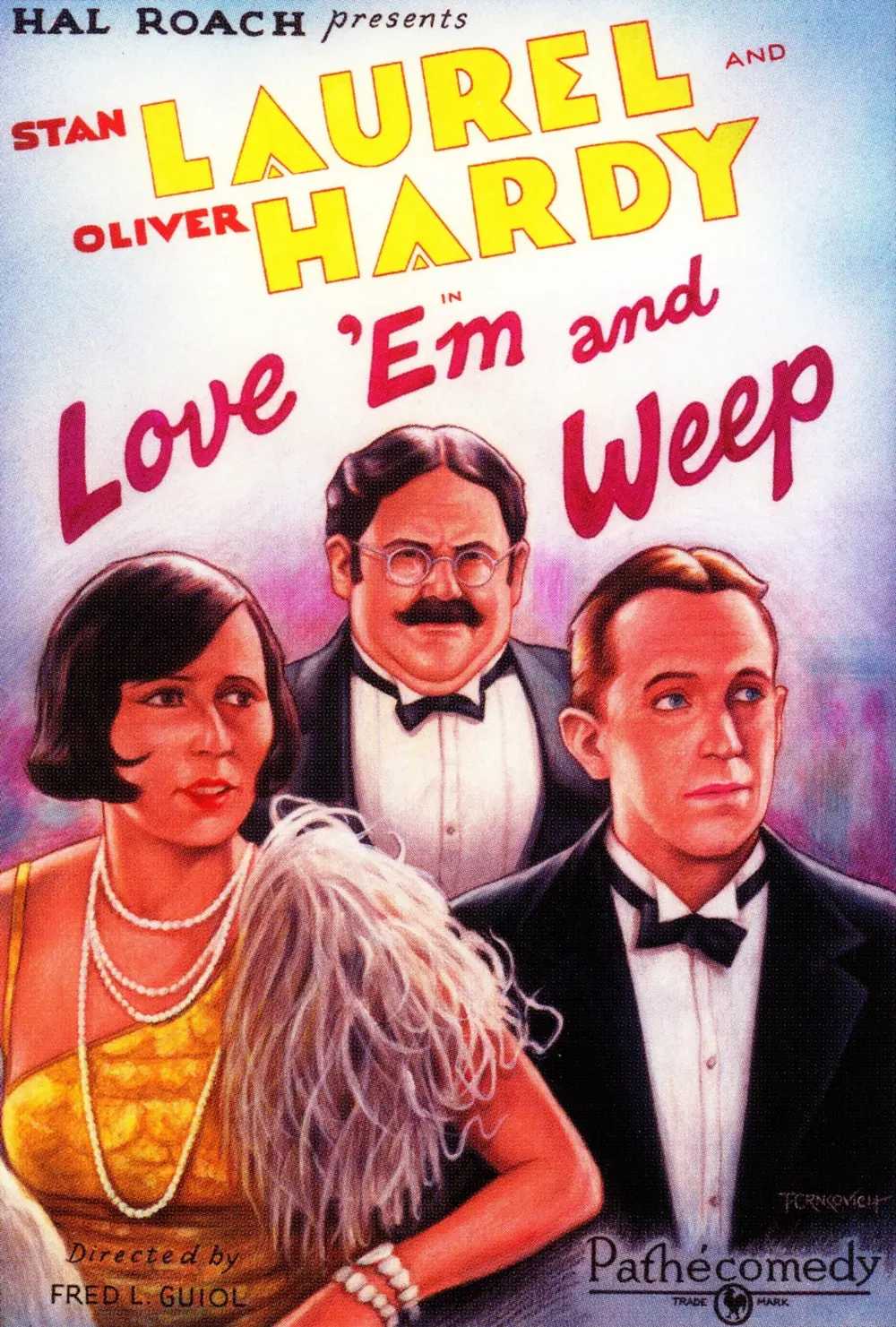
A definitive 6.3/10 rating for a film that redefined the boundaries of cult cinema. Love 'Em and Weep remains a cornerstone of transgressive art.
Is Love 'Em and Weep a forgotten masterpiece or a dusty relic of a bygone era? Short answer: It is an essential piece of comedy history that remains genuinely funny, provided you have the patience for the deliberate, slow-burn pacing of the silent era.
This film is specifically for fans of physical comedy, silent film historians, and those curious about the evolution of the Laurel and Hardy dynamic. It is definitely not for viewers who require fast-paced dialogue or high-definition pyrotechnics to stay engaged.
1) This film works because it understands the inherent comedy of a man trying to maintain his dignity while his world collapses around him.
2) This film fails because the secondary characters, particularly the wife, are written with the depth of a cardboard cutout, serving only as obstacles rather than people.
3) You should watch it if you want to see James Finlayson give a masterclass in the 'double-take' and the 'slow-burn' reaction.
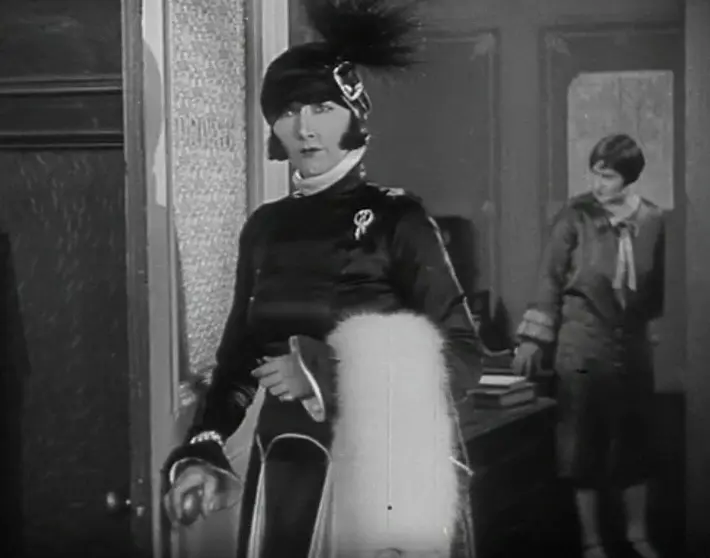
While many modern viewers associate the Hal Roach studio exclusively with Laurel and Hardy, Love 'Em and Weep is undeniably a James Finlayson vehicle. Finlayson, with his iconic mustache and trademark squint, represents the everyman pushed to the brink. In the opening scenes, his portrayal of Titus Tillsbury is one of stiff-necked pomposity. He is a man who believes he has escaped his past, only to find that the past has a very long memory.
The physical comedy here isn't just about falling over; it’s about the tension in Finlayson’s body. When Mae Busch’s character enters his office, his physical transformation from a confident businessman to a shrinking violet is remarkable. It is a performance of micro-expressions. The way his left eyebrow twitches when he sees the photograph is a specific example of the 'Roach style' of comedy—grounded in character rather than just gags.
Compare this to the more dramatic tone of J'accuse!, and you see the vast spectrum of silent cinema. While Gance was using the camera to evoke the horrors of war, director Fred Guiol is using it here to capture the horror of a social scandal. It’s a different kind of life-and-death stakes, played for laughs but felt with equal intensity by the protagonist.
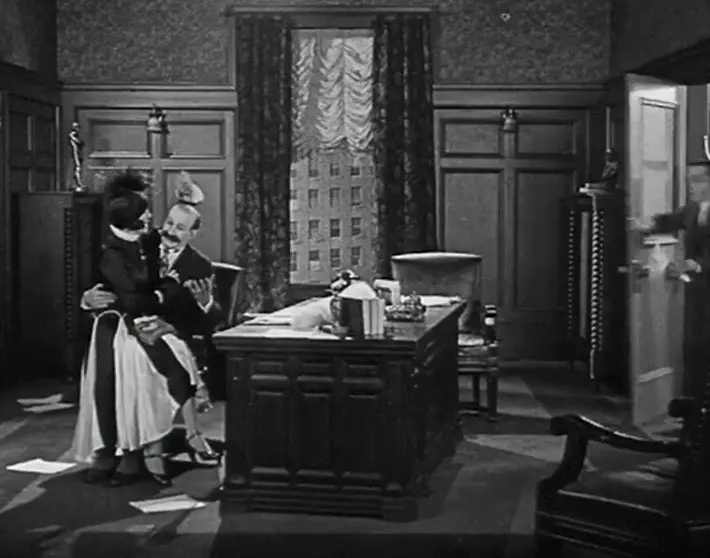
For the casual fan, the most interesting aspect of Love 'Em and Weep is seeing Stan Laurel and Oliver Hardy before they were 'Laurel and Hardy.' Here, Stan plays the lead assistant, while Ollie has a much smaller, almost incidental role as a judge. It’s a fascinating look at the studio's internal hierarchy in 1927. Stan is already perfecting his 'dim-witted helper' persona, though here he is slightly more proactive than he would be in later years.
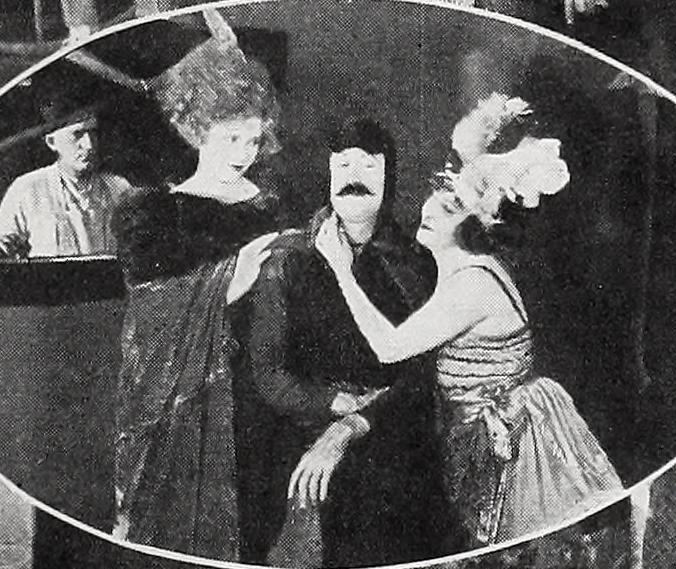
There is a specific scene where Stan attempts to hide Mae Busch behind a curtain while Titus’s wife is in the room. The timing of the curtain pulls—just a fraction of a second before the wife turns around—is a masterclass in editing and choreography. It’s a precursor to the legendary 'tit-for-tat' routines they would later develop. However, the chemistry between Laurel and Finlayson is different; it’s more antagonistic and frantic. It lacks the 'sweetness' that would eventually define the Laurel and Hardy partnership.
Hardy’s brief appearance is a reminder of his versatility. Even in a bit part, his presence is commanding. He doesn't need to do much; his sheer bulk and the way he wears a hat communicate a specific type of authority that the film eventually subverts. It’s a shame he wasn’t utilized more, but the film’s focus on the Finlayson/Busch/Laurel triangle is tight and effective.
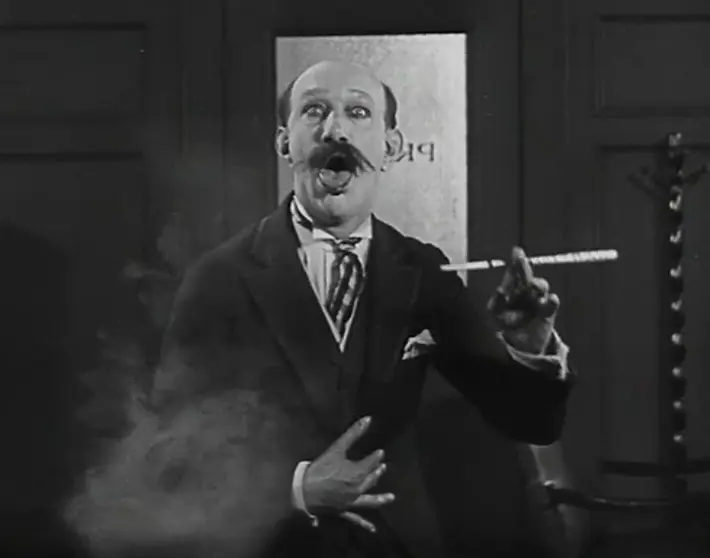
Mae Busch is the unsung hero of this film. In the 1920s, the 'vamp' was a common trope, often seen in darker films like Alraune. Busch takes that archetype and weaponizes it for comedy. She isn't just a villain; she is a force of nature. She dominates every frame she is in, using her physicality to intimidate Finlayson’s much smaller frame.
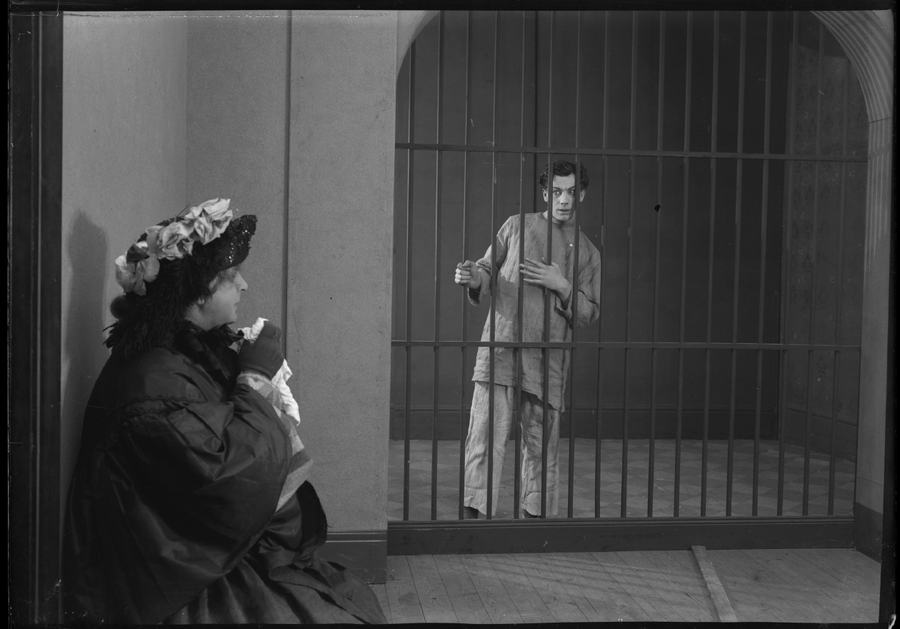
The scene at the dinner party is the film’s centerpiece. Busch’s character arrives uninvited, and the sheer audacity of her presence creates a palpable sense of dread. She doesn't have to say a word (this is silent, after all), but her body language screams 'I own you.' The way she casually eats a grape while Titus is sweating through his tuxedo is a brilliant bit of character work. It’s a brutal performance in the best way possible.
The film’s pacing in this middle section is impeccable. It builds the tension through a series of near-misses and social gaffes. The comedy comes from the audience knowing the secret while the other characters on screen remain oblivious. It’s a classic farce structure, and Guiol executes it with a steady hand. He doesn't rush the jokes. He lets them breathe. He lets the audience sit in the discomfort.
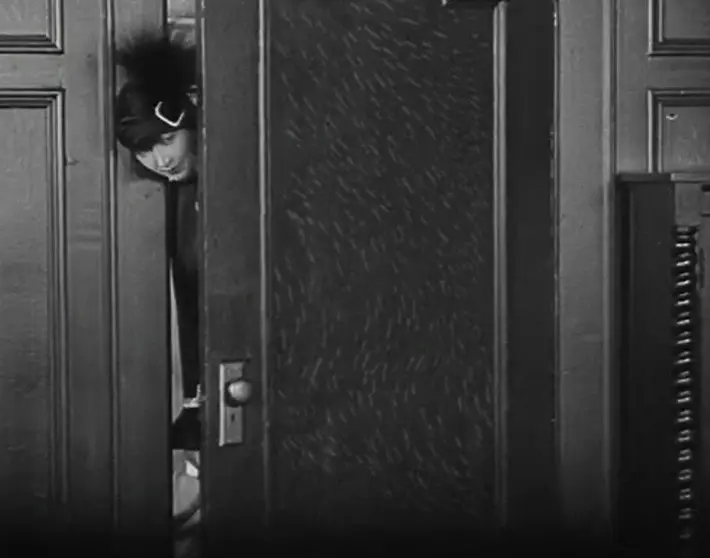
Visually, Love 'Em and Weep is a prime example of the 'flat' lighting style common in 1920s comedies. Unlike the expressionistic shadows of German cinema or the sweeping vistas of The Law of the North, the cinematography here is functional. Its goal is clarity. Every gag must be visible; every reaction shot must be framed perfectly to capture the actor's eyes.
The set design of the Tillsbury home is intentionally bland. It represents the safe, boring life that Titus is so desperate to protect. This makes the intrusion of the chaotic Mae Busch even more jarring. The camera stays mostly at eye level, making the viewer feel like a guest at this disastrous dinner party. It’s an immersive experience, albeit a stressful one.
One surprising observation is the film's use of title cards. Written by H.M. Walker, they are punchy and often more cynical than the action on screen. They provide a sarcastic commentary that bridges the gap between the physical gags. However, the film relies less on text than many of its contemporaries, trusting the actors to carry the narrative weight. This trust pays off.
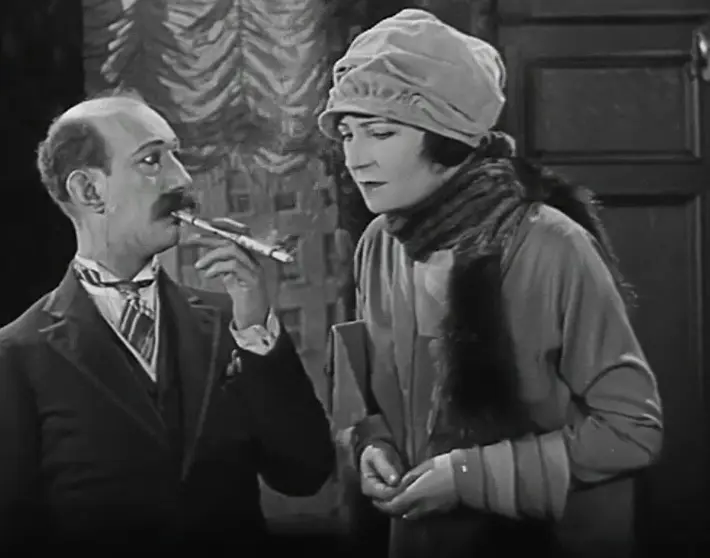
Yes, Love 'Em and Weep is worth watching if you want to understand the foundations of modern sitcoms and slapstick. It provides a rare look at the comedic genius of James Finlayson in a leading role. While it lacks the emotional depth of later Laurel and Hardy shorts, its technical precision and relentless energy make it a standout of the late silent era.
Pros:
- Brilliant ensemble cast featuring comedy legends.
- Masterful pacing that builds tension effectively.
- Genuinely funny physical gags that haven't aged a day.
- Historical significance as a precursor to the Laurel and Hardy duo.
Cons:
- Female characters are largely one-dimensional.
- The silent format may be a barrier for modern audiences.
- Some of the social commentary feels dated.
Love 'Em and Weep is a sharp, cynical, and relentlessly funny short film. It works. But it’s flawed. The film’s strength lies in its simplicity: a man, a secret, and a very persistent woman. It doesn't try to be anything more than a delivery system for laughter, and in that, it succeeds brilliantly. While it was later remade as the sound film 'Chickens Come Home,' there is a raw energy in this silent version that the remake couldn't quite capture. It is a testament to the power of a well-timed double-take and the enduring appeal of watching a pompous man fall flat on his face. If you can handle the lack of audio, you’ll find a comedy that is as structurally sound as any modern farce.
IMDb —
1922
Community
Log in to comment.