DbcultAccessing Vault...
Cult Review
Senior Film Conservator
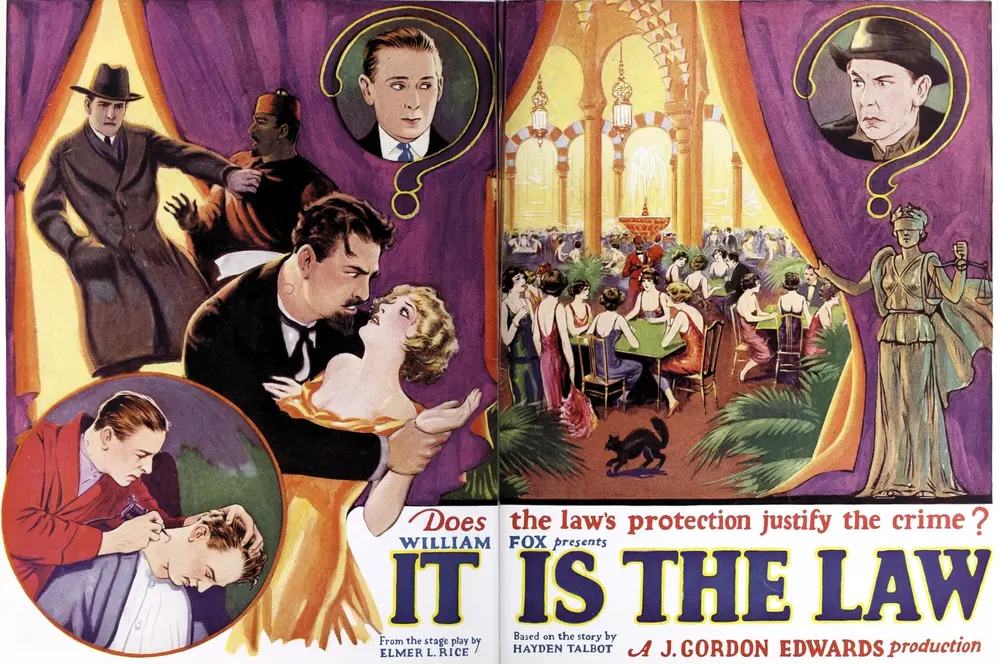
The year 1924 stood as a pivotal junction in the evolution of cinematic narrative, a period where the primitive visual language of the previous decade began to coalesce into a sophisticated, psychologically driven art form. It Is the Law, directed with a keen eye for the shadows of the human soul, represents a fascinating intersection of the stage-bound melodrama and the burgeoning complexity of the crime thriller. While many contemporary audiences might overlook the silent era's capacity for intricate plotting, this film serves as a startling reminder that the themes of identity theft and judicial corruption are far from modern inventions. The screenplay, touched by the hand of the legendary Elmer Rice, brings a theatrical precision to the screen, ensuring that every beat of Albert Woodruff’s descent into villainy feels both inevitable and profoundly disturbing.
The story orbits around the corrosive jealousy of Woodruff, portrayed with a chilling, calculated stillness by Arthur Hohl. When Ruth Allen—played by the luminous Florence Dixon—chooses the virtuous Justin Victor (Herbert Heyes) over him, Woodruff doesn't merely retreat into the shadows; he seeks to dismantle the very fabric of Victor's reality. The central conceit of the film, involving the discovery of a physical double, predates the more famous doppelgänger tropes found in later noir classics. By murdering this unfortunate lookalike and staging his own demise, Woodruff weaponizes the legal system, turning the 'law' of the title into a blunt instrument of personal vendetta. This thematic exploration of how the truth can be manufactured through visual evidence is remarkably prescient, echoing the existential dread found in The Man Who Played God, where the power to manipulate perception becomes a divine, albeit malevolent, prerogative.
Visually, the film utilizes a stark palette that maximizes the emotive power of the silent medium. The cinematography captures the opulence of the Allen household and contrasts it sharply with the cold, unforgiving bars of the penitentiary. There is a specific sequence where Woodruff, having 'died' to the world, watches the fallout of his crime from the periphery of society; it is a moment of pure, voyeuristic malice that rivals the psychological tension of Lulù (1923). The use of lighting to delineate the moral chasm between the characters is exemplary, with Justin Victor often bathed in a soft, tragic glow, while Woodruff is frequently swallowed by the encroaching darkness of his own design. This aesthetic choice reinforces the film's central thesis: that the law, while intended to illuminate the truth, can easily be blinded by the shadows cast by a sufficiently motivated liar.
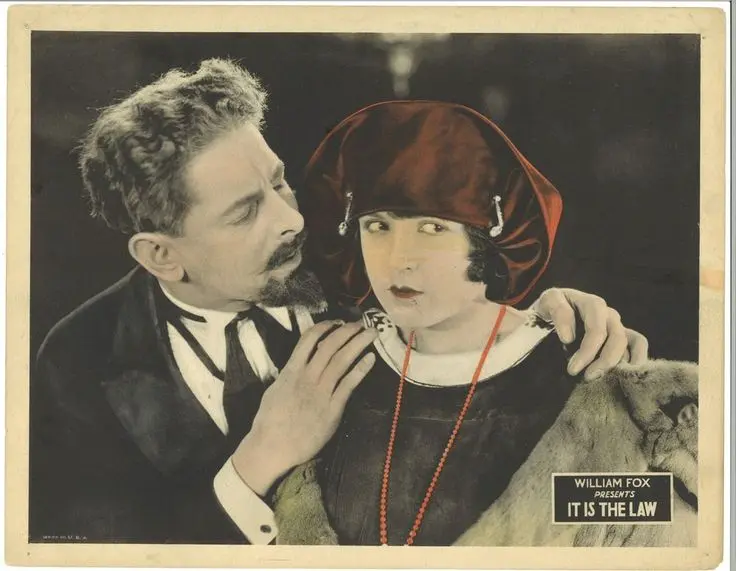
The Performance of Malice: Arthur Hohl’s Woodruff is a masterclass in silent film acting. Eschewing the over-the-top gesticulation common in the era, Hohl relies on minute shifts in facial expression to convey a mind that is constantly calculating, constantly refining its cruelty. He is the antithesis of the bumbling villains of the early slapstick era, such as those found in Toonerville's Fire Brigade. Instead, he represents a more modern, psychological threat—the man who burns down your life not with a torch, but with a pen and a lie. His interaction with the various supporting characters, including the stoic Byron Russell and the nuanced George Lessey, creates a tapestry of social interactions that feel lived-in and authentic, despite the heightened reality of the plot.
The legal procedural elements of the film are surprisingly robust for a 1924 production. We see the gears of justice grinding with a terrifying, impersonal force. The trial scene is not just a plot device; it is an indictment of a system that prizes circumstantial consistency over the messy, often contradictory nature of human truth. In this regard, It Is the Law shares a thematic DNA with The Sin of Martha Queed, where social mores and legal strictures conspire against the innocent. The film forces the audience to grapple with the horror of being 'legally' dead while physically alive, and conversely, being legally guilty while morally blameless. It is a paradox that the film explores with a relentless, almost cruel focus.
Comparison with other contemporary works reveals the film's unique position. While Paradise Lost deals with the grander, biblical falls of man, It Is the Law finds its tragedy in the mundane corridors of a courthouse. It lacks the whimsical escapism of Sands of the Desert or the lighthearted antics of Back from the Front, opting instead for a gritty realism that was quite rare for the mid-20s. Even the romantic elements, which often dominate films of this period like The Bashful Lover or Lena Rivers, are here subordinated to the overarching theme of vengeance. Ruth Allen is not merely a damsel to be rescued; she is the prize in a deadly game of chess, and her suffering is a direct consequence of Woodruff's inability to accept his own social and emotional defeat.
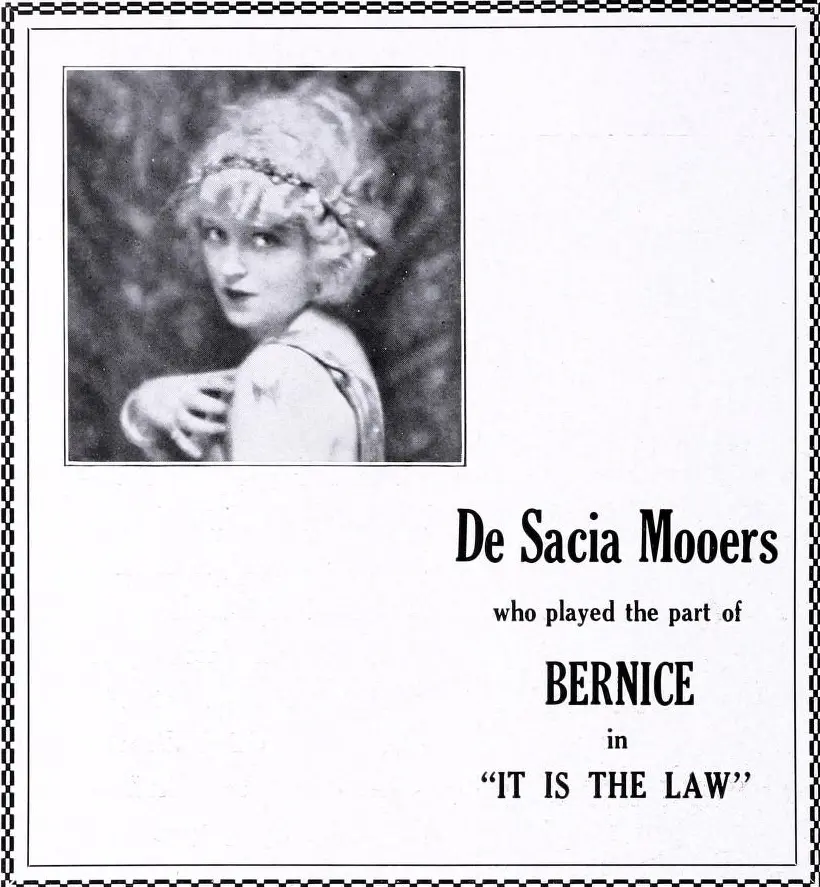
A Narrative Rebirth: The second half of the film, which deals with Justin’s release and the eventual discovery of the 'living' Woodruff, shifts the tone from a courtroom drama to a proto-noir thriller. The tension escalates as the distance between the hunter and the hunted narrows. This segment of the film reminds me of the relentless pacing in The Twinkler, though with a much darker emotional core. The final confrontation is not a grand spectacle of action but a quiet, devastating realization of the futility of Woodruff’s plan. The law, which he so expertly manipulated, eventually becomes the very cage that traps him, though the victory for Justin and Ruth is bittersweet, stained by years of stolen life and unearned shame.
One cannot discuss this film without acknowledging its literary pedigree. The involvement of Elmer Rice, a playwright known for his social consciousness, elevates the material above the standard pulp of the day. The dialogue—conveyed through intertitles—is sharp and devoid of the flowery sentimentality that often plagues silent cinema. There is a brevity and a weight to the words that suggest a much larger world beyond the frame. This narrative depth is what distinguishes It Is the Law from more episodic fare like Lucille Love: The Girl of Mystery. It is a cohesive, singular vision of moral decay and eventual, albeit painful, redemption.
Furthermore, the film’s exploration of the 'double' serves as a fascinating psychological study. In many ways, Woodruff’s decision to kill a man who looks like him is a form of symbolic suicide. He cannot live in a world where he is rejected, so he kills the version of himself that was spurned, attempting to start anew as a phantom. This level of character complexity is something we see mirrored in the works of European masters of the era, such as the haunting landscapes of La montagne infidèle, where the environment reflects the internal turmoil of the protagonists. In It Is the Law, the 'environment' is the rigid structure of society itself, which Woodruff attempts to bend to his will, only to find it snapping back with lethal force.
The Legacy of Injustice: Looking back from a century’s distance, the film remains remarkably effective. It lacks the sports-centric levity of Play Ball with Babe Ruth or the simple moral binaries of Egyenlöség. Instead, it occupies a gray space where justice is a fragile thing, easily shattered by a clever man with a grudge. The film’s conclusion, while satisfying the requirements of a 1920s audience for a 'happy ending,' leaves a lingering sense of unease. We are left wondering how many other Justin Victors are currently languishing in cells because a Woodruff was smart enough not to get caught. It is a haunting thought that gives the film a lasting resonance, much like the dark moral quandaries presented in The Devil's Garden.
In summation, It Is the Law is an essential piece of silent cinema history. It bridges the gap between the theatrical past and the cinematic future, offering a story that is as much about the mechanics of the mind as it is about the mechanics of the law. Its high lexical diversity in visual storytelling—using shadows, framing, and nuanced performance—makes it a rich subject for any serious film scholar. For the casual viewer, it remains a gripping, fast-paced thriller that proves that even without sound, the scream of injustice can be deafening. It is a testament to the power of a well-told story and a sobering reminder that while laws are written in stone, they are interpreted by men of clay.
IMDb 6.1
1932
Community
Log in to comment.