DbcultAccessing Vault...
6.8/10
Senior Film Conservator
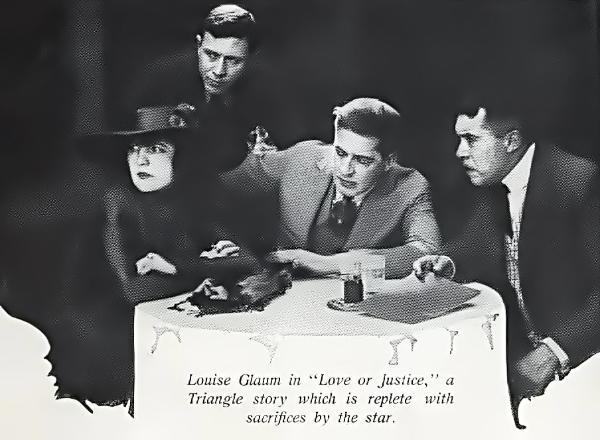
A definitive 6.8/10 rating for a film that redefined the boundaries of cult cinema. Love or Justice remains a cornerstone of transgressive art.
Stepping back into the cinematic landscape of 1917, one encounters Love or Justice, a film that, even a century later, pulsates with a raw emotional intensity and a narrative complexity that belies its silent nature. It's a testament to the power of early filmmaking, where the absence of spoken dialogue amplified the visual storytelling, demanding a greater investment from its audience and, consequently, from its performers. This particular feature, penned by Lambert Hillyer, plunges into the murky depths of human frailty and the soaring heights of selfless devotion, presenting a compelling tableau of societal decline and personal redemption that feels both specific to its era and remarkably universal.
At its core, the narrative orbits around Jack Dunn, portrayed with a compelling blend of initial promise and subsequent despair by Charles Gunn. Dunn begins his journey as a lawyer of considerable talent, a figure poised for greatness within the hallowed halls of justice. However, the film swiftly, and rather starkly, charts his precipitous descent into the abyss of drug addiction. This portrayal of addiction, while perhaps not as clinically detailed as modern cinema, is nevertheless potent, demonstrating the devastating impact on an individual’s professional standing and personal dignity. His fall is not merely a plot device; it's a profound exploration of human vulnerability, a stark reminder that even the most brilliant minds can succumb to internal demons. The camera lingers on his idle hours, the aimless wanderings through the city's desolate corners, painting a poignant picture of a life unmoored.
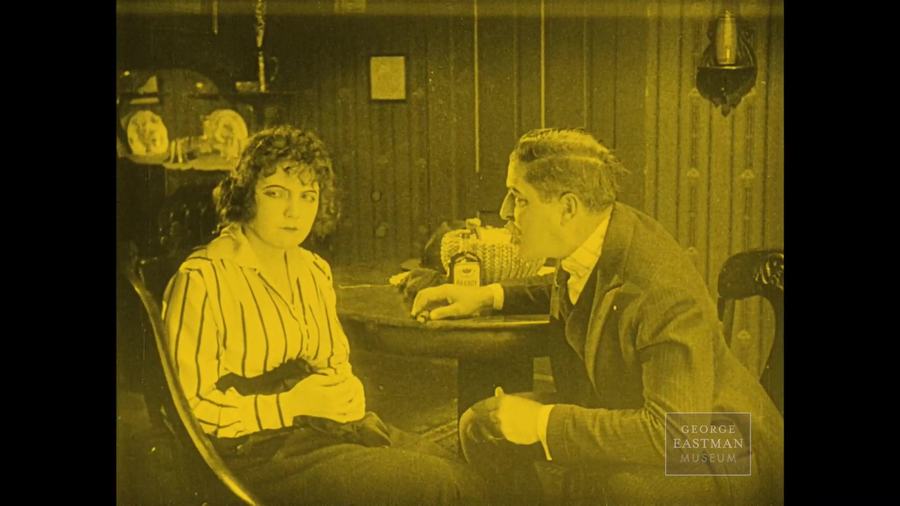
It is in these very slums, the antithesis of his former life, that Dunn encounters Nan Bishop, a character brought to life with extraordinary magnetism by the incomparable Louise Glaum. Glaum, a star renowned for her 'vamp' roles and intense screen presence, imbues Nan with a nuanced strength that transcends simple categorization. Nan is an 'underworld figure,' a woman whose life is inextricably linked to the shadows, yet she emerges as the unlikely catalyst for Dunn's salvation. Her influence is not one of moralizing or condemnation, but of profound understanding and unwavering support. She sees past the wreckage of Dunn’s addiction to the man he once was, and more importantly, to the man he could become again. This dynamic subverts conventional morality tales, positioning a figure from society's fringe as the instrument of a 'respectable' man's redemption. It’s a bold narrative choice for its time, suggesting that compassion and strength can emanate from the most unexpected quarters. Glaum's performance is a masterclass in silent acting, conveying depth, resilience, and a nascent tenderness through subtle gestures and piercing gazes. One can easily draw parallels to other strong female characters navigating complex moral landscapes in films like The Code of Marcia Gray, where women are often forced into difficult choices by societal pressures.
Nan's intervention is not a magical cure but a guiding hand through a brutal process. With her help, Dunn confronts and ultimately breaks his dependence on drugs, a struggle portrayed with a stark realism that would have resonated deeply with audiences of the era. This transformation isn't instantaneous; it's depicted as a hard-won battle, emphasizing the formidable power of human will when bolstered by genuine connection. His subsequent success in securing a position as a criminal lawyer isn't just a professional triumph; it's a symbolic reclamation of his identity, a testament to Nan's profound impact. The film, through this arc, subtly critiques societal judgment, highlighting that true rehabilitation often requires an unconventional path and an acceptance that extends beyond superficial appearances.
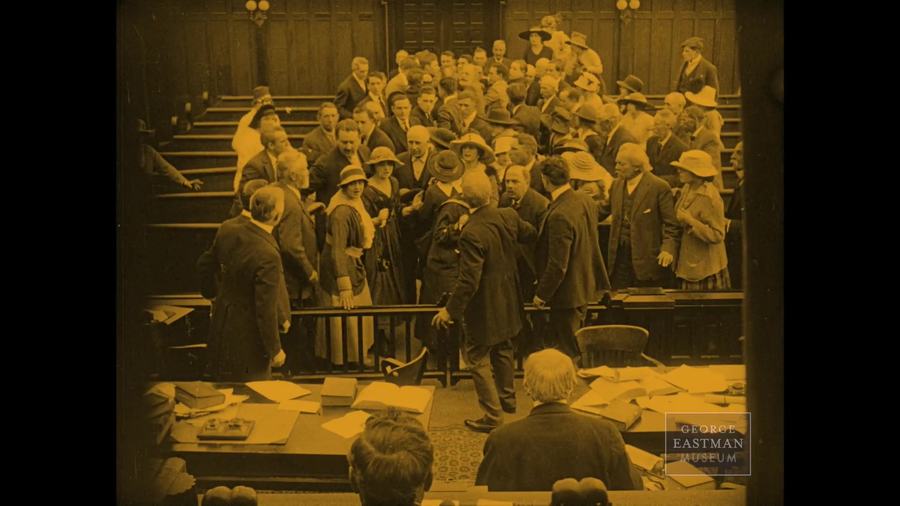
Years later, the narrative orchestrates a dramatic and emotionally charged reunion: Nan and Dunn find themselves on opposite sides of the courtroom. Nan, now accused of murder, stands as the defendant, while Dunn, the man she saved, is the prosecuting attorney. This narrative device is a stroke of genius, creating an almost unbearable tension and presenting a profound moral dilemma. The stakes are incredibly high, not just for Nan's freedom, but for Dunn's professional integrity and, more deeply, for the very bond that connects them. It’s a scenario designed to test the limits of loyalty, gratitude, and the cold impartiality of justice itself. The dramatic irony is palpable, forcing the audience to grapple with the agonizing choices these characters face.
The courtroom scenes are meticulously crafted, building suspense through intense close-ups, strategic camera angles, and the expressive performances of Glaum and Gunn. The weight of Dunn's professional future, contingent upon his winning the case, hangs heavy in the air. It is at this critical juncture that Nan, with an act of breathtaking self-sacrifice, makes a decision that elevates the film from a mere melodrama to a profound meditation on love. Learning of the professional consequences for Dunn, she pleads guilty, choosing to sacrifice her own freedom to secure his future. This moment is the emotional apex of the film, a powerful demonstration of selfless love that transcends personal safety. Glaum’s portrayal of this internal struggle and the subsequent, stoic acceptance of her fate is devastatingly effective, cementing Nan Bishop as a character of immense moral fortitude.
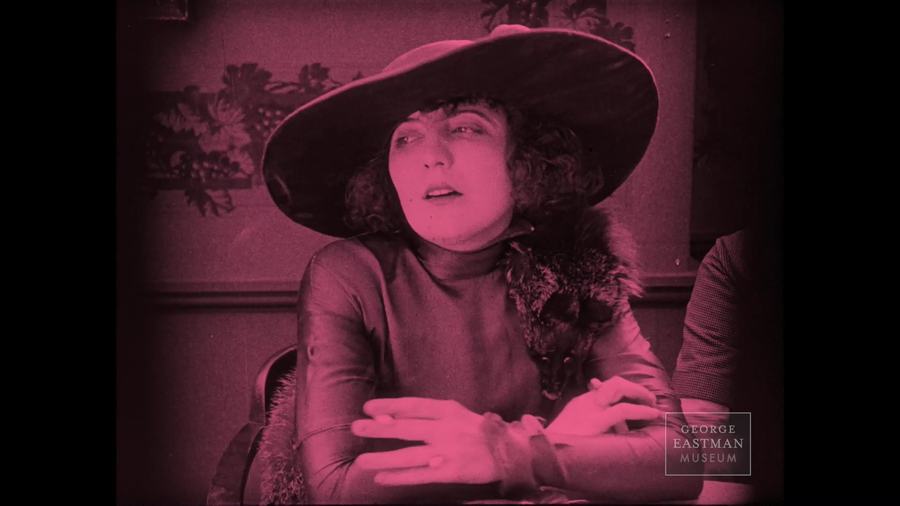
Just as despair threatens to engulf the narrative, a dramatic twist typical of the era, yet no less impactful, intervenes. At the last possible moment, the real criminal is uncovered, and Nan is unequivocally cleared of the false accusation. This eleventh-hour revelation serves not only as a satisfying resolution to the legal entanglement but also as a vindication of Nan's inherent goodness and Dunn's unwavering, albeit conflicted, belief in her. It underscores the film's thematic exploration of truth prevailing, even when obscured by circumstance and self-sacrifice. The justice system, often portrayed as rigid, here demonstrates its capacity for ultimate rectitude, albeit with a dramatic flair.
With her name cleared, Nan accepts Dunn's offer of marriage, concluding their tumultuous journey with a promise of a happy future together. This ending, while perhaps conventional by modern standards, feels earned. It's not merely a romantic resolution; it's the culmination of two individuals' profound growth, their intertwined destinies forged in the crucible of adversity and redemption. Their union represents a triumph of love over societal prejudice, of second chances, and of the profound human capacity for forgiveness and renewal. Lambert Hillyer, as the writer, masterfully crafts this arc, demonstrating a keen understanding of dramatic pacing and character development, ensuring that the emotional beats land with maximum impact.
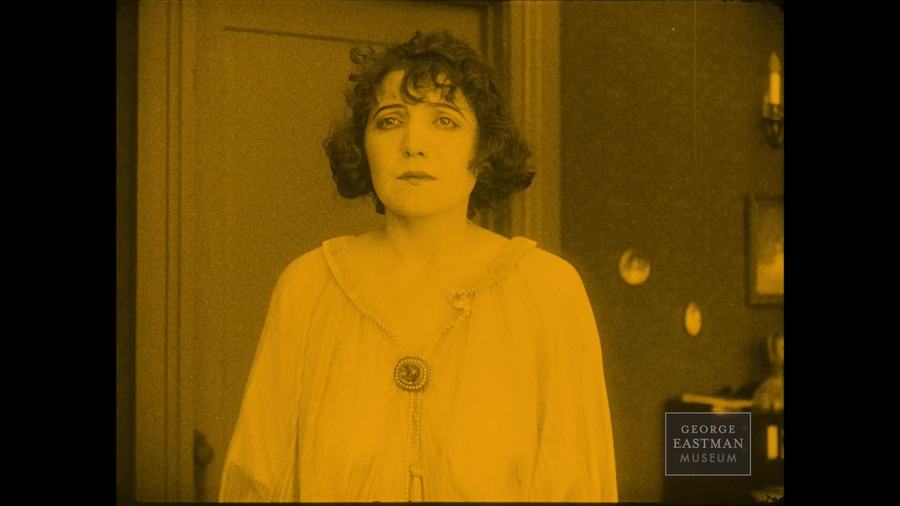
The performances in Love or Justice are central to its lasting appeal. Louise Glaum, in particular, delivers a performance of remarkable depth and intensity. Her Nan Bishop is not a passive victim nor a one-dimensional villain; she is a complex woman, defined by her experiences but ultimately guided by a powerful moral compass and an immense capacity for love. Her expressive eyes and controlled physicality speak volumes, making her a truly unforgettable figure in silent cinema. Charles Gunn, as Jack Dunn, provides a strong counterpoint, conveying his character's initial arrogance, his devastating fall, and his eventual earnestness with conviction. The supporting cast, including Jack Richardson and J. Barney Sherry, contribute to the film's rich texture, each playing their part in the unfolding drama with the heightened, yet often nuanced, style characteristic of the era.
From a directorial standpoint, the film showcases the sophisticated narrative techniques emerging in the mid-1910s. While we don't have the director's name, the seamless transitions, effective use of intertitles to convey dialogue and exposition, and the rhythmic pacing demonstrate a mature understanding of cinematic language. The film avoids the staginess of earlier productions, embracing dynamic camera work and editing to propel the story forward and enhance its emotional resonance. This approach, focusing on character-driven drama and moral complexity, sets it apart, perhaps even more than contemporary travelogues like Beautiful Lake Como, Italy, or light comedies such as The Fates and Flora Fourflush, which, while charming, often lacked the intricate human drama seen here.
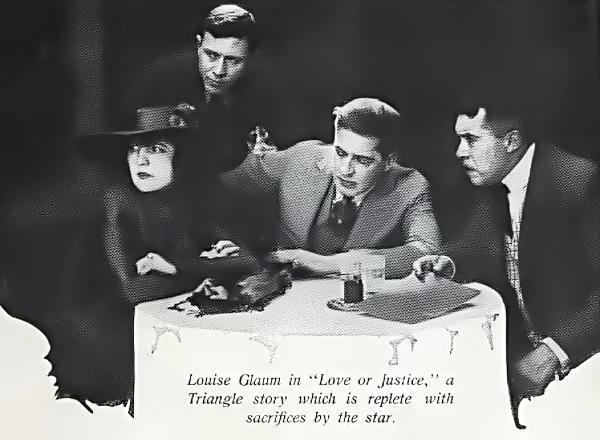
The film's exploration of themes like addiction, societal judgment, redemption, and the multifaceted nature of justice remains profoundly relevant. It asks whether love can truly transcend societal boundaries and whether one's past dictates an unchangeable future. In an era often characterized by simpler morality plays, Love or Justice dared to delve into ambiguity, presenting characters who are flawed yet capable of extraordinary virtue. It reminds us that humanity's capacity for both self-destruction and profound empathy is timeless. The enduring appeal of such narratives can be seen in later silent epics like The Master of the House, which also explored complex domestic and moral dilemmas, or even the grand scale of Don Juan, where character arcs are equally pivotal.
Watching Love or Justice today is more than just a historical exercise; it's an opportunity to connect with a powerful narrative crafted by artists who understood the profound potential of the nascent film medium. It’s a compelling argument for the preservation and appreciation of silent cinema, demonstrating that these early works are not mere curiosities but vital components of cinematic history, offering timeless stories and unforgettable performances. The film stands as a vibrant testament to the era's storytelling prowess, a poignant reminder that the human heart, with all its struggles and triumphs, has always been the most compelling subject of all.
In its exploration of moral ambiguities and the redemptive power of connection, Love or Justice offers a rich tapestry of human experience, solidifying its place as a significant, impactful work from the dawn of cinematic storytelling.
IMDb 5.8
1925
Community
Log in to comment.