DbcultAccessing Vault...
Cult Review
Senior Film Conservator
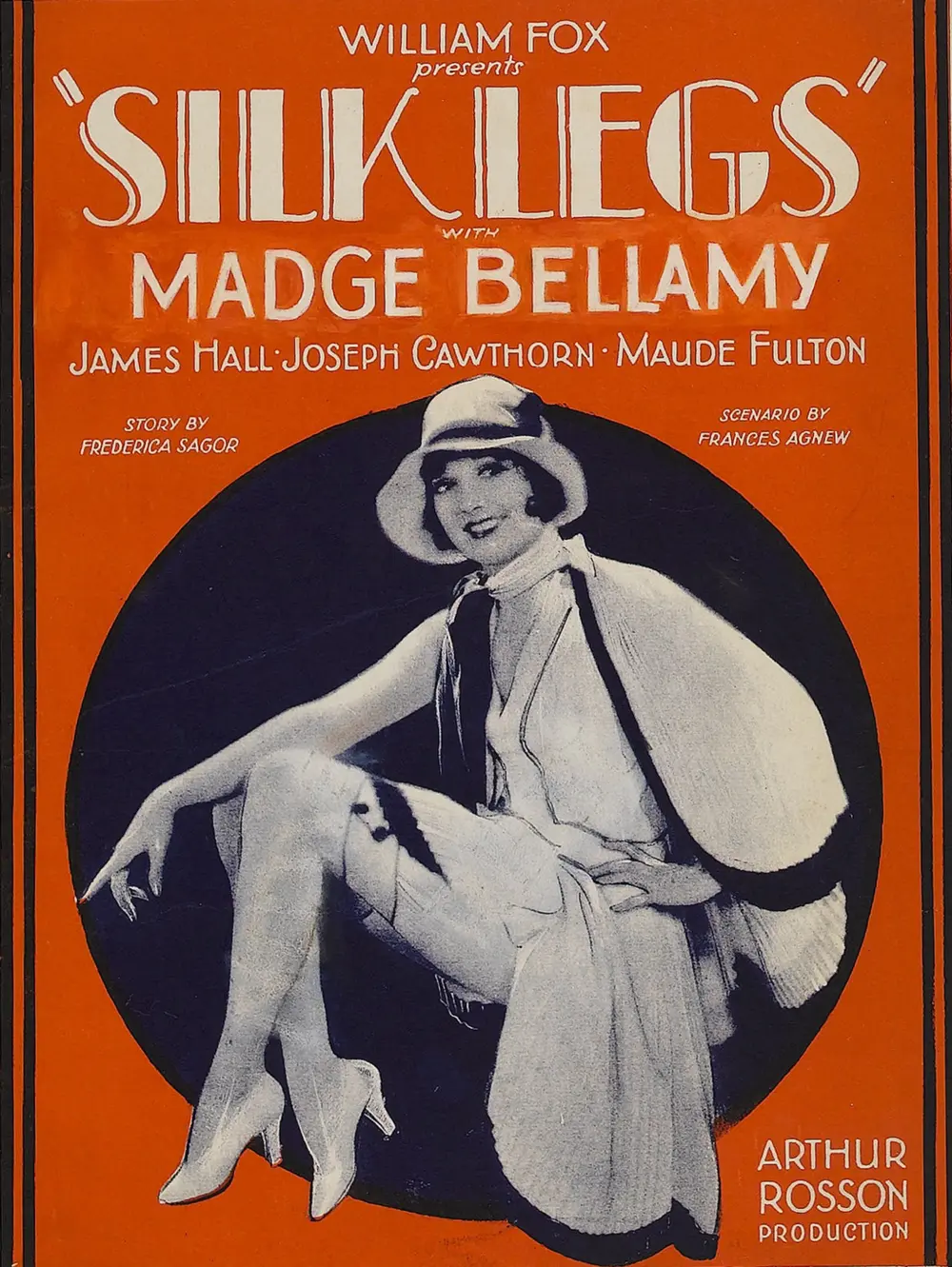
Is Silk Legs worth watching today? Short answer: yes, but only if you appreciate the specific, frantic energy of late-period silent comedies and the 'New Woman' tropes of the 1920s. This film is for silent cinema enthusiasts and students of early 20th-century gender dynamics; it is not for those who demand modern pacing or a plot that avoids dated romantic stereotypes.
Silk Legs works because it captures a very specific moment in American consumerism where the 'traveling salesman' was a cultural icon and the 'flapper' was beginning to dominate the workforce. It fails because its resolution relies heavily on the protagonist using her looks rather than her business acumen to win, which feels regressive even by the standards of some other 1927 releases. You should watch it if you want to see Madge Bellamy at the height of her silent-era charm, navigating a script that is surprisingly cynical about the world of advertising.
The plot of Silk Legs is deceptively simple, yet it serves as a fascinating window into the competitive nature of 1920s retail. Unlike the more dramatic stakes found in The Midnight Guest, the conflict here is purely commercial. We have two agents, played by Madge Bellamy and James Hall, who are essentially fighting for the soul (and the legs) of a mid-sized town's department store order. The film treats hosiery not just as clothing, but as a weapon of war.
One of the most effective sequences involves James Hall’s character setting up a formal exhibition. He is the traditionalist, believing that a well-lit display and a technical demonstration of the product's strength will win the day. The cinematography here is surprisingly detailed for a silent film, focusing on the texture of the fabric and the way the light reflects off the silk. It reminds me of the visual precision found in Rhythmus 23, though applied to a much more commercial subject matter.
But the film truly comes alive when Bellamy enters the fray. She doesn't just try to sell a better product; she sabotages the environment. There is a punchy, almost slapstick moment where she switches the stockings on the mannequins while her rival is distracted. It is a small, petty act of corporate sabotage that feels incredibly modern. It works. But it’s flawed. The film’s insistence that she must also flirt with the buyer to seal the deal feels like a concession to the male-dominated audience of the time.
Madge Bellamy was often cast as the quintessential 'American Girl,' and in Silk Legs, she pushes that persona to its limits. Her facial expressions are less 'theatrical' than what you might see in Dark Secrets and more grounded in a sassy, relatable realism. When she realizes she’s being outplayed, her reaction isn't a dramatic swoon; it’s a narrowing of the eyes and a tightening of the jaw. She’s a professional first and a romantic lead second.
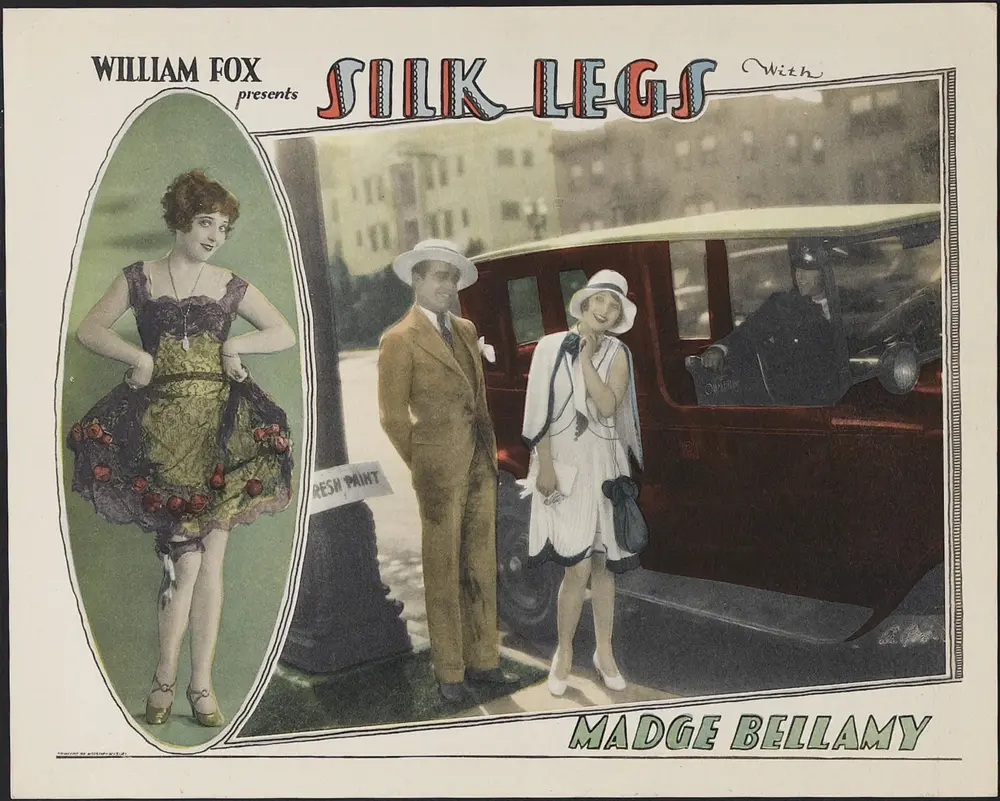
James Hall provides a solid, if slightly stiff, foil to Bellamy’s energy. His character represents the 'old way' of doing business—logical, structured, and perhaps a bit too confident. The chemistry between the two is palpable, but it’s a chemistry born of professional rivalry. It’s a similar dynamic to what we see in Alice Cuts the Ice, where the romantic tension is secondary to the immediate goal at hand.
Joseph Cawthorn, as the buyer, provides the necessary comedic relief. His performance is a masterclass in the 'bewildered authority figure' trope. He is the pivot point of the movie. Whoever wins him over wins the film. Watching him be systematically dismantled by Bellamy’s charm is both amusing and a bit painful, given how easily he is swayed by a smile and a well-placed compliment.
Director Arthur Rosson brings a certain slickness to the proceedings. While not as avant-garde as some of his contemporaries, he understands how to frame a scene for maximum comedic impact. The use of depth in the department store scenes allows the audience to see Bellamy’s sabotage in the background while Hall is giving his earnest pitch in the foreground. This 'deep focus' storytelling was quite sophisticated for 1927.
The pacing is another strong point. Unlike the slower, more deliberate pacing of Guilt, Silk Legs moves with a briskness that mirrors the fast-paced world of sales. The editing is sharp, cutting between the rival agents with a rhythm that builds genuine tension. You actually care about who gets the hosiery contract, which is a testament to the film’s ability to make mundane stakes feel vital.
Visually, the film leans heavily into the 'flapper' aesthetic. The costumes are exquisite, showcasing the shift from the heavy, restrictive clothing of the previous decade to the light, airy, and more revealing styles of the late 20s. This isn't just a fashion choice; it’s central to the plot. The stockings are a symbol of freedom and modernity. The film understands this and fetishizes the product just enough to make the sales battle feel like a cultural revolution.
If you are looking for a lighthearted, visually engaging example of silent comedy that avoids the over-the-top slapstick of the early 1920s, then Silk Legs is absolutely worth a look. It is a sophisticated 'business comedy' that feels like a precursor to the screwball comedies of the 1930s. However, if you are bothered by the trope of a woman winning through 'feminine wiles' rather than pure skill, you might find the ending more frustrating than satisfying.
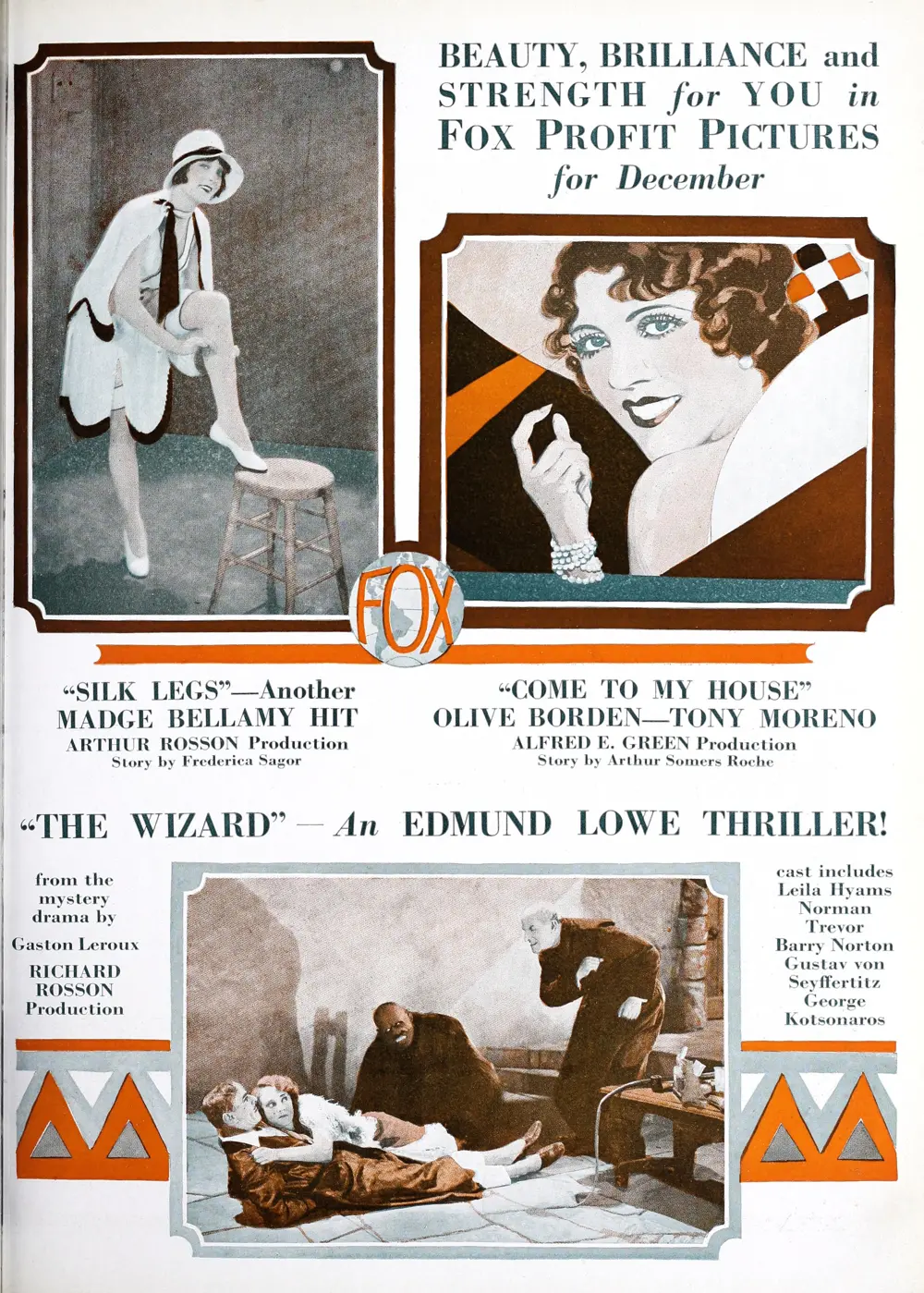
When compared to other 1927 films like South Sea Love, Silk Legs feels much more grounded and urban. It lacks the exoticism of the former but gains a sense of relatability. It’s also interesting to contrast it with The Plumber. While both deal with blue-collar or service-oriented professions, Silk Legs has a layer of corporate polish that makes it feel more 'high-end.'
The writing by Frederica Sagor Maas is particularly noteworthy. Maas was known for her ability to write the 'New Woman' with a sense of agency, even within the confines of a patriarchal studio system. You can see her influence in the way Bellamy’s character takes charge of her own destiny, even if the tools she uses are traditional. It’s a more nuanced take than you’d find in something like Sally in Our Alley.
Pros:
Cons:
Silk Legs is a sharp, albeit slightly dated, comedy that showcases the best of Madge Bellamy. It’s a film that understands the power of the 'brand' and the lengths people will go to for a sale. While it doesn't reinvent the wheel, it spins it with enough style and wit to remain a compelling watch for anyone interested in the history of cinema. It’s a minor work in the grand scheme of the silent era, but a highly entertaining one nonetheless. It’s not a masterpiece, but it’s a damn good time. Don’t expect a deep emotional journey—expect a clever, well-executed business rivalry that ends exactly how you think it will, but gets there with more flair than you’d expect.
"In the world of Silk Legs, the sale isn't just about the product; it's about the performance. Bellamy doesn't just sell stockings; she sells a lifestyle, and she does it with a wink and a shrug that feels remarkably contemporary."

IMDb 6.5
1925
Community
Log in to comment.