DbcultAccessing Vault...
Cult Review
Senior Film Conservator
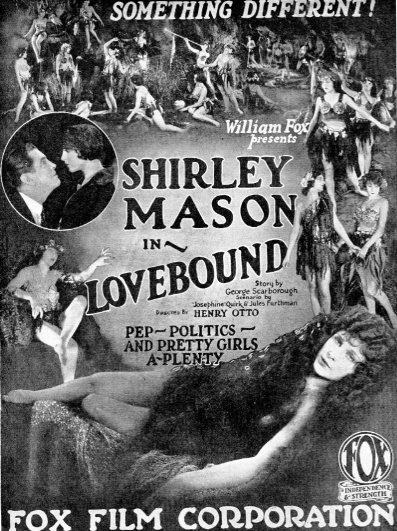
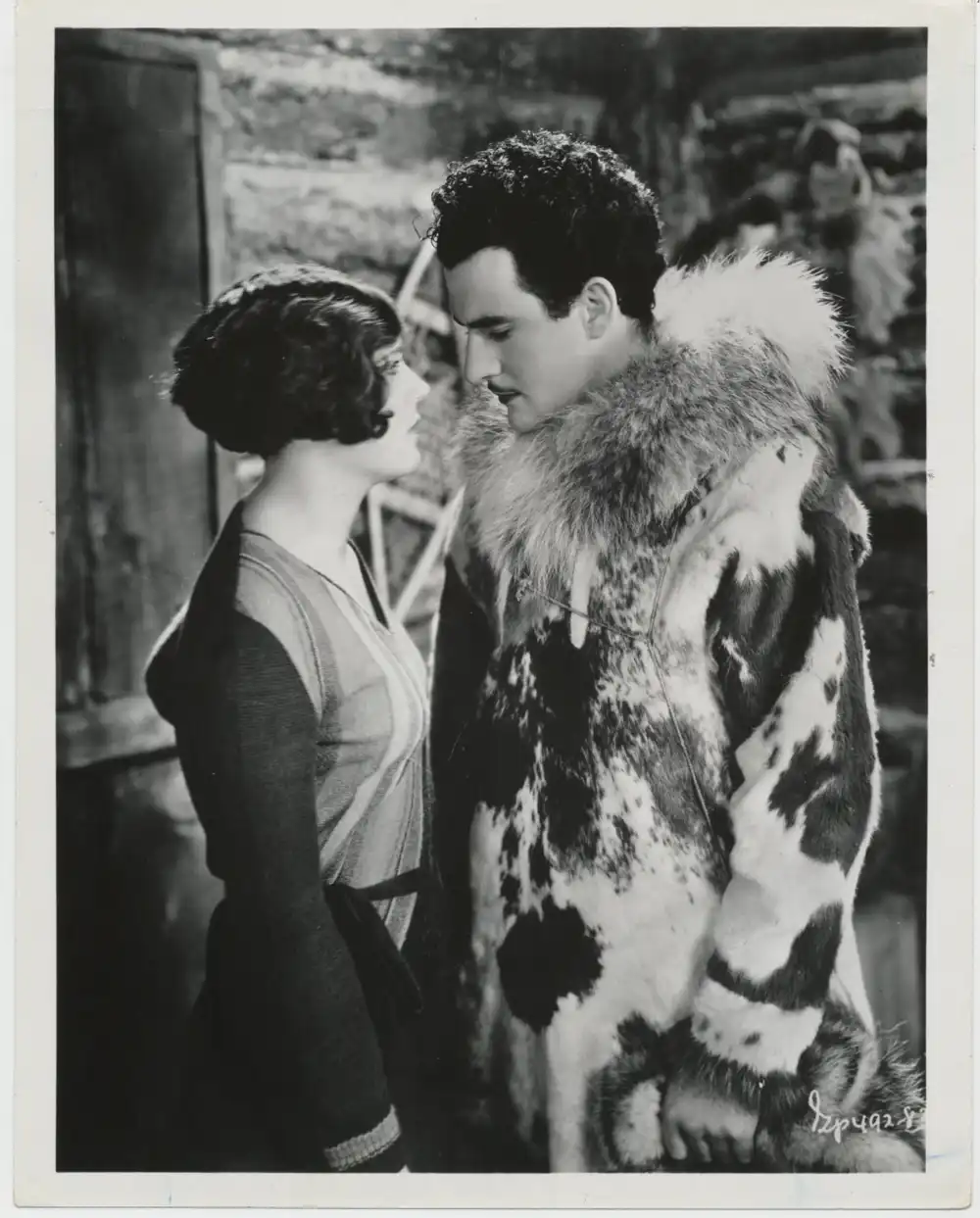
Stepping into the flickering glow of Lovebound, a cinematic relic from the year 1924, is akin to unearthing a forgotten diary, its pages filled with the raw, untamed emotions of an era long past. This silent drama, a testament to the storytelling prowess of George Scarborough, Josephine Quirk, and Jules Furthman, is far more than a mere historical curiosity; it is a profound exploration of moral compromise, the relentless grip of the past, and the desperate lengths to which love compels us. Directed with an understated elegance, it presents a narrative that, despite its vintage, resonates with an unsettling familiarity, probing the eternal human struggle between duty and desire, innocence and complicity.
At its heart lies Bess Belwyn, portrayed with exquisite vulnerability by the remarkable Shirley Mason. Mason, a luminary of the silent screen, imbues Bess with a fragile strength, a kind of wide-eyed innocence that makes her descent into moral ambiguity all the more poignant. Bess is not merely a character; she is a symbol of the societal pressures and expectations placed upon women in the early 20th century, a vessel for the anxieties of an age transitioning from Victorian propriety to modern cynicism. Her father, a man whose past casts a long, inescapable shadow, has ostensibly reformed within the penitentiary's walls. This narrative thread immediately draws parallels to other films of the era that grappled with themes of redemption and the indelible stain of one's origins. One might recall the moral quandaries faced by characters in films like The Lyons Mail, where familial ties and the burden of reputation dictate fate. The weight of a parent's transgressions, and the subsequent impact on their offspring, is a perennial theme in dramatic literature, and Lovebound navigates this treacherous terrain with a delicate yet firm hand.
Bess's engagement to District Attorney John Mobley, played by Edward Martindel with an air of dignified uprightness, sets the stage for a classic dramatic irony. Mobley represents the very law her father once defied, and the very justice Bess will inadvertently circumvent. This betrothal, initially a beacon of hope and respectability for Bess, rapidly transforms into a gilded cage of her own making. The narrative skillfully builds the tension, presenting Mobley as an almost impossibly virtuous figure, thereby amplifying Bess's internal conflict and the gravity of her impending deception. It's a juxtaposition that speaks volumes about the societal expectations of women, particularly those marrying into positions of power and influence. The pressure to maintain appearances, to embody an idealized version of womanhood, was immense, and Lovebound masterfully exploits this tension.
The catalyst for Bess's tragic turn is the re-emergence of her father's erstwhile accomplice, a figure of pure villainy embodied by Alan Roscoe. Roscoe, with his chilling presence, personifies the inescapable past, a malevolent specter threatening to expose her father and demolish his fragile new lease on life. This is where Bess's moral compass begins to spin wildly. Unaware of the true, far-reaching consequences, she becomes entangled in a jewelry theft, a desperate, ill-conceived scheme to silence the blackmailer. This pivotal moment is rendered with a quiet desperation that is palpable. Mason's portrayal of Bess's trepidation and eventual complicity is a masterclass in silent acting, conveying a world of fear and misguided loyalty through subtle gestures and expressive eyes. It's a moment that resonates with the tragic choices made by protagonists in melodramas like The Power of Love, where characters are driven to extreme acts by overwhelming circumstances and emotional duress.
The subsequent spiral of events is a study in mounting psychological torment. Bess attempts, in increasingly frantic and futile ways, to confess her transgression and break off her engagement. Each aborted confession, each whispered word that catches in her throat, reinforces the suffocating grip of her secret. The film excels in portraying this internal anguish, relying heavily on Mason's nuanced performance and the strategic use of intertitles to convey her unspoken despair. This narrative device, a hallmark of silent cinema, is employed here not just to advance the plot, but to delve into Bess's psychological landscape, making her plight deeply empathetic. The wedding itself, rather than a joyous occasion, becomes an agonizing procession towards an inevitable reckoning, a poignant counterpoint to the blissful unions often depicted in contemporary films like Dulcie's Adventure, where romantic entanglements typically resolve in saccharine harmony.
After the vows are exchanged and the illusion of normalcy is momentarily sustained, the blackmailer reappears, a venomous reminder that sin, once committed, is rarely forgotten. This time, his demands are not merely for silence, but for a lifetime of subservience, threatening to expose Bess and shatter Mobley's career and reputation. The tension here is almost unbearable, a slow-burning fuse leading to an explosive climax. It is in this moment of ultimate despair that Bess finds her voice, confessing everything to Mobley. This scene, the emotional fulcrum of the entire film, is handled with immense power. Mason's raw outpouring of guilt and fear, juxtaposed with Martindel's initial shock and subsequent understanding, creates a compelling dynamic. It's a testament to the enduring power of truth, even when delivered under the most dire circumstances.
The ensuing fracas, a violent confrontation between Mobley and the blackmailer, is a visceral release of all the pent-up tension. The villain's demise, while perhaps a convenient narrative resolution, also serves as a symbolic cleansing, ridding Bess and Mobley of the external threat that had poisoned their nascent marriage. This resolution, while satisfying in its immediate impact, leaves a lingering question about the true cost of their peace. Can a love forged in deception and violence ever truly be pure? Lovebound doesn't offer easy answers, instead inviting the audience to ponder the complexities of morality and forgiveness. The film's conclusion, while providing a sense of closure, suggests that the scars of such events run deep, leaving an indelible mark on the characters' psyches.

The directorial choices throughout are particularly noteworthy. The use of light and shadow, a staple of silent cinema, is employed here to great effect, emphasizing Bess's moral dilemma and the sinister nature of the blackmailer. Close-ups on Mason's expressive face draw the audience into her internal turmoil, allowing for a deep connection without the need for spoken dialogue. The pacing, while deliberate, never drags, instead building a steady crescendo of suspense. This careful construction distinguishes Lovebound from some of its more melodramatic contemporaries, demonstrating a maturity in storytelling that was not always present in films of the era. One could compare its measured approach to psychological drama with the more overtly theatrical presentations found in films like When Rome Ruled, which often relied on grand gestures and spectacle over nuanced character development.
Shirley Mason's performance is, without hyperbole, the beating heart of Lovebound. Her ability to convey profound emotion through subtle expressions, a slight tremor of the lip, a fleeting glance, or the slump of her shoulders, is nothing short of mesmerizing. She embodies Bess's journey from naive hope to agonizing despair and eventual, hard-won peace with a conviction that transcends the limitations of the silent medium. Her chemistry with Edward Martindel, though often strained by the narrative's tension, is palpable, lending credibility to their characters' love and the depth of Bess's sacrifice. Their interplay elevates the film from a simple crime drama to a poignant exploration of human relationships under duress. This nuanced portrayal of a woman grappling with impossible choices makes her character as compelling as True Heart Susie, another silent film heroine whose quiet sacrifices define her journey.
The supporting cast, particularly Alan Roscoe, delivers performances that are equally vital to the film's success. Roscoe's portrayal of the villain is chillingly effective, a masterclass in silent menace. He doesn't rely on overt theatrics but rather a quiet, insidious threat that makes his character truly frightening. Joseph W. Girard, Fred Kelsey, and Richard Tucker round out the ensemble, each contributing to the rich tapestry of characters that populate Bess's tumultuous world. The collective strength of the performances ensures that the emotional stakes remain high, keeping the audience invested in Bess's fate from beginning to end. It's a testament to the casting acumen that such a nuanced ensemble was assembled.
From a technical standpoint, Lovebound showcases the evolving sophistication of silent film production. The cinematography is crisp, capturing the period's aesthetic with remarkable clarity. The set designs, while not overtly lavish, effectively convey the different social strata inhabited by the characters, from the austere prison cells to the opulent jewelry store and Mobley's respectable home. The intertitles are well-crafted, serving not just as dialogue but also as narrative commentary, guiding the viewer through the complex emotional landscape. These elements combine to create a visually engaging experience that holds up remarkably well nearly a century later, proving that quality filmmaking transcends the limitations of technology. One can see similar attention to detail in the visual storytelling of God's Crucible, another film from the era that relied heavily on visual composition to convey its powerful narrative.
Thematically, Lovebound delves deep into the concept of personal responsibility and the inescapable consequences of one's actions, even when driven by seemingly noble intentions. Bess's initial decision to participate in the theft, motivated by a desire to protect her father, ultimately entraps her in a far more profound moral dilemma. The film suggests that while love can inspire great sacrifice, it can also blind us to the ethical implications of our choices. It's a cautionary tale, but one delivered with immense empathy for its protagonist. The film also touches upon the fragility of reputation and the societal judgment that follows those with a tainted past, a theme explored with similar intensity in The Inferior Sex, which often highlighted the societal constraints and judgments faced by women.
The resolution, while offering a form of justice and a glimmer of hope for Bess and Mobley's future, is not without its complexities. The death of the blackmailer, while removing the immediate threat, doesn't erase the past. It merely closes one chapter, leaving the couple to navigate the aftermath of their shared trauma. This nuanced ending, eschewing a simplistic 'happily ever after,' lends the film a lasting resonance, inviting contemplation long after the final frame fades. It's a sophisticated approach to storytelling that elevates Lovebound beyond typical melodrama, positioning it as a thoughtful commentary on human resilience and the enduring power of forgiveness, both self-forgiveness and forgiveness from others.
For modern audiences, Lovebound offers a compelling window into the cinematic landscape of the 1920s. It showcases the emotional depth and narrative sophistication that silent films were capable of achieving, often defying the simplistic stereotypes sometimes associated with the era. Shirley Mason's performance alone is worth the price of admission, a masterclass in non-verbal communication that continues to captivate. The film serves as a potent reminder of the timelessness of human dilemmas and the enduring power of love to both complicate and ultimately redeem. It stands as a powerful example of how silent cinema, through its unique artistic conventions, could explore profound psychological and moral territories with an elegance and intensity that remains impactful today. Much like The Locked Heart, it delves into the hidden chambers of human emotion, revealing the intricate workings of guilt and absolution.
In conclusion, Lovebound is a forgotten gem that deserves renewed attention. Its intricate plot, compelling performances, and thoughtful exploration of universal themes make it a significant contribution to early cinema. It’s a film that resonates with the complexities of life, love, and the indelible mark of our past, offering a rich and rewarding viewing experience for anyone with an appreciation for classic storytelling and the art of silent film. The emotional journey it takes its audience on is profound, a testament to the collaborative genius of its writers and director, brought to life by a stellar cast. It's a narrative that, while rooted in its time, speaks to the eternal human condition, making it a compelling watch for any connoisseur of dramatic cinema. The dark orange hues of its moral quandaries, illuminated by the yellow glow of hope and the sea blue depths of sacrifice, create a vivid cinematic tapestry that remains etched in the mind long after the final credits roll.
IMDb 5.3
1930
Community
Log in to comment.