DbcultAccessing Vault...
Cult Review
Senior Film Conservator
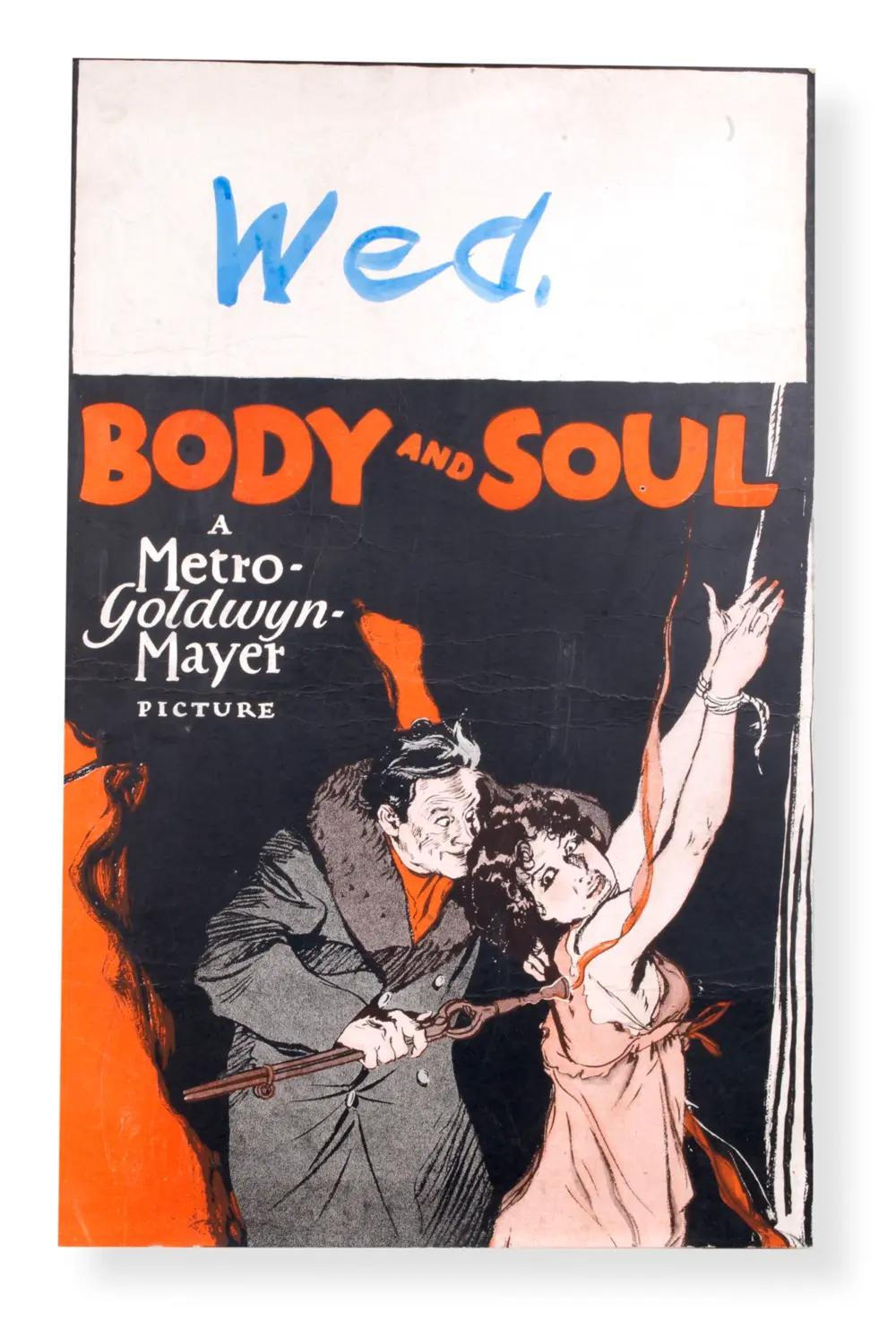
Should you invest ninety minutes in this silent-era Alpine melodrama? Short answer: Yes, but only if you have an appetite for stories where the protagonist is fundamentally unlikable for the majority of the runtime.
This film is for the dedicated historian of the silent screen and those who enjoy psychological dramas centered on manipulation. It is absolutely not for viewers who require a traditional hero or a fast-paced narrative arc.
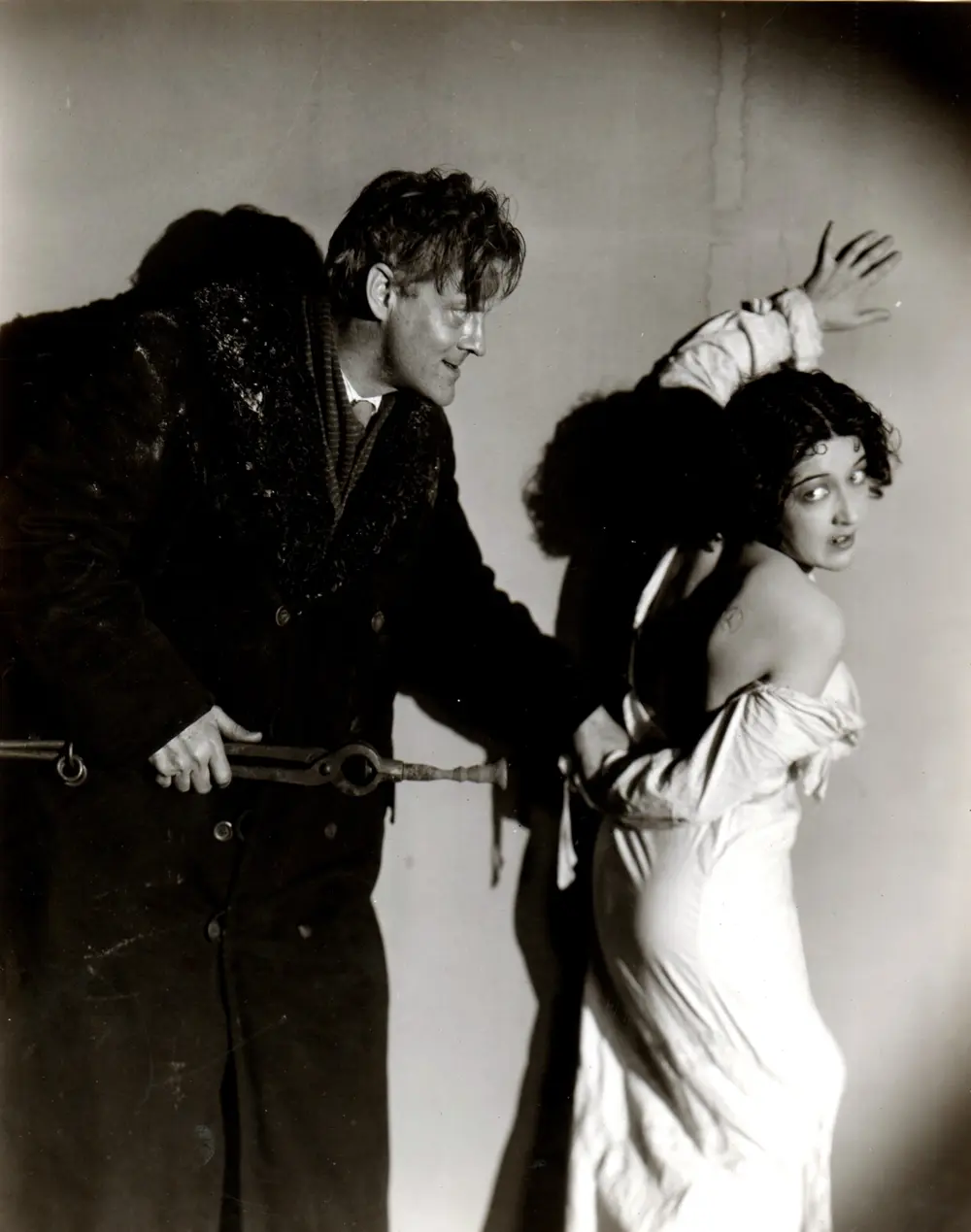
1) This film works because it uses the isolation of the Swiss Alps to mirror the internal entrapment of its characters.
2) This film fails because the surgeon's ultimate path to redemption feels rushed and unearned given his predatory behavior.
3) You should watch it if you want to see a masterclass in late-silent era atmospheric tension and Lionel Barrymore’s early character work.
Body and Soul (1927) is a film that breathes through its atmosphere. From the opening shots of the jagged mountain peaks, there is a sense of impending doom. This isn't the romanticized version of the Alps we see in later cinema. It is a cold, unforgiving landscape that serves as a sanctuary for a man who has lost everything: his career, his dignity, and his sobriety.
The surgeon, played with a twitchy, desperate energy by T. Roy Barnes, is a fascinating study in self-destruction. Unlike the polished professionals in Not So Long Ago, Barnes’s character is raw and jagged. He doesn't just drink; he disappears into the bottle. The film doesn't shy away from the ugliness of his addiction, which makes his subsequent manipulation of Hilda all the more sinister.
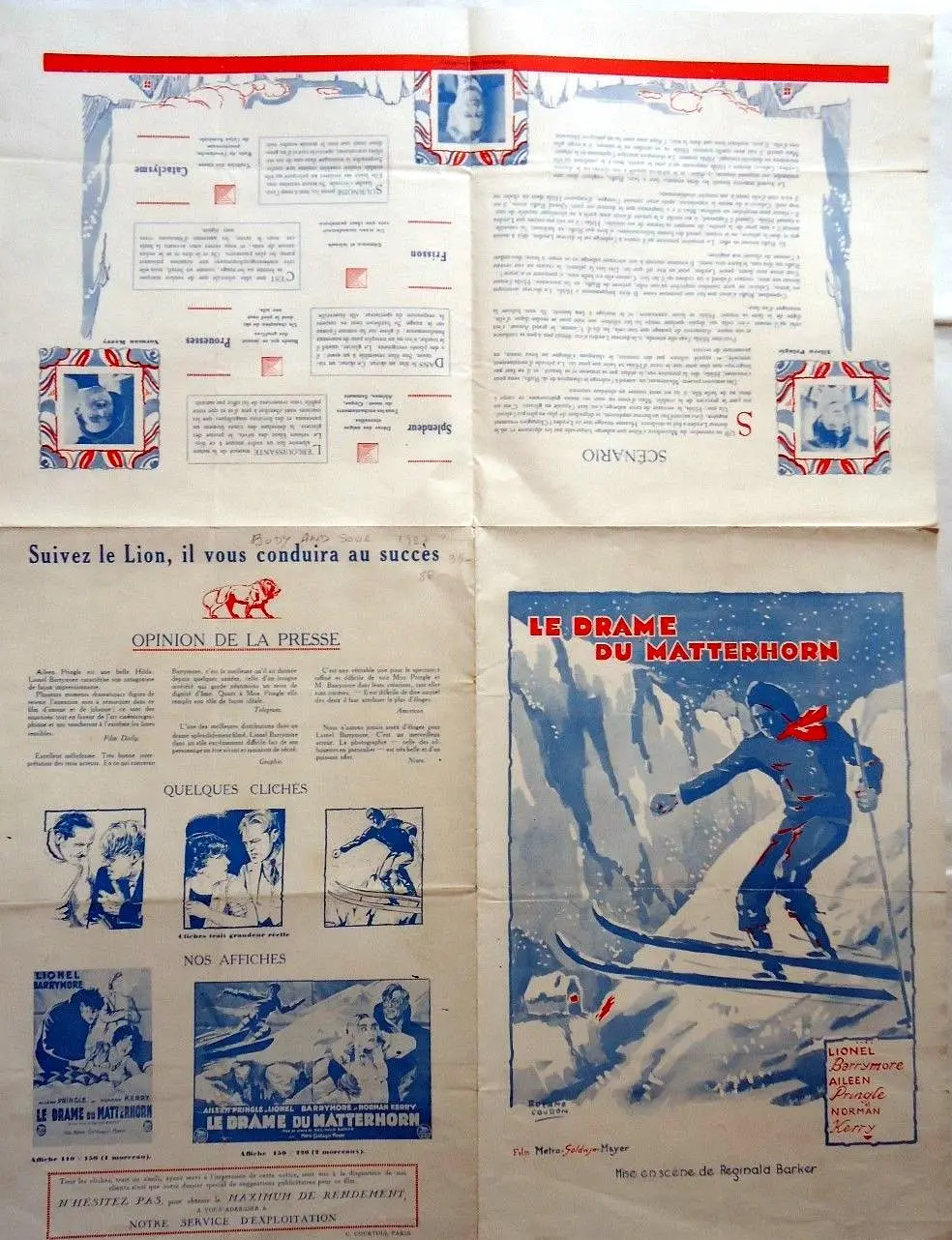
Hilda, portrayed by Aileen Pringle, is the emotional anchor of the film. Pringle brings a quiet vulnerability to the role that prevents the character from becoming a mere plot device. When she is told that Ruffo has abandoned her, her grief isn't performative; it’s a slow, crushing realization. This makes the surgeon's lie feel like a physical assault on the viewer’s sensibilities.
Body and Soul is worth watching for its technical proficiency and its willingness to explore the darker corners of human nature. While many films of this era, like Home, Sweet Home, leaned into sentimentality, this film stays grounded in a more cynical reality. It asks a difficult question: can a man who has built a life on a lie ever truly find peace?
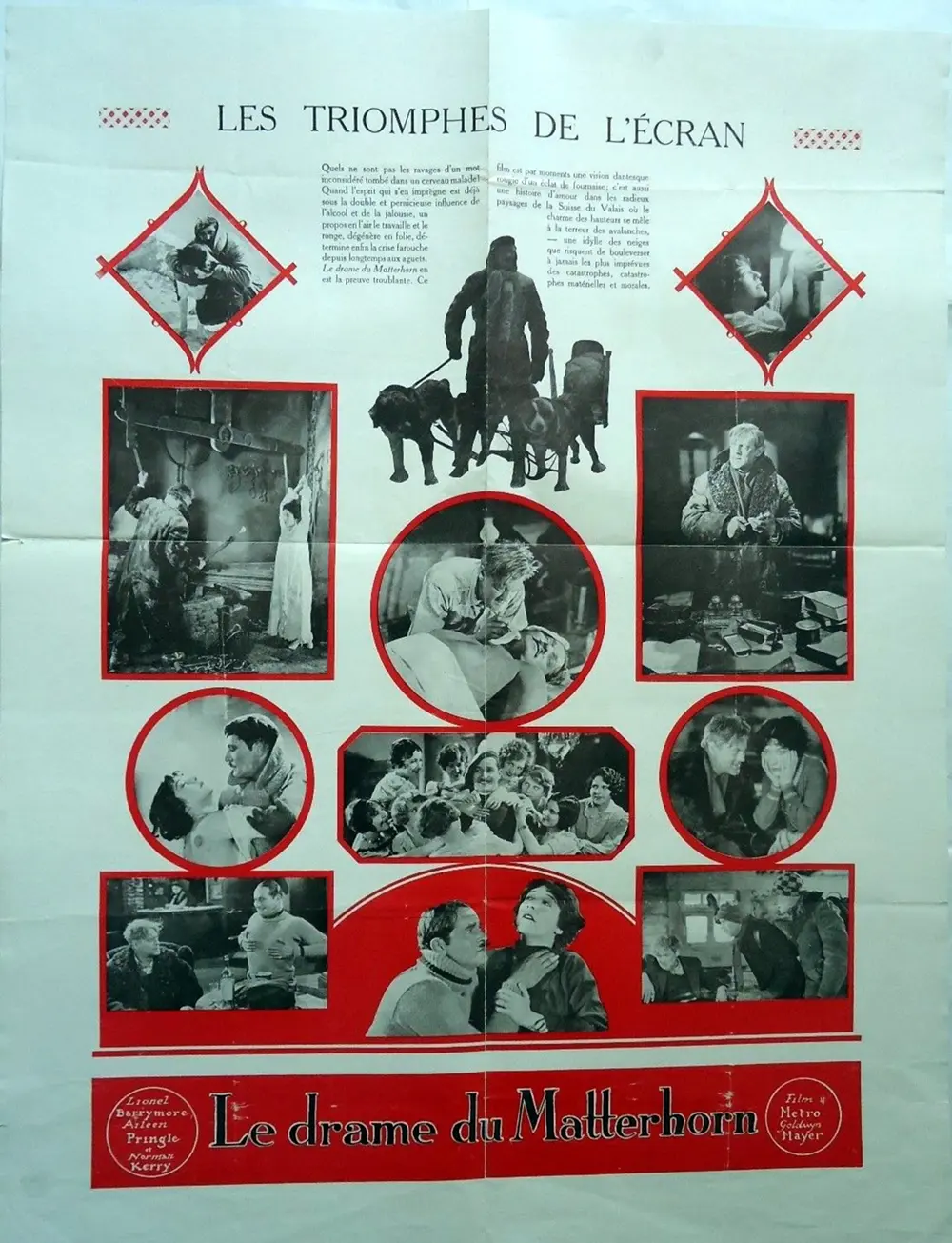
The cinematography is a high point. The use of shadows in the inn’s interiors creates a sense of claustrophobia that contrasts sharply with the vastness of the mountains. It feels as though the walls are closing in on the couple as their marriage progresses. This visual storytelling is far more effective than the title cards, which occasionally feel redundant.
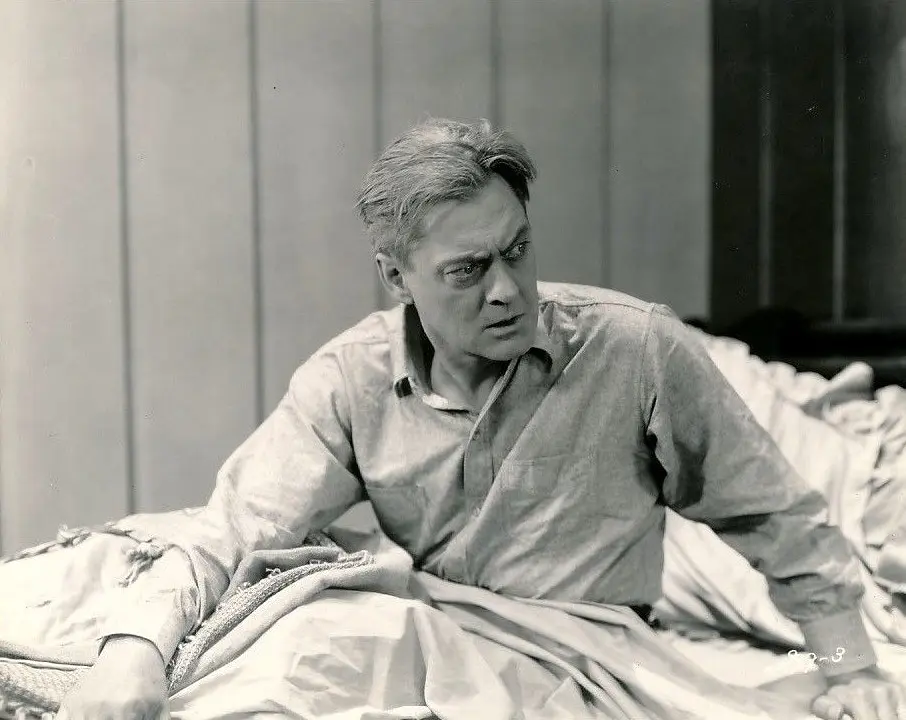
Lionel Barrymore’s presence in the film adds a layer of gravitas that elevates the material. Even in a supporting capacity, he commands the screen. His performance here is more restrained than some of his later, more bombastic roles, providing a necessary counterweight to the central trio’s melodrama. He acts as a silent observer of the surgeon’s decline, his eyes conveying a mix of pity and disgust.
Norman Kerry as Ruffo provides the necessary physical presence to make the surgeon’s fear palpable. When Ruffo returns, the film shifts gears from a domestic drama into something closer to a thriller. The tension in the scene where Ruffo first reappears at the inn is masterfully handled. The camera lingers on the surgeon’s face, capturing the precise moment his world begins to crumble.
The writing, credited to Katharine Newlin Burt and Elliott J. Clawson, is sharper than one might expect. They avoid the easy out for much of the film. The dialogue—represented through intertitles—is punchy and avoids the flowery prose that plagued other 1927 releases like Paradise Lost. Instead, the focus remains on the psychological weight of the surgeon’s secret.
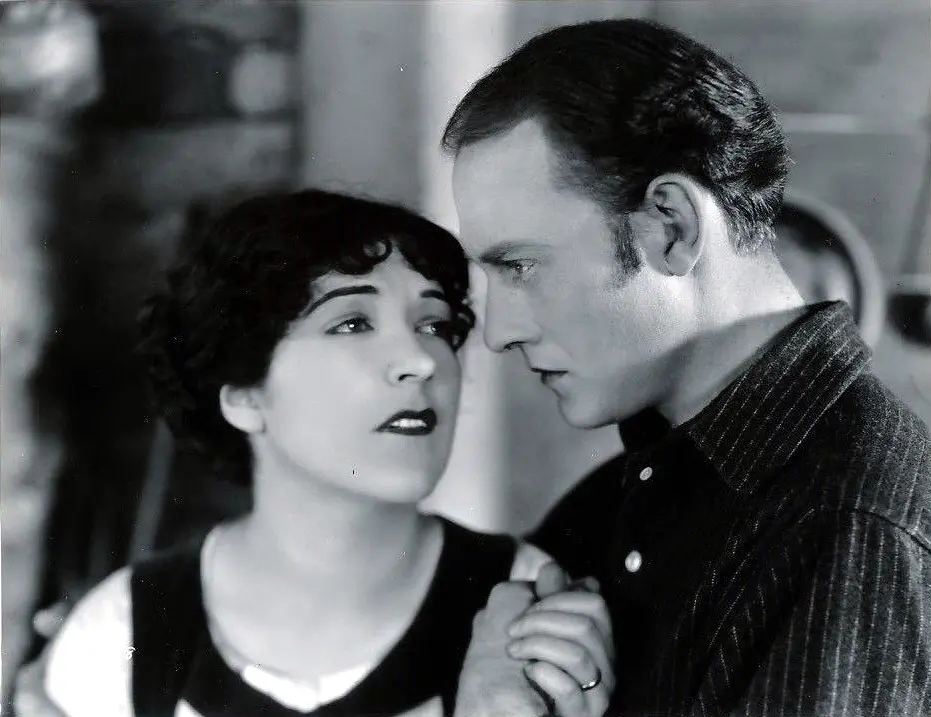
The pacing of Body and Soul is deliberate. It doesn't rush to the conflict. Instead, it allows the audience to sit in the discomfort of the surgeon and Hilda’s marriage. We see the small moments of kindness he shows her, which are poisoned by our knowledge of his deception. It’s a bold choice that makes the eventual climax much more impactful.
One could compare the tonal shifts here to Vanina, where the environment is as much a character as the actors. The Swiss village feels lived-in and authentic, populated by characters who seem to have existed long before the camera started rolling. This level of world-building was not always a given in the late silent era.
However, the film isn't without its flaws. The transition from the surgeon’s villainy to his eventual redemption is a hard pill to swallow. The script tries to frame his actions as a result of his sickness, but the cold-blooded nature of his lie toward Hilda is difficult to forgive. The ending feels like a concession to the censors of the time rather than a natural conclusion to the character's journey.
The acting is superb across the board, particularly from Aileen Pringle. The film avoids the over-the-top theatricality that often dates silent movies. The Alpine setting is utilized perfectly to create a mood of isolation and dread. It manages to be a character study that is both intimate and grand in scale.
The plot relies on a central lie that makes the protagonist almost impossible to root for. Some viewers may find the pacing too slow, especially in the middle act. The final resolution feels a bit too neat for such a messy psychological premise. It lacks the experimental flair of contemporary European films like Das Todesgeheimnis.
Body and Soul (1927) is a haunting, if morally compromised, piece of cinema history. It works. But it’s flawed. The film succeeds in creating a palpable sense of guilt that hangs over every frame. While the surgeon’s character arc is problematic by modern standards, the performances and the direction make it a compelling watch.
It stands as a testament to the sophistication of late silent film storytelling. It isn't a comfortable watch, and it shouldn't be. If you can look past the dated moral framework of the ending, you will find a rich, atmospheric drama that explores the high cost of a stolen life. It is a solid recommendation for anyone looking to go beyond the mainstream hits of the 1920s.
IMDb 6
1923
Community
Log in to comment.