DbcultAccessing Vault...
Cult Review
Senior Film Conservator
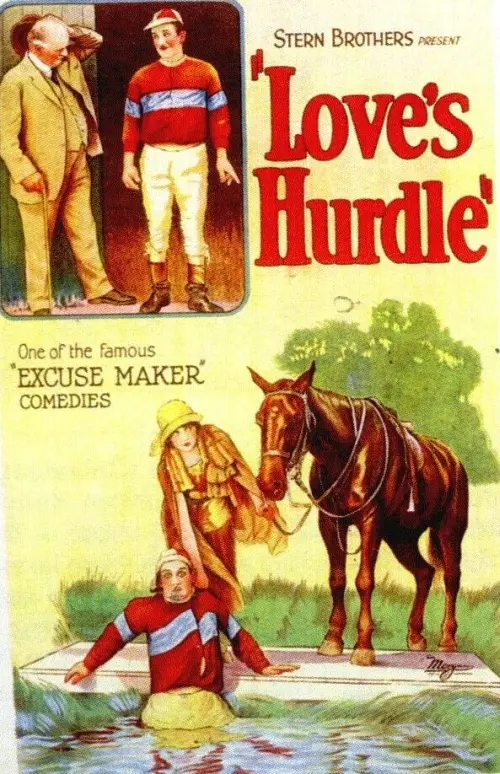
Is Love's Hurdle worth your time nearly a century after its release? Short answer: Yes, but strictly as a fascinating study of early physical comedy rather than a narrative powerhouse.
This film is for the silent cinema completionist and those who find joy in the raw, unpolished mechanics of 1920s slapstick; it is NOT for the modern viewer who requires a fast-paced plot or high-definition emotional stakes.
This film works because: The physical commitment of Charles King during the equestrian sequences is genuinely impressive, bordering on the dangerous.
This film fails because: The second act's transition from the stables to the shoe store feels jarring and lacks a cohesive narrative bridge.
You should watch it if: You want to see the DNA of the 'imposter' trope that would later define much of the 20th-century sitcom landscape.
Charles King’s performance in Love's Hurdle is a masterclass in frantic energy. Unlike the calculated, mathematical precision of Buster Keaton, King operates with a sense of genuine panic. This works in the film's favor. When he is on that horse, you don't see a stuntman; you see a man who is terrified of his own ambition. The horse becomes a metaphor for high society itself: unpredictable, difficult to mount, and very likely to kick you in the teeth.
The film captures a very specific post-war American anxiety regarding class. Charles isn't just a clerk; he is a man who believes he is entitled to more. This theme is explored with more gravity in films like A City Sparrow, but here it is played strictly for laughs. The desperation is palpable. Every time Charles attempts to adjust his hat while falling off a steed, we see the tragicomedy of the human condition. He wants to look the part, even as he fails the part.
The writing by William Anthony is lean, perhaps too lean. It relies heavily on the 'gag' rather than the 'story.' However, the shoe store sequence provides a necessary grounding. It moves the comedy from the abstract outdoors to a claustrophobic, relatable setting. We have all wanted to be the boss of the place where we are actually the servant. King plays this duality with a frantic charm that keeps the viewer engaged even when the jokes lean toward the repetitive.
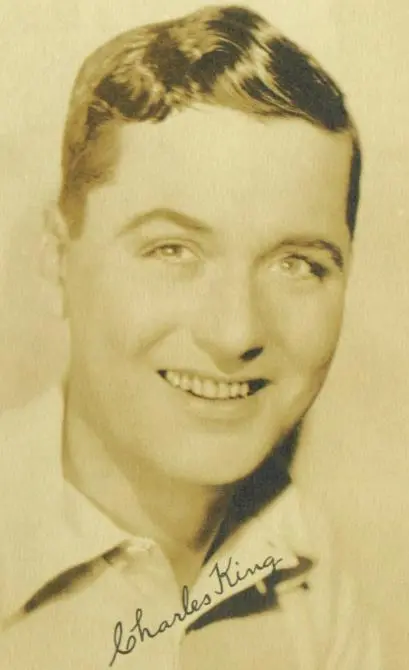
Yes, Love's Hurdle is worth watching if you are interested in the evolution of the 'imposter' comedy. It serves as a direct ancestor to the situational comedies of the 1950s. The film provides a clear, unvarnished look at 1922 production values. It is a quick, punchy experience that doesn't overstay its welcome. If you appreciate the history of the craft, it’s a vital piece of the puzzle.
For those who enjoyed the tonal balance of The Artist's Model, this film might feel a bit more primitive. It doesn't have the same level of artistic pretension. It is a blue-collar comedy about a blue-collar man. The stakes are low, but the energy is high. It works. But it’s flawed.
The first half of the film is dominated by the 'prancing steeds.' This is where the film finds its most 'riotous' moments, as the plot description suggests. There is a specific scene where Charles tries to mount a horse from the wrong side, only to be caught in the stirrup. It is a long, drawn-out sequence that tests the viewer's patience but ultimately pays off with a spectacular fall. It reminds me of the rural slapstick found in A Hickory Hick.
The cinematography is functional but uninspired. The camera mostly stays at a medium distance, allowing King’s entire body to be the focus of the humor. There are no fancy tracking shots or expressionist lighting choices here. It is a stage play captured on celluloid. While this might seem dull to modern eyes, it forces the actor to carry the entire weight of the production. King is up to the task, even if the material is thin.
The interaction between King and the horses feels unscripted at times. There is a raw unpredictability to the animals that adds a layer of tension. You aren't just laughing at the character; you are wondering if the actor is going to get a concussion. This 'danger' is a hallmark of early silent shorts, and it’s something that modern CGI-heavy comedies can never truly replicate.
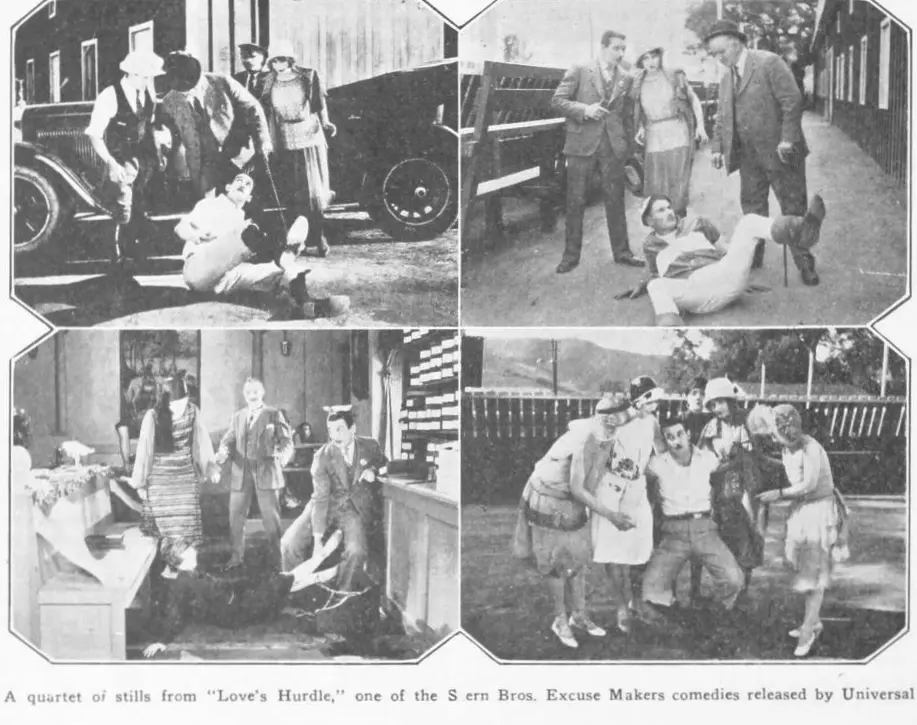
When the action shifts to the shoe store, the film becomes a different beast entirely. This is where Adrienne Dore and Constance Darling enter the fray. Their presence as the 'society belles' provides the necessary contrast to Charles’s frantic energy. They are poised, elegant, and completely oblivious to the fact that their 'host' is actually the man who will be buffing their heels later that afternoon.
The masquerade is a staple of silent film, seen in varying degrees of success in works like Ihre Hoheit. In Love's Hurdle, the humor comes from the near-misses. Charles has to hide his apron, manage other customers, and maintain a sophisticated vocabulary he clearly doesn't possess. It is a high-wire act performed on the floor of a retail shop.
One specific moment involves Charles trying to fit a shoe that is clearly three sizes too small onto a belle’s foot while maintaining a smile. The physical struggle is a perfect microcosm of his social struggle. He is trying to force a reality that doesn't fit. It’s a smart, subtle bit of business in a film that otherwise relies on falling off horses. It shows that William Anthony had a grasp of character-driven humor, even if the era demanded more broad strokes.
To understand Love's Hurdle, one must look at the landscape of 1922. This was a year of transition. Films like Trilby were already experimenting with deeper psychological themes, yet the short-form comedy remained the bread and butter of the nickelodeon and early cinema houses. Love's Hurdle doesn't try to be high art. It is a populist entertainment designed to make a tired worker laugh for fifteen minutes.
Compared to The Palm Beach Girl, which leans more into the glamorous side of the era, Love's Hurdle is delightfully grimy. It’s about the dirt on the saddle and the dust in the shoe shop. There is a honesty to its low-budget aesthetic that makes it more charming than some of its more polished contemporaries. It doesn't have the nautical scale of The Ship of Doom, but it has more heart.
The film also shares some DNA with His Jonah Day in its depiction of a protagonist who simply cannot catch a break. However, Charles in Love's Hurdle is more proactive. He isn't just a victim of fate; he is the architect of his own embarrassment. This makes him a more compelling, if frustrating, lead character.
Love's Hurdle is a scrappy, energetic short that clears its namesake with room to spare, though it certainly wobbles on the landing. Charles King proves himself to be a capable, if somewhat unrefined, comedic lead. The film’s greatest strength lies in its relatability; the desire to be more than what the world sees us as is a universal human trait. While it may not have the lasting impact of a Chaplin or Keaton feature, it is a sturdy example of the 'bread and butter' comedies that built the film industry. It is a loud, sweaty, and occasionally brilliant piece of silent history. If you have twenty minutes to spare, let Charles King show you how not to ride a horse. You might find yourself laughing more than you expected.
IMDb —
1920
Community
Log in to comment.