DbcultAccessing Vault...
7.3/10
Senior Film Conservator
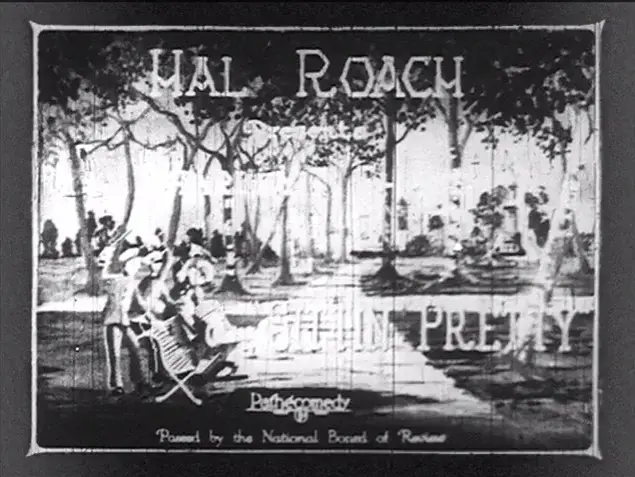
A definitive 7.3/10 rating for a film that redefined the boundaries of cult cinema. Sittin' Pretty remains a cornerstone of transgressive art.
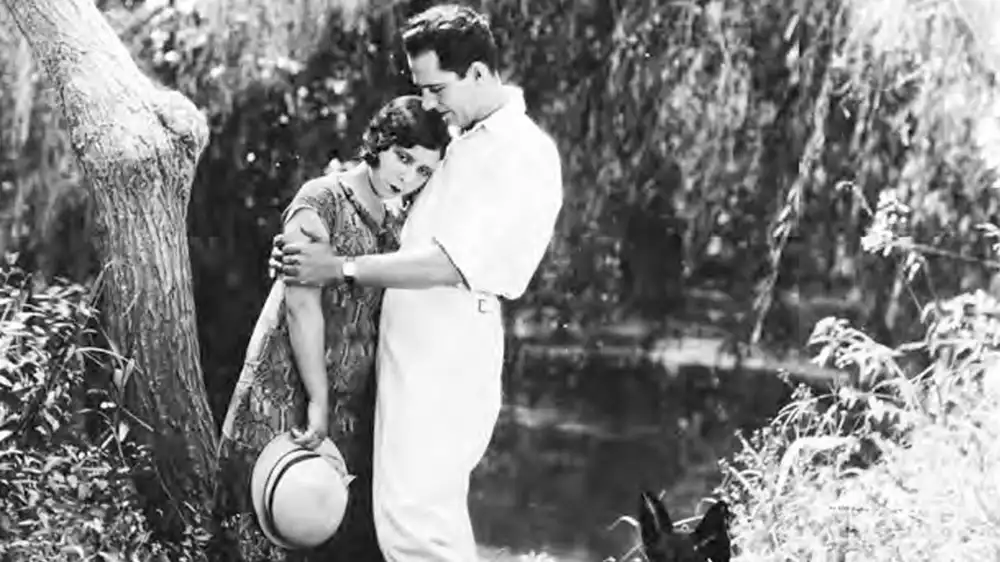
In the rarefied realm of silent cinema, few films have managed to tickle the funny bone with the same degree of efficacy as Sittin' Pretty, the 1928 masterpiece starring Charley Chase. This expertly crafted comedy, boasting a narrative that careens from one absurd misadventure to the next, is a testament to the enduring power of slapstick humor.
The film's central conceit – Charlie borrowing the policeman's uniform of his prospective father-in-law to capture a lunatic – serves as a springboard for a series of increasingly outlandish events, each one more sidesplitting than the last. As Charlie navigates the complexities of his deception, he must contend with a cast of characters that includes his bemused love interest, Helen Gilmore, and a slew of supporting players, including Earl Mohan and James Parrott.
One of the standout aspects of Sittin' Pretty is its deft handling of mistaken identity, a comedic trope that has been mined for laughs by countless films since. Here, however, the device is employed with a level of sophistication that belies its age, yielding a series of genuinely humorous set pieces that have lost none of their potency with the passage of time. Consider, for example, the scene in which Charlie's prospective father-in-law dons the policeman's uniform, only to be mistaken for the real deal by a series of unsuspecting onlookers. The resulting chaos is expertly captured by the camera, yielding a sequence that is at once frenetic and hilarious.
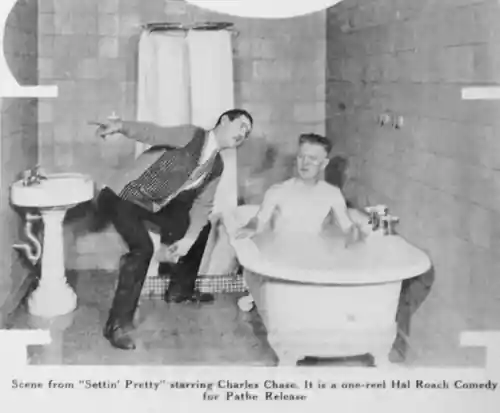
In terms of its place within the broader canon of silent cinema, Sittin' Pretty bears comparison to other comedies of the era, such as The Arizona Cat Claw and Not Guilty. Each of these films showcases a similar brand of slapstick humor, though Sittin' Pretty stands out for its particularly well-crafted narrative and expert comedic timing.
At the heart of Sittin' Pretty lies a thoughtful exploration of the human condition, one that pokes fun at the foibles and follies of its characters while still managing to convey a deep affection for them. This is a film that understands the importance of nuance, using its comedic set pieces to reveal deeper truths about the nature of relationships and the complexities of the human experience. In this regard, Sittin' Pretty recalls other films of the era, such as Seein' Things and Wonders of the Sea, each of which uses comedy to explore deeper themes and ideas.
In terms of its technical merits, Sittin' Pretty is a film that showcases a high level of craftsmanship, from its expertly handled camera work to its clever use of montage. The film's use of title cards is also noteworthy, providing a level of context and clarity that is often lacking in films of the era. Consider, for example, the scene in which Charlie's love interest, Helen Gilmore, is introduced, her character's motivations and desires expertly conveyed through a combination of title cards and expressive acting.
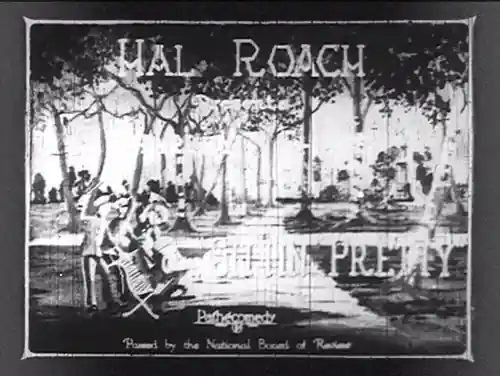
One of the most impressive aspects of Sittin' Pretty, however, is its cast, which delivers performances that are at once nuanced and broadly comedic. Charley Chase, in particular, shines as Charlie, bringing a level of vulnerability and likability to the role that makes it impossible not to root for him, even as he careens from one mishap to the next. The supporting cast, which includes Earl Mohan and James Parrott, adds to the film's comedic potency, yielding a series of memorable set pieces that have lost none of their humor with the passage of time.
In conclusion, Sittin' Pretty is a sidesplitting silent comedy that has aged remarkably well. Its thoughtful exploration of the human condition, combined with its expertly crafted narrative and standout performances, make it a must-see for fans of the genre. For those interested in exploring other films of the era, Racing Hearts and Keith of the Border are also highly recommended, though Sittin' Pretty stands as a standout masterpiece of the silent era.
The film's influence can also be seen in later comedies, such as The Crimson Gardenia and Girl of the Sea, each of which owes a debt to the pioneering work of filmmakers like Charley Chase. Similarly, Sittin' Pretty bears comparison to other films that have used mistaken identity as a comedic device, such as Mortmain and Polly Ann. Each of these films showcases a similar brand of slapstick humor, though Sittin' Pretty stands out for its particularly well-crafted narrative and expert comedic timing.
Ultimately, Sittin' Pretty is a film that will appeal to fans of silent cinema and comedies of mistaken identity. Its thoughtful exploration of the human condition, combined with its expertly crafted narrative and standout performances, make it a must-see for anyone interested in the history of comedy. For those interested in exploring other films of the era, Sauce for the Goose, Ipnosi, and Outcast are also highly recommended, though Sittin' Pretty stands as a standout masterpiece of the silent era.
IMDb —
1922
Community
Log in to comment.