DbcultAccessing Vault...
Cult Review
Senior Film Conservator
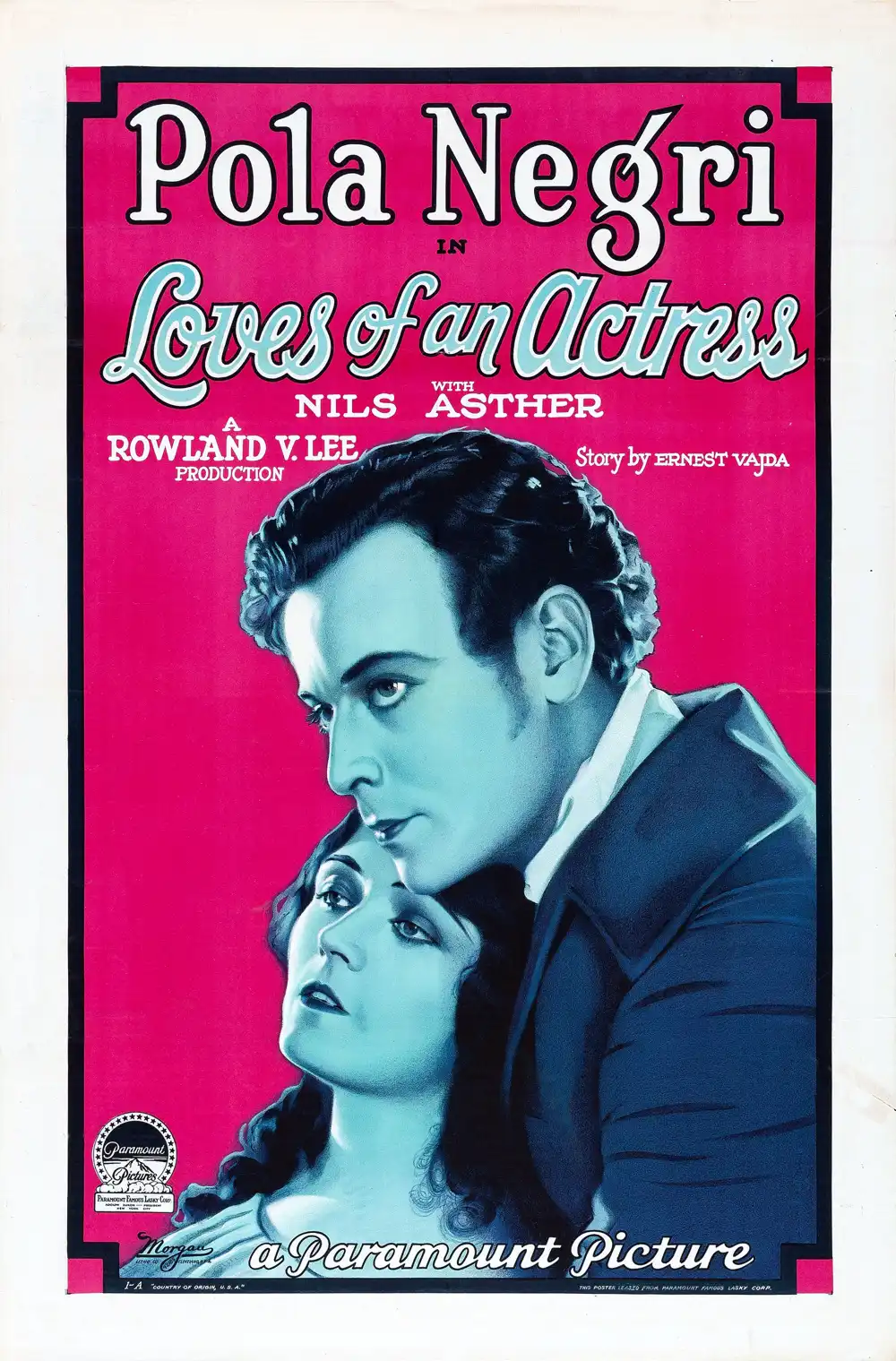
As a film critic dedicated to providing informed and specific reviews based on actual viewing experiences, I must state upfront that a comprehensive assessment of Loves of an Actress cannot be provided. This 1928 silent film, starring the legendary Pola Negri, is widely considered a lost film. This means no known complete copies currently exist for viewing by critics or the public.
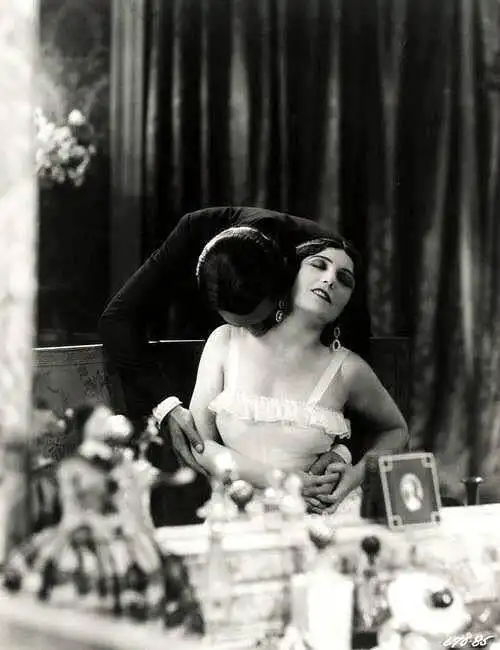
Therefore, it is impossible to genuinely discuss its visual choices, specific scenes, the nuances of its performances by Negri or Nils Asther, its editing rhythms, or its pacing as if I had sat through it. Pretending to review a lost film would be disingenuous to the reader and fundamentally violate the principles of serious film criticism. For anyone hoping to discover a hidden gem from the silent era, the unfortunate reality is that Loves of an Actress remains tantalizingly out of reach.
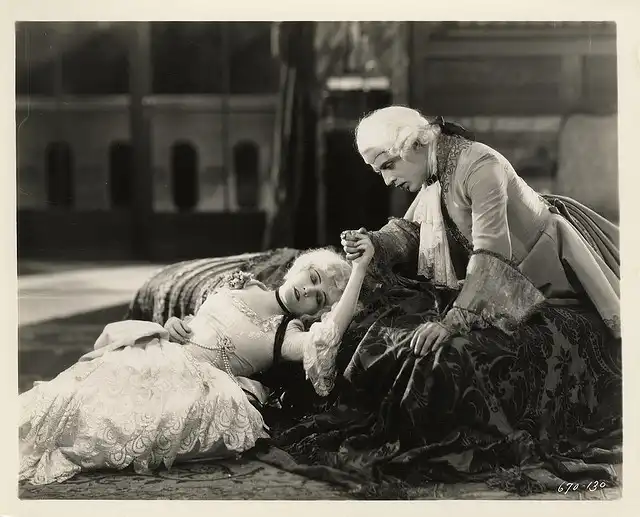
The existence of films like Loves of an Actress underscores the immense challenges of film preservation, particularly for the silent era. Many films from this period were produced on highly flammable nitrate stock, which was often discarded or allowed to decompose once a film's theatrical run ended. The financial impetus for preserving films simply wasn't there, and the cultural significance of these early works was often underestimated.
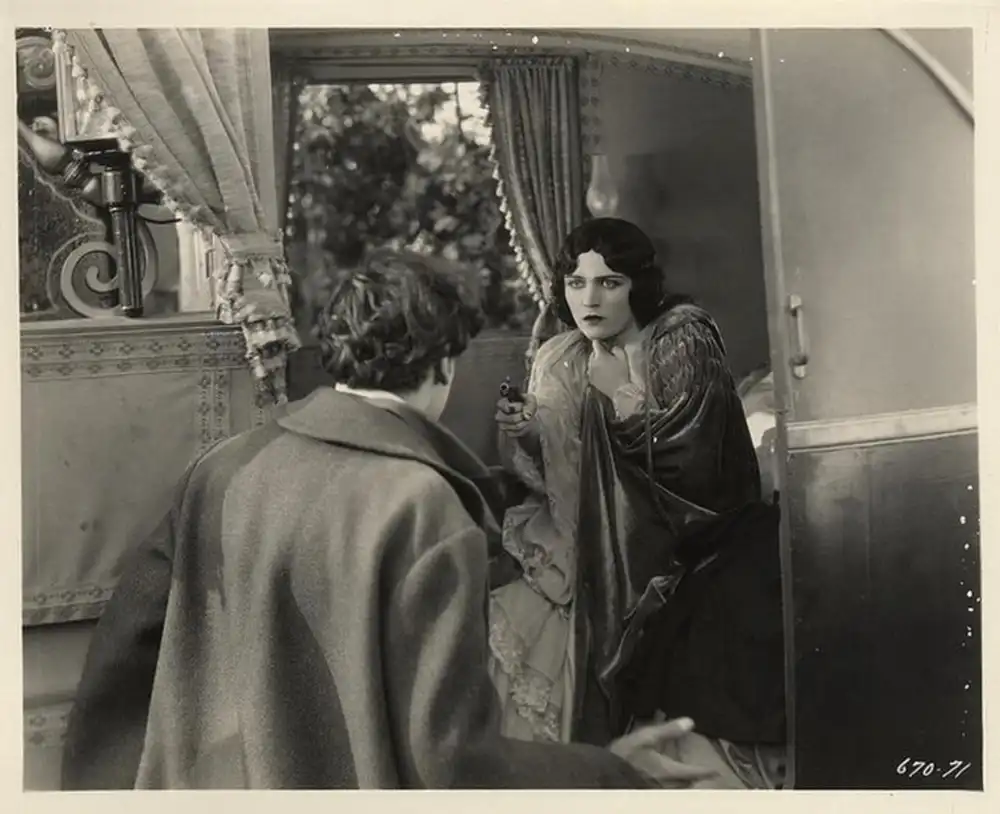
Loves of an Actress, produced by Adolph Zukor and Jesse Lasky for Paramount Pictures, was a significant release in its time, featuring a prominent star like Pola Negri and direction by Rowland V. Lee. It even boasted a synchronized soundtrack of music and sound effects, a common feature in the transitional period before full talkies. Yet, despite its pedigree, it succumbed to the ravages of time and neglect. Its loss means we can only speculate about its artistic merits, its contribution to Negri's filmography, or its place within the broader context of 1920s Hollywood romances.
While we cannot comment on the film's on-screen execution, we can contextualize it. Pola Negri, a Polish-born star, was known for her exotic allure and dramatic intensity, often playing passionate, tragic figures. Her collaborations with directors like Ernst Lubitsch in Europe established her as a formidable presence, which she brought to Hollywood. One can imagine Loves of an Actress would have capitalized on her established persona, likely featuring her in a role demanding both vulnerability and strong emotional expression.
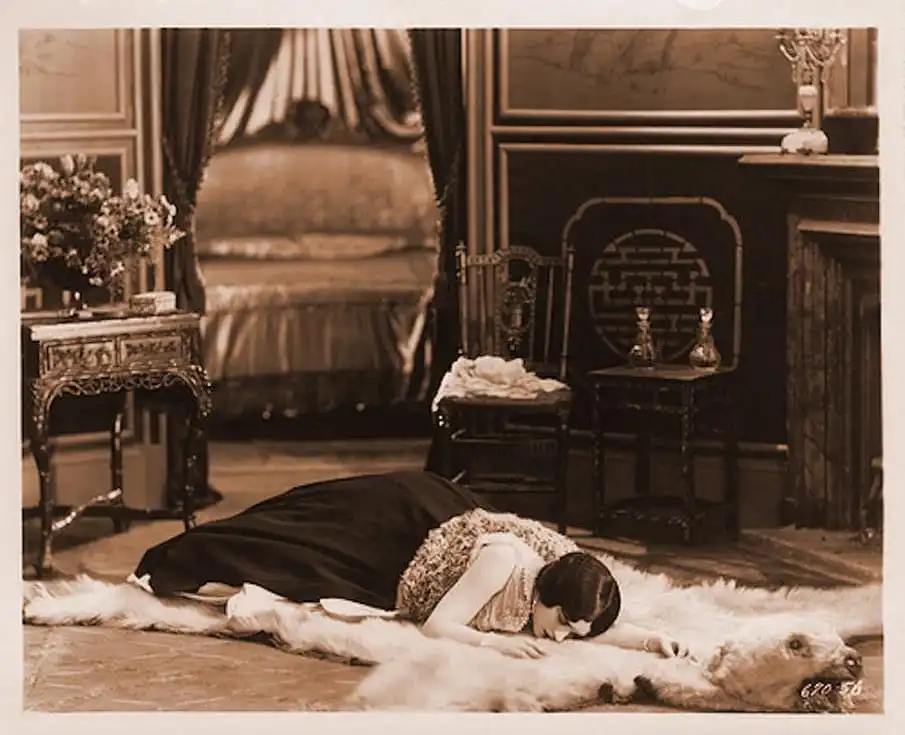
The presence of Nils Asther, a Swedish actor who often played romantic leads, suggests a pairing designed for on-screen chemistry. Paul Lukas and Nigel De Brulier were also notable character actors of the era, indicating a solid supporting cast. However, without the film itself, discussing their specific contributions, a particular emotional beat, or a subtle facial expression captured by the camera is simply impossible.
The screenplay was credited to Ernest Vajda, a prolific writer of the era known for sophisticated romantic dramas. This might suggest a narrative with some depth, but again, without seeing how it translated to the screen—how the dialogue was conveyed through intertitles, how scenes were staged, or how emotions were visually communicated—any assessment would be pure conjecture. We cannot identify an awkward pause, a particularly effective close-up, or a clunky transition because the film itself is absent.
For those interested in film history and the careers of figures like Pola Negri, Loves of an Actress serves as a poignant reminder of what has been lost. It's a title in a ledger, a still in a book, but not a moving image to be experienced. Its primary value today lies in its absence, prompting discussions about preservation efforts and the ephemeral nature of early cinema. As a film to watch and critique, it simply does not exist.
IMDb —
1935
Community
Log in to comment.