DbcultAccessing Vault...
Cult Review
Senior Film Conservator
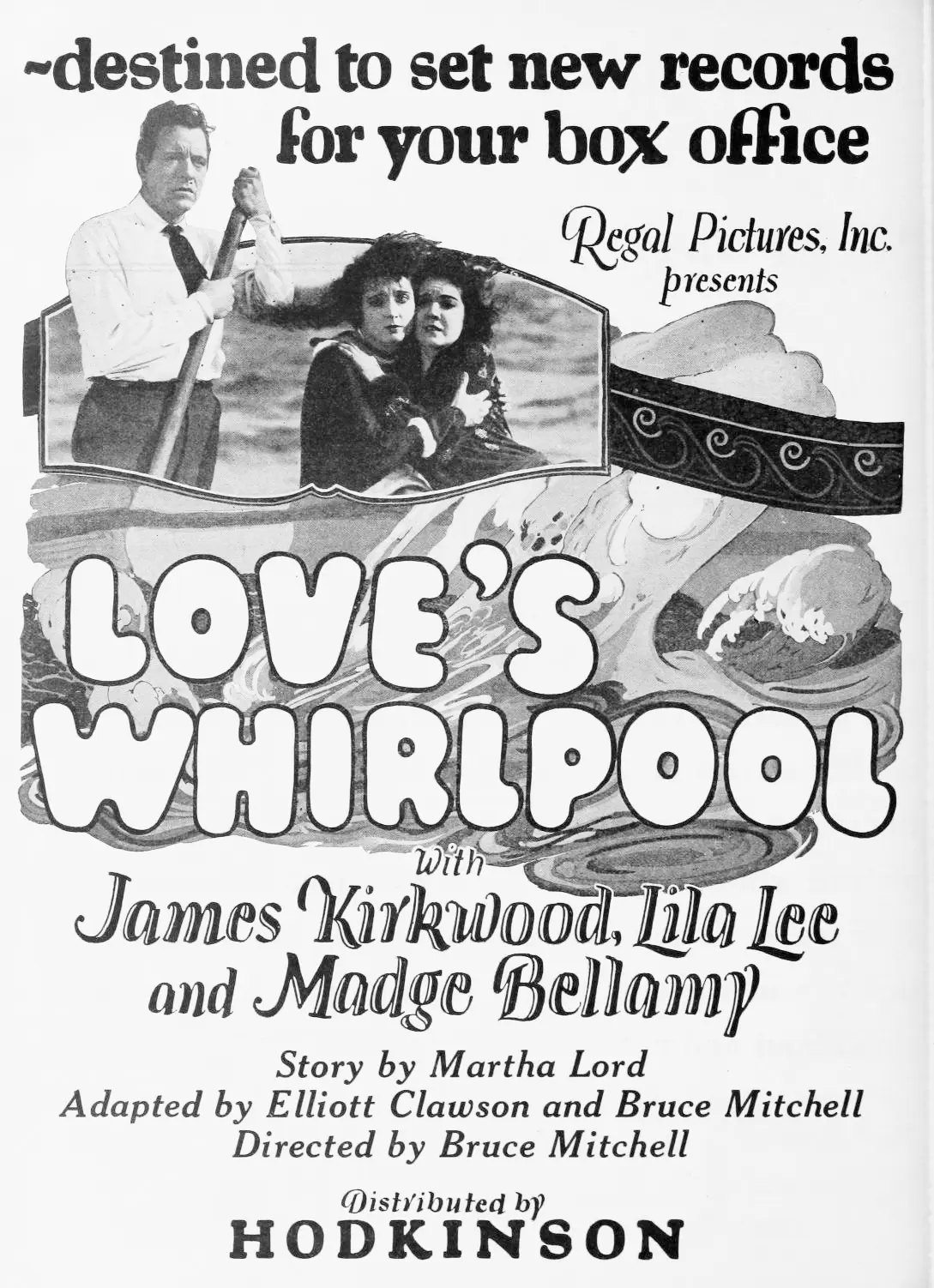
In the tumultuous world of silent cinema, Love's Whirlpool (1925) stands as a testament to the enduring power of vengeance and redemption. This gripping tale, directed by a visionary filmmaker, weaves an intricate narrative that masterfully explores the complexities of human relationships, morality, and the fragility of the human condition.
The story centers around Jim Reagan, a toughened criminal, and his brother Larry, who finds himself at a crossroads in life. As Jim attempts to persuade Larry to abandon his life of crime, Larry's ill-fated attempt to rob the wealthy banker Richard Milton sets off a chain of events that will forever alter the lives of those involved. The dogged determination of Milton, who refuses to show leniency, ultimately leads to Larry's demise, setting Jim and his wife Molly on a collision course with destiny.

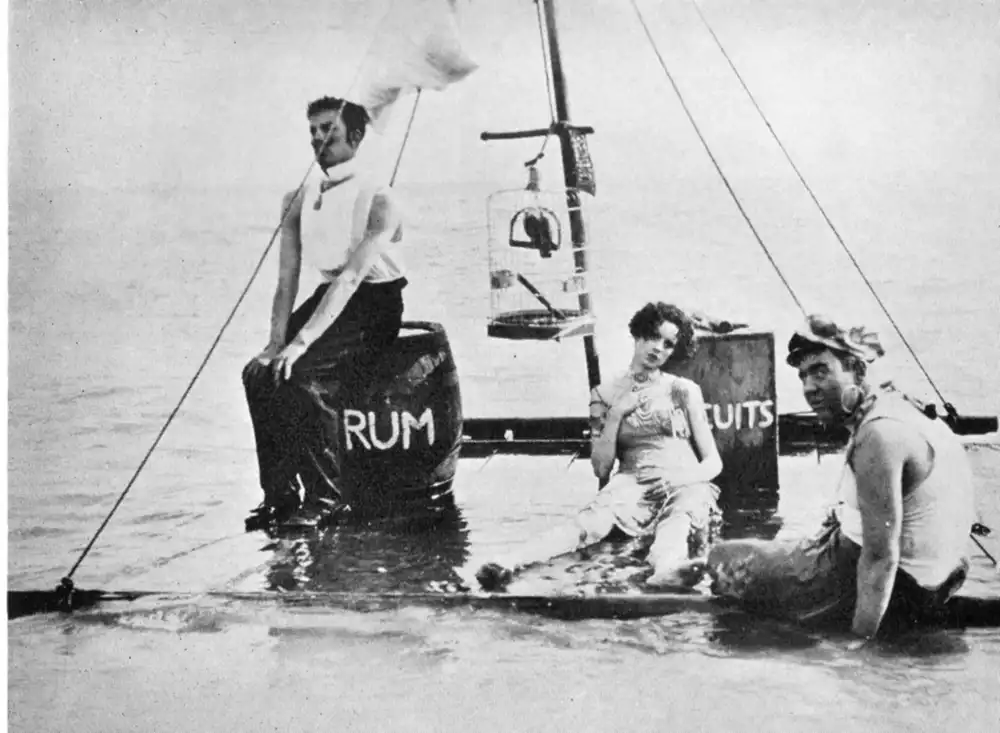
As Jim and Molly embark on their perilous odyssey, they employ cunning and deception to exact revenge on Milton. Through the guise of spiritualism, they manipulate Milton into donating substantial sums to charity, effectively bleeding him of his wealth. However, their machinations take a darker turn with the kidnapping of Milton's daughter Nadine, whom they rescue from a catastrophic shipwreck. This audacious move raises the stakes, testing the limits of their resolve and the boundaries of their morality.
As the narrative unfolds, Molly begins to exhibit signs of compassion, softening in the face of their anguish-ridden circumstances. Her emotional transformation ultimately persuades Jim to renounce his vendetta and seek redemption, culminating in a poignant conclusion that underscores the redemptive power of love and forgiveness.
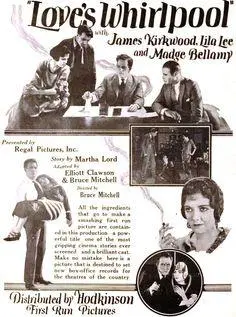
The performances of the cast, including Margaret Livingston and Madge Bellamy, bring depth and nuance to the film, elevating the tense and emotionally charged atmosphere. The masterful direction and expert cinematography create a visually stunning experience, drawing the viewer into the turbulent world of the characters.
In comparison to other films of its era, Love's Whirlpool shares thematic similarities with Captain Swift and The Wolves of the Waterfront, which also explore the complexities of morality and redemption. However, Love's Whirlpool distinguishes itself through its bold and unflinching portrayal of the human condition, undaunted by the conventions of the time.

Ultimately, Love's Whirlpool stands as a landmark film, a tour de force of cinematic storytelling that continues to captivate audiences with its enduring themes and ageless appeal. As a testament to the power of cinematic art, Love's Whirlpool remains an essential viewing experience for film enthusiasts and scholars alike, offering a riveting glimpse into the soul of humanity.
Additional comparisons can be drawn with Jó éjt, Muki!, Die Nacht der Königin Isabeau, and The Young Rajah, which also explore the complexities of human relationships and morality. Furthermore, the film's use of symbolism and motifs can be compared to Le crépuscule du coeur and La España trágica o Tierra de sangre, highlighting the universality of its themes.
In conclusion, Love's Whirlpool is a masterpiece of silent cinema, a film that continues to enthrall audiences with its ageless story and timeless themes. Its enduring appeal is a testament to the power of cinematic art, and its place as a landmark film in the history of cinema is well-deserved.
IMDb 7.8
1928
Community
Log in to comment.