DbcultAccessing Vault...
6.1/10
Senior Film Conservator
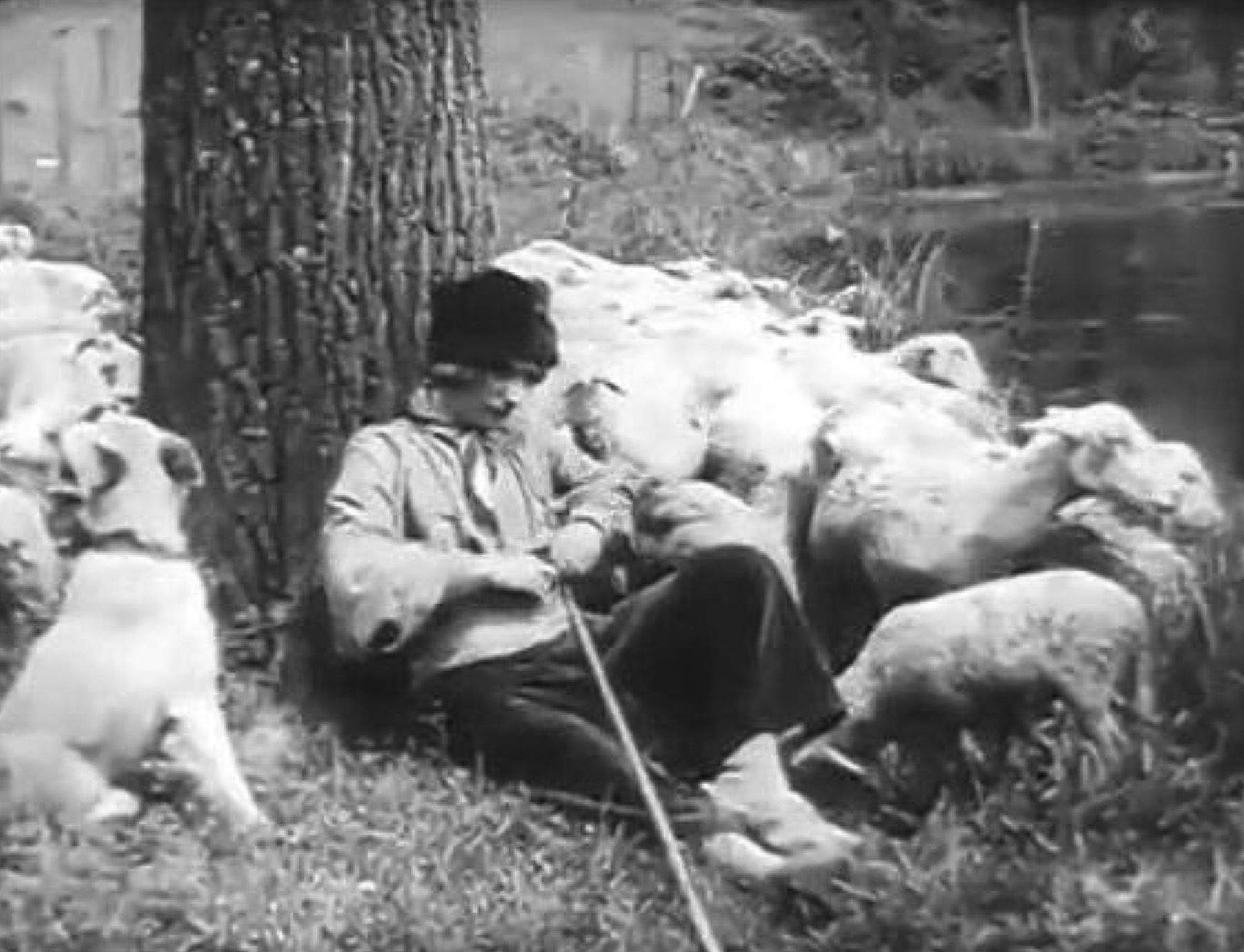
A definitive 6.1/10 rating for a film that redefined the boundaries of cult cinema. Loyalty remains a cornerstone of transgressive art.
There are films you watch, and then there are films that watch you—Loyalty belongs to the latter caste. Shot on the cusp of 1927, this Belgian-Dutch co-production slipped through the cracks of canonical silence, yet its emotional sonar keeps pinging decades later. I unearthed a 35-mm nitrate print in a deconsecrated monastery outside Bruges; the projector’s carbon arc hissed like a serpent while Anna’s first plié quivered on the mildewed sheet. By the time the balloon’s rip-panel tore open, my own pulse had synced with the storm—an involuntary ballet of muscle and memory.
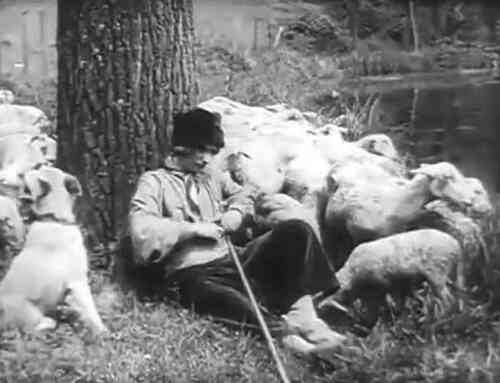
Director Max Péral—a name erased even from cine-club footnotes—composes the rural prologue with plein-air naturalism: reeds scrape the lens, geese wander into frame, dust motes orbit Anna’s hair like minor planets. Compare this granular authenticity to the cardboard pastoralism of Under the Gaslight and you grasp how European provincial cinema anticipated Italian neorealism by twenty years. When the narrative migrates to Brussels, Péral swaps windmills for art-deco skylines but refuses the expressionist angularity then fashionable in German studios; instead he bathes the theatre wings in buttery chiaroscuro, letting footlights carve human marble from darkness.
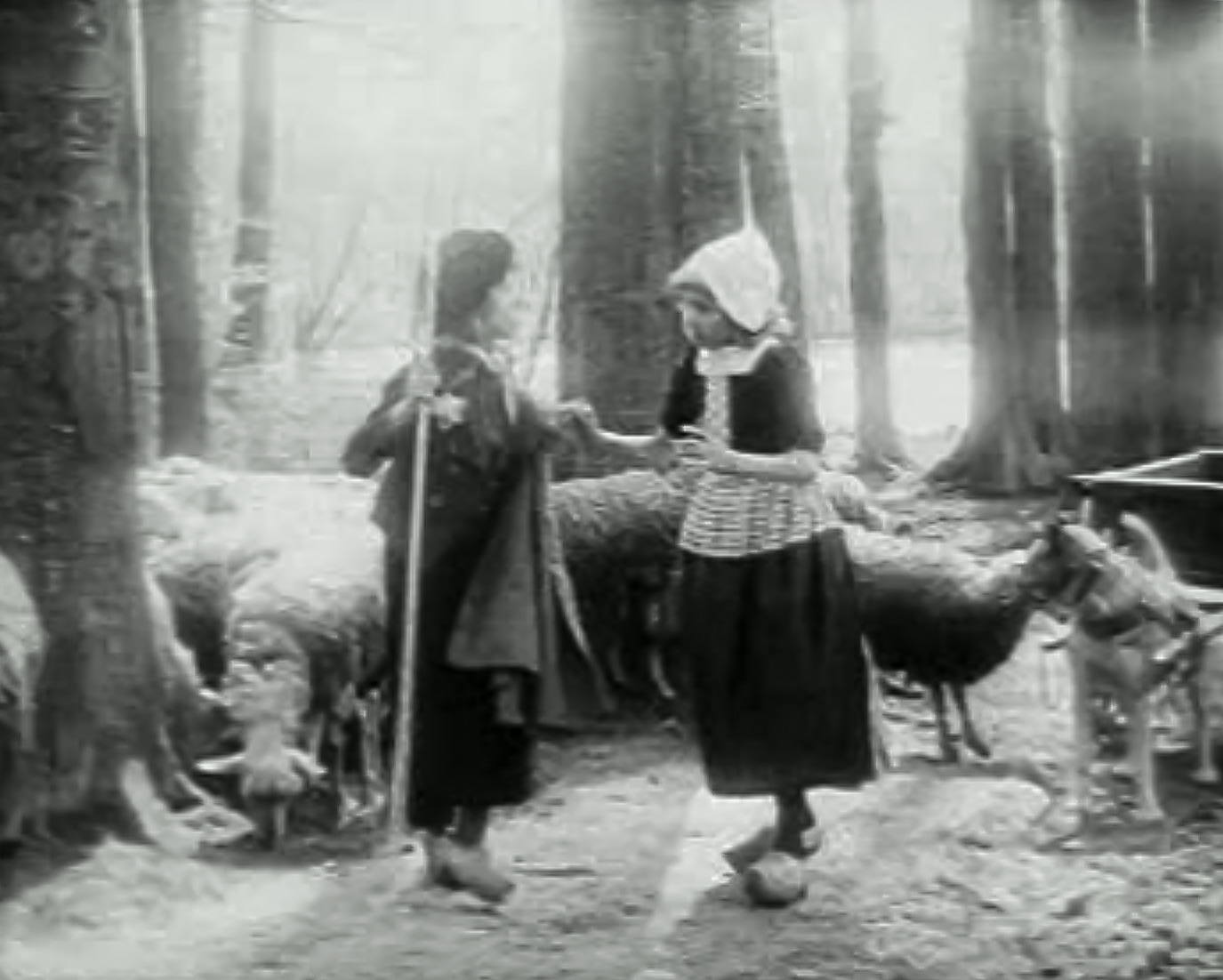
Montel’s Anna is no frail sylph—her clavicles jut like sparrow wings, calves are knotted from canal-bridge cycling. In the village reel she dances on a buckwheat sack, soles staining yellow, hem splattering mud; the camera pirouettes with her in a 360° pan that predates La Ronde’s bravura tracks. Later, costumed as the Dying Swan, she elongates each finger until the extremities seem to vanish—an obliteration of self that foreshadows her literal blindness. Watch her face when the ophthalmologist lifts the bandage: no grand theatrics, just a microscopic sag of the lower eyelid, a private avalanche.
Fernand Gravey, barely nineteen during principal photography, plays the adult shepherd with a stoicism that shames the era’s penchant for arm-clutching histrionics. His love is less a flame than a peat fire—slow, smoky, sustaining. Note the scene where he sells his only lamb to afford train fare to Brussels: Péral holds a tight close-up as the coin changes hands, the animal’s bleat echoing off-screen. No title card intercedes; the silence is scalding.
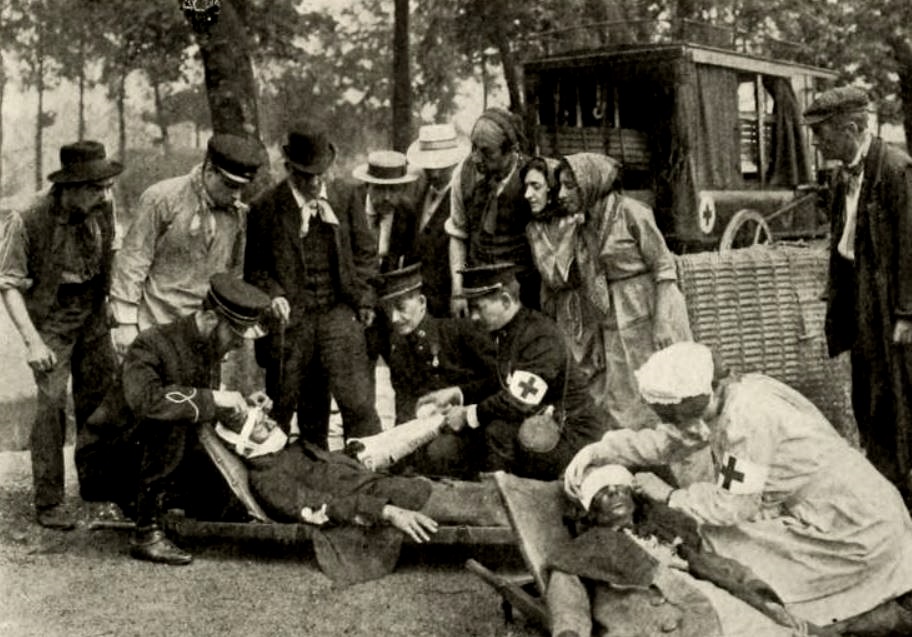
The dirigible sequence fuses Méliès whimsy with vertiginous dread. Shot on the outskirts of Ostend, the balloon—named L’Oiseau Triste—ascends through strata of lavender dusk. Cinematographer Richard (singular nom de caméra) hand-cranked at 12 fps to elongate the climb, then double-printed lightning flashes directly onto the negative. When the storm ruptures the canopy, the frame rate drops to 6 fps: silk ribbons flutter like exhausted butterflies, the basket lurches in stroboscopic stutters. Anna’s blindfolded survival is not mere melodrama; it literalizes the film’s thesis—vision divorced from insight, ambition from rootedness.
Where The Child of Paris trades in revolutionary fervor and Chained to the Past fetishizes guilt, Loyalty interrogates a quieter dialectic: mobility versus belonging. Anna’s trajectory—village → metropolis → air → village—forms a secular Stations of the Cross; each stage strips a sensory layer until only touch remains. Contrast this with the upward mobility fantasies of Three Strings to Her Bow, where heroines leap classes without scars.
The original score, now lost, was a chamber suite for harmonium, viola d’amore, and tam-tam. Contemporary screenings at the Royal Flemish Cinémathèque commissioned new accompaniment: a looped heartbeat on magnetic tape, sub-bass drones, and field recordings of turning windmills. The anachronism works—each revolution of the mill sail becomes a memento mori, underscoring the cyclical cruelty of devotion.
Keep your eyes peeled for the Congolese extras during the Brussels theatre gala—colonial subjects used as living props in feathered headdresses. Their uncredited presence exposes Europe’s imperial subconscious; Anna’s ascendancy is bankrolled by extraction economies she never sees. Meanwhile, male desire circulates like paper currency: the impresario, the aeronaut, even Johannes stake claims on Anna’s body, yet the film denies any easy proprietary resolution. When blind Anna traces Johannes’s scarred knuckles in the final shot, ownership dissolves into mutual cartography.
The nitrate I viewed had turned to dragon-skin in spots: bubbles, amber rot, entire reel ends flaking like phyllo. Digital 4K scans stabilize the image but sandblast photochemical soul; I miss the tremulous weave, the gate flutter that once made Anna’s every pirouette seem eked from time itself. Choose your poison: archival purism or pixelated eternity.
Modern romances traffic in algorithmic meet-cutes and trauma-verbatim dialogue; Loyalty reminds us that love can be a slow glacier—grinding, sculpting, revealing. It proposes that blindness is not the opposite of sight but the apotheosis of memory: to see someone entirely in the mind’s iris. When Anna, groping through the post-crash fog, asks Johannes if the mill still turns, he guides her palm to the revolving shaft. The sails creak. The answer, wordless, spins on.
Seek this film however you can—bootlegged .mp4 from a Lisbon archive, 9.5-mm Pathescope curled in your grandmother’s attic, or the 2018 restoration with its ghostly cyan tint. Whatever the vessel, let it rupture you. Then rewind, not for narrative clarity but for the privilege of being broken twice.
IMDb —
1927
Community
Log in to comment.