DbcultAccessing Vault...
Cult Review
Senior Film Conservator
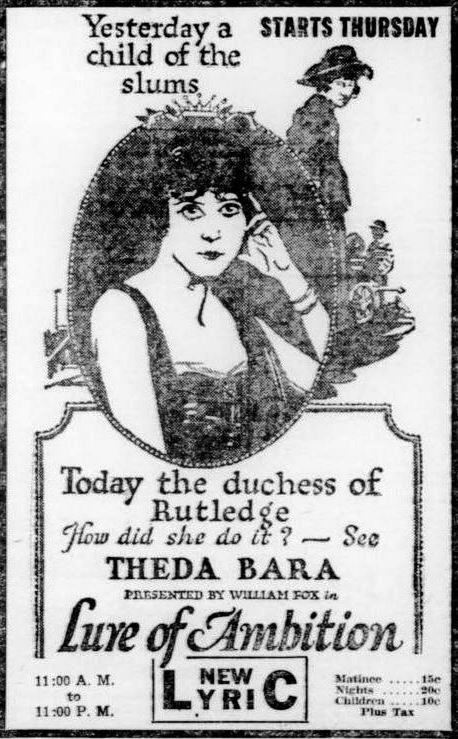
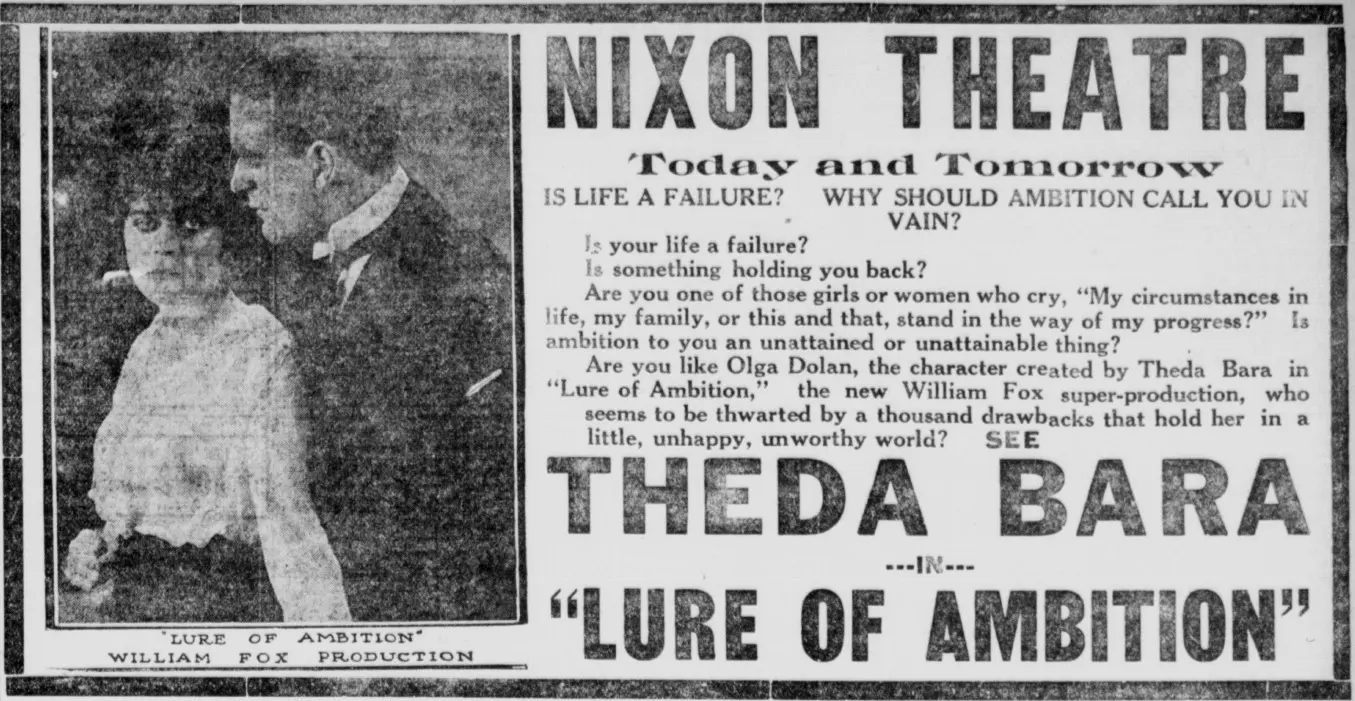
Step back into the roaring, yet often silently profound, cinematic landscape of the early 20th century, a time when shadows danced across silver screens, weaving tales of passion, treachery, and an unyielding human spirit. Among the glittering constellations of stars, one burned with a particularly dark and alluring flame: Theda Bara, the original 'vamp.' Her very name conjured images of exotic seduction and dangerous allure, a persona she honed to perfection. In 1917's 'Lure of Ambition' (slug: lure-of-ambition), Bara delivers a performance that is both emblematic of her iconic career and a compelling exploration of a woman's relentless pursuit of power in a world designed to keep her down. This isn't just a film; it's a social commentary wrapped in a melodrama, a stark reflection of societal aspirations and the often-brutal means to achieve them.
Theda Bara, born Theodosia Burr Goodman, was a master of mystique. Her on-screen persona, cultivated with meticulous care, was a stark contrast to the innocent ingenues of the era. Bara's 'vamp' was a woman of agency, often morally ambiguous, who wielded her sexuality and intellect as formidable weapons. In 'Lure of Ambition,' she embodies Olga Dolan with a chilling precision that is both captivating and slightly terrifying. Olga begins her journey in the drab uniform of a public stenographer, a cog in the opulent machinery of a fashionable New York hotel, her humble station a stark visual counterpoint to the glittering lives she observes. Bara’s portrayal here is nuanced; we see not just a woman of ambition, but a woman of circumstance, her initial flirtation with Cyril Ralston born perhaps of a genuine, if naive, hope for escape and betterment. Her eyes, often framed by heavy kohl, convey a complex tapestry of emotions – vulnerability, humiliation, and eventually, a cold, unyielding resolve.
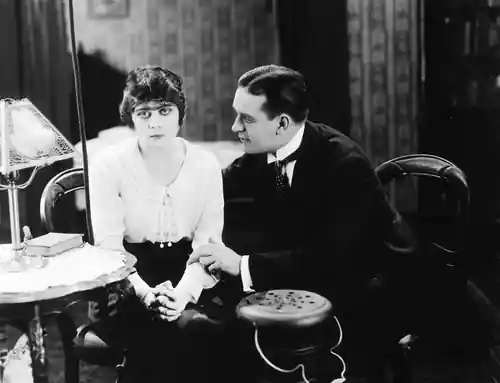
Olga Dolan is not merely a character; she is a force of nature, a testament to the power of a scorned woman. Bara imbues Olga with a silent strength, her every gesture and glance communicating volumes without a single spoken word. This is the essence of silent film acting, and Bara was a virtuoso. The physical contrast between Olga's squalid home and the luxurious hotel where she works, and later, the suite offered by Ralston, speaks volumes about the rigid class structures of the time. It’s a world where status dictates worth, and Olga, despite her innate intelligence and charm, is initially confined by her birthright. Bara’s Olga, however, refuses to be confined. Her ambition is not just a desire for wealth, but for a fundamental reshaping of her identity, a reclamation of dignity stolen by Ralston’s casual cruelty. This performance firmly places Bara in the pantheon of cinema's most compelling anti-heroines, a figure whose motivations, while sometimes Machiavellian, are deeply rooted in a very human desire for justice and recognition.
The inciting incident of 'Lure of Ambition' is a classic tale of betrayal, one that resonates deeply with themes of class disparity and the precariousness of social mobility. Olga, a young woman of modest means, is charmed by the Honorable Cyril Ralston, a man whose title suggests breeding and integrity. Their burgeoning relationship, however, is quickly revealed to be a cruel deception. Ralston, perhaps momentarily captivated by Olga's freshness and directness, persuades her to accept a suite of rooms, a temporary elevation from her tenement life, under the vague promise of future marriage. This is where the film begins its trenchant critique of societal expectations and male privilege. Ralston, portrayed by William B. Davidson, embodies the casual condescension of the privileged, his promises as fleeting as the morning mist. His character serves as a stark reminder that in this era, a woman's social standing was often inextricably linked to the men in her life, and a broken promise could shatter not just a heart, but an entire future.
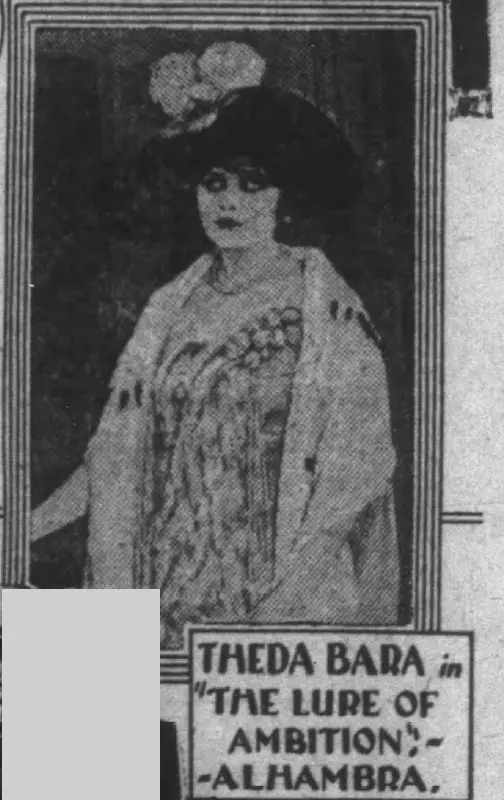
The scene where Olga introduces Ralston to her 'uncouth' father and their 'squalid home' is pivotal. It’s a moment of raw vulnerability for Olga, an unveiling of her true, unvarnished origins. Ralston’s subsequent retreat and eventual departure for England are not just a personal slight; they are a profound humiliation, a public declaration of Olga’s unworthiness in his eyes. This rejection, however, does not break Olga; it forges her. Her vow of revenge is not born of petty spite, but of a deep-seated desire to reclaim her agency, to dismantle the system that allowed Ralston to toy with her life so carelessly. This theme of a woman fighting against societal constraints and personal betrayal is echoed in other films of the era, such as The Better Wife, where a woman navigates difficult marital circumstances, or even Bread, which often explored the struggles of working-class women. Olga's journey, however, takes a darker, more calculated turn, moving beyond mere survival to outright conquest.
Olga's journey across the Atlantic marks a significant shift in her character arc. No longer the naive stenographer, she arrives in England with a clear objective: revenge, and ultimately, a permanent elevation of her social standing. Her entry into English aristocracy as the secretary to Lady Constance Bromley, played by Ida Waterman, is a masterstroke of strategic infiltration. It is here that she uncovers the full extent of Ralston's duplicity – his marriage and his true identity as Lady Bromley's son. This revelation fuels her resolve, transforming her quest from personal vendetta into a meticulously planned campaign for power.
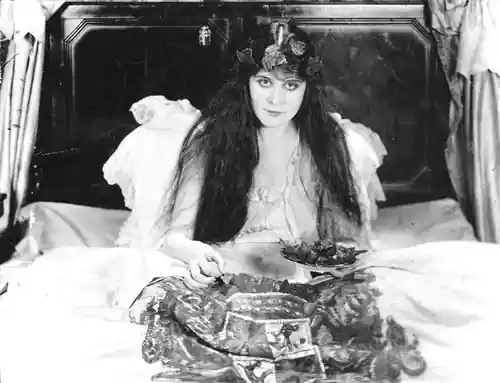
Her interest in the Duke of Rutledge, portrayed by Robert Paton Gibbs, is not romantic in the conventional sense, but a calculated move on a grand chessboard. She manipulates Ralston, whose lingering infatuation has now curdled into obnoxious advances, to introduce her to the Duke. This demonstrates Olga's evolving mastery of social dynamics, her ability to turn weakness into strength, even her former tormentor's. The progression from Ralston's secretary to the Duke's private secretary is a testament to her keen intellect and adaptability. The film highlights her shrewdness in a particularly memorable sequence where she impresses the Duke by skillfully flirting with a Spanish diplomat to secure crucial papers. This moment is crucial; it establishes Olga not just as a beautiful woman, but as an intelligent, resourceful, and utterly indispensable asset. It also hints at the moral flexibility that will define her ultimate triumph.
The transition from American social outsider to an influential figure in British high society is depicted with a sense of deliberate, almost cold-blooded, progression. Olga's actions are not impulsive; they are the result of careful observation and strategic planning. She understands the rules of this new game and plays them with an unparalleled finesse. This relentless ambition, unburdened by conventional morality, sets her apart from many heroines of the period. While films like Venus in the East might feature characters navigating social circles, Olga's journey is distinguished by its singular focus on self-advancement, regardless of the emotional cost to others. Her character challenges the prevailing notions of female passivity, presenting a woman who actively shapes her destiny, even if it means stepping into morally grey areas.
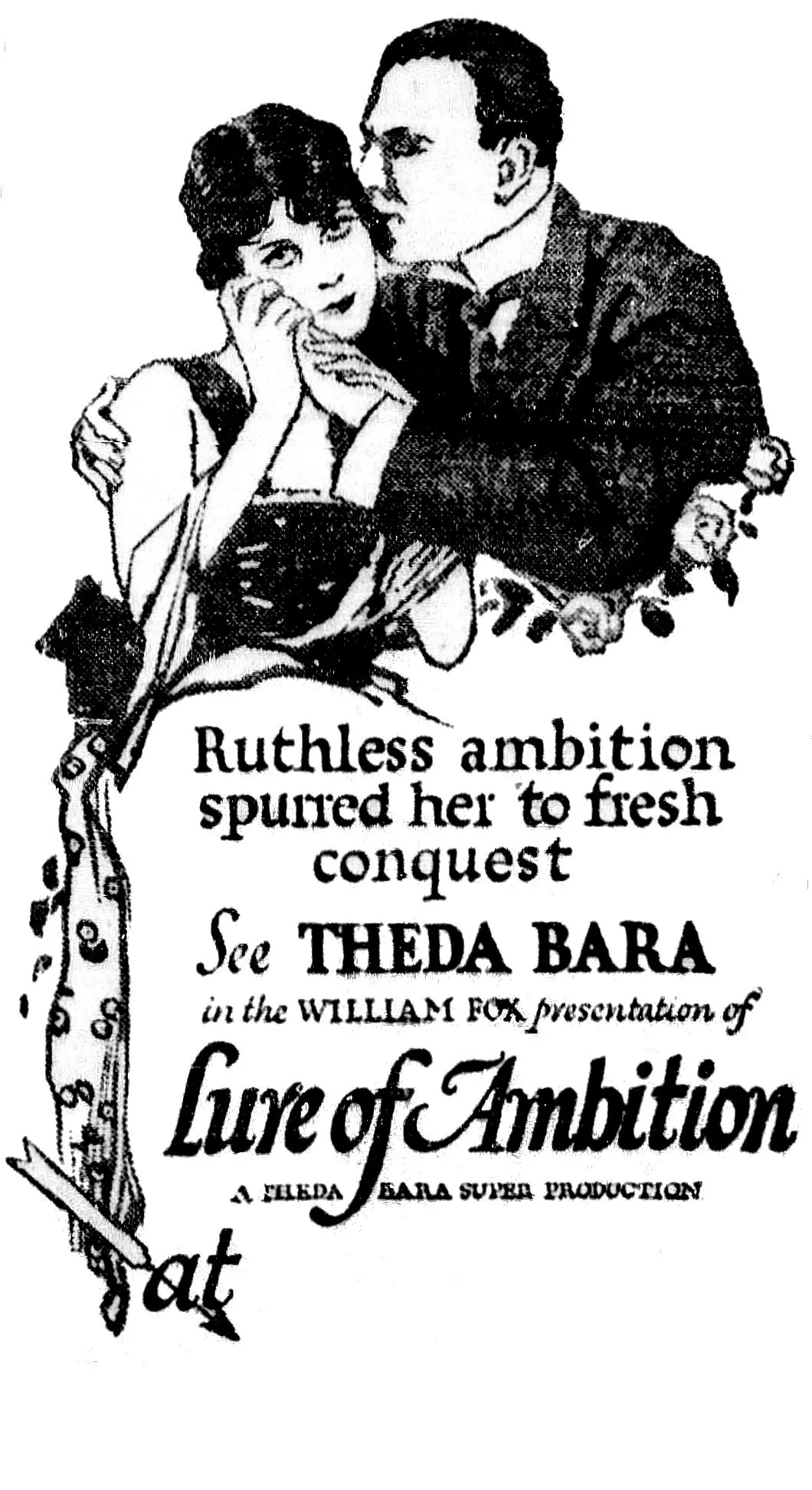
While 'Lure of Ambition' is undeniably Theda Bara's vehicle, the supporting cast plays crucial roles in illuminating Olga's character and advancing the intricate plot. William B. Davidson's portrayal of Cyril Ralston is effective in establishing him as the catalyst for Olga's transformation. His initial charm quickly gives way to a condescending arrogance, making his subsequent humiliation by Olga all the more satisfying for the audience. Thurlow Bergen, Tammany Young, and Peggy Parr contribute to the rich tapestry of characters inhabiting Olga's world, adding texture to the social milieu she so deftly navigates. Robert Paton Gibbs as the Duke of Rutledge is suitably aristocratic and somewhat detached, making him a perfect foil for Olga's calculating intensity. His character represents the ultimate prize, a symbol of the power and status Olga craves.
The film's writers, Julia Burnham and Edmund Lawrence, craft a narrative that, while melodramatic, is remarkably focused on Olga's agency. They understand the power of a strong female protagonist, even one whose methods might be considered morally dubious. The supporting characters are not mere background figures; they are instruments in Olga's grand design, each contributing to the escalating stakes and the eventual, dramatic climax. Even the brief appearances of characters like Amelia Gardner, Dan Mason, and Dorothy Drake help to flesh out the world, providing context for Olga's audacious ambitions. In this silent world, the actors' expressions and body language carried the weight of the story, and the ensemble cast, under Bara's magnetic lead, delivers a compelling performance that keeps the audience riveted to Olga's every move.
The narrative of 'Lure of Ambition' hurtles towards a dramatic and morally ambiguous climax, a denouement that perfectly encapsulates the film's themes of ambition and the lengths to which one might go for power. The Duke's insane wife, confined to a secluded room within the castle, represents a volatile, unpredictable element in Olga's carefully constructed plan. Her escape and subsequent attempt to kill the Duke introduce a moment of genuine peril, not just for the Duke, but for Olga's carefully cultivated position. Olga's swift and decisive action to stop the Duchess from harming the Duke is a pivotal moment. It’s a testament to her quick thinking and her ability to act under pressure, further cementing her value in the Duke's eyes, and perhaps, in her own.
The Duchess's subsequent fatal heart attack, brought on by intense jealousy at Olga's proximity to her husband, is the narrative's ultimate, convenient twist. It's a moment that, while melodramatic by modern standards, serves as the perfect, if slightly unsettling, resolution to Olga's machinations. The swift removal of this obstacle, precipitated by her own emotional instability, clears the path for Olga to achieve her ultimate goal. This resolution forces the audience to grapple with the morality of Olga's triumph. Is it pure opportunism? Or is it the deserved reward for a woman who has endured betrayal and fought tirelessly against societal constraints? The film leaves this question hanging, allowing the viewer to ponder the complex interplay of fate, human agency, and moral compromise.
Olga's marriage to the Duke of Rutledge is not merely a happy ending; it is a profound statement on her journey. She has not just survived; she has conquered. From the depths of poverty and humiliation, she has ascended to the pinnacle of aristocratic power, all through her own wit, resilience, and a dash of ruthless ambition. This ending, while perhaps shocking to some contemporary sensibilities, is a powerful reflection of the 'vamp' archetype – a woman who takes what she desires, defying conventional expectations of female subservience. It’s a stark contrast to more traditional narratives of the time, such as The Flame of Youth, which might have emphasized more conventional romantic resolutions. Olga's story is about power, not just romance, and her triumph is a testament to her unyielding will.
'Lure of Ambition' is more than just a vehicle for Theda Bara's star power; it's a fascinating exploration of enduring themes. At its core lies the potent question of ambition: its origins, its manifestations, and its ultimate cost. Olga's ambition is initially fueled by a desire for revenge, but it quickly evolves into a broader quest for status and security. The film subtly critiques the rigid class structures of both American and British society, highlighting how wealth and lineage often dictated one's opportunities, regardless of individual merit. Olga's struggle to transcend her humble origins resonates with the larger American narrative of self-made success, albeit with a distinctly European, aristocratic twist.
The film also delves into the complexities of gender roles and female agency in the early 20th century. Olga Dolan is no passive damsel in distress; she is a proactive, strategic individual who uses her intelligence and charm to navigate a patriarchal world. Her character, much like those in films such as John Glayde's Honor (though from a male perspective on ambition) or even certain episodes of Beatrice Fairfax Episode 9: Outside the Law, pushes the boundaries of what was expected of women on screen. Bara's 'vamp' persona allowed for the portrayal of women who were complex, powerful, and often morally ambiguous, paving the way for future cinematic anti-heroines. The film's enduring legacy lies not just in its entertainment value, but in its contribution to the evolving representation of women in cinema, challenging conventional notions of femininity and power.
The visual storytelling, a hallmark of silent cinema, is particularly effective in 'Lure of Ambition.' The stark contrasts between settings, the expressive performances, and the dramatic intertitles all contribute to a compelling narrative experience. The film, directed by Julia Burnham and Edmund Lawrence, showcases the era's mastery of visual communication, relying heavily on symbolic imagery and heightened emotional performances to convey its message. It stands as a testament to the power of early filmmaking to captivate audiences and provoke thought, even without the spoken word.
'Lure of Ambition' remains a captivating piece of silent cinema, primarily due to Theda Bara's magnetic performance as Olga Dolan. It’s a film that transcends its era, offering a timeless narrative about the human drive for success, the sting of betrayal, and the complex interplay of morality and ambition. Olga’s journey from a humble stenographer to a duchess, achieved through cunning and unyielding will, is a powerful reminder that sometimes, the greatest transformations arise from the deepest wounds. For cinephiles and historians alike, this film offers a fascinating glimpse into the social dynamics and cinematic artistry of a bygone era, proving that the lure of ambition, in all its forms, continues to be a compelling subject.
IMDb —
1916
Community
Log in to comment.