DbcultAccessing Vault...
Cult Review
Senior Film Conservator
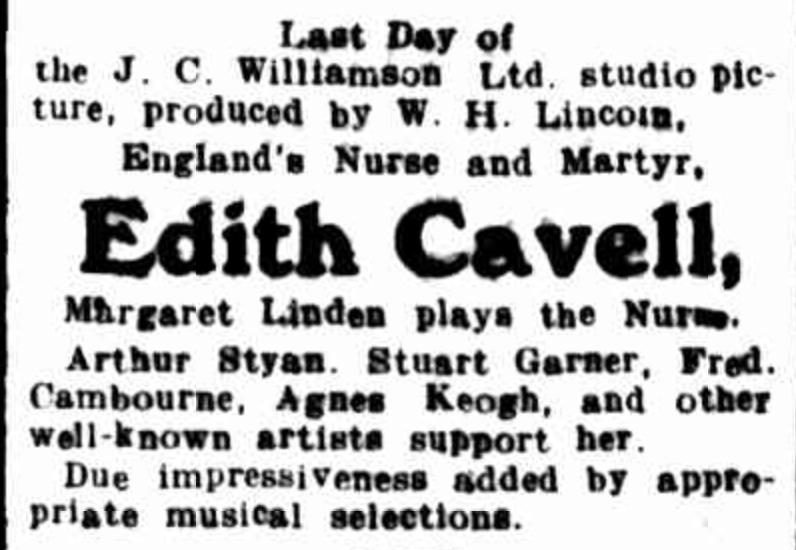
In the annals of early cinema, few films resonate with the stark, unyielding gravitas of 'Nurse Cavell,' a 1916 drama that plunges deep into the moral abyss of World War I. This cinematic rendering, penned by W.J. Lincoln, is more than a mere historical recounting; it's a poignant testament to human courage, a searing critique of wartime exigency, and an indelible portrait of a woman whose principles transcended national boundaries. Released amidst the very conflict it depicts, the film served not only as a dramatic spectacle but also as a powerful cultural artifact, shaping public perception and cementing the legend of Edith Cavell in the collective consciousness. It stands as a profound exploration of sacrifice, duty, and the tragic collision of humanitarianism with the brutal machinery of war.
To truly appreciate the profound impact of 'Nurse Cavell,' one must first comprehend the tumultuous backdrop against which its narrative unfolds. The year 1914 saw the outbreak of a conflict that would redefine warfare and redraw the geopolitical map. Belgium, a neutral nation, found itself swiftly overrun by German forces, transforming its landscape into a grim theatre of occupation. Amidst this upheaval, Edith Cavell, a British nurse, remained steadfastly at her post in Brussels, director of a medical training school and clinic. Her commitment to the Hippocratic oath knew no national allegiance; she treated wounded soldiers from all sides, offering succor without prejudice. However, her compassion extended beyond medical care, evolving into a perilous clandestine operation. Cavell, along with others, became instrumental in sheltering Allied soldiers – British, French, and Belgian – and facilitating their escape from German-occupied territory into the neutral Netherlands. This act, born of profound human empathy, was deemed by the German military authorities to be a grave act of treason, an affront to their control and a direct violation of wartime law.
The film masterfully navigates this treacherous terrain, portraying the escalating danger and the moral tightrope Cavell walked daily. It captures the suffocating atmosphere of occupation, where suspicion lurked in every shadow and the lines between aid and espionage blurred irrevocably. The historical weight of her actions, and their subsequent tragic consequences, imbues every frame with a palpable sense of foreboding. While many war films of the era, such as D.W. Griffith’s polemical The Fall of a Nation, leaned heavily into broad strokes of patriotism and overt propaganda, 'Nurse Cavell' distinguishes itself by grounding its narrative in the specific, heart-wrenching reality of an individual's ethical stand against an overwhelming force. It doesn't merely shout about national pride; it whispers about personal conviction, making its message all the more potent and enduring.
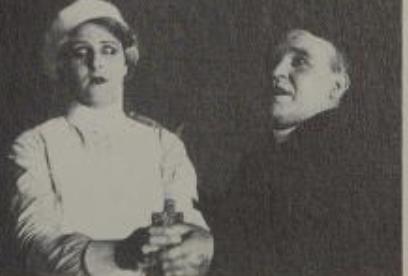
At the heart of this somber drama is Margaret Linden's portrayal of Edith Cavell, a performance that must have resonated deeply with contemporary audiences still reeling from the actual events. Linden, with a subtle command of expression and gesture, embodies Cavell not as a firebrand revolutionary, but as a woman of quiet strength and unwavering moral compass. Her Cavell is not driven by political fervor, but by an innate sense of humanity that transcends the artificial divisions of war. We see her ministering to the wounded, her face etched with a compassionate resolve, before transitioning to the clandestine meetings where she aids escaping soldiers, her demeanor betraying a calculated risk. The film excels in illustrating the internal conflict she must have faced: the inherent danger of her actions juxtaposed with the profound imperative to alleviate suffering.
Linden’s performance is particularly impactful in the moments leading up to Cavell’s arrest and trial. There's a palpable sense of inevitability, yet also a steadfast refusal to yield. Her eyes convey a deep understanding of her fate, but also an unshakeable conviction in the righteousness of her cause. It’s a nuanced depiction, avoiding histrionics in favor of a dignified resignation that speaks volumes. This understated heroism allows the audience to connect with Cavell on a deeply human level, making her subsequent plight all the more tragic. She becomes a symbol not just of national resistance, but of universal human compassion in the face of brutal authoritarianism. The film's success hinges on this empathetic connection, fostering a profound sense of injustice and sorrow that echoes long after the credits roll.
The dramatic core of 'Nurse Cavell' lies in its unflinching depiction of the legal proceedings that sealed her fate. From her arrest to the swift, predetermined verdict, the film portrays a justice system operating under the draconian rules of military occupation, where mercy is a luxury and expediency a necessity. Stewart Garner, Arthur Styan, and Agnes Keogh, though playing roles that are less central, contribute significantly to the oppressive atmosphere. Garner, perhaps as one of the German officials or prosecutors, embodies the rigid adherence to law, devoid of individual sentiment. Styan and Keogh, potentially playing supporting figures in Cavell's network or sympathetic observers, add layers to the unfolding tragedy, highlighting the widespread impact of her arrest and the fear it instilled.
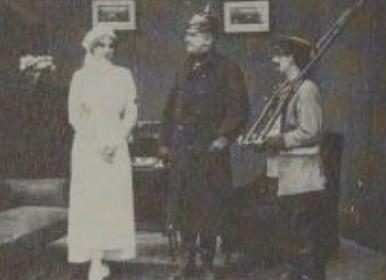
W.J. Lincoln’s direction here is particularly effective in building a mounting sense of dread. The trial scenes are not sensationalized but rendered with a chilling procedural accuracy, emphasizing the futility of Cavell’s defense against an already decided outcome. The film highlights the stark contrast between the humanitarian nature of her actions and the legal interpretation of them as espionage. It's a powerful statement on how war can twist moral imperatives, transforming acts of kindness into capital offenses. The tension is palpable as the verdict is delivered, a moment of profound injustice that reverberates through the narrative. The film doesn't shy away from the brutality of the situation; rather, it confronts it head-on, forcing the audience to grapple with the moral complexities of wartime law and the devastating consequences for those who defy it.
The final hours leading to her execution are handled with a solemn dignity, avoiding any exploitation of her suffering. Instead, the focus remains on Cavell's quiet fortitude, her acceptance of her fate, and her enduring message of patriotism and forgiveness. This segment of the film is a masterclass in emotional restraint, allowing the inherent tragedy of the situation to speak for itself. It evokes a similar sense of inexorable doom and moral questioning that one might find in narratives like Under galgen (if that film similarly deals with the lead-up to an execution or a profound legal injustice), where the individual's defiance or innocence is pitted against an unyielding system. 'Nurse Cavell' captures not just the historical event, but the emotional and ethical weight of such a sacrifice.
W.J. Lincoln, as both writer and director, demonstrates a remarkable command of narrative structure and emotional pacing, especially considering the nascent stage of cinematic language in 1916. The film is not a simple chronological recounting; it meticulously builds its dramatic tension, allowing the audience to understand the context, the stakes, and the profound character of Edith Cavell before her tragic end. Lincoln's screenplay avoids didacticism, choosing instead to let the unfolding events and the understated performances convey the powerful message. He understands the power of visual storytelling, utilizing the medium to transport viewers directly into the fraught atmosphere of occupied Brussels.
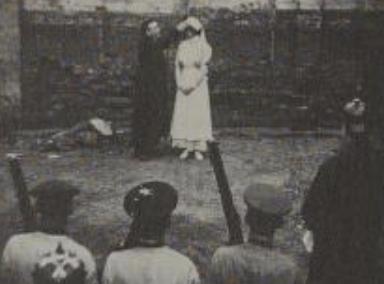
The editing, while perhaps rudimentary by modern standards, serves to heighten the emotional impact, particularly during the trial sequence and the final moments. There's a deliberate rhythm to the storytelling, allowing for moments of quiet reflection to contrast with the escalating drama. Lincoln’s ability to extract such profound emotional depth from a relatively nascent art form is commendable. He doesn't rely on overly dramatic gestures or exaggerated expressions, a common pitfall in early silent films. Instead, he trusts his actors and the inherent power of the true story to carry the weight of the narrative. This restraint elevates 'Nurse Cavell' beyond mere propaganda, transforming it into a compelling work of historical drama that speaks to universal themes of morality and sacrifice.
While Margaret Linden's portrayal anchors the film, the supporting cast, including Stewart Garner, Arthur Styan, and Agnes Keogh, contribute to the tapestry of suffering and resolve that defines the wartime experience. Their collective performances, even in smaller roles, help to paint a comprehensive picture of the human cost of conflict. Garner's portrayal of authority figures, for instance, likely brings a stark, unyielding quality to the German military machine, while Styan and Keogh might embody the quiet courage of those who aided Cavell or the despair of the populace. Their contributions, though perhaps less individually highlighted, are crucial in establishing the verisimilitude of the occupied territory and the pervasive sense of danger.
Beyond the individual performances, 'Nurse Cavell' delves into profound thematic territory. It starkly contrasts the concept of national duty with the broader obligations of humanity. Cavell's actions force a confrontation with the question of where loyalty truly lies when faced with immense suffering. Is it to a flag, or to the universal imperative to alleviate pain? The film also implicitly critiques the dehumanizing effects of war, showing how even noble impulses can be criminalized under the guise of military necessity. Her execution, swift and unyielding, became a powerful symbol of German brutality and a rallying cry for the Allied cause, demonstrating how an individual's sacrifice can galvanize international sentiment. The film effectively captures this seismic impact, transforming a personal tragedy into a global outrage.
The narrative's exploration of propaganda is also noteworthy. While the film itself, released during the war, inevitably carried a certain propagandistic undertone, its power derived from its factual basis and its focus on a singular, compelling human story. This approach differs from more overt and fictionalized propaganda pieces of the era, offering a more nuanced, albeit still impassioned, perspective. It allowed audiences to connect with the emotional reality of the war through a figure they could admire and mourn, rather than simply being subjected to broad nationalistic appeals.
'Nurse Cavell' stands as a significant entry in the canon of early war cinema, not just for its subject matter but for its courageous and relatively restrained storytelling. It paved the way for future historical dramas that sought to illuminate the human cost of conflict through individual narratives. Unlike some of its contemporaries that might have prioritized spectacle or jingoism, Lincoln's film maintains a profound respect for its subject, allowing the inherent tragedy and heroism of Cavell's story to speak for itself. It remains a powerful reminder of a specific historical moment, yet its themes of moral courage, the clash between law and humanity, and the devastating impact of war are timeless.
The film’s historical significance is undeniable. It contributed to the narrative surrounding World War I, shaping public opinion and solidifying Edith Cavell's place as a martyr and a symbol of Allied righteousness. Even a century later, the film retains its capacity to move and provoke thought, urging viewers to reflect on the ethical dilemmas inherent in conflict and the enduring power of individual conscience. It serves as a stark historical document, preserving a critical moment in time and ensuring that Cavell's sacrifice is not forgotten. In an era where cinema was still finding its voice, 'Nurse Cavell' demonstrated its profound potential not just as entertainment, but as a powerful medium for historical commemoration and moral inquiry.
IMDb —
1931
Community
Log in to comment.