DbcultAccessing Vault...
Cult Review
Senior Film Conservator
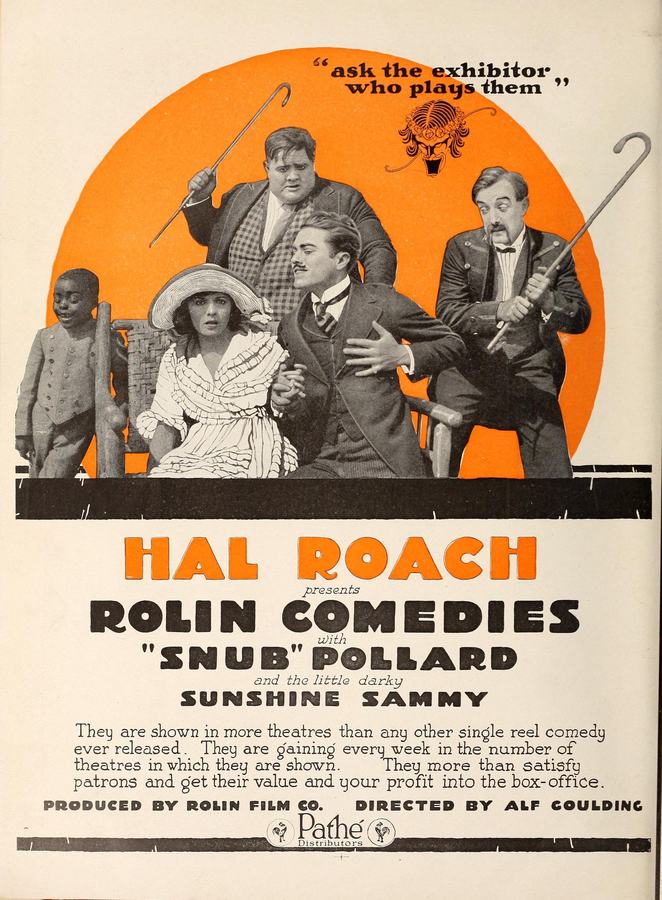
In the pantheon of silent-era slapstick, few motifs resonate with as much contemporary anxiety as the struggle for habitable space. Hal Roach’s 'No Children' is not merely a collection of pratfalls; it is a frantic, celluloid manifestation of the urban squeeze, a comedic treatise on the exclusionary policies of the 1920s rental market.
Snub Pollard, with his iconic downward-curving mustache and an air of perpetual bewilderment, serves as the perfect avatar for the beleaguered everyman. In 'No Children', he is paired with the luminous Marie Mosquini, creating a domestic unit that is both relatable and absurdly resilient. Unlike the more whimsical escapades found in Patsy, this film grounds its humor in a tangible social friction. The central conflict—finding a flat that accepts children—is a premise that feels strikingly modern, echoing the gentrification and housing volatility of our own era.
The brilliance of the film lies in its escalation. What begins as a series of rejected applications evolves into an elaborate performance of invisibility. The child, played with infectious charisma by Ernest Morrison (the legendary 'Sunshine Sammy'), is treated not as a character but as a contraband object. This dehumanization for the sake of survival provides a dark undercurrent to the levity, a hallmark of the Hal Roach studio's ability to blend social observation with physical comedy.
The cinematography utilizes the cramped quarters of the apartment set to create a sense of mounting claustrophobia. We see the influence of early European stylistic flourishes, perhaps less brooding than Kurfürstendamm, but equally focused on the relationship between the human body and the built environment. Every trunk, closet, and curtain becomes a potential sanctuary or a site of exposure. The landlady, a formidable archetype of bureaucratic malice, patrols the hallways like a warden, her presence demanding a constant, exhausting vigilance from the protagonists.
There is a rhythmic precision to the gags here that rivals the best work of the period. Compare the frantic energy of the concealment sequences to the more structured narrative of Why Cooks Go Cuckoo. While the latter relies on the chaos of the kitchen, 'No Children' finds its rhythm in the silence of the hidden. The tension is palpable; every time the boy giggles or a toy squeaks, the audience feels a collective jolt of adrenaline. It is a masterclass in suspense masquerading as low-brow comedy.
One cannot discuss 'No Children' without highlighting the pivotal role of Ernest Morrison. As one of the first African American child stars, Morrison’s presence in these Roach comedies was revolutionary. His timing is impeccable, often outshining the veteran Pollard. In this specific narrative, his character’s innocence is the very thing that endangers the family’s security, creating a poignant irony. While other films of the time, such as A Dream or Two Ago, might have used children for sentimental pathos, Roach uses Morrison as a catalyst for kinetic energy.
Morrison’s physicality is distinct from the adults; he moves with a fluid unpredictability that contrasts with Pollard’s jerky, mechanical reactions. This juxtaposition is essential to the film's success. When the boy is eventually diagnosed with chicken-pox, Morrison’s shift from an active threat to a stationary 'quarantine asset' is handled with a comedic grace that belies the actor's young age.
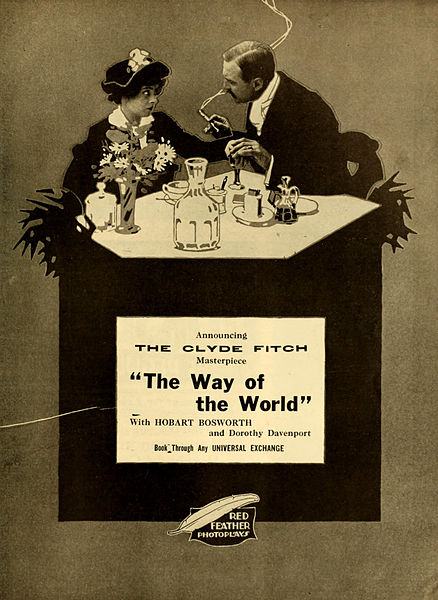
The resolution of 'No Children' is perhaps one of the most subversive endings in silent comedy. In a world governed by rigid moralism and legalistic lease agreements—reminiscent of the stiff social structures in Mrs. Dane's Defense—the introduction of a contagious disease serves as the ultimate equalizer. The chicken-pox is not a tragedy; it is a twenty-one-day lease extension. This subversion of expectation is where the film transcends its slapstick roots.
The parents' sigh of relief upon discovering their child is ill is a moment of pure, unadulterated dark humor. It highlights the desperation of their situation—that a viral infection is preferable to the cold indifference of the streets. This thematic depth is what separates a standard gag-reel from a coherent piece of cinematic art. It invites the viewer to laugh at the absurdity while acknowledging the systemic cruelty that makes such an absurdity possible.
When looking at the broader landscape of 1920 cinema, 'No Children' stands out for its lack of pretension. It doesn't strive for the high-drama of Hamlet (1921) or the romantic complexity of Sacred and Profane Love. Instead, it finds its soul in the gutters and cramped hallways of the working class. The film shares a certain gritty DNA with Creaking Stairs, though it swaps suspense for satire.
The technical execution, from the lighting of the dingy apartment to the timing of the door-slams, demonstrates a studio at the height of its powers. Hal Roach’s direction is invisible yet omnipresent, ensuring that the pace never falters. The film avoids the episodic feel of many shorts from this period, maintaining a tight narrative arc that feels complete despite its brief runtime. It is a precursor to the great family sitcoms of the television era, establishing tropes that would be recycled for decades to come.
'No Children' is a masterclass in situational irony and physical bravura. It leverages the mundane anxieties of the housing market to create a high-octane comedy that remains surprisingly relevant. Through the lens of Snub Pollard’s frantic fatherhood and Ernest Morrison’s irrepressible energy, Hal Roach delivers a film that is as much a social document as it is a source of laughter. While it may lack the epic scale of The Dawn of Freedom, its intimate, chaotic domesticity offers a far more visceral connection to the human condition. It is a quintessential piece of silent cinema that deserves a prominent place in the archives of comedic history.
— The Cinematic Chronicler
IMDb 6.9
1933
Community
Log in to comment.