DbcultAccessing Vault...
Cult Review
Senior Film Conservator
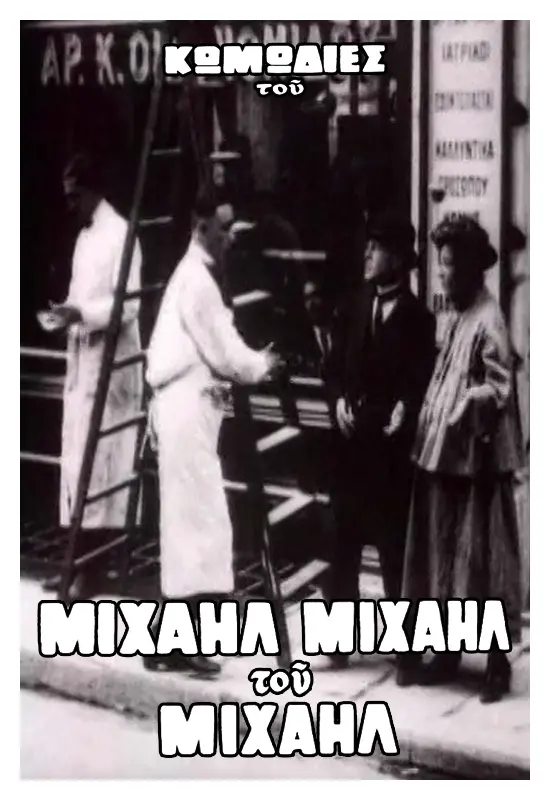
The film, Michael Doesn’t Have Any Change, navigates the comedic terrain with a precision that harks back to the satirical brilliance of The Morals of Hilda. It masterfully intertwines social commentary with a light-hearted approach, mirroring the timeless wit of Villar’s works. The plot revolves around a series of interconnected stories that unfold in a small Greek village, where the protagonist, Michael, finds himself entangled in a web of interpersonal conflicts and misunderstandings. Through the lens of these characters, the film delves into the complexities of human relationships and societal norms.
The ensemble cast, comprising of Mary Flery, Dora Stefanou, and Concetta Moshou, among others, brings a remarkable depth to their roles. Each performance is a testament to the film’s ability to capture the nuanced emotions and quirks of everyday life. The chemistry between the actors is palpable, creating moments of genuine humor and poignant reflection. The screenplay, penned by the talented writers, effortlessly balances humor with a profound understanding of human behavior, making it a standout piece in the genre of social comedy.
The visual and auditory elements of the film contribute significantly to its overall impact. The picturesque Greek landscapes provide a backdrop that enhances the authenticity of the setting, while the score adds a layer of emotional nuance to the proceedings. The cinematography, with its focus on capturing the essence of the village and its inhabitants, complements the storytelling, offering a visual feast that mirrors the film’s thematic tapestry. The editing, too, is impeccable, ensuring that the narrative flows seamlessly, drawing the audience into the world of Michael and his fellow villagers.
One of the film’s strengths lies in its ability to address contemporary issues through the lens of a bygone era. The characters navigate their lives with a sense of authenticity that resonates with modern audiences. The humor is not merely surface-level; it delves into the very essence of human interactions, making the film both entertaining and thought-provoking. The juxtaposition of past and present serves not only to entertain but also to provoke discussions about the evolution of social norms and the enduring nature of human folly.
The film’s exploration of social satire is particularly noteworthy. It critiques various societal aspects with a keen eye, offering a mirror to reflect on the follies and virtues of human nature. The characters’ struggles and triumphs are portrayed with such sincerity that the audience cannot help but empathize with them. The film’s ability to blend humor with a deeper meaning sets it apart from its contemporaries, making it a compelling watch for those who appreciate nuanced storytelling.
While the film excels in its comedic and satirical elements, it occasionally stumbles in its pacing, particularly in the second act. The narrative becomes slightly disjointed at times, with a few scenes feeling redundant. However, these minor issues do not detract significantly from the overall experience. The film’s strengths far outweigh its weaknesses, making it a worthwhile watch for fans of social comedy and those seeking a thoughtful yet entertaining narrative.
In conclusion, Michael Doesn’t Have Any Change is a commendable effort that successfully merges the spirit of Villar with contemporary social commentary. It delivers a rich, layered experience that challenges and entertains in equal measure. As a film that celebrates the complexities of human relationships and societal dynamics, it stands as a testament to the enduring power of art to reflect and critique our world.
IMDb —
1928
Community
Log in to comment.