DbcultAccessing Vault...
5.5/10
Senior Film Conservator
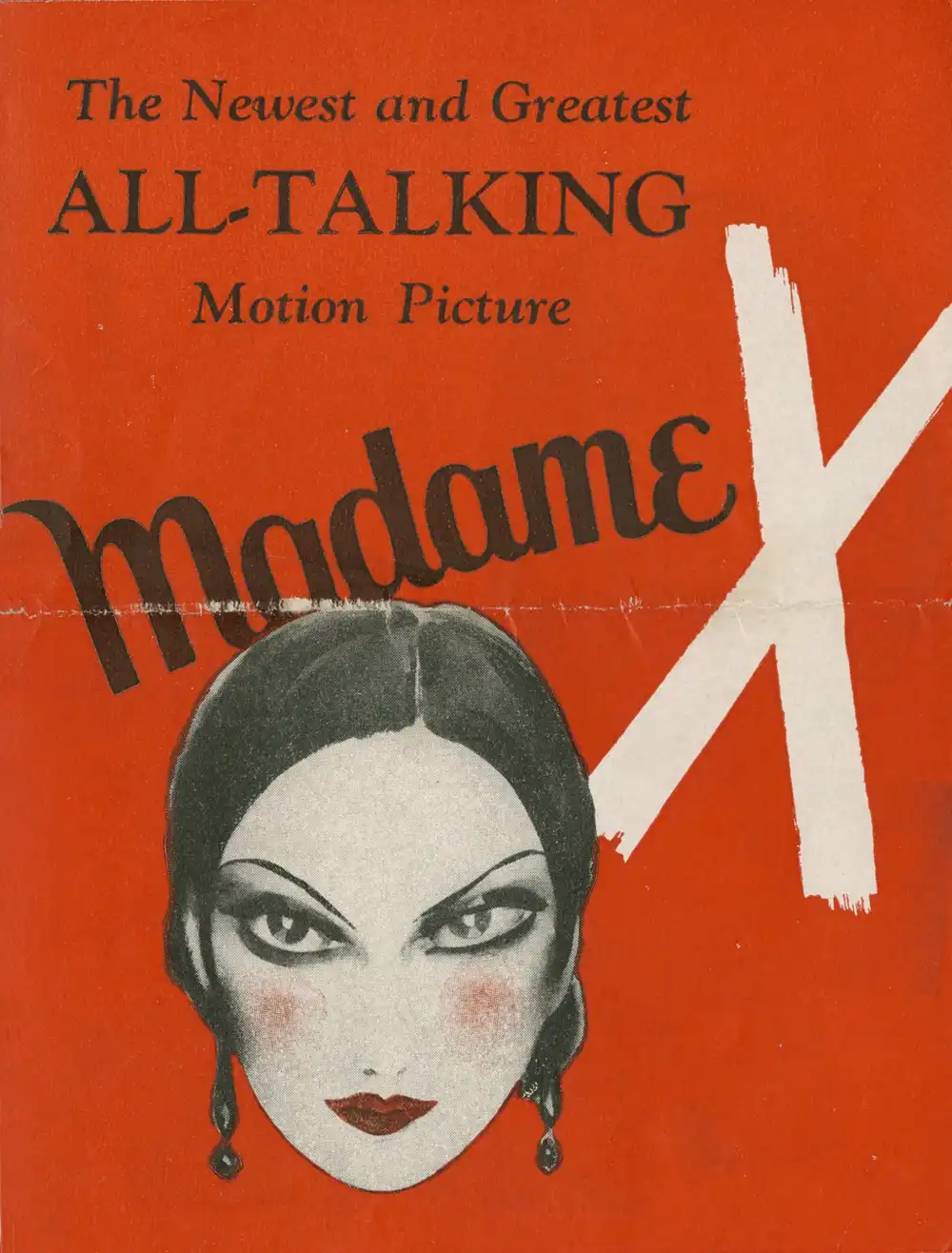
A definitive 5.5/10 rating for a film that redefined the boundaries of cult cinema. Madame X remains a cornerstone of transgressive art.
If you have a soft spot for movies where people cry into their hands while the sound of a hissing radiator plays in the background, you might actually like this. Madame X is a very early talkie from 1929, so it has all that weird, stiff energy where you can tell the actors are terrified of moving too far away from the hidden microphones.
It is definitely worth a watch if you're into film history or if you just want to see how much drama they could cram into 90 minutes back then. People who hate stagey acting or slow pacing will probably want to throw their remote at the wall, though. 📺
The story starts with Jacqueline, played by Ruth Chatterton, who basically makes one mistake and gets kicked out into the cold by her husband, Louis. Lewis Stone plays the husband like he’s made of granite and hasn't had a glass of water in three days. He is so stiff.
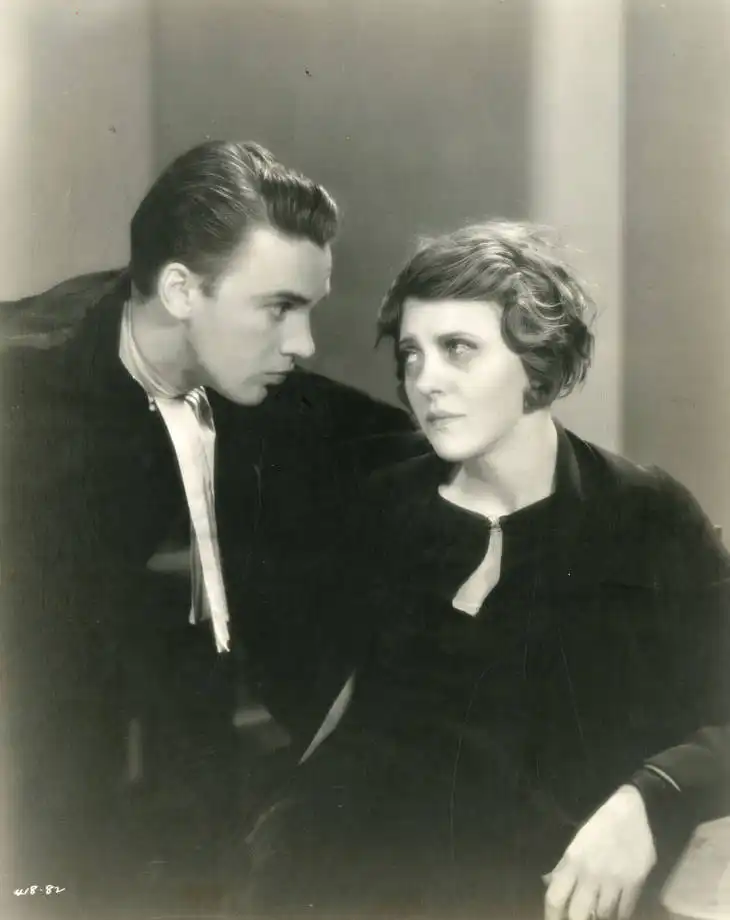
He won't even let her see their little boy. It’s brutal in a way that feels a bit like the family drama in Where's My Wandering Boy Tonight? but much more depressing because of how quiet the house is.
Then we skip ahead twenty years. Jacqueline has become a "fallen woman," which in 1929 movie language means she wears messy eyeliner and drinks a lot of stuff out of tiny glasses. She looks exhausted.
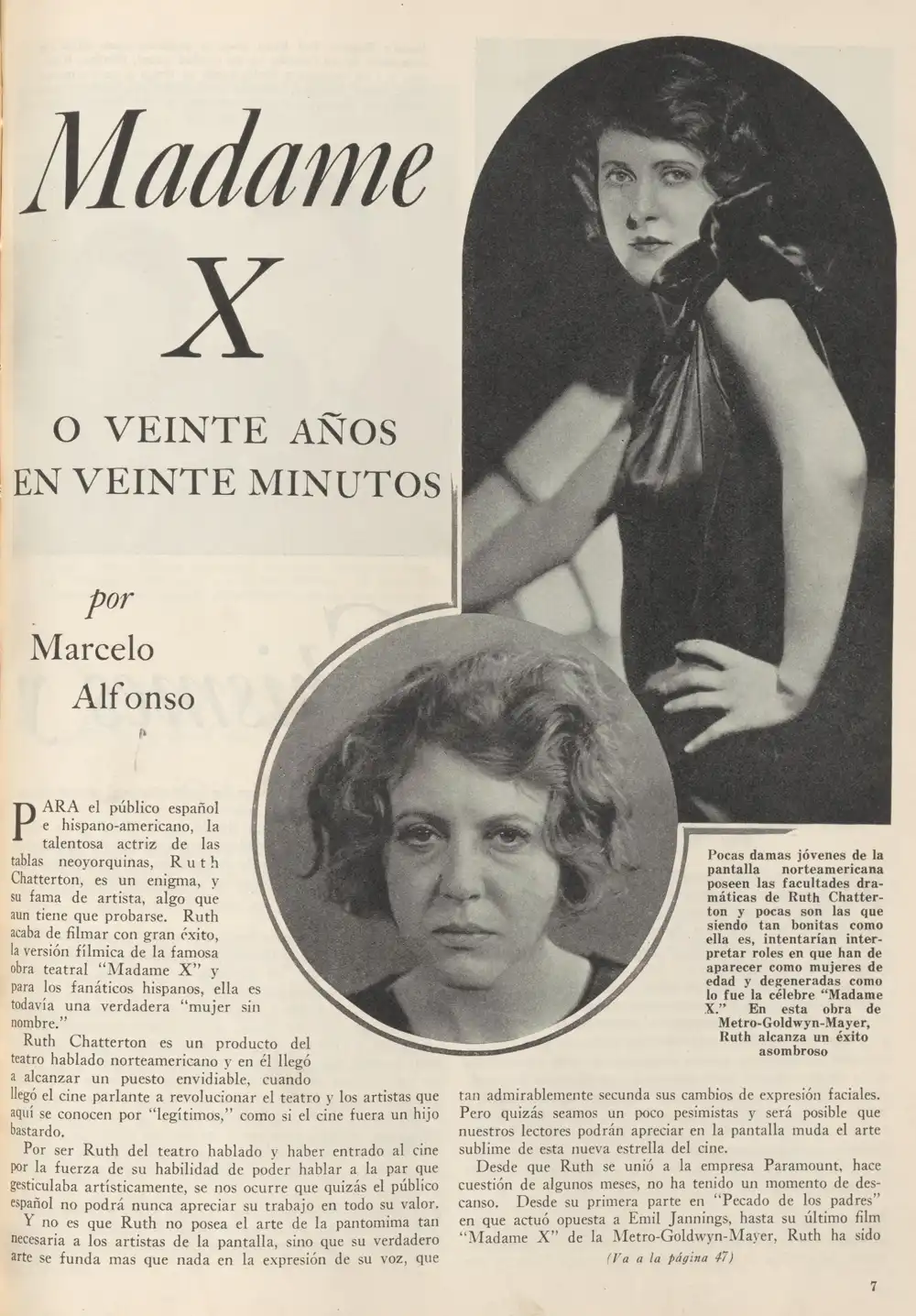
The makeup they put on her to make her look older is sort of funny. It looks like someone just patted a bunch of grey flour onto her hair and told her to slouch. But honestly, Chatterton sells it with her eyes.
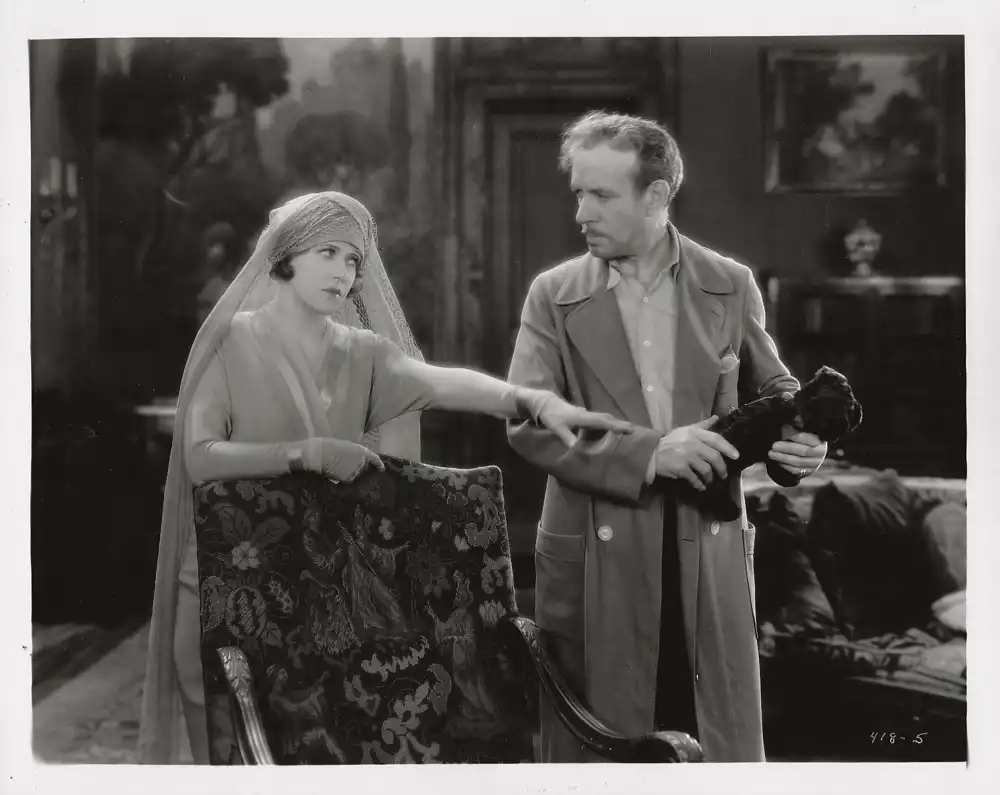
She gets mixed up with this absolute sleazebag named Laroque, played by Ullrich Haupt. He has this mustache that practically screams "I am going to blackmail you later tonight."
There is a scene in a hotel room where the camera just sits there, staring at them. It feels like you’re eavesdropping on a real conversation that’s going south fast. The silence between the lines of dialogue is so long it almost gets awkward, but it works for the tension.
Eventually, she ends up on trial for murder. And who is the lawyer defending her? Her own son, who doesn't know who she is. It is the kind of coincidence that only happens in old movies or soap operas, but I kind of love it.

Raymond Hackett plays the son, Val. He has that very specific, posh 1920s voice where every "s" sounds like a little whistle. He’s very earnest, maybe a little too earnest, but his big speech at the end is actually kind of moving.
I noticed this one guy in the jury box who looks like he’s trying really hard not to sneeze for about three minutes straight. I couldn't stop watching him instead of the main actors. 🤧
The trial goes on for a while. It feels like the movie is trying to convince you that every single word is the most important thing ever said. Sometimes it gets a bit much.
The sound quality is pretty rough, too. There’s a constant hissing and popping, which I guess is just what happens when you’re recording sound in 1929. It makes the whole thing feel like it’s being told to you from another planet.
There’s a weirdly long shot of her hands shaking while she’s sitting at a table. It’s one of the few moments where the movie stops being a play and starts being a movie. It’s super effective and much better than the yelling.
It reminds me a bit of The Invisible Bond because it's all about these family connections that people try to run away from but can't. You can see the ending coming from a mile away, but that doesn't make it any less of a bummer.

The movie doesn't really have a "happy" bone in its body. It just sits there in the sadness and lets it happen. I respect that, even if it makes my chest feel a bit heavy by the time the credits roll.
Is it a masterpiece? Probably not. The pacing is all over the place and some of the side characters, like the ones played by Henry Armetta or Sidney Toler, feel like they wandered in from a different movie entirely.
But there’s something about it that sticks. Maybe it’s just Ruth Chatterton’s face at the very end. She looks like she’s finally found some peace, even if the world is falling apart around her.
It’s a dusty, noisy, overly dramatic piece of work. And yet, I think I liked it more than I expected to. It’s just very human in its messiness.
IMDb —
1931
Community
Log in to comment.