DbcultAccessing Vault...
Cult Review
Senior Film Conservator
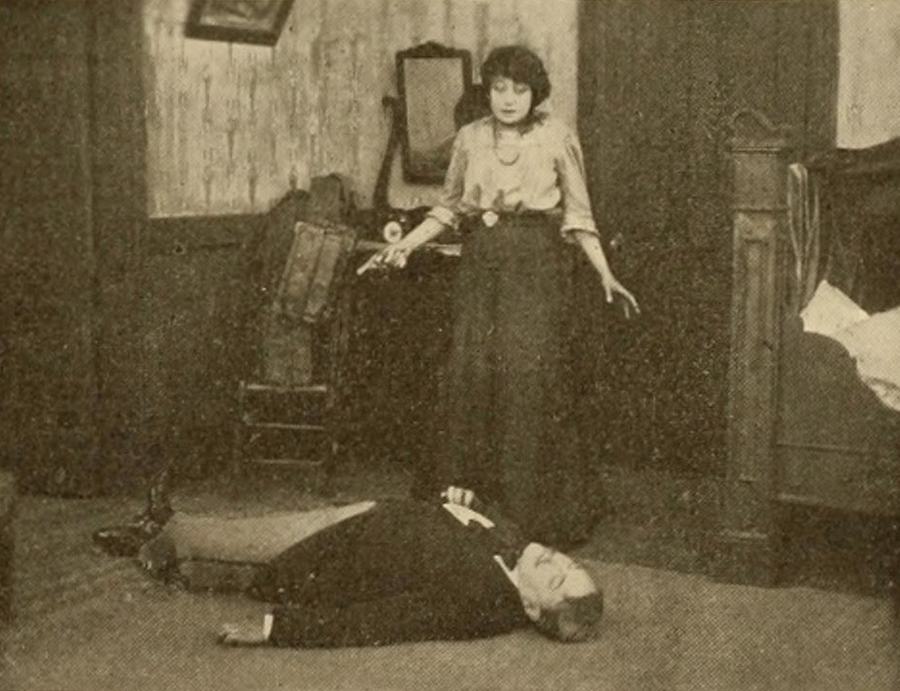
In the grand tapestry of cinematic melodrama, few narratives possess the enduring, visceral pull of Alexandre Bisson's 'Madame X.' It is a story that, across countless adaptations, continues to resonate with a primal, almost mythic, emotional force. This isn't just a tale; it's a crucible, a relentless examination of motherhood, sacrifice, and the often-unforgiving gaze of societal judgment. The film, in its stark, early cinematic form, strips away the superficial, laying bare the raw nerves of human despair and desperate love. It’s a profound exploration of identity lost and rediscovered through the most harrowing of circumstances, a narrative that feels less like a constructed plot and more like an inevitable, tragic arc.
The premise, deceptively simple, unravels with the methodical precision of a Greek tragedy. A woman, whose very essence is tied to her domestic sphere, is summarily ejected from her life by a husband consumed by an irrational, corrosive jealousy. This isn't merely a separation; it's an excommunication. Her banishment is absolute, tearing her from the tender embrace of her child and thrusting her into an existence devoid of purpose, dignity, or hope. Her subsequent twenty-year odyssey is not merely a passage of time but a protracted degradation, a slow, agonizing erosion of self. She navigates the shadowy underbelly of society, each year marking a further descent into anonymity and vice, a stark contrast to the life of privilege she once knew. It's a testament to the play's original power, and the film's ability to translate it, that this protracted suffering feels earned, a natural consequence of her initial, unjust expulsion.
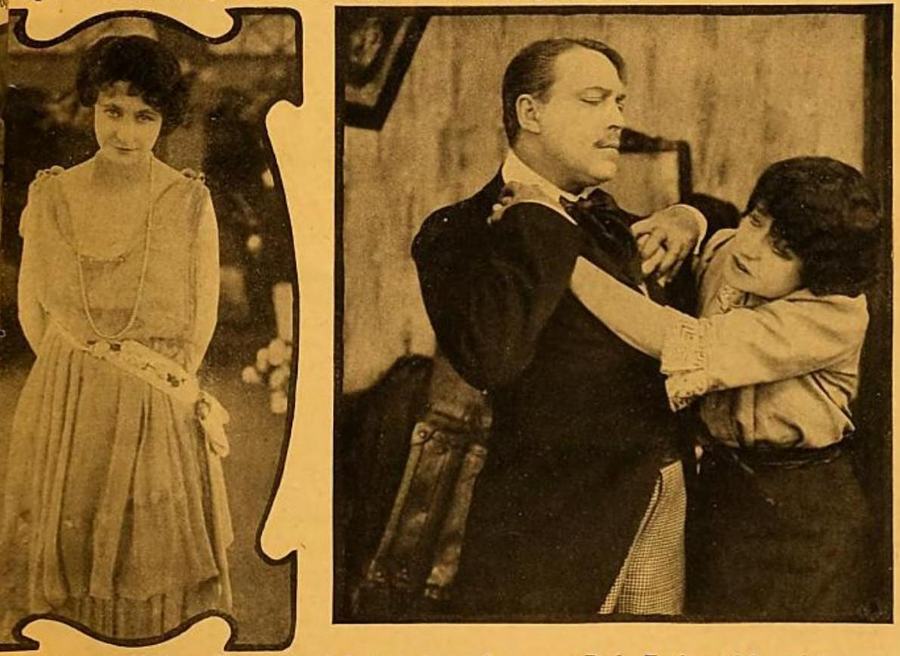
The genius of 'Madame X' lies in its audacious narrative pivot: the return of the prodigal son, not to his mother's arms, but to her defense. Unaware of the profound, biological link that binds them, this young lawyer, driven by ambition and a nascent sense of justice, takes on the seemingly impossible task of defending a nameless woman accused of murder. The dramatic irony is almost unbearable, creating a tension that hums beneath every frame, every intertitle. The audience is privy to a truth that eludes the characters, fostering a deep, empathetic connection with the accused, whose silence becomes a shield, a sacrifice in itself. This profound emotional core elevates 'Madame X' beyond mere melodrama, embedding it firmly in the pantheon of enduring human dramas.
In the era of silent cinema, the burden of conveying such profound emotional depth fell squarely upon the actors. Their faces, their gestures, their very physicality had to articulate what words could not. The actress portraying Madame X, in particular, carries the weight of the entire narrative on her shoulders. Her transformation from an elegant societal figure to a ravaged, anonymous woman is a masterclass in silent acting, a testament to the power of non-verbal storytelling. The nuanced expressions of despair, resilience, and ultimately, a fierce maternal protectiveness, are etched onto her features. One can almost hear the silent scream of a mother protecting her child, a sound more potent than any dialogue could convey.
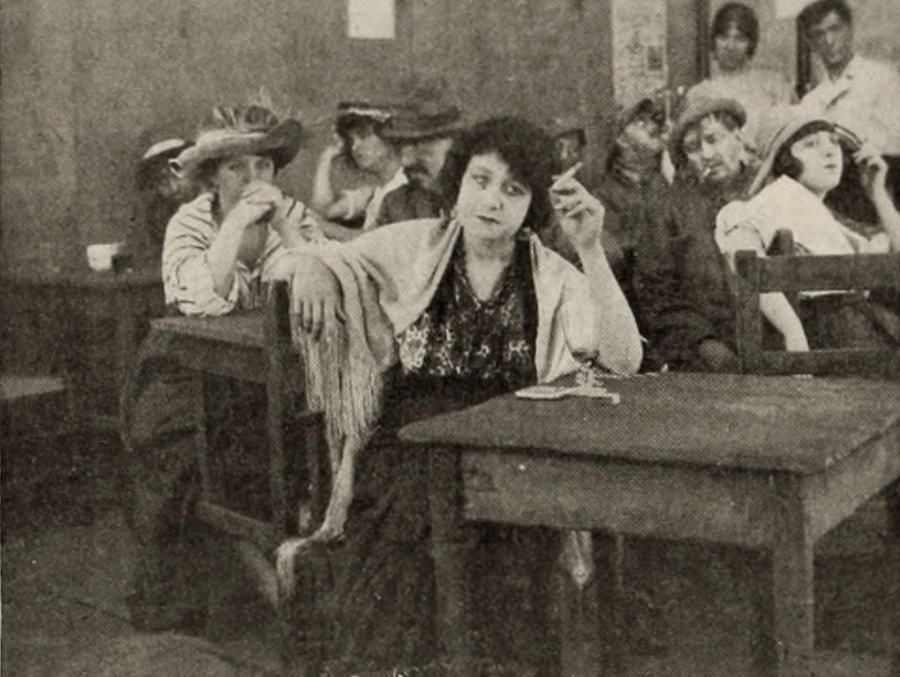
The supporting cast, including talents like Edwin Forsberg, John Bowers, Charles E. Bunnell, Ralph Morgan, Robert Fischer, Dorothy Donnelly, and Gladys Coburn, contribute significantly to the film’s rich emotional landscape. Their collective performances craft a believable world, whether it's the rigid indignation of the jealous husband, the earnest conviction of the young lawyer, or the various figures who populate the protagonist's desolate journey. The ensemble works in concert to amplify the central tragedy, each character a brushstroke in the broader canvas of human folly and redemption. The film, in its essence, is a stage play brought to the screen, and the theatricality of the performances, while sometimes broad by modern standards, perfectly suits the heightened emotional stakes of the narrative. The pathos is palpable, the tension expertly built through carefully orchestrated reactions and dramatic pauses.
'Madame X' delves deep into a myriad of profound themes. At its core is the unwavering power of maternal love, a force so potent it transcends degradation, societal opprobrium, and even the threat of death. The protagonist's final, desperate act is a pure articulation of this love, a sacrifice made without expectation of recognition or reward. This selfless devotion is contrasted sharply with the often-hollow dictates of societal justice. The courtroom scenes are particularly potent, highlighting the chasm between legal truth and emotional truth. The son, in his pursuit of justice for his client, unwittingly becomes an instrument of a higher, more personal form of justice, one that speaks to the very soul of human connection.
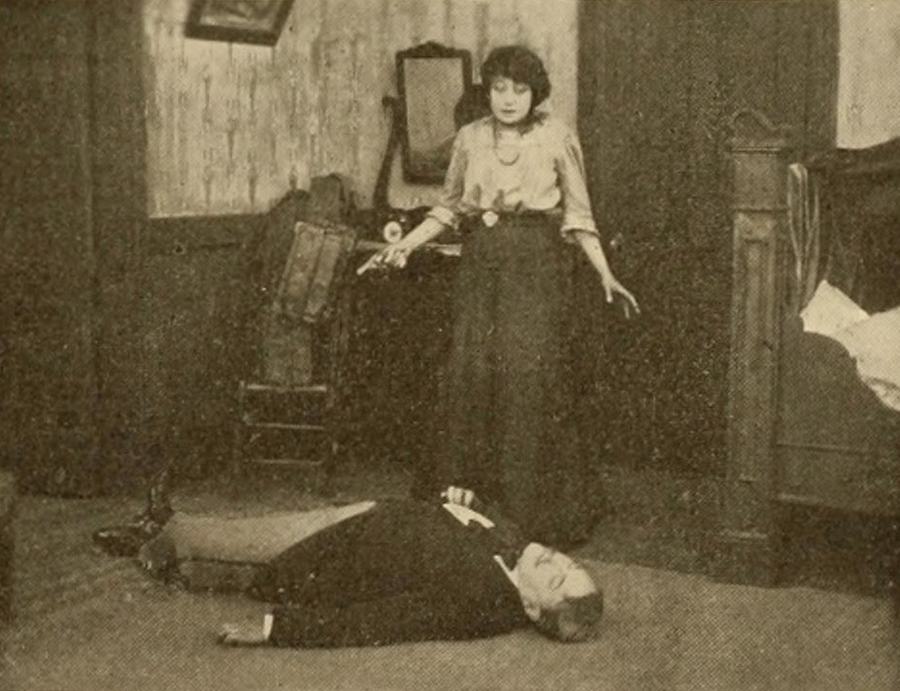
The film also grapples with the concept of identity. Stripped of her name, her status, and her past, the protagonist becomes 'Madame X'—an anonymous cipher. Her identity is not merely obscured; it is actively suppressed for the sake of her son's reputation and her own self-imposed penance. This exploration of a lost self, and the fragments that remain, gives the story an existential weight. It forces the audience to ponder what truly defines a person: their name, their social standing, or the unbreakable bonds of family and love? Alexandre Bisson's original play was revolutionary in its time for its unflinching look at these issues, and the film adaptation captures that same challenging spirit, proving that some questions are timeless, irrespective of the era's sensibilities.
While specific directorial credits for early versions can sometimes be nebulous, the cinematic language employed in 'Madame X' is remarkably effective for its time. The use of close-ups to capture the raw emotion of the actors, the deliberate pacing that allows the audience to absorb the unfolding tragedy, and the stark visual contrasts between the protagonist's past and present lives all contribute to its powerful impact. Intertitles are not merely expository; they often carry the weight of inner thoughts, laments, and desperate pleas, bridging the gap between the silent images and the profound psychological drama unfolding. The film understands the power of visual storytelling, allowing the audience to infer much from a subtle gesture or a lingering shot.
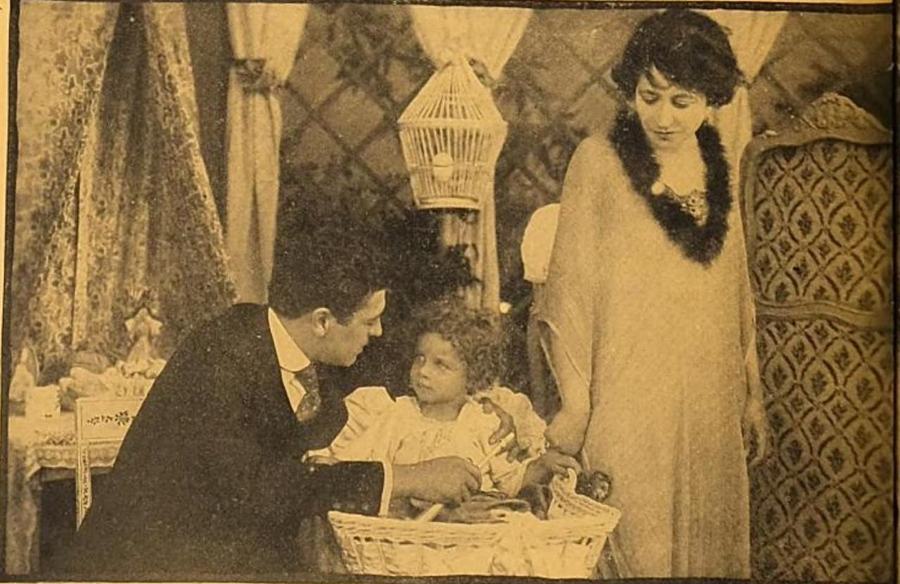
The enduring appeal of 'Madame X' has led to numerous adaptations across decades, a testament to the robustness of its central narrative. Its influence can be seen in countless films that explore themes of hidden identities and dramatic courtroom revelations. One might draw parallels to the intense emotional stakes found in early Italian melodramas like 'Sperduti nel buio', where societal condemnation and familial desperation drive the plot. The tragic, almost operatic scale of the suffering and sacrifice in 'Madame X' echoes the grand emotional gestures seen in such formative works. Similarly, the exploration of justice and its often-blind nature, coupled with personal vendettas, could be faintly reflected in films like 'The Bells', albeit with a more pronounced psychological horror bent. The societal pressures and moral decay depicted in 'The Jungle', though set in a vastly different context, share a common thread of individuals crushed by external forces beyond their control. Even the poignant irony of a child unknowingly affecting their parent's fate finds distant echoes in narratives like 'Barnaby Rudge', where familial secrets and societal upheaval intertwine with tragic consequences.
The sheer theatricality of the courtroom drama, where the fate of the protagonist hangs precariously, resonates with the heightened reality often found in early cinema. It’s a narrative structure that proved immensely popular and influential, laying groundwork for future legal thrillers and family dramas. The way the film builds suspense through the son's unwitting investigation and the mother's desperate silence is masterful. The tension is not merely in whether she will be acquitted, but in the agonizing possibility of her true identity being revealed, and the devastating consequences that would follow for her son. This delicate balance between legal and emotional jeopardy is what gives 'Madame X' its enduring grip on the audience.
Beyond its dramatic flourishes, 'Madame X' serves as a stark commentary on the societal constraints placed upon women, particularly mothers, in its era. The protagonist's initial expulsion is not just a personal tragedy but a reflection of a patriarchal system that offered little recourse or compassion for women deemed to have strayed from the narrow path of virtue. Her subsequent degradation is a direct consequence of her lack of agency and the unforgiving judgment of a society quick to condemn. Yet, amidst this bleak portrayal, the film celebrates the indomitable spirit of a mother's love, presenting it as a force capable of defying even the most crushing circumstances. It suggests that while society may strip away everything else, the bond between a mother and child, however fractured, can remain an unbreakable, if hidden, truth.
The film's enduring power lies in its ability to tap into universal emotions: grief, regret, sacrifice, and unconditional love. It's a testament to the human capacity for endurance and the profound, often painful, lengths to which one will go for the sake of another. The final moments of the film, without giving too much away, are an emotional crescendo, a powerful release of all the pent-up anguish and unspoken truths. It is a scene that, even in its silent depiction, elicits a profound emotional response, solidifying its place as a classic of the melodrama genre. The sheer intensity of the climax, where recognition and revelation hang in the balance, is a masterstroke of dramatic pacing and emotional payoff. This is not a film that offers easy answers or neat resolutions; instead, it plunges the viewer into the depths of human suffering and emerges with a powerful, if heartbreaking, affirmation of the strength of the human spirit, particularly in the face of insurmountable odds.
In an age where cinematic storytelling was still finding its voice, 'Madame X' proved that profound emotional narratives could captivate audiences without a single spoken word. Its legacy is not just in its numerous remakes, but in its influence on subsequent generations of filmmakers who sought to explore the complex interplay of family, law, and morality. It stands as a powerful reminder of the enduring allure of a well-told story, especially one that dares to confront the darkest corners of the human heart while simultaneously celebrating its most luminous qualities. The film, in its quiet power, speaks volumes about the timeless nature of sacrifice and the intricate, often tragic, dance between fate and free will. It's a film that lingers in the mind, prompting reflection on the nature of justice, the weight of secrets, and the boundless capacity of a mother's love.
IMDb 7.6
1931
Community
Log in to comment.