DbcultAccessing Vault...
Cult Review
Senior Film Conservator
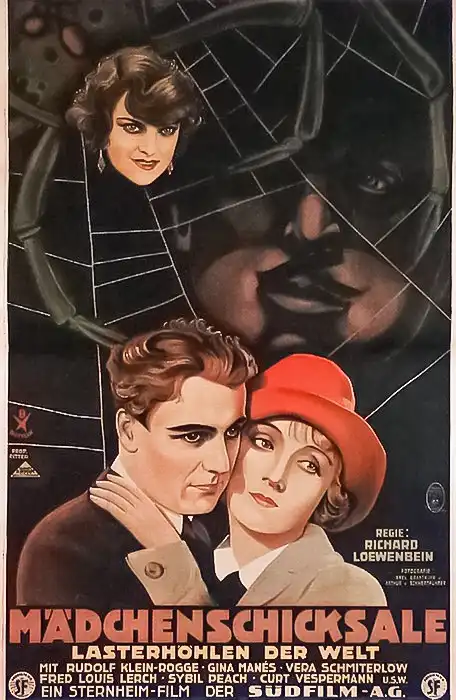
If you have about an hour and a half and you don't mind reading some subtitles—well, intertitles—you should probably give Mädchenschicksale a look. It is perfect for anyone who likes people-watching or wondering what it was actually like to be young in Berlin right before everything went south in history.
If you hate movies where nothing 'big' happens or if you find silent acting too theatrical, you will likely get bored and turn it off after twenty minutes. And that's okay, it isn't for everyone.
I went into this thinking it would be one of those preachy moral stories where girls get in trouble for dancing. It sort of is that, but it feels weirder and more personal than the usual stuff from that era.
There is this one girl, I think she’s played by Sybil Peach, who has this incredibly expressive face that feels almost too modern for 1928. She does this little squint when she's confused that made me realize people haven't really changed how they look when they're annoyed in a hundred years.
The movie doesn't have one main plot. It just kind of drifts between these girls and their various 'fates' which sounds dramatic but is often just about finding a job or dealing with a guy who is a total creep.

Speaking of creeps, Rudolf Klein-Rogge shows up. If you’ve seen him in the big German epics, you know he has those eyes that look like they can see through walls. Here, he’s just as intense, and every time he’s on screen, the energy of the movie just shifts into something darker.
It reminds me a little bit of the vibe in The Strong Man but without the overt comedy. It’s more grounded, like the director just pointed a camera at a real apartment building and waited for something to happen.
One scene really stuck with me where a girl is just sitting on the edge of a bed, and the lighting is so dim you can barely see her. The silence in that moment—if you aren't listening to a loud score—actually feels heavy. It’s not 'cinematic' in a fancy way, it just looks lonely.
I noticed the sets are kind of crumbly. You can see the wallpaper peeling in the background of the 'poor' apartments. It makes it feel much more real than some of the Hollywood stuff from the same time, like It's the Old Army Game, which feels like a playground in comparison.
There is a lot of smoking. Everyone has a cigarette glued to their hand. The way the smoke curls in the black and white film is probably the most beautiful thing in the whole movie, even if it wasn't supposed to be the focus.
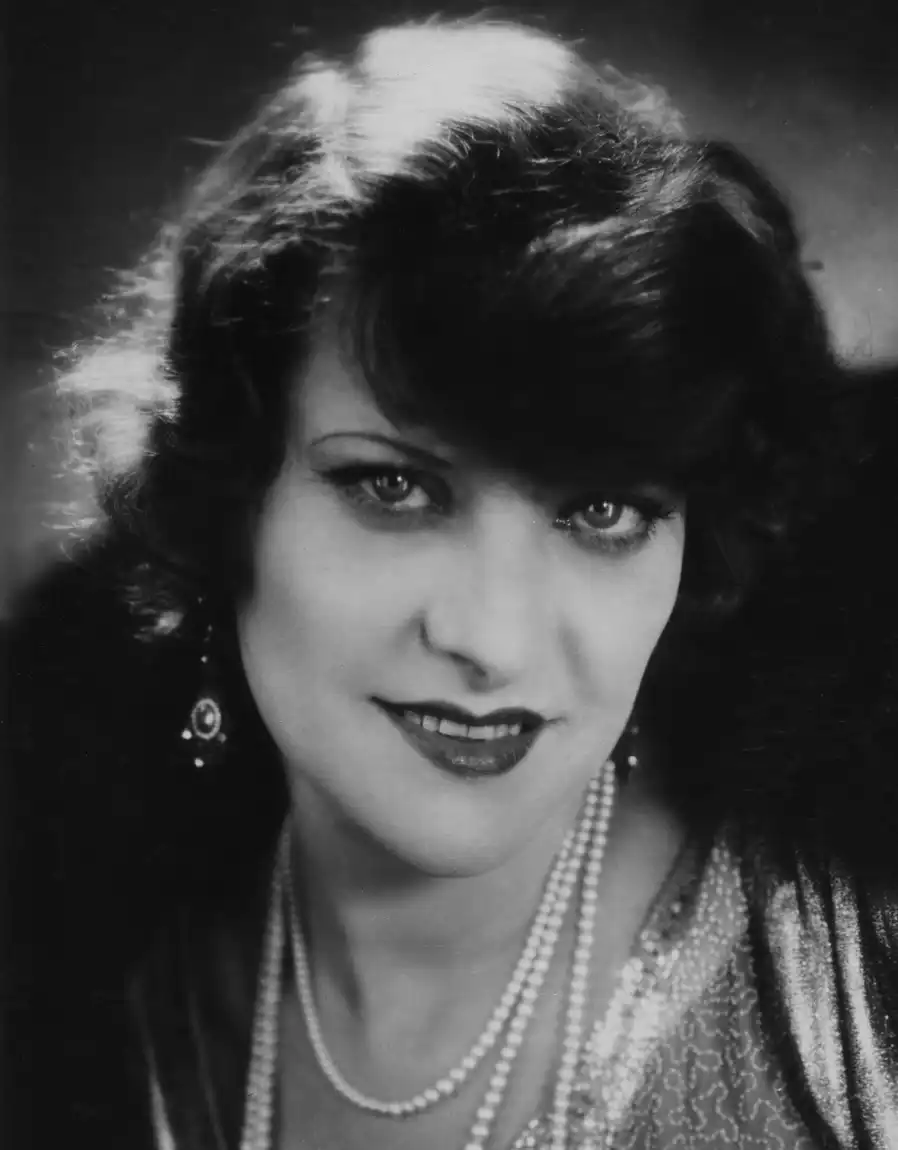
The writing by Irma von Cube is actually pretty sharp. She doesn't treat the girls like idiots, even when they make bad choices. You can tell she actually liked these characters, or at least felt sorry for them in a way that wasn't looking down on them.
Some of the transitions are really abrupt. Like, one second they are in a cafe and the next they are walking in a park and you're not sure if it’s the same day or a week later. It’s a bit jarring, but it adds to that feeling of someone just flipping through a photo album of memories.
I found myself wondering about the extras in the background of the street scenes. There’s a guy in a flat cap who walks past the camera twice in the same shot. I wonder if he knew he’d be stuck in this digital file a century later.
It’s a bit of a tragedy, I guess. Or a series of them. But it’s not the kind that makes you want to sob. It’s the kind that just makes you feel a bit quiet inside.
The ending doesn't really tie everything up in a neat bow. It just sort of stops. I liked that, actually. Life doesn't usually have a big finale, it just keeps going until the next day starts.
If you're looking for a masterpiece, this isn't quite it. But if you want to see a movie that feels like a ghost of a real life, it’s worth the time. Just don't expect a happy ending for everyone.
IMDb 5.3
1935
Community
Log in to comment.