DbcultAccessing Vault...
6.1/10
Senior Film Conservator
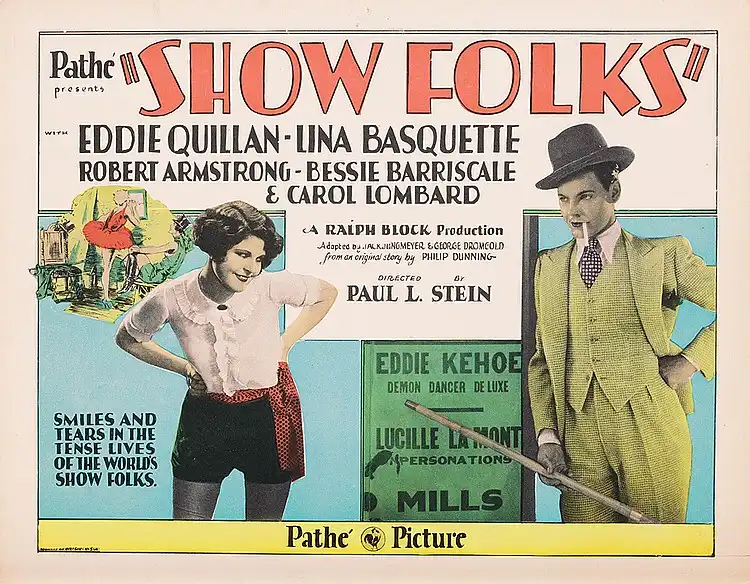
A definitive 6.1/10 rating for a film that redefined the boundaries of cult cinema. Show Folks remains a cornerstone of transgressive art.
Alright, let's talk about Show Folks. This isn't exactly a lost masterpiece you need to drop everything for, but if you've got an hour and a half and a soft spot for the tail end of the silent era, it offers some genuinely charming, if clunky, moments. It’s probably best for folks who enjoy peeking into the mechanics of early Hollywood storytelling and aren't bothered by a certain theatrical stiffness. Anyone expecting modern pacing or subtle performances will likely find themselves checking their watch.
The premise is simple enough: Eddie Kehoe, a vaudeville hoofer played by Eddie Quillan, is a walking ego trip. He blames everyone but himself for his inability to hit the big time. Stage managers, agents, the musicians – you name it, they’re holding him back. Never mind that his solo act isn't exactly setting the world on fire. It's a character type that feels pretty familiar, even today, but Quillan leans into it with a kind of earnest, almost childlike petulance that can be endearing one minute and utterly grating the next.
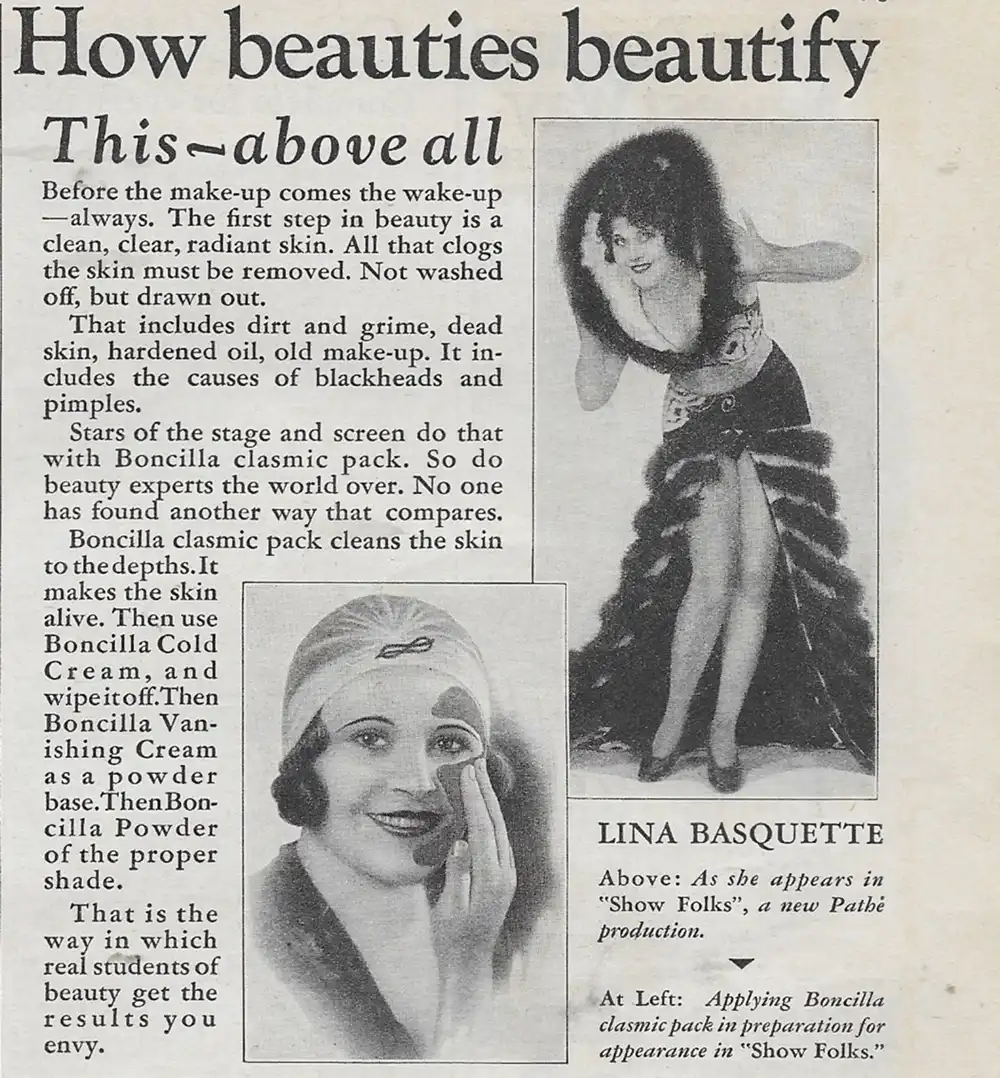
His big break, or so he thinks, comes when he takes advice from Kitty Mayo (Bessie Barriscale), an old-time burlesque queen who’s seen it all. Get a partner, she says. And who does he find? Rita Carey (Lina Basquette), a dancer with a trained duck. Yes, a trained duck. This duck, bless its little feathered heart, is probably the most consistent performer in the whole picture. Every time it waddles into a scene, there's a little spark of unexpected joy. It’s such an odd, specific detail, and it works to cut through some of the more dramatic bits.
The film is technically a silent film with a synchronized score and sound effects, which was common in 1928 as the industry was rapidly transitioning to talkies. Sometimes these effects are great, like the clatter of tap shoes or the brassy swell of the orchestra. Other times, they feel a bit tacked on, almost like the movie is yelling, “Look, we have sound now!”
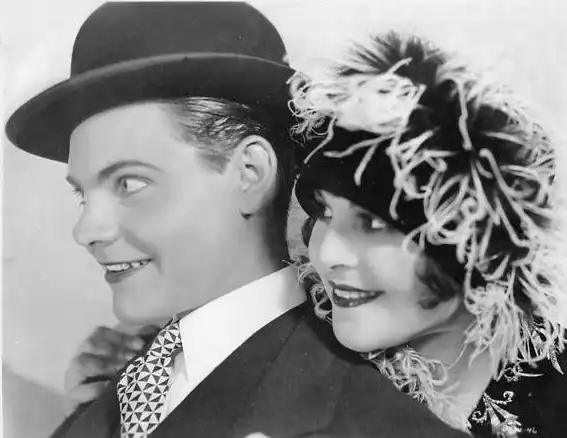
Eddie’s conceit, though central, gets hammered home a little too often. There’s a scene early on where he’s trying to impress Rita and he just keeps talking about how great he is, how he knows McNary (the big shot producer), and how he’s going to make her a star. It goes on a good minute or so too long, and you can almost feel the film trying to convince you this moment matters, when really, we got it after the first thirty seconds. We know he’s a blowhard. Show us, don’t just have him tell us.
Lina Basquette as Rita is quite good, actually. She has this quiet resilience that makes you wonder why she puts up with Eddie’s nonsense, but then you see the little moments where she cracks a smile at his antics. There’s a genuine sweetness there. Their chemistry isn't exactly electric, but it's believable enough for the period. You root for her to succeed despite Eddie, not necessarily because of him.
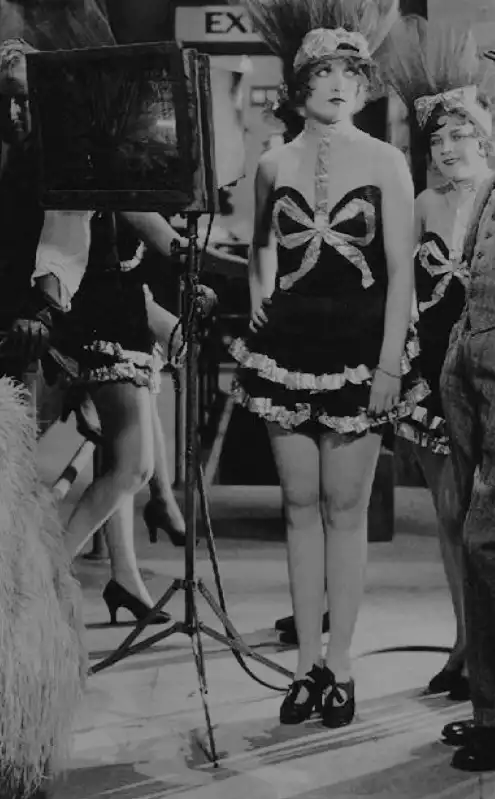
The vaudeville numbers themselves are a mixed bag. Some of the dance routines are pretty energetic, especially for the time. Others feel a bit static, relying heavily on the audience's imagination. You can tell they’re trying to convey the excitement of live performance, but it doesn’t always translate through the camera. There’s one sequence where Eddie and Rita are practicing, and the cuts between them feel a little abrupt, like they’re trying to stitch together different takes that don’t quite match the rhythm of the music.
And speaking of small roles, keep an eye out for Joan Bennett and Carole Lombard in tiny, almost blink-and-you’ll-miss-them appearances. It’s one of those fun historical tidbits, seeing future stars before they really broke out. Lombard, in particular, has this brief bit where she’s just one of the girls backstage, and even then, there’s a spark.
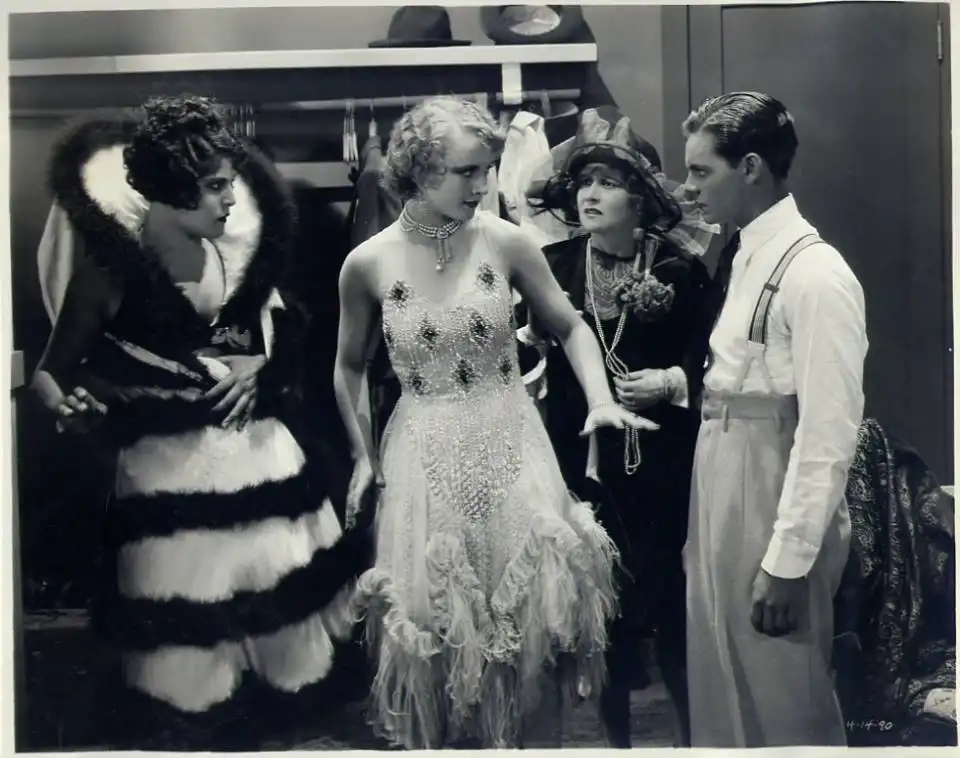
The subplot involving Cleo (Crauford Kent), the “gold-digger,” feels a bit underdeveloped. She’s there to stir up trouble, primarily by trying to lure Eddie away with promises of bigger things, but her motivations never quite land with any real weight. She’s more of a plot device than a fully realized character, and the scenes with her tend to drag a little, pulling focus from the more engaging dynamic between Eddie and Rita.
There's a scene towards the end, after some inevitable dramatic setback, where Eddie finally has to confront his own shortcomings. It's played with a surprising amount of pathos for a character who's been so outwardly obnoxious. Quillan manages to pull off a moment of genuine vulnerability, which makes you forgive some of his earlier hamming. It’s not a complete transformation, but it's enough to make you feel like he might actually learn something.
Ultimately, Show Folks is a curious artifact. It's not particularly deep, and its pacing can be a bit uneven, but it has a certain charm, especially if you appreciate the period. The trained duck alone might be worth the price of admission. It’s a good example of the kind of entertainment people were flocking to just before the talkie revolution fully took hold. It’s less about a grand cinematic vision and more about a snapshot of show business at a pivotal moment. If you’re looking for a meticulously crafted narrative, maybe try something else. But if you want a quirky, slightly awkward trip back to the vaudeville stage, with some nascent star power and a surprisingly engaging duck, give it a shot.
IMDb 7.3
1931
Community
Log in to comment.