DbcultAccessing Vault...
5.1/10
Senior Film Conservator
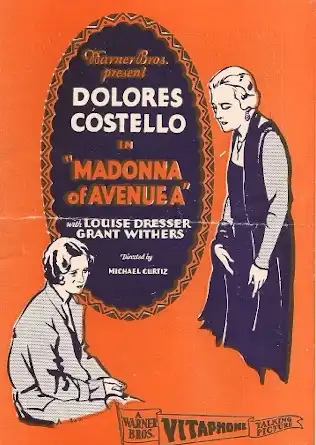
A definitive 5.1/10 rating for a film that redefined the boundaries of cult cinema. Madonna of Avenue A remains a cornerstone of transgressive art.
If you could actually find a copy of this today, you should watch it immediately. It’s for anyone who likes their melodrama served with a side of city grit and 1920s grime. If you hate slow, flickering stories where people stare intensely at nothing, you’ll probably want to skip it.
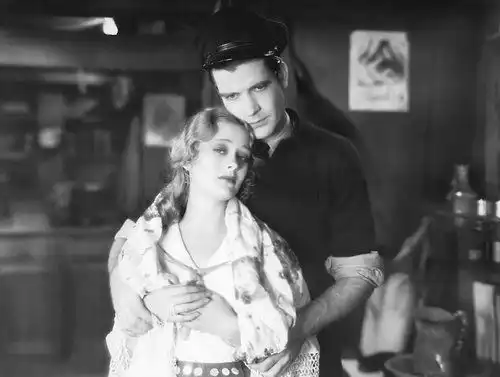
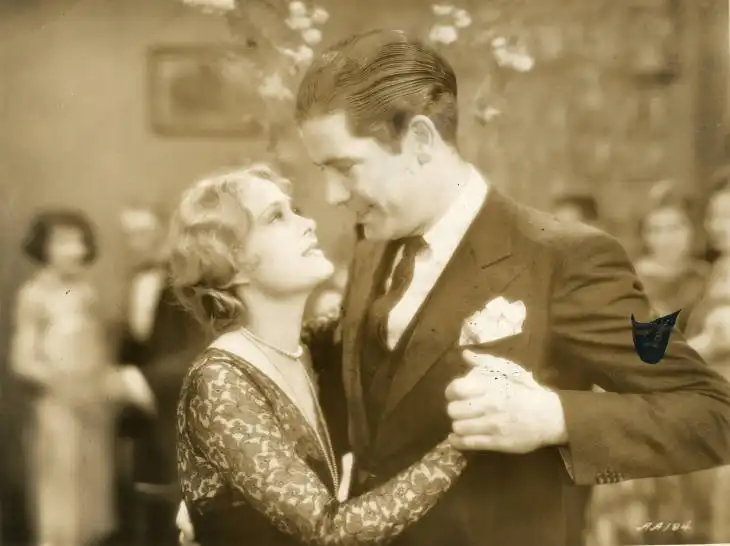
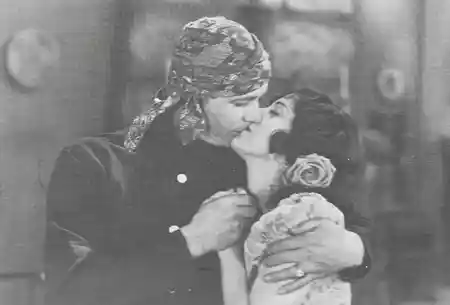
It’s really a shame that Madonna of Avenue A is mostly lost to time. We only have fragments and stills now, but even those feel heavy with a specific kind of mood. It’s like looking at a photo of a party you weren't invited to, but you can still smell the smoke.
Dolores Costello plays the daughter, and she has these eyes that just seem to hold all the sadness in New York. She thinks she’s a high-society girl at a fancy school, totally unaware her mom is a 'hostess' in a basement dump. The contrast is brutal.
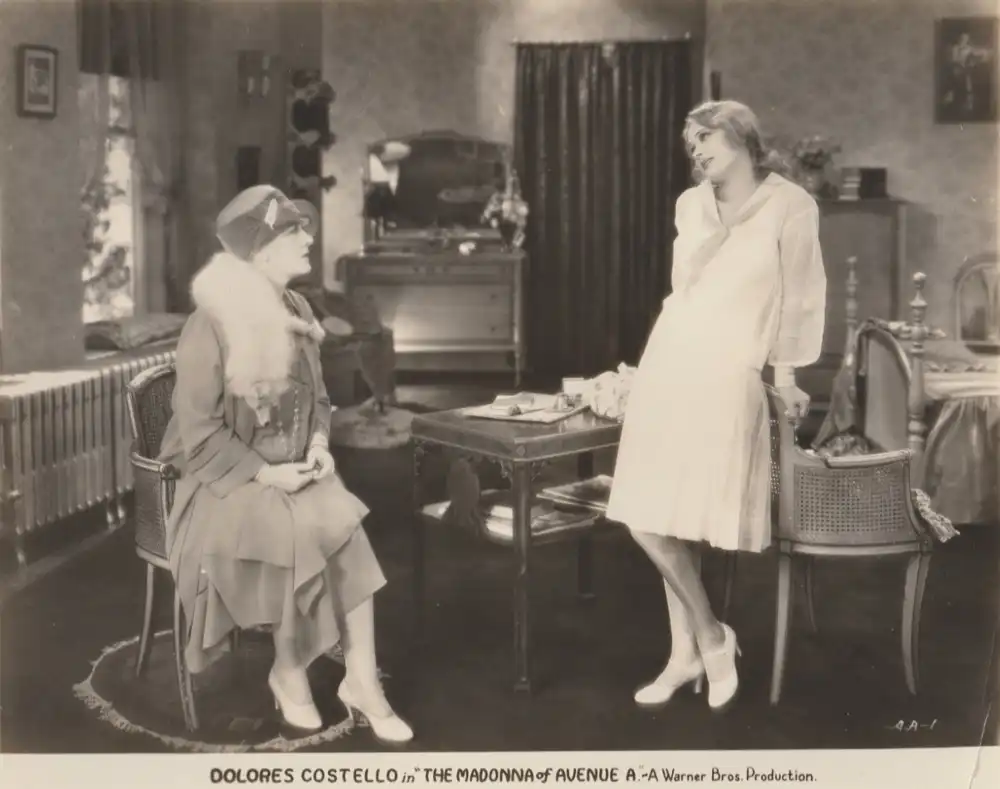
Michael Curtiz directed this way before he did Casablanca. You can already see him messing with shadows in that basement scene. The way the light hits the dirty tables makes the whole place feel dangerous and sad at the same time. 🎥
There’s a moment where Costello’s character finds out the truth about her mother, played by Louise Dresser. The look on her face isn't even 'acting'—it just looks like someone’s entire world just turned into wet cardboard. It’s one of those silent-era reactions that says more than a ten-minute monologue.
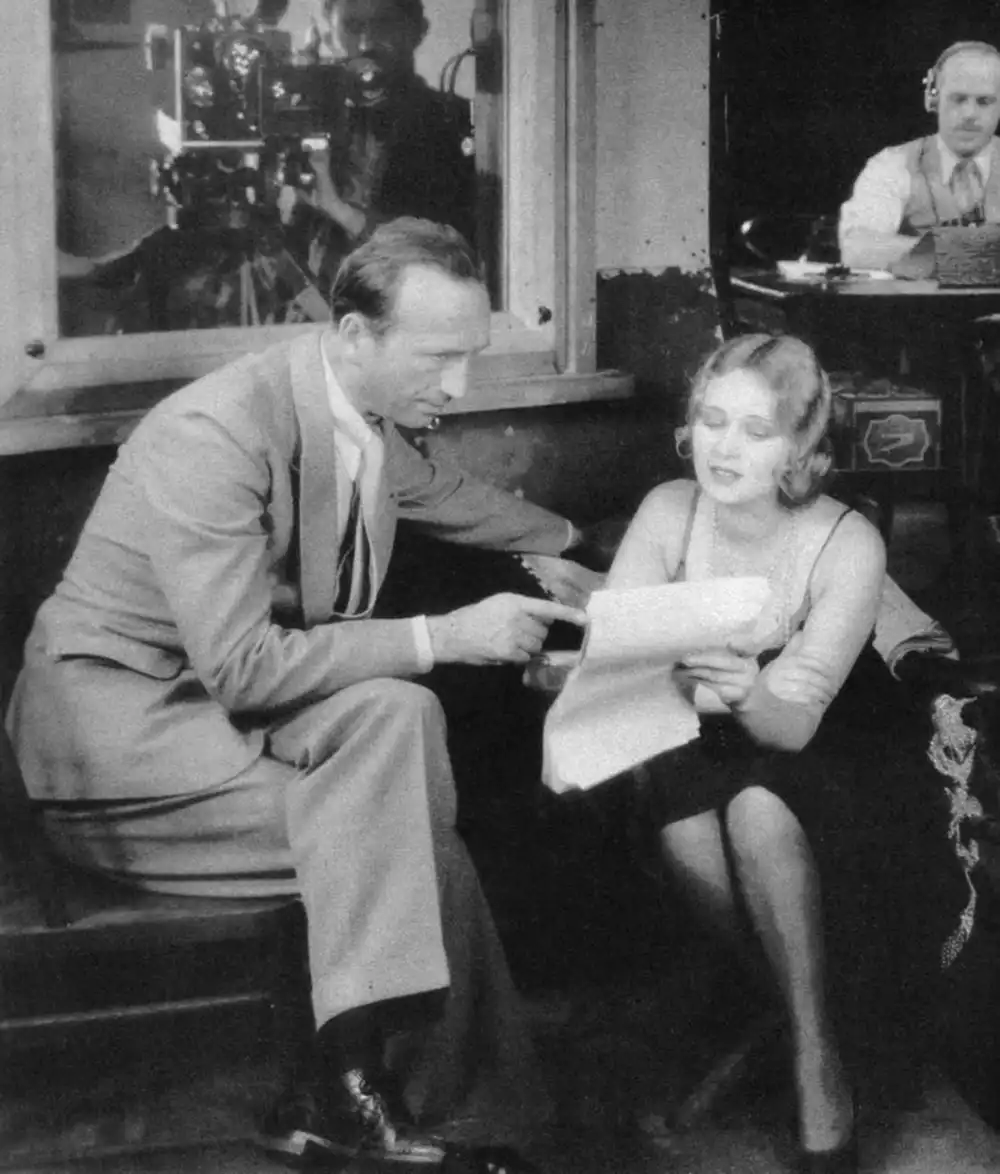
The film was a 'part-talkie,' which meant some scenes had sound and others were silent. Those early talkies always feel a bit like the actors are scared of the microphone hidden in the flower vase. It creates this jittery energy that actually works for a story about secrets.
I kept thinking about Robin Hood while watching some of the silent movements here. The scale is obviously much smaller, but the way they move their bodies to show emotion is just as big. It’s a lost art, honestly. 🎭
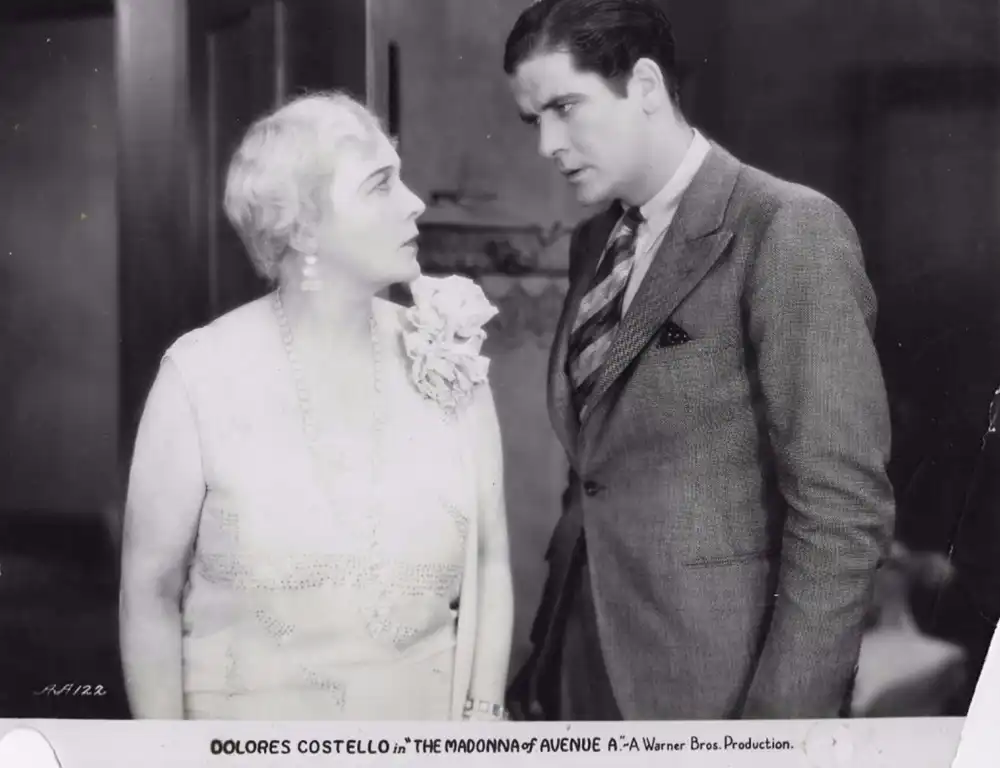
The plot moves pretty fast for a 1929 flick. Once the secret is out, everything just starts tumbling downhill like a shopping cart in a ravine. There’s a guy named Slim, played by Grant Withers, who is supposed to be the love interest but he mostly just looks confused.
One scene that really stuck with me—or at least the description of it—is the confrontation in the nightclub. You can almost hear the clinking of illegal glasses and the sound of someone playing a piano badly in the corner. It feels lived-in.
It’s weirdly similar to the vibes in Orochi, even though that’s a samurai film from Japan. Both movies have this feeling of a person being crushed by a society that doesn't really want them. It’s a bummer, but a very pretty bummer to look at.
I wonder what happened to the original prints. Did they just rot in a basement somewhere in New Jersey? It feels like a crime that we can't see the full performance of Louise Dresser as the mother. She was supposedly the best part of the whole thing.
The pacing gets a little wonky toward the end. Melodramas from this era always feel like they’re trying to fit three different endings into the last ten minutes. It’s messy.
But that messiness is why I like it. It doesn't feel like it was made by a committee trying to please everyone. It feels like Curtiz and the writers were just trying to tell a sad story about Avenue A before the world changed. 🏙️
Some of the titles are a bit much. 'Her heart was a lonely flower in a field of weeds'—okay, we get it, she’s sad. You don't have to hit us over the head with it every five minutes.
Still, Costello is the real draw. She was called the 'Goddess of the Silent Screen' for a reason. Even in the grainy surviving shots, she just glows. It’s hard to look at anyone else when she’s on screen.
If you ever stumble across a reel of this in a dusty box, please don't throw it away. It’s a piece of history that feels surprisingly human, even if it’s a bit of a tear-jerker. It reminds me of the simple grit in The Small Town Girl but with more city soot.
The movie doesn't try to be smart. It just tries to be felt. And honestly, I’d take a messy, felt movie over a perfect, boring one any day of the week. Highly recommended for the ghosts of cinema lovers.
Anyway, it's a tragedy we can't watch the whole thing properly. Madonna of Avenue A is a reminder that movies are fragile. One day they're the biggest thing in the world, and the next, they're just a few sentences in a database. 🥀
IMDb —
1931
Community
Log in to comment.